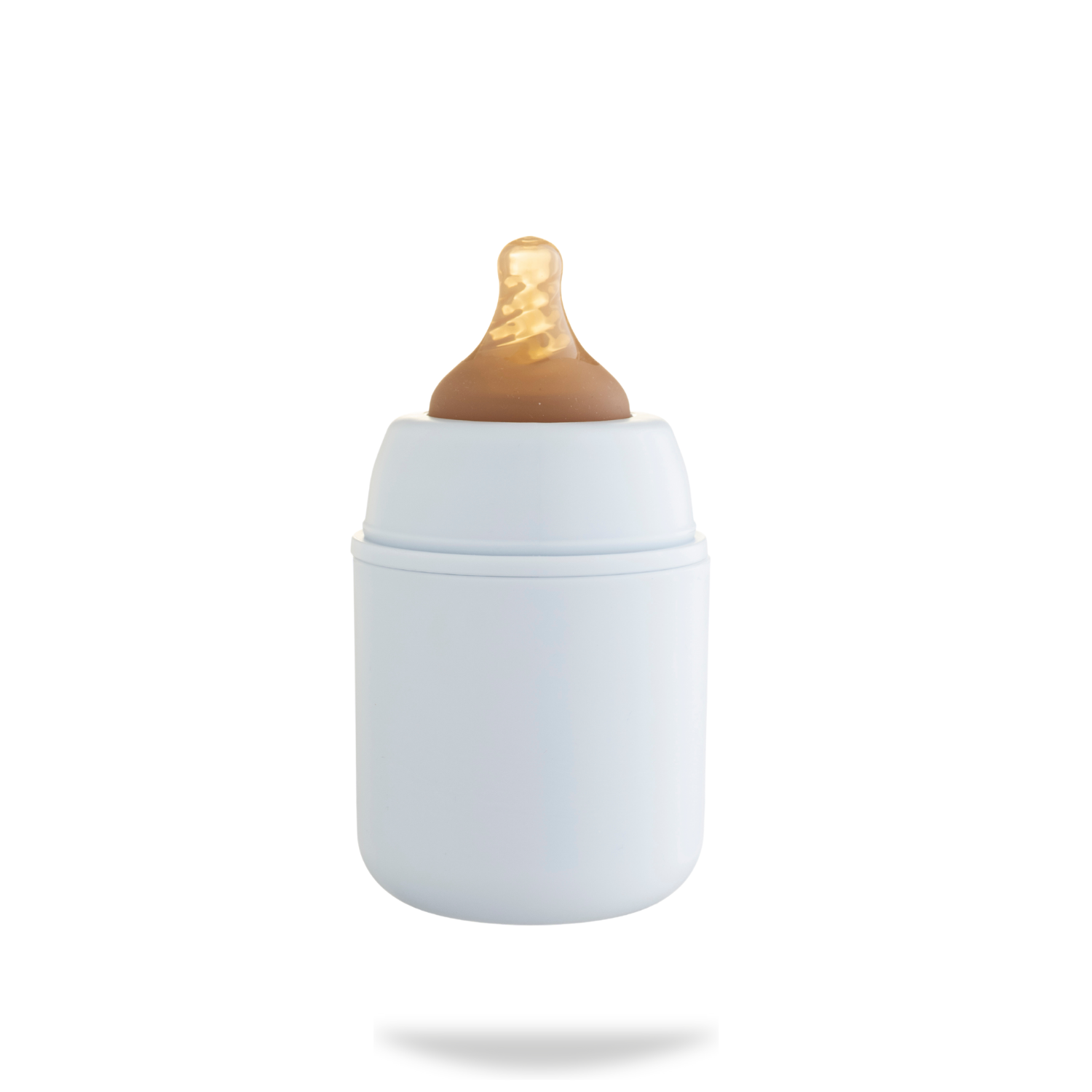

Bottle feeding shouldn’t feel like a guessing game. Between materials, nipple shapes, flow rates, and cleaning methods, it’s easy to overthink it—especially if you’re balancing breastfeeding, pumping, or mixed feeding. The good news: a few clear decisions unlock calmer feeds, fewer leaks, and easier cleaning. In this guide, we’ll break down how to choose safer materials, match teat design to your baby’s latch, pick flow rates that actually fit your baby (not the box), and build a simple cleaning/sterilizing routine. We’ll also map a realistic “day in the life” system for home, daycare, and travel—anchored by BPA/BPS free Baby bottles that keep harmful plastics out of the conversation.
Shop BPA/BPS free Baby bottles
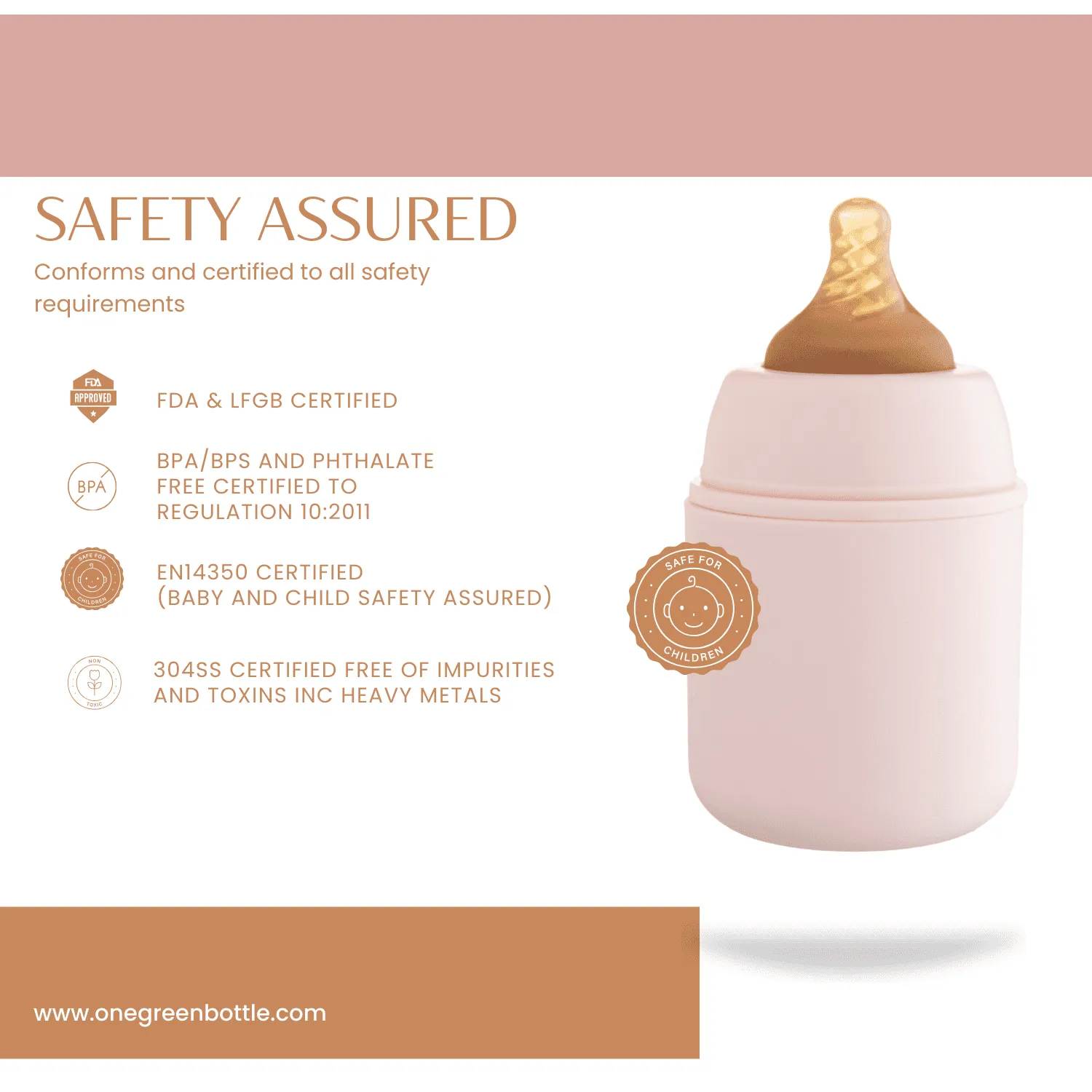
BPA? BPS? What Those Letters Actually Mean (and Why They Matter)
BPA (bisphenol-A) and BPS (bisphenol-S) are industrial chemicals historically used to harden plastics. Many parents now look for BPA/BPS-free bottles because bisphenols can migrate from plastics into liquids when heated, scratched, or aged. Choosing BPA/BPS free Baby bottles removes that variable from your feeding setup, so you can focus on latch, flow, and routine—not chemistry. Just remember: “free” labels are step one; material quality, teat design, and ease of cleaning are what you’ll feel every single day.
Materials: Glass, Stainless, Silicone, and Modern Polymers
Different materials solve different pain points. Here’s a quick tour to decide what fits your lifestyle:
- Glass: Naturally BPA/BPS-free, highly inert, easy to deep-clean, and resists odour. Heavier (which some parents prefer for stability). Use a silicone sleeve for grip and drop protection.
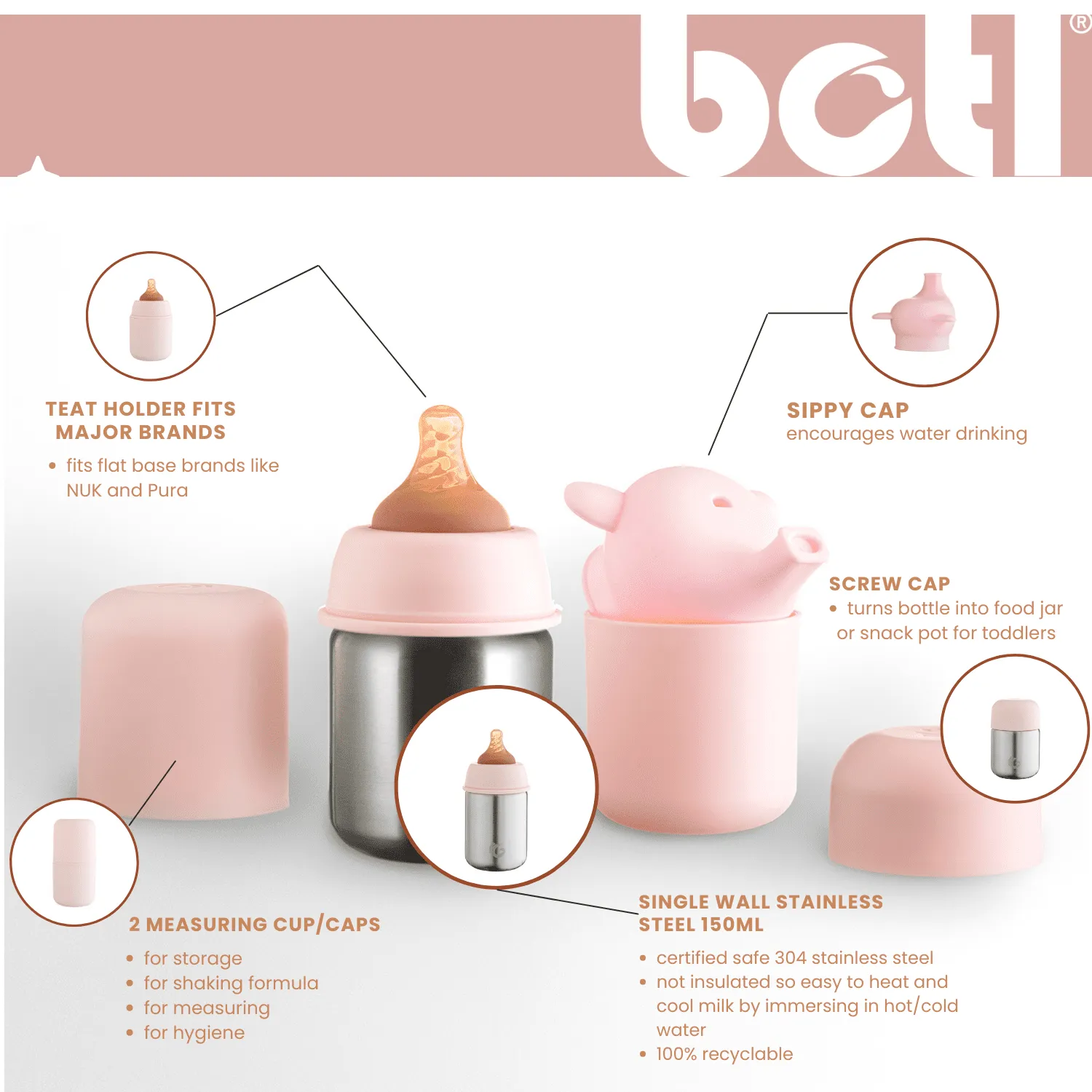
- Stainless Steel: Durable, lightweight, shatter-proof, and often compatible with standard teats. Great for travel and toddlers who throw like Olympians. Check for high-quality food-grade steel and a measuring window or internal markings.
- Silicone (bottle body or sleeve): Soft, squish-resistant, easy to hold, and quiet when baby bumps the table at 6 a.m. Many silicone bodies are dishwasher-friendly—verify heat ratings.
- Modern BPA/BPS-free polymers (e.g., PP, Tritan-type): Lightweight, budget-friendly, and clear (handy for measuring). Replace more frequently if scratches appear, and keep heat exposure sensible.
The move: pick one primary material that matches your daily rhythm (glass at home, stainless on the go) and standardize your accessories (rings, caps, teats) to simplify your drawer. Many BPA/BPS free Baby bottles lines offer cross-compatibility, so you can swap tops/teats between bodies.
Teats & Vents: Matching Shape to Your Baby (Not the Box Art)
Teat geometry shapes the latch your baby makes on the bottle. The wrong shape or vent design can trigger gulping, gassiness, or refusal. Use these cues:
- Shape:
- Wide, breast-like domes support a deeper, flanged latch—useful for mixed feeding.
- Narrow, elongated teats can suit smaller mouths or babies who prefer a more vertical latch.
- Vent System:
- Built-in vents equalize pressure to reduce vacuum (less collapsing, fewer air bubbles).
- Valve inserts can help with sensitive tummies but add parts—balance benefits with cleaning time.
If your baby splutters or milk dribbles at the corners, you may be dealing with a flow that’s too fast, a teat that’s too firm, or a latch mismatch. Try a slower flow or a different shape before assuming “bottle aversion.” Many BPA/BPS free Baby bottles include anti-colic venting without overcomplicating the cleaning routine.
Shop BPA/BPS free Baby bottles
Flow Rates: A Practical, Baby-Led Guide
Ignore the months printed on the box. Use behaviour:
- Slow Flow (NB–2): Baby sucks rhythmically, pauses, breathes. Good for newborns, breastfed babies, or reflux/overfeed prevention.
- Medium Flow (3–4): Baby works but doesn’t tire; feeds take ~10–20 minutes.
- Fast Flow (Y-cut/variable): For thicker liquids or older babies with an efficient suck; watch for gulping.
Red flags that the flow is too fast: coughing, milk flooding, splayed fingers, or finishing in under 5 minutes with upset.
Too slow: frustration, collapsing teat, long feeds with minimal intake.
Pro move: own two adjacent flow levels and A/B test over 48 hours. With BPA/BPS free Baby bottles, it’s often as simple as swapping teat tops—no new bottle body needed.
Building a Leak-Resistant Routine (at Home and On the Go)
Leaks aren’t “just bottles”; they’re often assembly or temperature physics. Try this:
- Tighten, then back off a quarter turn. Overtightening can warp seals or block vents.
- Heat, then add teat. Warm milk in a capped body; attach the teat after warming to reduce pressure build-up.
- Burp the bottle. Tilt to release trapped air before feeding.
- Angle matters. Keep milk fully in the teat during early months; as baby grows, let them hold a more upright position to manage flow.
Pack bottles upright in an insulated sleeve. For stainless bodies, pre-warm with hot water before adding milk to reduce temperature shock.
Shop BPA/BPS free Baby bottles
Cleaning & Sterilizing: Keep It Simple, Keep It Safe
A clean bottle is about method, not magic gadgets:
- Daily wash: Hot, soapy water and a dedicated brush; rinse thoroughly.
- Sterilize: Once daily for young infants or after illness. Methods: boiling (5 minutes), steam sterilizer, or dishwasher sanitize cycle (check material ratings).
- Air-dry: On a clean rack—no towel rubbing (cross-contamination risk).
- Inspect: Replace teats when they feel sticky, thinned, discoloured, or cracked; swap scratched plastic parts.
Glass and stainless BPA/BPS free Baby bottles tolerate repeated sterilizing like champs. For silicone bodies/teats, verify heat limits and avoid scented detergents (they can linger).
Breastfeeding, Pumping, and Mixed Feeding: Make the Hand-Off Smooth
If you’re combo feeding, your bottle strategy should protect your nursing rhythm:
- Paced bottle feeding: Hold baby more upright; tip the bottle horizontal so baby “earns” the milk with active sucks. Pause every few swallows. This reduces over-feeding and keeps the bottle experience closer to nursing.
- Nipple confusion vs. flow preference: Babies rarely “forget” how to latch; they pick the easier flow. Start with slow flow and a teat that allows a deep latch.
- Pump compatibility: Choose bottles that accept pump adapters or wide-neck teats that pair with your storage system—fewer transfers = fewer spills + less washing.
Shop BPA/BPS free Baby bottles

One Hybrid Block (Checklist + Guidance): Your 60-Second Bottle Audit
- Material: Glass/stainless for durability; silicone or modern polymers for lightness. All BPA/BPS free.
- Teat: Match shape to your baby’s latch; start slow flow for mixed feeding.
- Vent: Ensure the vent path is clear after washing; test for vacuum by gently releasing the ring.
- Assembly: Finger-tighten, then quarter-turn back; seat the teat ring evenly.
- Heat: Warm the liquid first, attach teat second; burp the bottle before feeding.
- Timing: 10–20 minutes per feed is a healthy target; watch baby, not the clock.
- Cleaning: Sterilize once daily for young infants; replace worn teats promptly.
Real-World Setups: Home, Daycare, Weekends Away
Home Base: Keep a tray with assembled, dry bottles; a second tray for clean teats/rings; a labelled brush set; and a sterilizer spot. Pre-measure formula or store pumped milk with dates.
Daycare: Label everything. Pack two extra teats (slow flow) and a spare ring. Share your paced-feeding note so carers respect your routine.
Weekends: Glass at home, stainless on the road. Pack an insulated carrier, a compact brush, and fragrance-free dish soap. For formula, carry pre-measured portions and use boiled, cooled water stored in a stainless flask.
Troubleshooting: Fast Fixes You’ll Actually Use
- Gas and fussiness after feeds: Slow the flow; check vent path; tilt the bottle to keep the teat half-full and air out.
- Leaking around ring: Don’t overtighten; realign the teat lip; confirm you didn’t block the vent with an insert.
- Bottle refusal: Try a different teat shape, feed when baby is calm (not starving), offer with caregiver instead of the nursing parent, and use paced feeding.
- Lipstick-ring smells or cloudiness: Switch detergents; deep-clean with a warm baking-soda soak; retire scratched parts.
- Collapsed teat: Vent blocked or ring overtightened; loosen a touch and retest.
- Milk scorching in warmer: Pre-warm water, not the bottle; swirl gently, never microwave.
Sustainability & Budget: Buy Once, Cry Zero
A tight kit beats a crowded cupboard. Aim for 4–6 bottles, 8–10 teats (in two adjacent flows), and two bodies for travel (e.g., stainless) plus home (e.g., glass). This rotation covers a day’s feeds with one wash/sterilize cycle. Choosing durable BPA/BPS free Baby bottles means fewer replacements and less landfill guilt. Replace only the parts that wear (teats, rings), not entire bottles.
Shop BPA/BPS free Baby bottles
A Day in the Life: The “Feed-Prep-Clean” Loop
- Morning: Assemble two bottles—one for now, one for the next feed. Warm milk in a capped body, attach teat later.
- During feed: Paced feeding posture; pause for burps at natural breaks; watch baby’s cues.
- Post-feed: Rinse immediately, then batch-wash. Sterilize once in the evening.
- Evening prep: Pre-measure formula or portion pumped milk; lay out tomorrow’s kit; quick inspection of teats/rings.
Once you run this loop for a week, you’ll feel the friction drop. The right bottle + routine > any gadget pile.
Conclusion
Choosing bottles doesn’t have to be a maze. Start with safer materials—BPA/BPS free Baby bottles in glass, stainless, silicone, or modern polymers—then match teat geometry and flow to your baby’s behaviour. Keep assembly consistent, respect vent paths, and simplify cleaning with a daily wash plus one sterilize pass. Add paced feeding for combo-fed babies, standardize parts to reduce leaks and lost pieces, and build a home–daycare–weekend system that travels with you. When your kit is quiet, predictable, and easy to clean, feeds become what they should be: calm minutes together—not a daily science experiment.
Shop BPA/BPS free Baby bottles
FAQ
- Glass, stainless, silicone, or plastic—what’s safest?
All can be safe when BPA/BPS-free. Glass and stainless are most inert and durable; silicone is lightweight and quiet; modern polymers are feather-light but should be replaced if scratched. - How many bottles do I actually need?
For a single baby: 4–6 bottles, 8–10 teats (two adjacent flows), plus spare rings/caps. That covers a day with one sterilize cycle. - How do I prevent leaks?
Seat the teat evenly, finger-tighten then back off a quarter turn, avoid overtightening, attach the teat after warming, and confirm the vent path is clear. - What flow rate should I choose?
Start slow, especially for mixed feeding. Watch baby: coughing or flooding = too fast; frustration and collapsing teat = too slow. - Do I need to sterilize after every feed?
Wash after each feed; sterilize once daily for young infants or during illness. Follow your local health guidance and material heat limits. - Can I combine breastfeeding and bottles without nipple confusion?
Yes. Use slow flow, a deep-latch teat shape, and paced feeding. Babies prefer flow, not nipples—keep bottle flow effortful but comfortable. - How often do teats need replacing?
Every 1–3 months or sooner if sticky, thinned, cracked, or discoloured. They’re the highest-wear part of your system. - Are anti-colic vents worth it?
If your baby is gassy or the teat collapses, yes. Choose vents that work and clean easily so you actually use them. - Can I put bottles in the dishwasher?
Many parts can, but verify heat ratings. Place small parts in a basket, avoid scented detergents, and still sterilize periodically for young infants. - What’s the best bottle for travel?
Stainless for durability and temperature stability, plus a slow-flow teat and an insulated sleeve. Pre-warm the body, then add milk just before feeding.