
Some trips are pretty; some are powerful. This one is both. Over two days you’ll trace the shoreline where the Gallipoli campaign reshaped nations and step through the layers of legend at Troy, where myth and archaeology meet. If you’re considering the 2 Days Troy And Gallipoli Tour From Istanbul, this guide gives you the full picture: the route, the pacing, what you’ll learn on site, how to pack and prepare, and the gentle etiquette that honors the memory of those who never came home.
Book 2 Days Troy And Gallipoli Tour From Istanbul
TL & DR Itinerary Snapshot (So You See the Shape of the Trip)
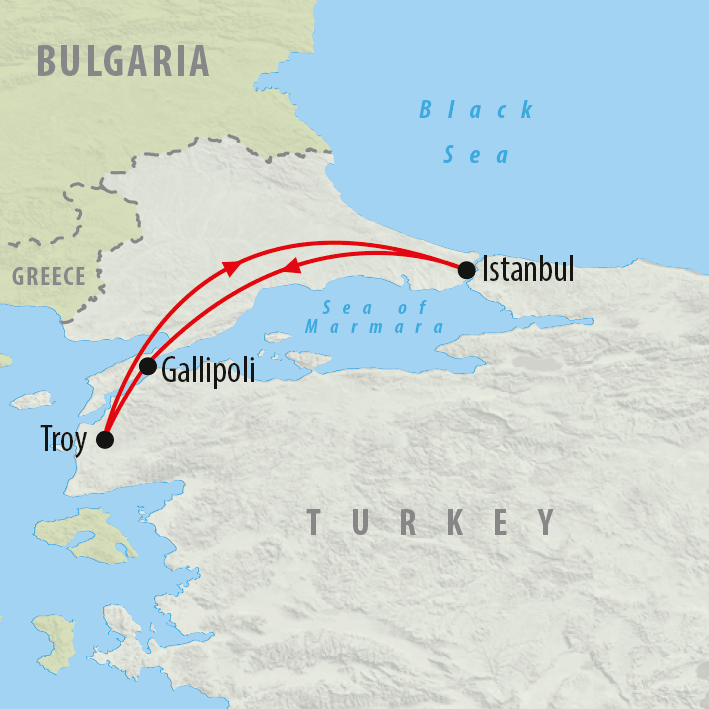
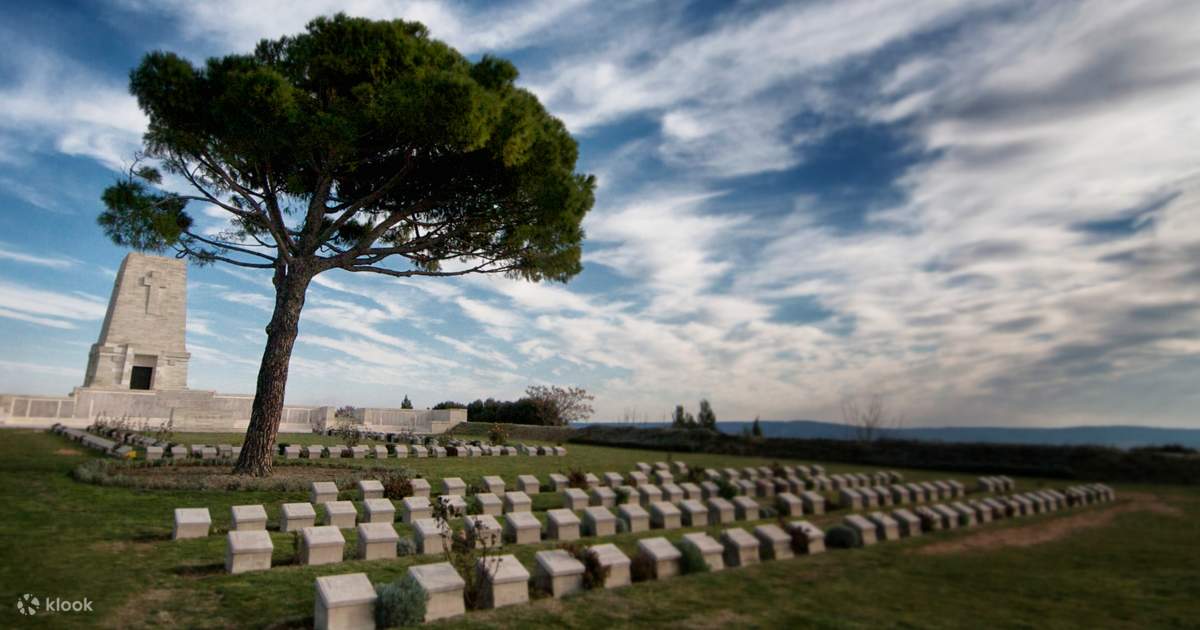
- Day 1: Istanbul → Gallipoli Peninsula (European side of the Dardanelles). Visits commonly include ANZAC Cove, Ari Burnu Cemetery, Beach Cemetery, Lone Pine (Australian Memorial), Johnston’s Jolly (trenches), The Nek, and Chunuk Bair (New Zealand Memorial). Overnight typically in Çanakkale on the Asian side (short ferry across the strait).
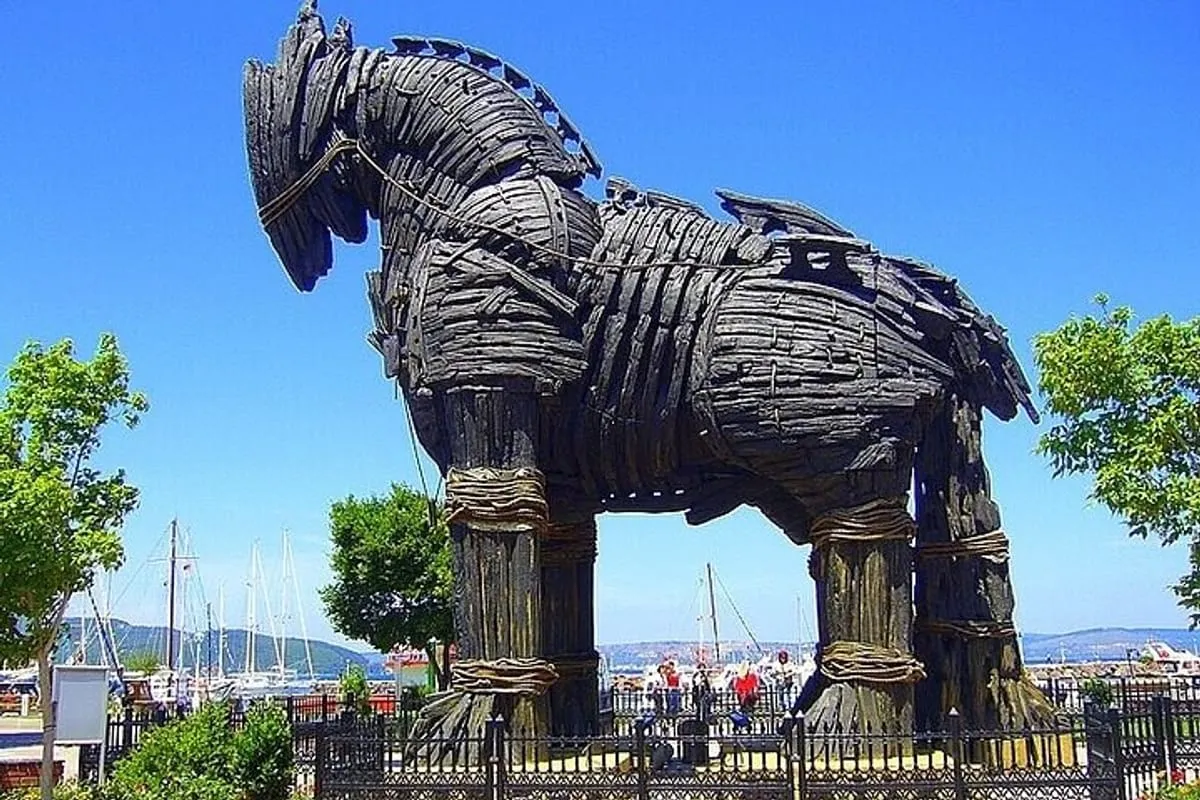
- Day 2: Troy (Hisarlık) → Istanbul. Morning at the Troy Archaeological Site and museum context where available: city walls, gates, the ramp, Roman odeon, and the modern Trojan Horse replica—plus the story arc that spans nine archaeological layers. Afternoon coach back to Istanbul.
Why This Two-Day Format Works Better Than a One-Day Dash
Could you attempt Gallipoli or Troy as long day trips? Technically yes. But the two-day structure protects the meaning and the energy. Gallipoli deserves unhurried time at memorials, with pauses for your guide’s context and your own reflection. Troy rewards slow walking and imagination—you’re reading a site that whispers, not shouts. Splitting the days also means a comfortable pace between Istanbul and the Dardanelles, rather than a blur of bus windows.
Day 1: Gallipoli—Land, Loss, and Legacy
Morning Departure & Crossing the Dardanelles
You’ll leave Istanbul early, following the Sea of Marmara toward the Gallipoli peninsula. Expect strategic snippets from your guide as you approach—how the strait funnels fleets, why the high ground mattered, and how a campaign intended to be quick became one of WWI’s defining stalemates. A rest stop breaks the drive; coffee up.
ANZAC Cove & Beach Cemeteries
At ANZAC Cove, the scale strikes you first: it’s small. Imagine landing craft nosing into a narrow crescent of pebbles, sheer ridges rising immediately inland. At Ari Burnu and Beach Cemetery, names and ages bring the dates down to earth. Read one inscription fully; it’s astonishing how a single line can carry a family’s whole heart.
Lone Pine, Johnston’s Jolly & The Nek
Lone Pine is quiet, pine-scented, and heavy with memory. Your guide will unpack the trench warfare here—close-quarters, chaotic, unimaginably brave. At Johnston’s Jolly, preserved trench lines knit the landscape into a three-dimensional lesson: distance between opposing trenches, drainage, parapets. The Nek is windswept and stark; stand still and you can feel the geography’s iron grip on tactics and outcomes.
Chunuk Bair (New Zealand Memorial)
At Chunuk Bair, the ridgeline opens a view that explains everything. Control the heights, command the strait. Monuments anchor national stories, but your guide will braid them into the wider campaign narrative—Ottoman defense, Allied plans and missteps, the birth of national identities in Australia, New Zealand, and the complex, resilient memory in Turkey.
Pause for perspective: none of this is “dark tourism” if you approach it with care. Lower your voice, pocket your phone for a few minutes, and remember that for many visitors, this is family history.
Book 2 Days Troy And Gallipoli Tour From Istanbul
Evening Ferry to Çanakkale & Overnight
A short ferry slides you across the Dardanelles to Çanakkale. The town has a gentle, studenty energy—promenades, cafes, seaside walks. Dinner can be as simple as a fish plate and salad. Sleep comes fast after a day of walking, learning, and feeling.
Day 2: Troy—Where Literature Shakes Hands with Archaeology
Troy is many cities stacked—Troy I to Troy IX—each generation building over the last. Your guide’s job (and it’s a fun one) is to help you time-travel as you move.
The Walls, Gates & Ramp
Those famously “unbreachable” walls? They’re real, thick, and tactile. The ramp at the south gate invites you to imagine traders and envoys entering a city that controlled passage between the Aegean and the Black Sea worlds. The layers of stone and mudbrick are like a cross-section of centuries: disaster, rebuild, flourish, repeat.
Houses, the Citadel & the Roman Layer
Troy wasn’t frozen in Homeric time. You’ll see remains from Hellenistic and Roman periods—an odeon (small theater), streets—reminders that the site was repurposed long after any Bronze Age conflict. Archaeology is remix culture; the guide will sketch how Schliemann’s 19th-century digs made bold finds and bold mistakes, and how modern teams corrected the record.
The Trojan Horse (Replica) & Myth vs. Memory
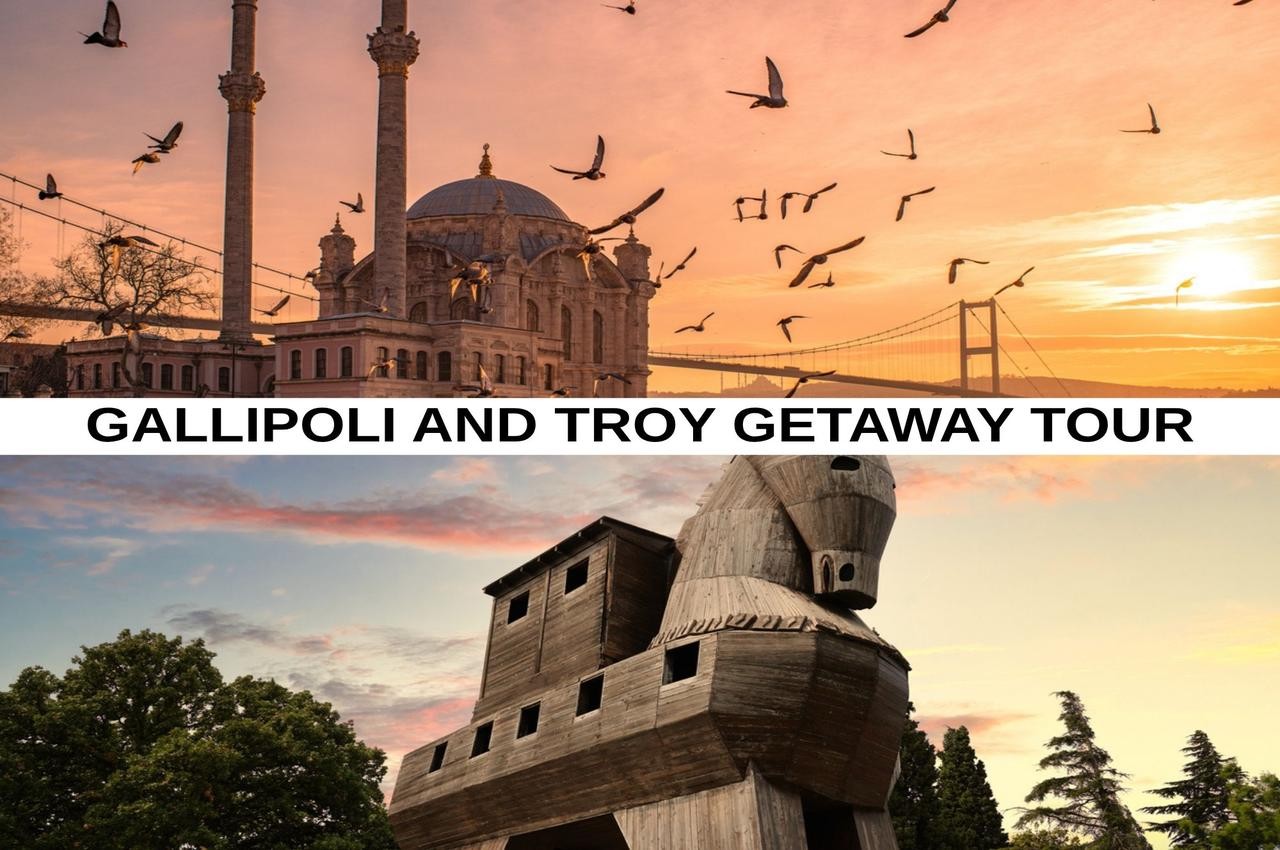
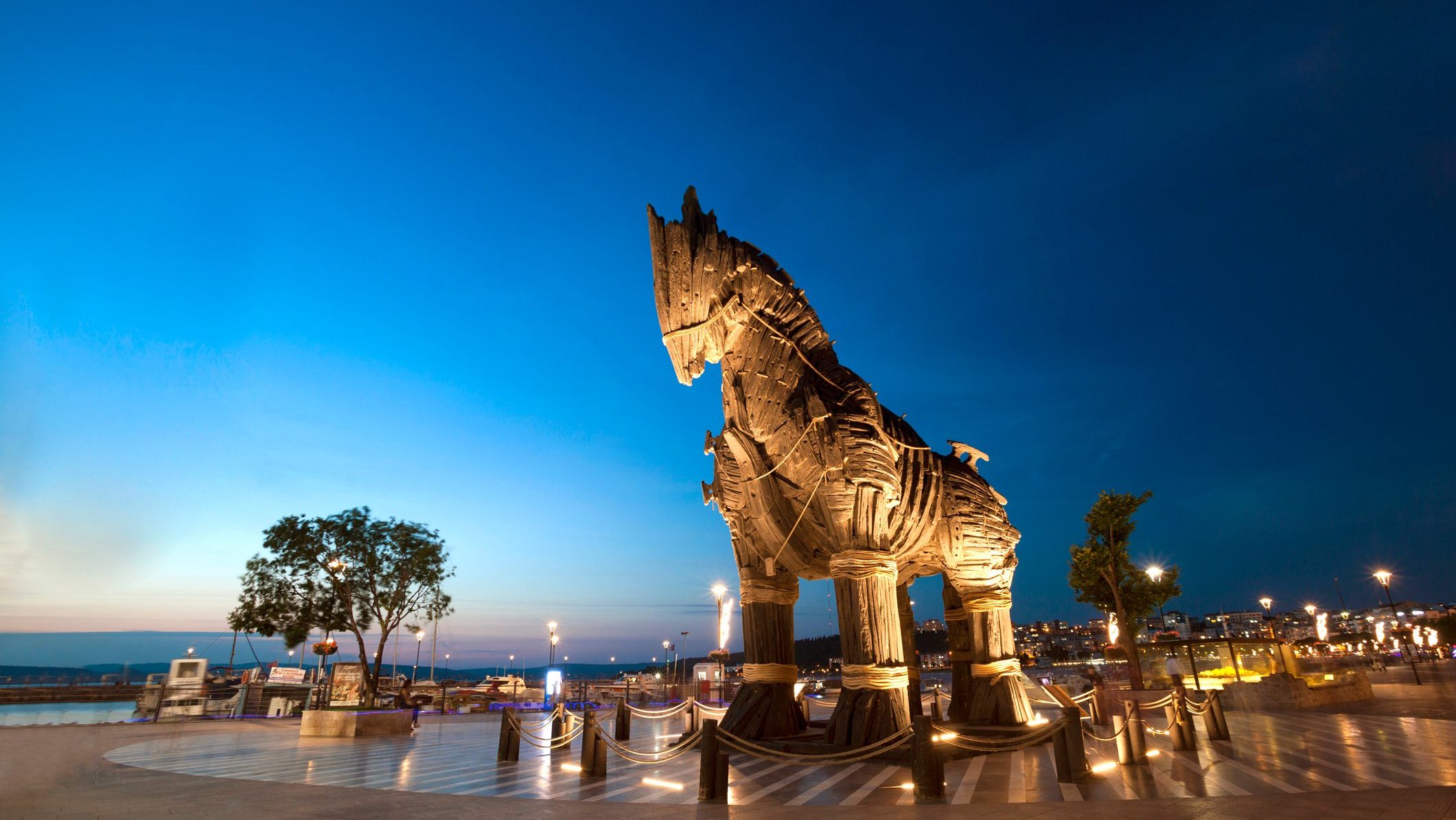
Yes, there’s a Trojan Horse replica—great for photos and a kickoff to the bigger conversation: where myth carries truth (a city fell; trickery likely played a part) and where poetry paints in brighter colors. The joy of Troy is letting your imagination participate, then snapping back to the stones under your feet and the wind coming off the strait.
Optional Museum Context
Depending on timing and the tour’s exact structure, some itineraries include or recommend Troy Museum context—artifacts that give faces, tools, and textures to the ruins: pottery, jewelry, seals, and domestic items that say “real people lived here.”
Return to Istanbul
The afternoon drive returns you to Istanbul with a full camera roll and a fuller mind. Sunset over the Marmara is your decompress window. Expect to get back early evening, traffic allowing.
Book 2 Days Troy And Gallipoli Tour From Istanbul
Packing & Prep: What You’ll Actually Use
- Footwear: Cushioned walking shoes with grip—trenches, uneven paths, and site steps.
- Layers: The peninsula can be breezy; bring a light jacket even in warm months. In shoulder seasons, add a warmer mid-layer.
- Sun kit: Hat, sunglasses, SPF—open ground catches you off guard.
- Water & snacks: Bring a bottle; you’ll have stops, but hydration makes the day better.
- Respectful dress & mindset: No strict code, but subdued colors and covered shoulders feel appropriate at memorials.
- Camera strategy: Snap your wide shots, then give yourself a “phone pocket” window at each memorial to simply be present.
One Hybrid Block (Bullets + Guidance): The Gentle-Etiquette Checklist
- Speak softly at cemeteries. This is a resting place first, a lesson second.
- Ask before photographing people. Guides and other visitors deserve the same courtesy you’d want.
- Give memorials a moment. One minute of stillness at each stop changes how the day feels.
- Mind the paths. Trenches and dunes are sensitive; stick to marked routes.
- Clean as you go. Carry your litter out; leave sites as you found them.
- Listen for context. The guide’s small stories—diary lines, letters home—turn dates into lives.
- Hold space for emotions. It’s normal to feel heavy here. That’s part of learning well.
What You’ll Learn (That Sticks)
- Geography decides strategy. Heights and chokepoints explain both Gallipoli’s blood cost and Troy’s ancient importance.
- National memory is layered. ANZAC stories, Ottoman/Turkish narratives, and shared grief exist together.
- Archaeology is revision. Troy’s tale matured as methods improved; science and story dance constantly.
- Names matter. Reading a single headstone aloud reframes the whole peninsula.
Food & Breaks: Keep Energy Steady
Expect a breakfast stop en route or a packed start from Istanbul depending on departure time. Lunches are typically at local cafes near the sites (think grilled meats, salads, soups). If you have dietary needs, tell the operator in advance; Turkish kitchens are adept at simple, delicious adjustments. In Çanakkale, seaside tavernas serve fresh fish, mezes, and the kind of bread you’ll talk about later.
Who This Tour Fits (and Who Should Rethink It)
Perfect for: History lovers, literature fans, teachers and students, families with teens, travelers craving depth over dazzle, and anyone with ANZAC or WWI connections.
Consider carefully: Very young children (long bus segments), travelers who dislike uneven terrain, or those wanting a “lightweight” day—Gallipoli can be emotionally intense.
Book 2 Days Troy And Gallipoli Tour From Istanbul
Accessibility & Pace
Paths at memorials are generally well maintained with some slopes; trenches and certain lookouts involve uneven ground. At Troy, expect steps, gravel, and sun exposure. Let the operator know about mobility considerations; they can advise on pacing and alternatives. Bring a walking stick if it helps.
Sample Two-Day Flow (You Can Screenshot This)
Day 1
06:30–07:30 — Hotel pickup & depart Istanbul
10:30 — Arrive Gallipoli peninsula (intro briefing)
11:00–13:30 — ANZAC Cove, Ari Burnu, Beach Cemetery
13:45 — Lunch stop
15:00–17:30 — Lone Pine, Johnston’s Jolly, The Nek, Chunuk Bair
18:30 — Ferry to Çanakkale, hotel check-in, dinner by the water
Day 2
08:30 — Depart for Troy
09:00–11:00 — Troy site walk (walls, gates, ramp, odeon, horse)
11:15 — Optional museum/context time (if included/available)
12:30 — Lunch & short break
13:30 — Depart for Istanbul
18:30–19:30 — Istanbul drop-off (traffic variable)
Safety & Practicalities
The route is well-trodden and professionally guided. Bring ID, keep valuables zipped, and wear sun protection. Mobile signal is generally fine in towns; it can dip near certain ridgelines. Cash is handy for small cafes and WC stops; cards are widely accepted in larger towns.
Conclusion
The 2 Days Troy And Gallipoli Tour From Istanbul is a carefully paced immersion: a battlefield that birthed national myth and mourning, and a Bronze Age city that still stirs the imagination. It’s not just boxes to tick; it’s perspective to carry. Come ready to listen—to guides, to the wind in the pines, to your own thoughts when you stand where fate and geography wrestled. Then balance it with seaside evenings and the quietly thrilling moment when myth becomes a ruin you can touch.
Book 2 Days Troy And Gallipoli Tour From Istanbul
FAQ
- How long is the drive from Istanbul to Gallipoli?
Allow roughly 4–5 hours with a comfort stop, depending on traffic and pickup points. The guide breaks the journey with context so it feels purposeful, not tedious. - Is the tour suitable for kids?
Teens and older children who are curious about history do well. For very young kids, the emotional weight and bus time can be challenging. - What should I wear?
Comfortable walking shoes with grip, breathable layers, hat, and sunscreen. At memorials, modest, subdued clothing feels appropriate. - Will I see the Trojan Horse?
You’ll see a modern Trojan Horse replica at Troy—great for photos—and the guide will unpack the myth/archaeology conversation. - Are meals included?
Tours vary; many include some meals and scheduled stops for others. Check your specific inclusion list and carry snacks/water. - How strenuous is the walking?
Moderate. Gallipoli memorials are mostly accessible with some slopes; Troy has steps and uneven ground. Pace is steady with breaks. - Can dietary needs be accommodated?
Usually yes—notify the operator ahead of time (vegetarian, vegan, gluten-free, etc.). Turkish cuisine offers plenty of simple, fresh options. - Is photography allowed at cemeteries and memorials?
Yes, but be discreet and respectful. Avoid staging loud photos; give space to visitors in reflection. - When is the best time to go?
Spring (April–June) and autumn (September–October) bring mild weather and softer light. Summer can be hot; winters are quieter but cooler and breezier.