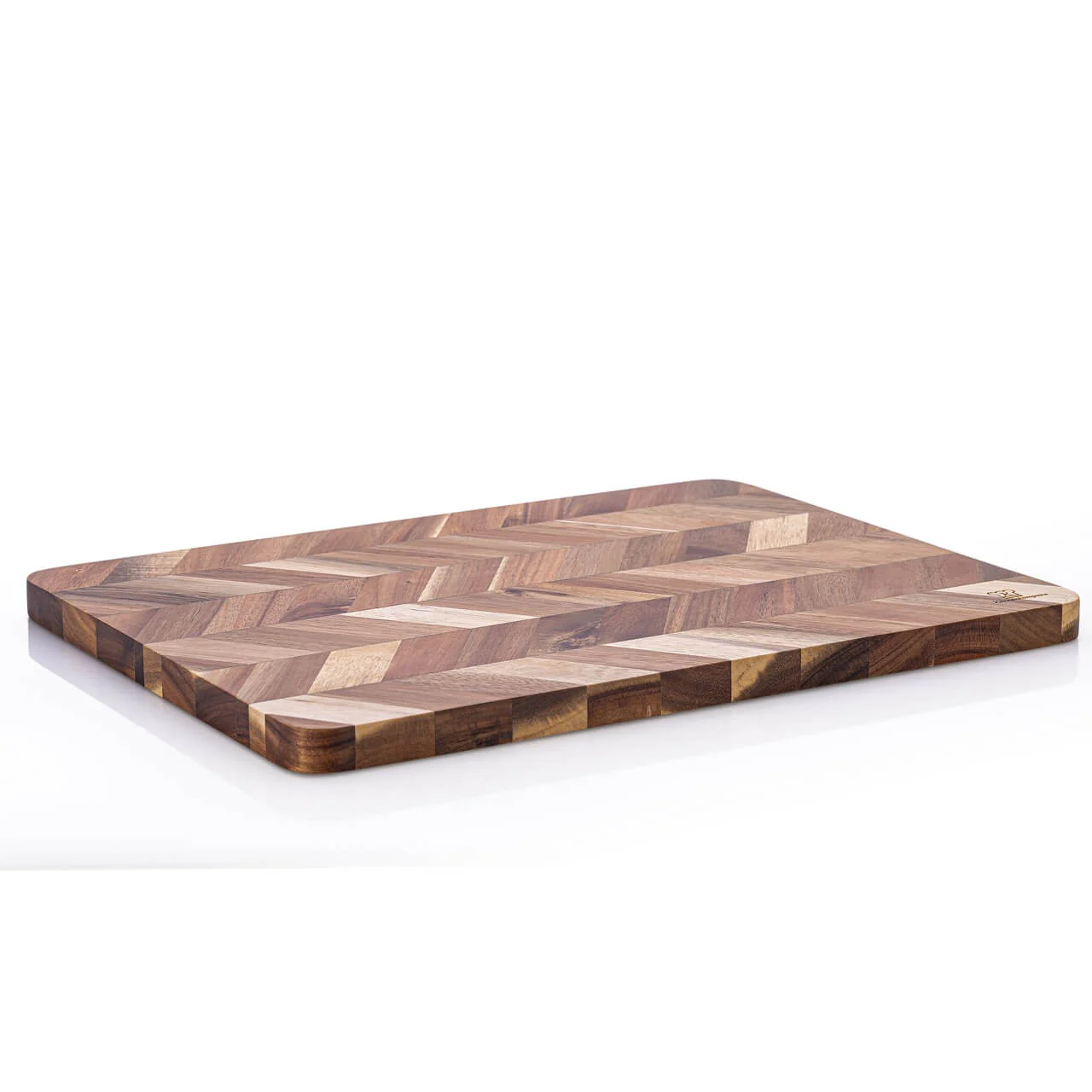

Nothing kills kitchen joy like a board that slides, warps, or chews up your blades. Chopping turns into chasing; edges roll fast; cleanup drags on. In this article, we’ll show you how to choose and use boards that keep your knife sharp, your counters safe, and your prep fast — using the Kuechenkompane Cutting Boards Collection as a practical, design-forward example that balances durability, hygiene, and everyday ease.
Shop Kuechenkompane Cutting Boards Collection
Why Your Cutting Board Matters More Than Your Knife (Yes, Really)
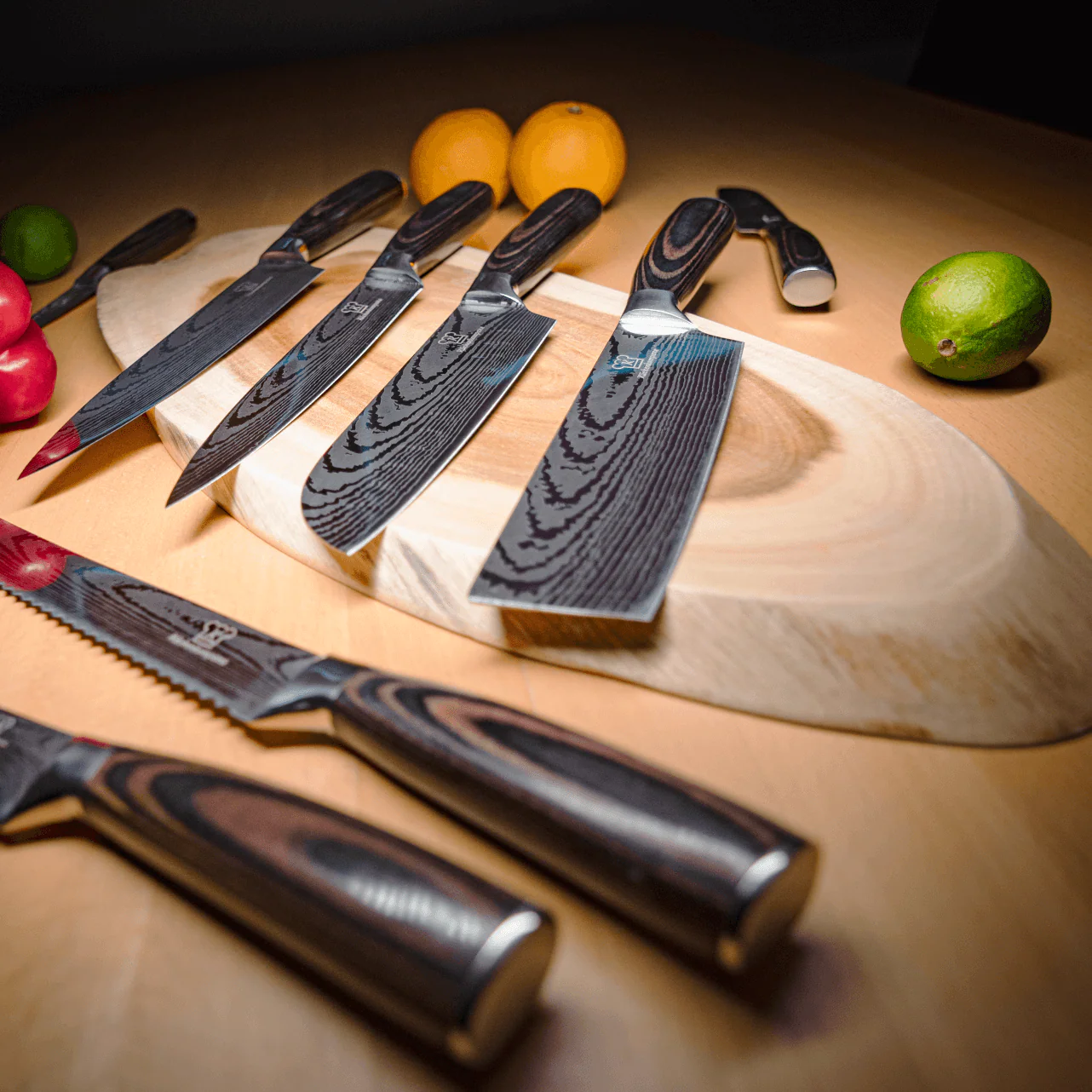
A premium chef’s knife on a bad board is like sports tires on ice. The surface hardness, grain orientation, and board stability decide how long your edge lasts and how confident your cuts feel. The Kuechenkompane Cutting Boards Collection focuses on those fundamentals: stable, knife-friendly wood selections; thoughtful thickness; smart edge profiles; and sizes that actually fit counters and sinks. Translation: straighter brunoise, safer rock chops, and edges that stay keen longer.
End-Grain vs. Edge-Grain: What’s the Real Difference?
Wood boards fall into two camps:
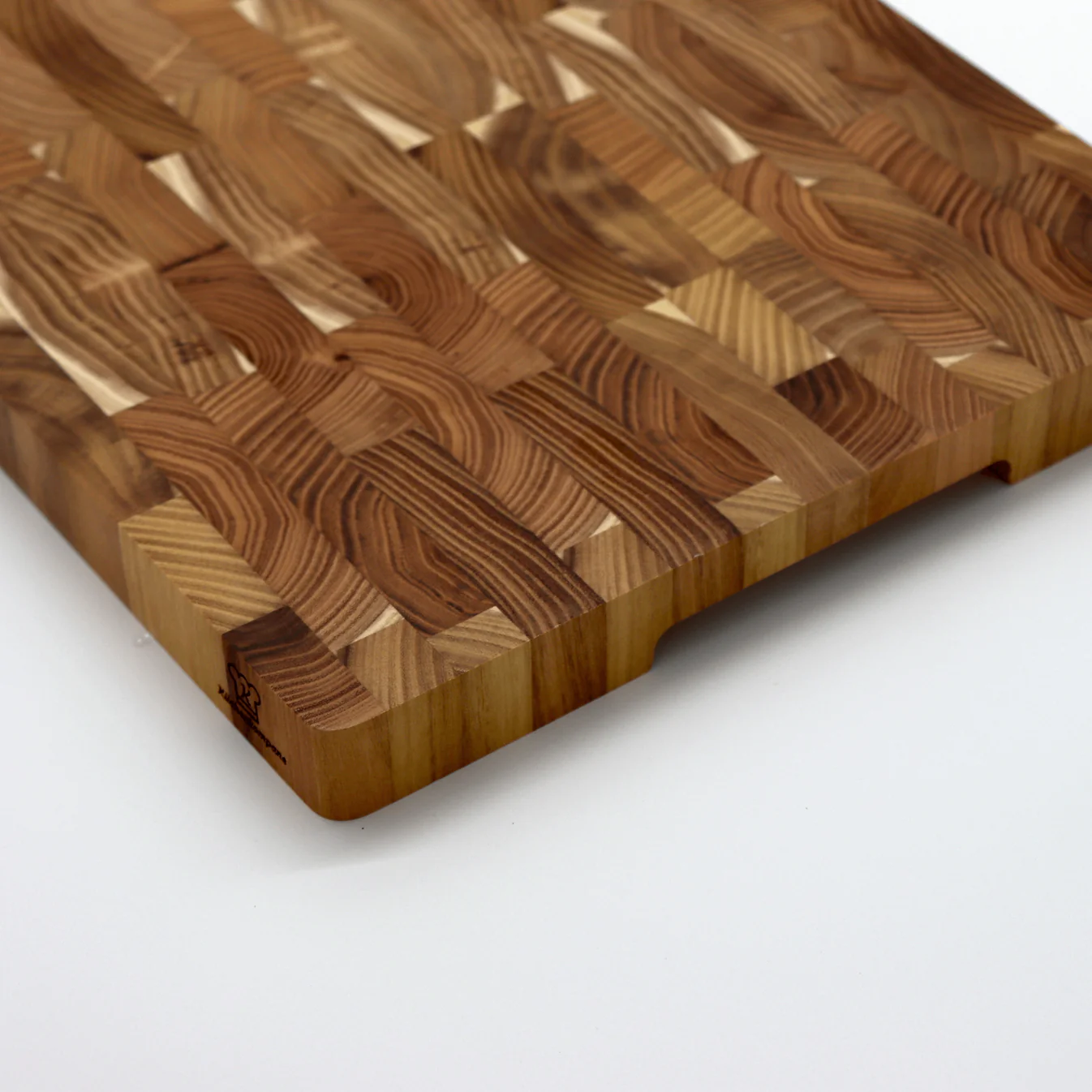
- End-grain: The wood fibers stand upright like a brush. When your knife lands, the fibers “self-heal” around the cut, which preserves edge life and hides marks. End-grain excels for heavy prep (root veg, proteins) and daily use.
- Edge-grain: The fibers run along the length, creating a firm, smooth surface that’s lighter and usually thinner than end-grain. Edge-grain shines for all-purpose slicing, fruits, herbs, and smaller kitchens.
The Kuechenkompane Cutting Boards Collection offers both approaches so you can match the board to your style: a compact edge-grain for weeknights and a larger end-grain “workhorse” for batch cooking or weekend projects.
Shop Kuechenkompane Cutting Boards Collection
Size and Thickness: Find the Sweet Spot for Your Countertop
Boards that are too small push food onto the floor; boards that are too big hog your workspace. A great everyday size is roughly 30 × 40 cm (give or take), large enough for a full onion, proteins, and a parking zone for prepped veg. For thickness, 2–3 cm edge-grain is easy to move and wash; 4–5 cm end-grain anchors itself for heavy work. The Kuechenkompane Cutting Boards Collection covers both, including generous “feast day” formats that turn your island into a prep station.
Stability = Safety: How to Stop the Slip
A sliding board is a safety risk. Lay a damp kitchen towel or a thin silicone mat under any board; you’ll feel the instant grip. Many pieces in the Kuechenkompane Cutting Boards Collection add weight, feet, or beveled edges for handholds, dialing in stability without making cleaning harder. The result is a platform you trust, from chiffonade herbs to splitting squash.
Knife Care: Wood Wins Over Glass and Stone (Every Time)
Glass looks sleek; marble is photogenic. But both are edge killers. They don’t absorb impact, so your knife edge rolls fast. Food also slides on wet stone, which invites slips. Proper hardwood boards — like those in the Kuechenkompane Cutting Boards Collection — protect edges and give you the quiet, controlled feedback that makes prep almost meditative. You’ll sharpen less and enjoy cooking more.
Shop Kuechenkompane Cutting Boards Collection
Hygiene That’s Practical, Not Precious
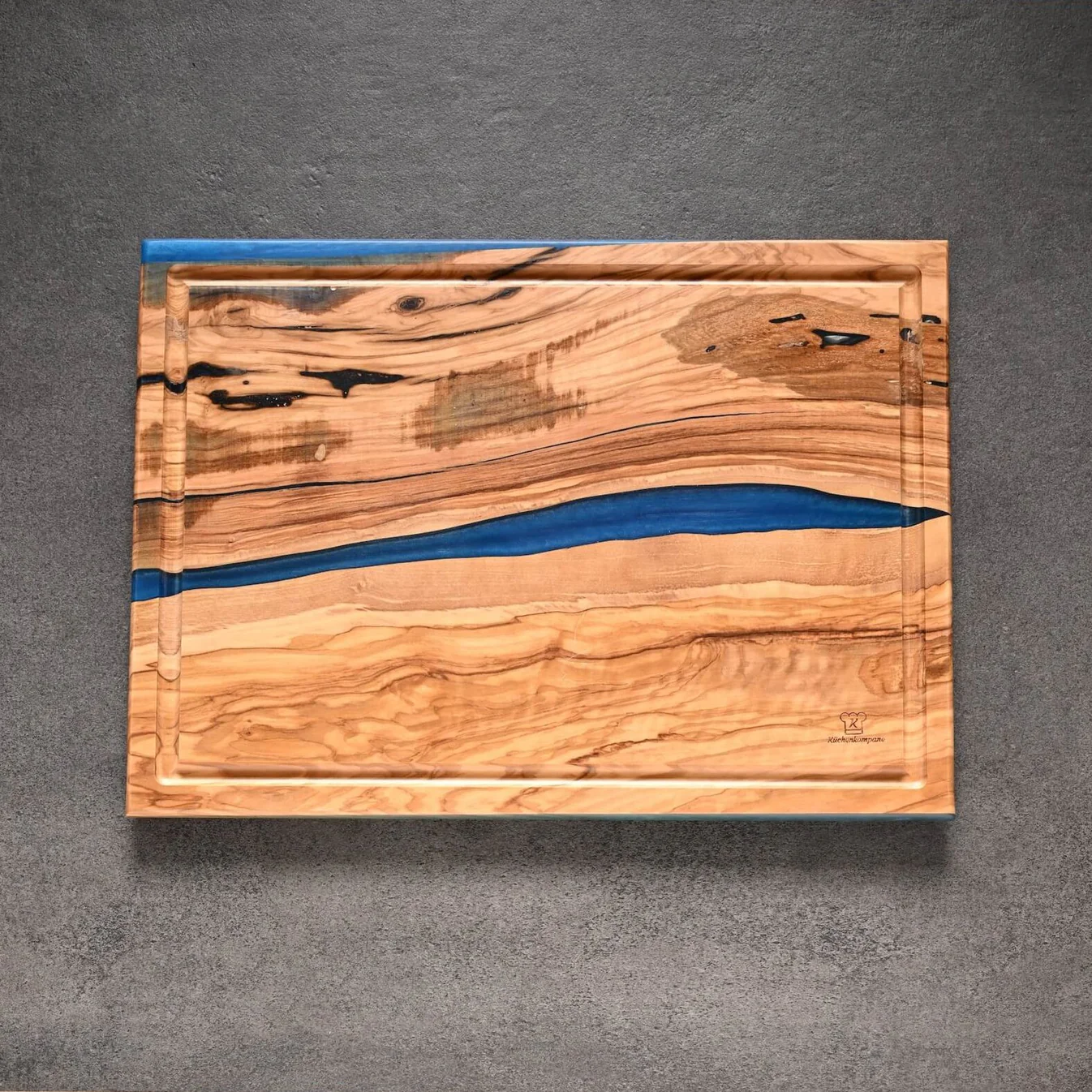
Wood has natural antimicrobial properties when you use and maintain it correctly. Follow a simple rhythm:
- Hot water + mild soap after each session.
- Scrape with a bench scraper to remove paste and pulp before washing.
- Stand upright to dry with airflow on both faces.
- Sanitize occasionally with a 1:4 vinegar solution or a sprinkle of coarse salt + lemon rub.
- Oil with food-grade mineral oil; seal with a board balm (oil + beeswax) monthly or when the surface looks dry.
Boards in the Kuechenkompane Cutting Boards Collection are built to thrive under this routine — and it takes minutes.
One Board or Two? Build a Prep System That Flows
Cross-contamination is mostly a workflow issue. Run a simple 2-board system:
- Vegetable & fruit board: your pristine board for herbs, citrus, salads, and garnishes.
- Protein board: the workhorse for raw meat and fish; it gets a quick wash and sanitize before reuse.
If space is tight, flip a double-sided board mid-cook (veggies first, proteins second) and wash immediately after. The Kuechenkompane Cutting Boards Collection includes reversible designs that make this routine painless.
The Little Design Details That Make a Big Difference
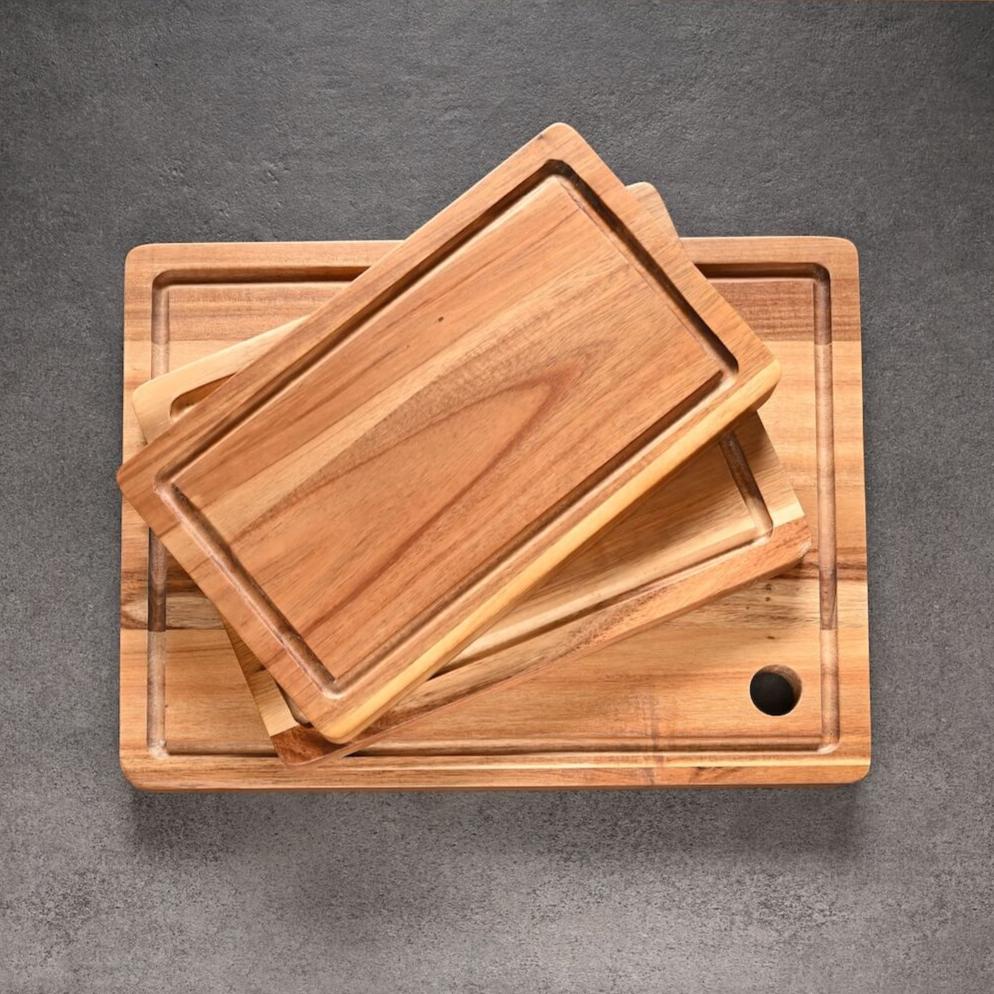
- Juice groove: Not mandatory, but very handy for carving and melons. Choose shallow grooves for easy cleaning; deep grooves if you carve roasts often.
- Chamfered or rounded edges: Friendlier on hands and sponges; less chance of chipped corners.
- Handholds / finger notches: Safer lifts; easier sink transfers.
- Feet vs. flat: Feet add grip and airflow; flats are fully reversible. Pick the style that matches your cleaning habit.
The Kuechenkompane Cutting Boards Collection pays attention to these micro-ergonomics so the board helps rather than fights you.
Shop Kuechenkompane Cutting Boards Collection
How to Season a New Board (and Rescue an Old One)
New board:
- Warm a little mineral oil and apply in thin coats across both faces and edges until the surface looks evenly nourished.
- Wipe off excess, stand to dry overnight, then buff with a wax balm.
- Repeat weekly for the first month; then monthly or as needed.
Tired board:
- Scrape, wash, and dry thoroughly.
- Sprinkle coarse salt; rub with half a lemon to lift odors and stains.
- Let dry, then oil/wax. Deep knife scars? A quick sand with 220-grit followed by oil brings the surface back.
Boards in the Kuechenkompane Cutting Boards Collection respond beautifully to this TLC, turning patina into pride rather than damage.
Everyday Prep, Upgraded: Real Scenarios
- Weeknight stir-fry: Park your 30 × 40 edge-grain on a towel; dice aromatics on the left, veg on the right, small bowl for scraps up top. No panics, no spills.
- Sunday roast: Switch to a thicker end-grain with a groove; carve without flooding the counter, and slide slices straight to a platter.
- Baking day: Use the smooth face for shaping dough; wood’s moderate texture grabs just enough flour for control without sticking.
- BBQ on the patio: Bring the “outdoor” board — heavy end-grain or a reversible slab — so your grill station feels like a real chef’s pass.
Eco Mindset: Buy Once, Use for Years
A great board outlasts fashion cycles and encourages you to cook more often. Hardwood is renewable when sourced responsibly; proper care reduces replacements and waste. The Kuechenkompane Cutting Boards Collection embraces that “buy better, buy less” logic with durable builds you can maintain at home — no special tools, no drama.
Quick Don’ts (So Your Board Stays Beautiful)
- Don’t soak or put in a dishwasher — swelling and splitting follow.
- Don’t use olive oil for seasoning — it can go rancid. Stick to mineral oil or dedicated board cream.
- Don’t leave one face wet — drying unevenly can warp boards.
- Don’t cut directly with serrated bread knives on the show face — flip to preserve the prettier side.
Follow these and your board from the Kuechenkompane Cutting Boards Collection will age like a vintage table, not a chopping block at a fairground.
Styling Your Kitchen: Form Meets Function
A handsome board can live on the counter as a design piece. Lean a larger board against the backsplash to frame your workspace; pair a smaller board vertically for a layered look. Wood grain softens steel appliances and stone counters. The Kuechenkompane Cutting Boards Collection offers tones and patterns that complement light Scandi kitchens, moody concrete lofts, and classic white subway-tile spaces alike.
The Joy of Sharp
When a board meets you halfway — steady under the blade, gentle on the edge — cooking gets fun again. Your knife sings through herbs instead of bruising them. Tomato slices stay intact. You stop chasing garlic across the counter. That’s the promise of the Kuechenkompane Cutting Boards Collection: less friction, more flavor, and a prep routine that feels like flow.
Conclusion
Your cutting board is the most-used “appliance” in the kitchen, even if it doesn’t plug in. Choose the right size and grain, stabilize it properly, clean and nourish it simply, and you’ll unlock sharper knives, faster prep, and calmer cooks. The Kuechenkompane Cutting Boards Collection makes those choices easy with thoughtful designs, durable builds, and finishes that look at home on any counter. Invest once, maintain lightly, and let your board elevate every meal from mise en place to the last slice.
Shop Kuechenkompane Cutting Boards Collection
FAQ
- End-grain or edge-grain — which should I buy first?
If you prep daily and want max edge life, start with end-grain. If you have a small kitchen or want a lighter, easy-to-wash board, edge-grain makes a great first choice. Many cooks keep one of each. - How often should I oil the board?
Weekly for the first month, then monthly or when the surface looks dry. Use food-grade mineral oil and finish with a wax balm for water resistance. - Are wood boards hygienic enough for raw meat?
Yes — with proper cleaning: scrape, hot water + mild soap, sanitize (vinegar solution), and dry upright. Or dedicate one side/board to proteins. - What size fits most kitchens?
Around 30 × 40 cm suits most counters and sinks. Go bigger if you carve often or batch prep; go smaller if storage is tight. - Can I use both sides?
On flat boards without feet — absolutely. Consider herbs/fruit on one side and proteins on the other to simplify hygiene. If your board has feet, it’s single-sided by design. - Why is my board warping slightly?
Usually uneven moisture. Wash both faces, dry upright with airflow, and oil both sides. A light, even re-oiling often brings it back. - Will a juice groove make cleaning harder?
A shallow groove cleans quickly with a brush. It’s optional but useful for roasts, melons, and anything juicy. - What woods are most knife-friendly?
Medium-hard hardwoods (like many used in the Kuechenkompane Cutting Boards Collection) balance durability with edge kindness. Avoid very hard exotics and, of course, glass/stone. - How do I remove odors like onion or garlic?
Sprinkle coarse salt, rub with half a lemon, rest five minutes, rinse, dry, and oil. The smell lifts, and the surface looks refreshed.