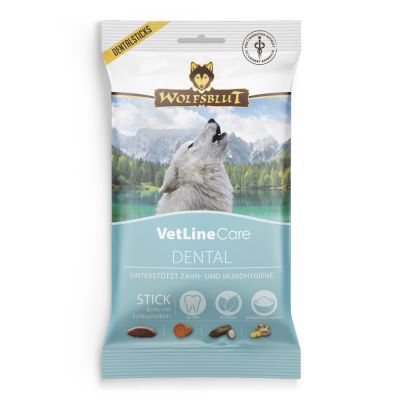

Dog snacks should be more than “tasty fillers.” WOLFSBLUT Natural Dog Snacks are made with a species-appropriate mindset—high-quality meats, often single-protein options, and recipes that skip unnecessary grains and fillers. Whether your dog has a sensitive stomach, needs small training bites, or thrives on robust chews, choosing smarter treats can improve focus, support digestion, and make reward time part of a healthier routine.
Shop WOLFSBLUT Natural Dog Snacks
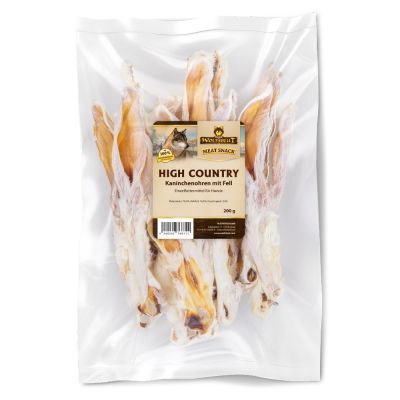
Why Natural, Species-Appropriate Snacks Matter
Dogs are opportunistic carnivores with digestive systems evolved for animal proteins and functional plant ingredients—not syrupy coatings or starchy bulking agents. When you pick treats aligned with that biology, you get:
- Better digestibility: Fewer “mystery” fillers means fewer tummy upsets.
- Clearer ingredients: Single-protein recipes simplify elimination trials for sensitive dogs.
- Steadier energy & focus: Protein-forward treats help during training sessions.
- Real nutrition: When treats contribute micronutrients (omega fatty acids, trace minerals), you’re not just feeding “empty calories.”
The WOLFSBLUT Snack Range at a Glance
1) Training Bites (Small, Soft, High-Reward)
Perfect for rapid-fire reinforcement in obedience, recall, and shaping new behaviors.
- Key traits: Small size, non-greasy pocket feel, strong aroma to keep attention.
- Who it suits: Puppies learning basics, adult dogs in class, reactive dogs practicing calm behaviors.
- How to use: One treat per rep, fast delivery. Keep each piece tiny to avoid overfeeding during long sessions.
2) Jerky Strips & Meat Bars (Chewy, Protein-Dense)
More substantial than training bites—excellent for “medium-value” rewards or quiet enrichment.
- Key traits: High meat content, longer chew time without being a hard bone.
- Who it suits: Adult dogs that benefit from a minute of settled chewing between drills.
- How to use: Break into smaller pieces or deliver as a single chew to reset arousal during practice.
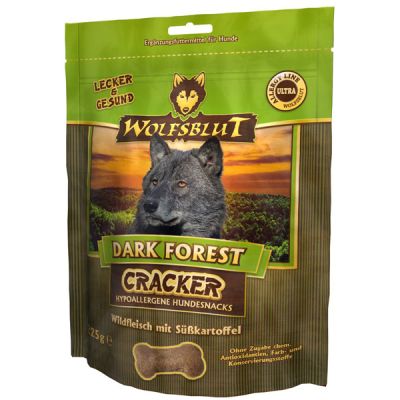
3) Crunchy Bites & Cookies (Crisp Texture, Simple Formulas)
Grain-free or low-grain options that add satisfying crunch without junk fillers.
- Key traits: Clean ingredient lists, shelf-stable, easy to portion.
- Who it suits: Dogs who like texture variety; guardians who want a tidy, non-smearing option for bags and pockets.
- How to use: Great for casual rewards on walks or as a “good night” snack.
4) Functional Chews (Longer Chew, Added Benefits)
Air-dried or gently processed chews that support natural chewing behavior and may include functional ingredients.
- Key traits: Longer-lasting engagement, may help dental cleanliness through mechanical action.
- Who it suits: Strong chewers, dogs that need a calm activity post-walk.
- How to use: Supervise, size-appropriate selection (see sizing below), and keep fresh water available.
Shop WOLFSBLUT Natural Dog Snacks
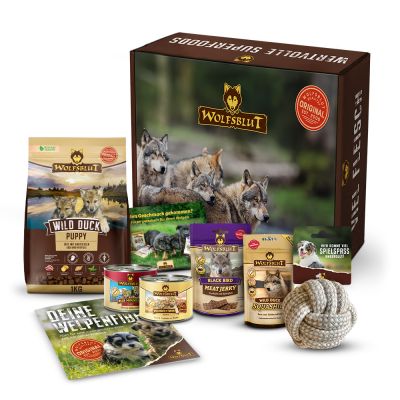
Picking the Right Protein (and Why It Matters)
Single-protein recipes make life easier if your dog has sensitivities. Consider:
- Chicken/Turkey: Lean, familiar proteins; great for puppies and general training.
- Beef/Lamb: Richer taste for picky eaters; check portion sizes for calorie control.
- Fish (Salmon, Whitefish): Naturally rich in omega-3s; supports skin and coat, often well-tolerated by sensitive dogs.
- Novel Proteins (e.g., venison, duck): Useful during elimination diets when common proteins trigger symptoms.
If you’re trialing sensitivities, keep all treats within the plan—one “off-plan” biscuit can reset the clock.
Grain-Free vs. Low-Grain: Which Is Right for Your Dog?
WOLFSBLUT emphasizes grain-free options, which can be helpful for dogs that don’t tolerate wheat or corn well. If your dog does fine with grains and you prefer them, focus on quality (e.g., rice or oats in sensible amounts) rather than blanket avoidance. The real red flags are vague terms like “meat by-products,” artificial flavors, and excessive sugar.
Training Workflow: Treat Tactics That Get Results
- Value ladder: Keep two treat values in your pouch—high-value (fish or meat-heavy bite) for hard tasks/distracting scenes; mid-value for routine cues.
- Calorie strategy: For long sessions, use pea-sized pieces (or smaller). Aim for treats that are ~2–5 kcal each for medium dogs.
- Timing: Deliver within 1–2 seconds of the behavior you’re marking—clarity beats quantity.
- Breaks & resets: Use a chewy bar between drills to lower arousal and reset attention.
Portion Guidance by Dog Size
Treats add up fast. As a general framework (always adjust to your dog’s body condition and daily calorie target):
- Small dogs (≤10 kg): ~5–10% of daily calories from treats; micro-bites for training.
- Medium (10–25 kg): ~5–10%; mix training bites with a few crunchy or jerky pieces.
- Large (25–40 kg): ~5–10%; size up chews but keep training bites small.
- Giant (40+ kg): Up to ~10% on heavy training days; favor protein-forward snacks to maintain lean mass.
If you’re doing intensive training, reduce meal portions slightly to keep total calories balanced.
Shop WOLFSBLUT Natural Dog Snacks
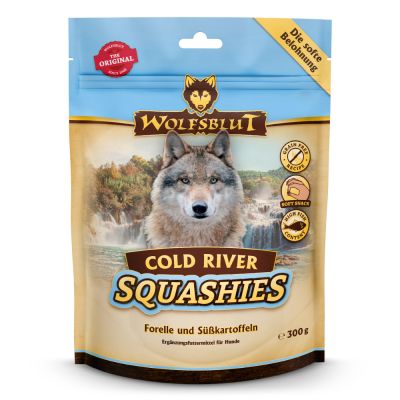
Safety & Sizing: Chews Done Right
- Match size: A chew should be large enough that your dog can’t swallow it whole. When it reduces to a gulpable nub, trade for another treat and remove the piece.
- Monitor: Always supervise with chews, especially new textures.
- Hydration: Chewing increases thirst; keep a bowl nearby.
- Dental check: If your dog has worn or cracked teeth, choose softer jerky or training bites instead of harder chews.
Puppies, Seniors, and Sensitive Tummies
- Puppies: Opt for soft training bites; portion carefully. Avoid very hard chews while adult teeth are erupting.
- Seniors: Softer textures are kinder to older teeth and gums. Fish-based snacks can be especially enticing.
- Sensitive digestion: Start with single-protein, limited-ingredient options. Introduce one new snack at a time and observe for 48 hours.
Real-Life Use Cases
Recall Training in the Park
Use a high-aroma, soft bite. Cue “come,” mark the behavior when your dog turns to you, and deliver 2–3 rapid treats plus praise. Keep the session short and upbeat.
Vet-Visit Confidence
Bring extra-high-value snacks (fish or meat bars broken small). Reward calm on the scale, at the exam table, after each handled body part. Pairing exam steps with treats builds positive associations.
Crate Chill Time
After a walk, offer a longer chew. It turns the crate into a “bonus zone,” not a timeout—and buys you a focused work block.
Grooming & Nail Care
Micro-treats for each clip, comb pass, and ear check. Short, frequent sessions beat marathon grooming days.
Reading Labels Like a Pro
Look for:
- Named proteins first: e.g., “salmon,” “lamb,” “venison.”
- Short ingredient lists: Meat + functional ingredients you recognize.
- No unnecessary sugar or artificial flavors: Dogs don’t need syrup to enjoy treats.
- Clear analytical constituents: Protein, fat, fiber, moisture give you a sense of density and portioning.
If you can’t pronounce the first five ingredients, keep scrolling.
Storage & Freshness
- Seal it: Reseal pouches or store in airtight containers to keep aroma and texture.
- Cool, dry place: Heat and humidity reduce shelf life and palatability.
- Rotation: Open one bag at a time for training bites to keep them soft and fragrant.
Sustainable Treat Habits
Buy what you’ll use within a few weeks, choose high-meat recipes so you feed less volume for more reward power, and leverage multi-purpose snacks (training + calming chew) to avoid half-used bags. Planning your treat “ladder” reduces waste—and helps your dog succeed.
Conclusion
Treats should do more than excite your dog for ten seconds. WOLFSBLUT Natural Dog Snacks bring together species-appropriate ingredients, clear protein choices, and textures for every moment—from rapid-fire training to peaceful chew time. Choose a single protein your dog thrives on, stock two reward values in your pouch, and size chews for safety. With thoughtful selection and smart portioning, treat time becomes a daily health and training win—tail wags guaranteed.
Build your treat toolkit today: training bites, a chewy reset, and a crunchy option your dog loves.
Shop WOLFSBLUT Natural Dog Snacks
FAQ
- Are WOLFSBLUT snacks suitable for dogs with sensitivities?
Yes—look for single-protein, grain-free options to simplify elimination trials and reduce common triggers. - Which treats are best for training?
Small, soft, aromatic bites you can deliver quickly without crumbling. Keep pieces pea-sized or smaller. - How many treats can my dog have daily?
Aim for treats to be ~5–10% of daily calories. On heavy training days, slightly reduce meal portions to balance intake. - Do I need to supervise my dog with chews?
Always. Choose size-appropriate chews, provide water, and remove swallowable nubs. - Are fish-based treats good for skin and coat?
Often, yes—fish naturally provides omega-3 fatty acids that support skin and coat health. - Can puppies have WOLFSBLUT snacks?
Choose soft training bites and avoid very hard chews during teething. Portion conservatively and introduce one new treat at a time. - What if my dog is picky?
Try higher-aroma proteins like lamb or fish, and test different textures: soft bites vs. jerky vs. crunchy. - How should I store opened bags?
Keep them sealed in a cool, dry place or transfer to airtight containers to maintain freshness and aroma. - Do grain-free snacks suit all dogs?
Many dogs do well on grain-free formulas. If your dog tolerates grains, low-grain options with clear ingredients can also be appropriate—quality matters most.