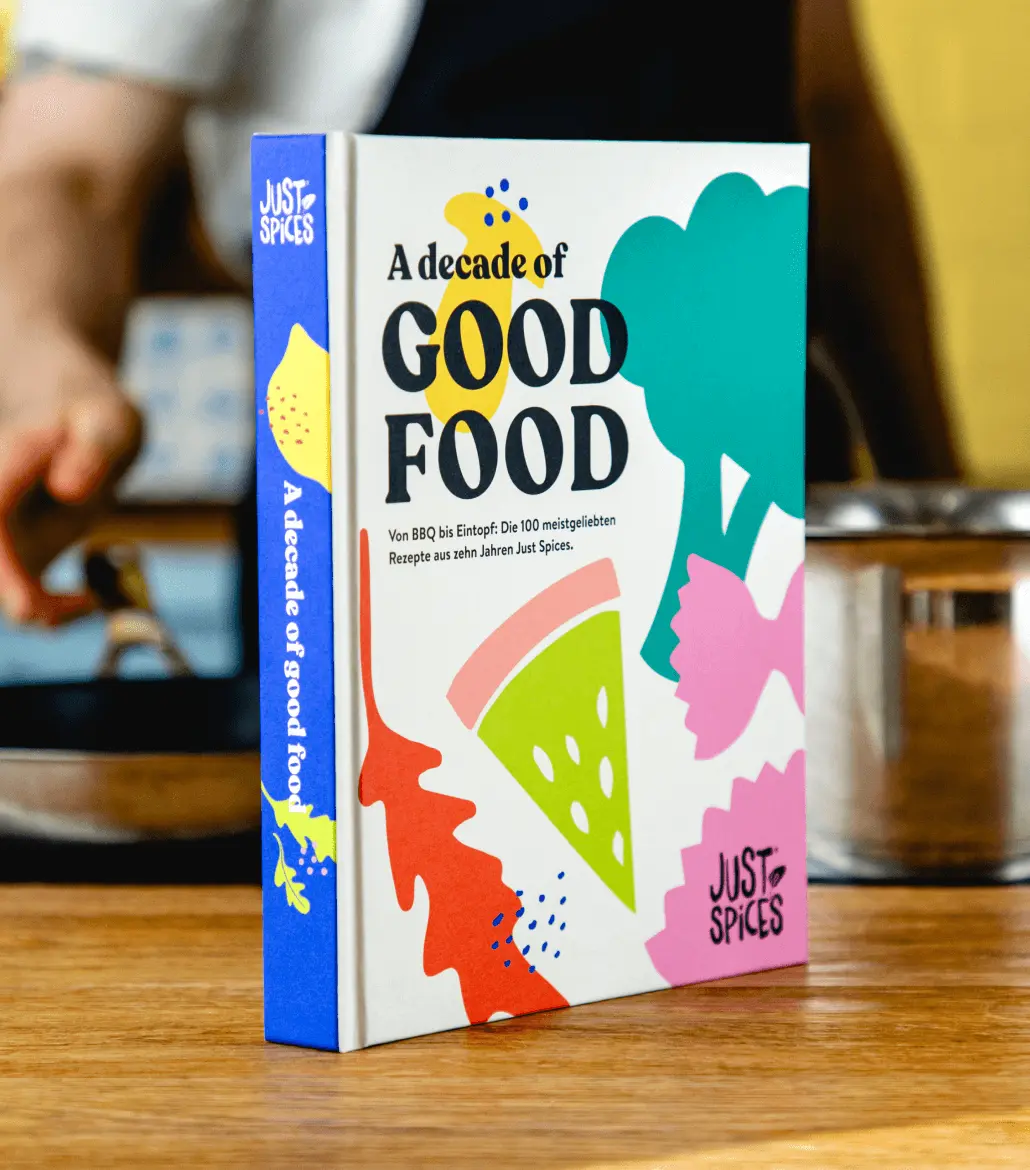

If you’ve ever stared at a chicken breast like it owed you money, this is your plot twist. The Just Spices Cookbook: A Decade of Good Food is built around one idea: flavor first, fuss never. Instead of chasing obscure ingredients, it teaches you how to use spices and smart techniques to turn everyday staples into “wait, you made that?” meals. Whether you’re a beginner who wants reliable wins or a confident home cook needing new riffs, this book gives you guardrails, not handcuffs—so you cook more often and enjoy it more.
Shop Just Spices Cookbook: A Decade of Good Food
What Makes This Cookbook Different
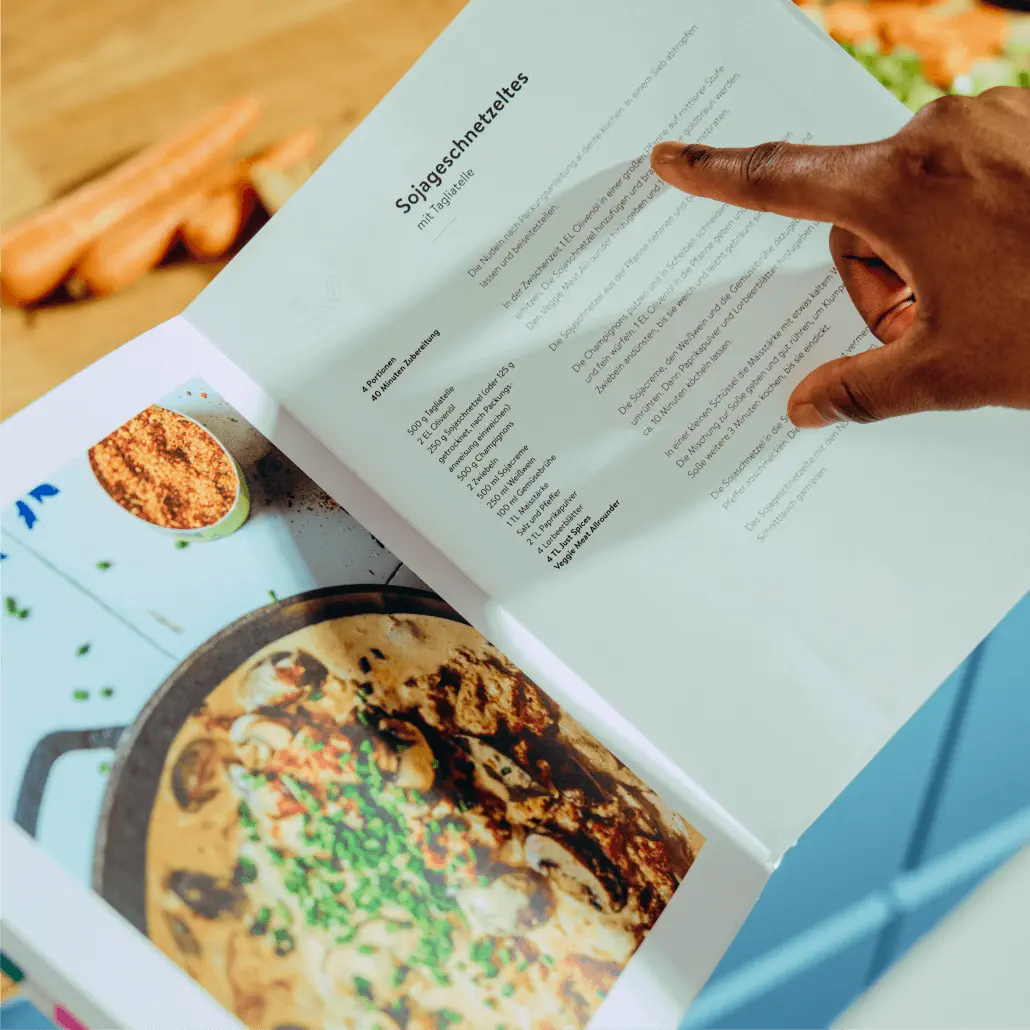
Most books list ingredients and hope for the best. This one shows you how and why flavor happens, then lets you remix with confidence.
- Spice-forward structure: Recipes highlight the seasoning first, then the base—so you learn principles you can apply to any protein or veg.
- Weeknight speed: Clear timings, minimal equipment, and tray-pan/one-pot options mean dinner shows up on time.
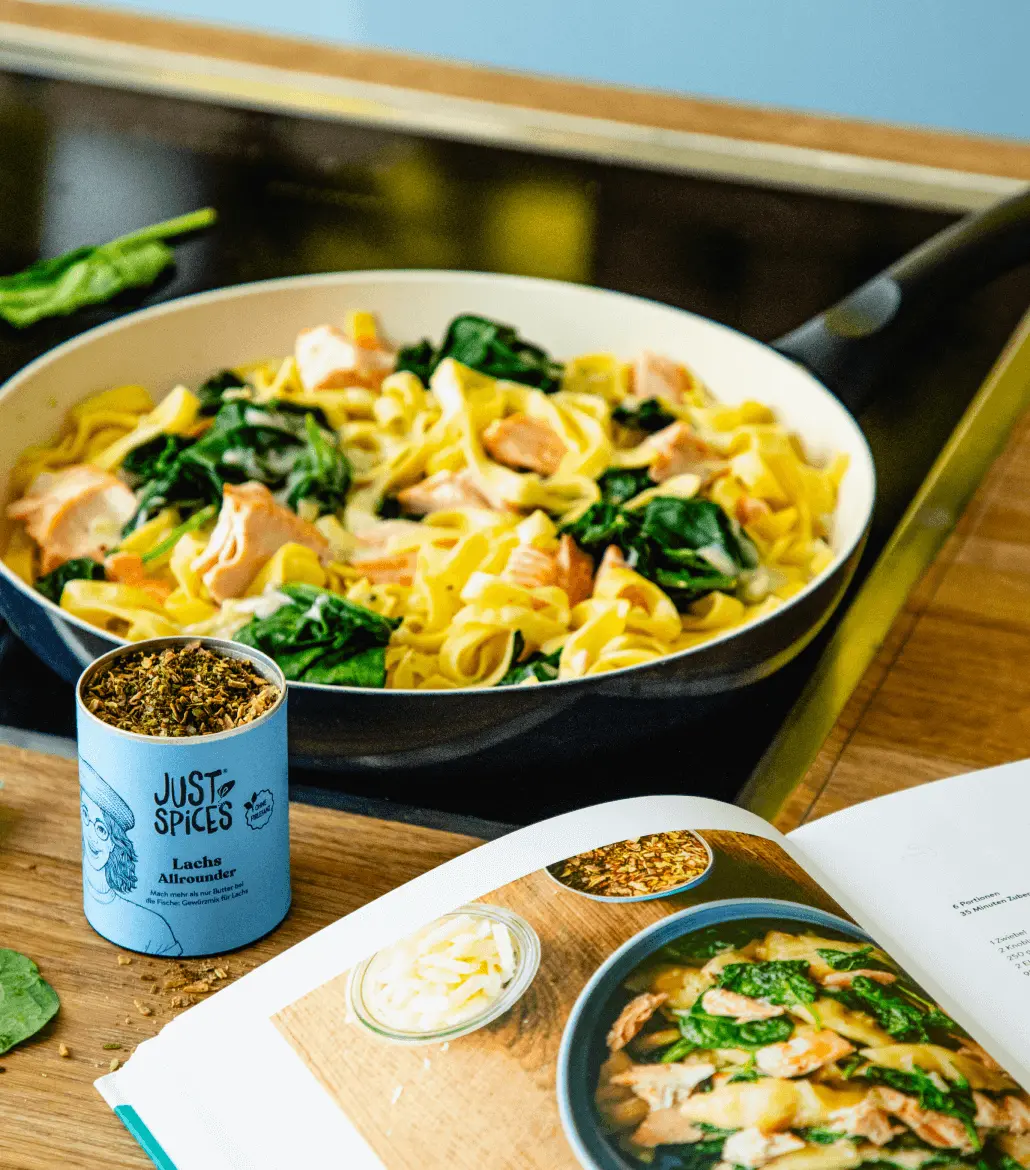
- Flexible swaps: Dairy-free? No problem. Out of salmon? Use chicken thighs. The book’s substitution notes are baked in, not afterthoughts.
- Cook once, win twice: Meal-prep callouts and “next-day flips” help leftovers become new meals, not reruns.
Inside the Book: A Quick Tour
- Spice Playbook: A crash course in toasting, blooming, and layering aromatics. You’ll learn when to add spices for perfume vs. punch.
- Speedy Suppers: 20–30 minute mains with sheet-pan, skillet, and air-fryer paths where it makes sense.
- Big-Batch Basics: Foundations like roasted veg mixes, pulled proteins, and grain pots designed to stretch across the week.
- Bowls, Wraps, and Salads: Texture-forward formulas with crunch + sauce + heat + freshness.
- Company Dinners: Two-hour showpieces that still read “effortless.”
- Sauces & Sides: Flavor accelerators—yogurt drizzles, zesty salsas, quick pickles—to make simple mains pop.
- Sweet Finishes: Not-too-sweet bakes and no-fuss desserts with a spice twist.
The Flavor Framework (So You Can Freestyle)
Think of each recipe as four building blocks:
- Base: protein, veg, or grains
- Spike: the featured spice blend (or a DIY mix)
- Cook method: roast, pan-sear, braise, grill, air-fry
- Finish: acid, fresh herbs, crunchy topping, or a creamy drizzle
Master that loop and you can swap in what your fridge actually has. That’s how cooking becomes a habit, not a chore.
Shop Just Spices Cookbook: A Decade of Good Food
Pantry Setup: Small Shelf, Huge Range
You don’t need twenty jars—just the right ones. The book’s starter list leans on heavy lifters:
- Cumin, coriander, smoked paprika, chili flakes for warmth and depth
- Turmeric, curry powder, garam masala for glow and complexity
- Cinnamon, cardamom for both sweet and savory lifts
- Garlic & onion powder for weeknight shortcuts
- Dried oregano, thyme for Mediterranean moments
- Sea salt & black pepper because fundamentals matter
Store spices away from heat and light, buy smaller amounts, and refresh quarterly. Flavor fades; you don’t have to.
Techniques That Change Everything
- Blooming: Heat spices briefly in oil or butter to wake up fat-soluble aromatics. Do this before liquids hit the pan.
- Toasting: Dry-toast whole spices until fragrant, then grind. Your kitchen will smell like you know things.
- Acid at the end: Lemon, vinegar, or a spoon of yogurt right before serving snaps flavors into focus.
- Contrast: Pair creamy with crunchy, hot with cool, spicy with sweet. Your palate loves a plot twist.
Weeknights, Solved: Three Zero-Drama Blueprints
1) Sheet-Pan Sumac Chicken + Chili Greens
Toss thighs with olive oil, sumac, garlic powder, salt. Roast with red onions. Finish with lemon and a yogurt-garlic drizzle. Throw chili flakes on blanched greens with olive oil. Dinner = done.
2) Smoky Paprika Shrimp Tacos
Sear shrimp with smoked paprika, cumin, and lime zest. Pile into warm tortillas with crisp slaw and a chipotle-sour cream swipe. Ten minutes, max flex.
3) Curry Pumpkin Lentil Soup
Bloom curry powder in oil, add onion/garlic, stir in red lentils and pumpkin purée, cover with stock. Simmer 15 minutes, finish with coconut milk and lime. Garnish with crispy onions and herbs.
Shop Just Spices Cookbook: A Decade of Good Food
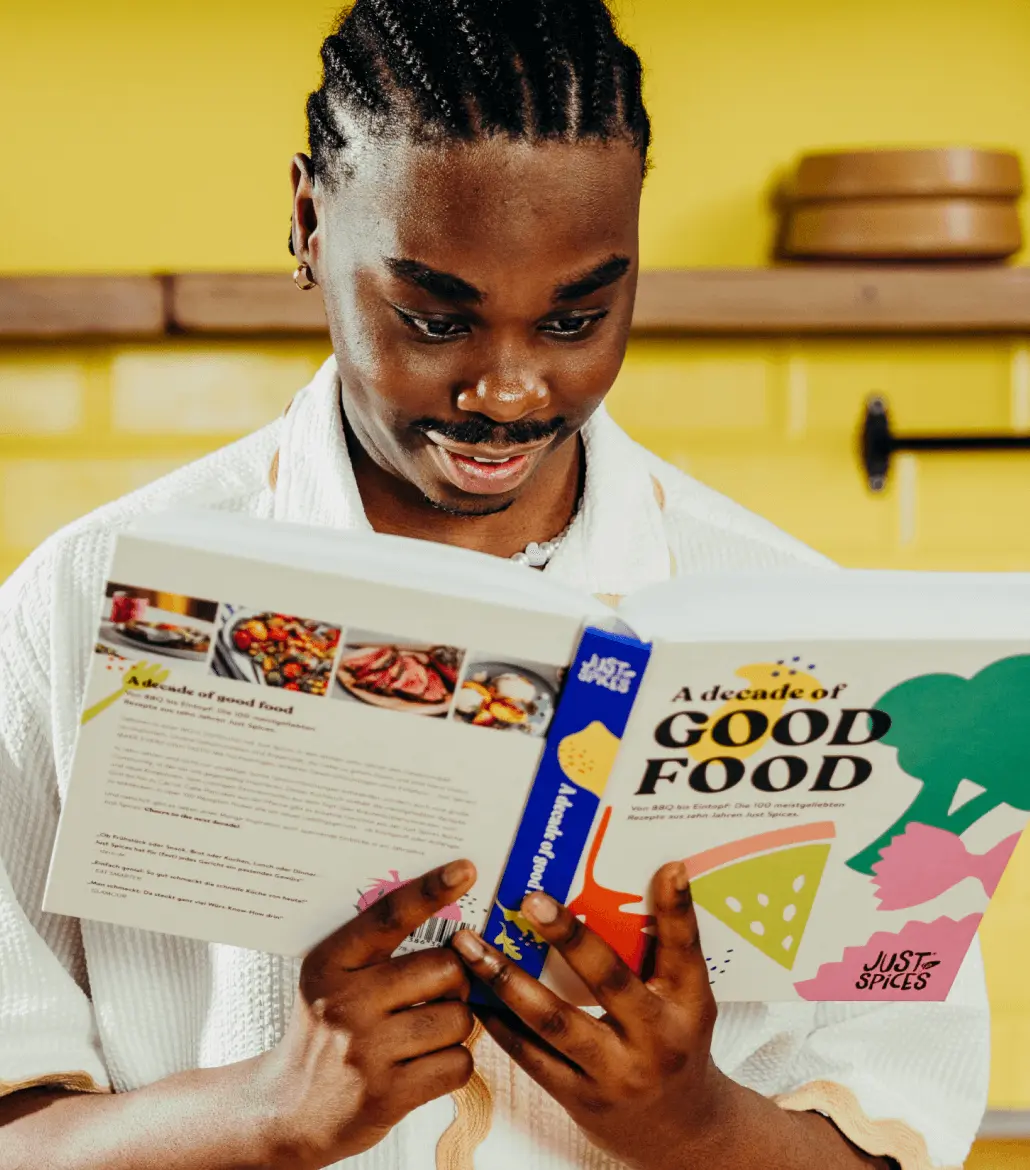
Meal Prep That Doesn’t Taste Like Sunday
Use the book’s “Cook Once → Many Meals” notes:
- Roast a double batch of spiced veg on Sunday; fold into grain bowls, omelets, and wraps all week.
- Poach chicken with bay and peppercorns; shred and toss with fresh spice oil before serving each night.
- Make a master sauce (e.g., harissa yogurt or herby chimichurri) to drag simple meals across the finish line.
Entertaining Without Panic
The “Company Dinners” chapter is engineered for sanity: mains that rest well, sides you can prep earlier, and sauces that wait patiently. Choose one centerpiece and two sides, then add a crunchy garnish and a bright sauce. Your table looks intentional; you look unflappable.
Cooking for Different Diets (Same Flavor, Different Base)
- Vegetarian/Vegan: Swap proteins for chickpeas, tofu, or mushrooms; use coconut milk or tahini for creaminess.
- Gluten-Free: Lean on rice, quinoa, and corn tortillas; check blends for hidden gluten.
- Dairy-Free: Sub plant yogurts or cashew cream; olive oil finishes instead of butter.
- High-Protein: Add eggs, beans, or Greek yogurt sauces; double the protein portion in bowl templates.
Smart Shopping, Real-Life Budget
The book nudges you toward versatile ingredients: a big bag of carrots, a head of cabbage, and a stack of pantry grains do more than boutique items. Buy spices in smaller amounts from stores with fast turnover. Waste goes down, flavor goes up.
Sustainability Without Preaching
Spice-led cooking helps you love what you already bought. It’s easier to finish produce when the seasoning makes it craveable. Batch-cook grains, turn scraps into stock, and treat leftovers like mise en place for tomorrow’s win.
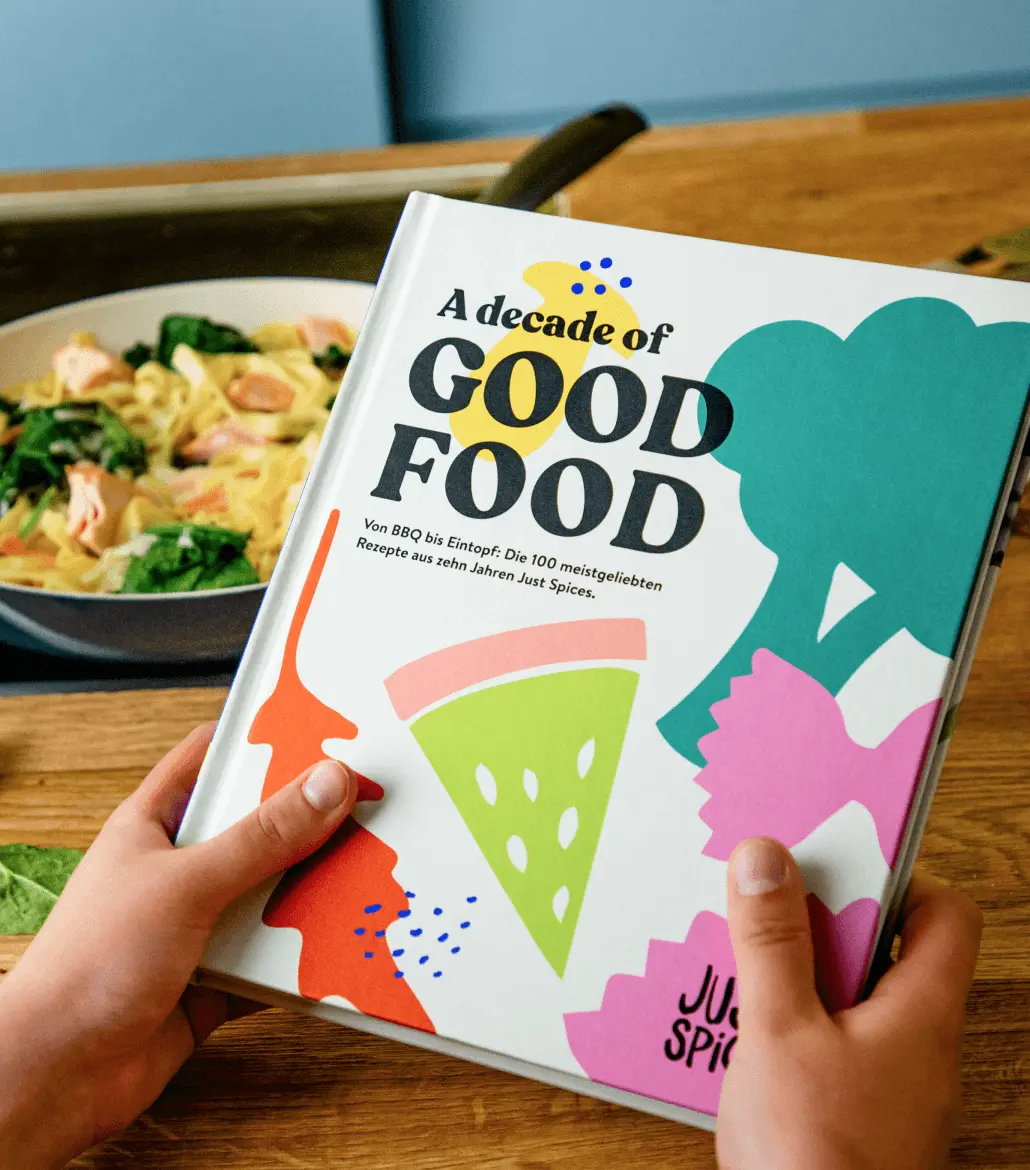
Troubleshooting: Why Did This Taste “Meh”?
- Under-salted: Salt in layers—pinch at bloom, taste after simmer, check again at the end.
- Flat flavor: Add acid now (lemon, vinegar) or a fresh herb.
- Too harsh: Simmer two minutes more to mellow the spice bloom; add a knob of butter or spoon of yogurt.
- One-note heat: Balance with sweetness (honey) or creaminess (coconut milk/yogurt).
Conclusion
The Just Spices Cookbook: A Decade of Good Food is a permission slip to cook more, not harder. With seasoning-first recipes, flexible swaps, and reliable timing, it turns “what’s for dinner?” into “I’ve got this.” Start with the pantry list, pick two weeknight blueprints to master, and add one sauce you love. That’s your flavor engine. The more you use it, the better your food—and your routine—gets.
Ready to upgrade dinner without upgrading your stress? Open the book, pick a spice, and cook something you’ll want to make again tomorrow.
Shop Just Spices Cookbook: A Decade of Good Food
FAQ
- What skill level is this cookbook for?
Beginner-friendly with enough depth for confident cooks. Techniques are explained and timings are realistic for busy nights. - Do I need specialty equipment?
No. A good knife, a sheet pan, a skillet, a pot, and a blender (optional) will carry most recipes. - How many ingredients do the recipes use?
Most stick to short, sensible lists with a spice-led flavor driver plus accessible staples. - Are there vegetarian or vegan options?
Yes. Many recipes are plant-based or offer swaps, with clear notes for dairy-free and vegan variations. - Can I cook these recipes on a budget?
Absolutely. The book leans on pantry items, seasonal veg, and affordable proteins, using spices to do the heavy lifting. - Will I actually use the spices again?
Yes—the Spice Playbook teaches core blends and multiple use-cases so jars don’t gather dust. - Is there guidance for meal prep?
Look for “Cook Once → Many Meals” notes, batch-cook foundations, and next-day flip ideas. - How long do the recipes take?
Weeknight mains often land in the 20–30 minute window; “Company Dinners” take longer but are designed for low stress. - Are nutritional notes included?
The focus is flavor and technique. Many recipes skew balanced, with options to go lighter or more indulgent via suggested swaps.