
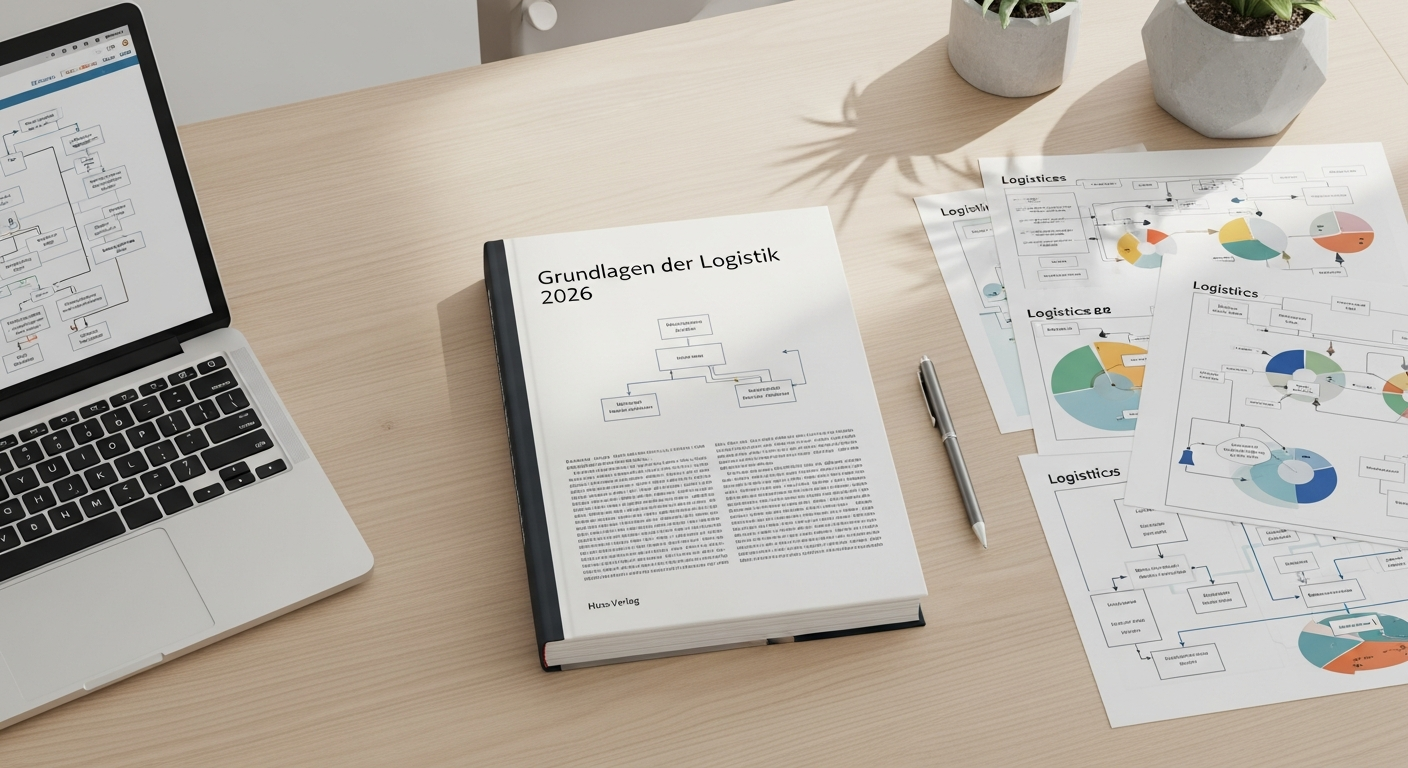

Over 73% of logistics professionals report feeling overwhelmed by traditional textbooks—too theoretical, too outdated, too disconnected from real-world practice. The gap between academia and the supply chain floor has never been wider. Yet a different approach exists: a standard work that translates concepts into tangible logistics reality rather than leaving them suspended in theory.
“Grundlagen der Logistik: Theorie und Praxis logistischer Systeme” from Huss-Verlag has become the compass that guides logistics professionals through this complex landscape. The 5th revised edition from 2022 merges the best of both worlds—rigorous academic foundation paired with practical application scenarios that actually work in the field. Whether you manage projects, lead supply chain teams, or work as a practitioner in the trenches, this book speaks your language.
Discover how this essential reference extends your professional expertise today.
Praxisnahe Lösungen für die Top-Herausforderungen der modernen Logistik
Modern logistics operates under unprecedented pressure. Environmental regulations tighten, customer expectations accelerate, and technology disrupts established processes. The professionals managing these systems need more than theoretical knowledge—they need actionable strategies grounded in current reality.
Nachhaltigkeit und Green Logistics
Environmental responsibility is no longer optional in logistics operations. This book guides you through genuine methods to restructure logistical processes that reduce environmental impact while simultaneously cutting operational costs. You learn how sustainability becomes a competitive advantage rather than a compliance burden. Real-world examples show which companies have implemented green logistics successfully and what measurable results they achieved.
Digitale Transformation in der Supply Chain
Technology integration terrifies some practitioners because they fear losing the fundamentals. The book addresses this directly: concrete strategies show you how to implement digital solutions without abandoning the core principles that make logistics work. From data systems to automation, you understand when technology adds value and when traditional methods remain superior.
Reverse Logistics und Kreislaufwirtschaft
E-commerce growth has made reverse logistics essential for business survival. The book provides practical models for handling product returns, managing circular economy principles, and turning logistics challenges into operational opportunities. You learn how leading companies structure their reverse logistics systems and why the logistics cycle doesn’t end with delivery.
Urbane Einzelhandelslogistik
Last-mile delivery and city logistics present specific constraints that differ fundamentally from traditional distribution. This section equips you with targeted solutions for congestion management, cost optimization in urban environments, and customer satisfaction within geographical limitations.
Qualitäts- und Risikomanagement
Supply chain disruption costs organizations billions annually. Understanding how to minimize downtime and secure your logistics network becomes strategic rather than operational. The book provides frameworks for identifying vulnerabilities before they create problems.
Für welche Berufsgruppen das Standardwerk den größten Nutzen bringt
Projektleiter und Supply Chain Manager
Complex logistics projects demand structured frameworks that prevent overlooking critical elements. You gain access to proven methodologies for managing scope, timeline, and resource constraints across multifaceted supply chain initiatives.
Logistik-Anfänger und Quereinsteiger
No prerequisite knowledge required. The book explains fundamental concepts clearly without condescension, making it genuinely accessible for career changers and new professionals entering the field.
Universitätsstudenten und Auszubildende
Current exam preparation matters. The 5th edition incorporates the latest industry developments, ensuring your study material reflects what you’ll actually encounter in professional practice.
Praktizierende Fachkräfte
Years of hands-on experience provide invaluable intuition, but industry moves quickly. This resource refreshes your knowledge base and introduces emerging trends that reshape logistics operations.
Führungskräfte und Entscheidungsträger
Strategic perspective on logistics futures and digital transformation requirements guides organizational decisions. You understand not just current operations but the trajectory of where the industry moves.
Was die 5. Auflage 2022 neu macht – Aktualität trifft Bewährtes
Überarbeitete Kapitel zu Digitalisierung
Artificial intelligence, automation, and blockchain applications in logistics systems receive thorough treatment. The authors explain not just what these technologies do, but how they integrate into existing logistical frameworks.
Erweiterte Abdeckung von Nachhaltigkeit
Green logistics isn’t relegated to a single chapter. It permeates the entire work as a core competency that intersects with every logistical function.
Supply Chain Controlling
New measurement methodologies help you quantify logistics performance accurately. Better metrics lead to better decisions and genuine performance improvement.
Humanitäre Logistik
This growing field addresses disaster response, humanitarian aid distribution, and crisis logistics—increasingly important but often overlooked in standard curricula.
Beiträge von Branchenexperten
Sebastian Trojahn, Ingo Dittrich, and Roland Frindik bring decades of accumulated expertise. Their contributions reflect genuine industry experience, not theoretical speculation.
Access the industry-standard reference that thousands of logistics professionals rely on.
Die Struktur dahinter – Wie das Buch Ihr Lernen optimiert
System-theoretische Grundlagen
Understanding logistical system architecture from foundational principles gives you mental models that apply across contexts. Rather than memorizing procedures, you comprehend why systems work as they do.
Spezialisierte Fachbereiche
Procurement, production, distribution—each domain receives thorough treatment. You understand how these interconnected areas function individually and how they integrate into comprehensive supply chains.
Logistik-Umfeld und Akteure
Supply chains involve countless participants with different objectives and constraints. The book maps these relationships, helping you understand stakeholder dynamics and decision-making contexts.
Zukunftsperspektiven
Concluding sections prepare you for emerging developments rather than leaving you anchored to current practice. You anticipate industry shifts rather than reacting after they occur.
Kompakte Präsentation
Comprehensive without unnecessary verbosity. The book respects your time by delivering substance efficiently.
Flexibles Lernen – Physisch, digital oder hybrid
Gedruckte Ausgabe (€98,44)
Physical books reward marking, note-taking, and offline study sessions. Some professionals retain information better through paper-based learning, and the tactile engagement can deepen understanding.
E-Book mit 365-Tage-Lizenz
Digital access on any device accommodates modern mobility. Study during commutes, reference materials instantly from your phone, and synchronize across platforms.
Hybrid-Ansatz
Combine both formats strategically. Reference complex diagrams in print while using digital search for quick fact verification.
Schneller Zugriff auf Inhalte
Digital search functionality saves hours when you need specific information. Traditional index navigation seems slow by comparison.
Kostenfaktor
Both options deliver exceptional value for serious professionals. The price point reflects the standard work’s market position while remaining accessible to individual practitioners.
Warum dieses Buch sich von anderen Logistik-Lehrbüchern unterscheidet
Anerkennung als Standardwerk
Industry consensus doesn’t emerge accidentally. This book earned its reputation through consistent quality, practical relevance, and continuous evolution with market demands.
Breite Zielgruppe
Most textbooks target either beginners or experts exclusively. This work accommodates both groups simultaneously, with entry points for all experience levels.
Aktuelle Inhalte
The 5th edition incorporates developments that simply didn’t exist when older references were published. Blockchain, AI applications, and modern supply chain control methods appear throughout.
Praktische Anwendbarkeit
Theory remains connected to reality. You don’t finish chapters wondering how these concepts apply to actual logistics operations.
Herausgeberqualität
Expert curation by recognized industry authorities ensures coherence and authority. Individual chapter contributions are integrated into a unified vision rather than scattered loosely.
Investition in Ihre Karriereentwicklung – ROI des Standardwerks
Schnellere Kompetenzentwicklung
Structured learning from authoritative sources accelerates knowledge acquisition compared to assembling understanding from scattered sources.
Bewerbungsrelevanz
Familiarity with the industry standard work distinguishes candidates in competitive hiring processes. Hiring managers recognize its significance.
Höhere Gehaltsperspektiven
Broader logistics expertise correlates with higher compensation. Employers pay premiums for professionals who understand the complete picture rather than specialized segments.
Netzwerk-Effekt
Shared reference points with other professionals who have engaged this work facilitate meaningful conversations and collaborative problem-solving.
Langfristige Relevanz
These materials remain valuable resources years after purchase. Reference content endures while temporary trends fade.
Das Fundament für logistische Exzellenz
“Grundlagen der Logistik” transcends a simple textbook—it functions as a navigational guide through the intricate landscape of contemporary supply chains. Whether you’re beginning your logistics journey or drawing from decades of experience, the 2022 5th edition provides the current knowledge your role demands. From green logistics and digital transformation through humanitarian logistics, every dimension receives comprehensive treatment. Flexibility between print and digital formats means you learn according to your actual daily rhythms rather than forcing yourself into predetermined structures.
At €98,44, you acquire far more than bound pages or digital files. You gain a trusted reference that accompanies your entire career trajectory. Hundreds of logistics professionals have already discovered this investment pays for itself repeatedly—through superior decision-making, faster problem resolution, and deeper understanding of tomorrow’s logistics landscape. Your competitors still relying on outdated resources operate at a genuine disadvantage.
The time to act is now. Secure your copy of the 5th edition today—whether as a physical book or flexible e-book license. Start your progression toward logistics expertise and differentiate yourself in a competitive professional environment.
Order your copy of Grundlagen der Logistik from Huss-Verlag now.