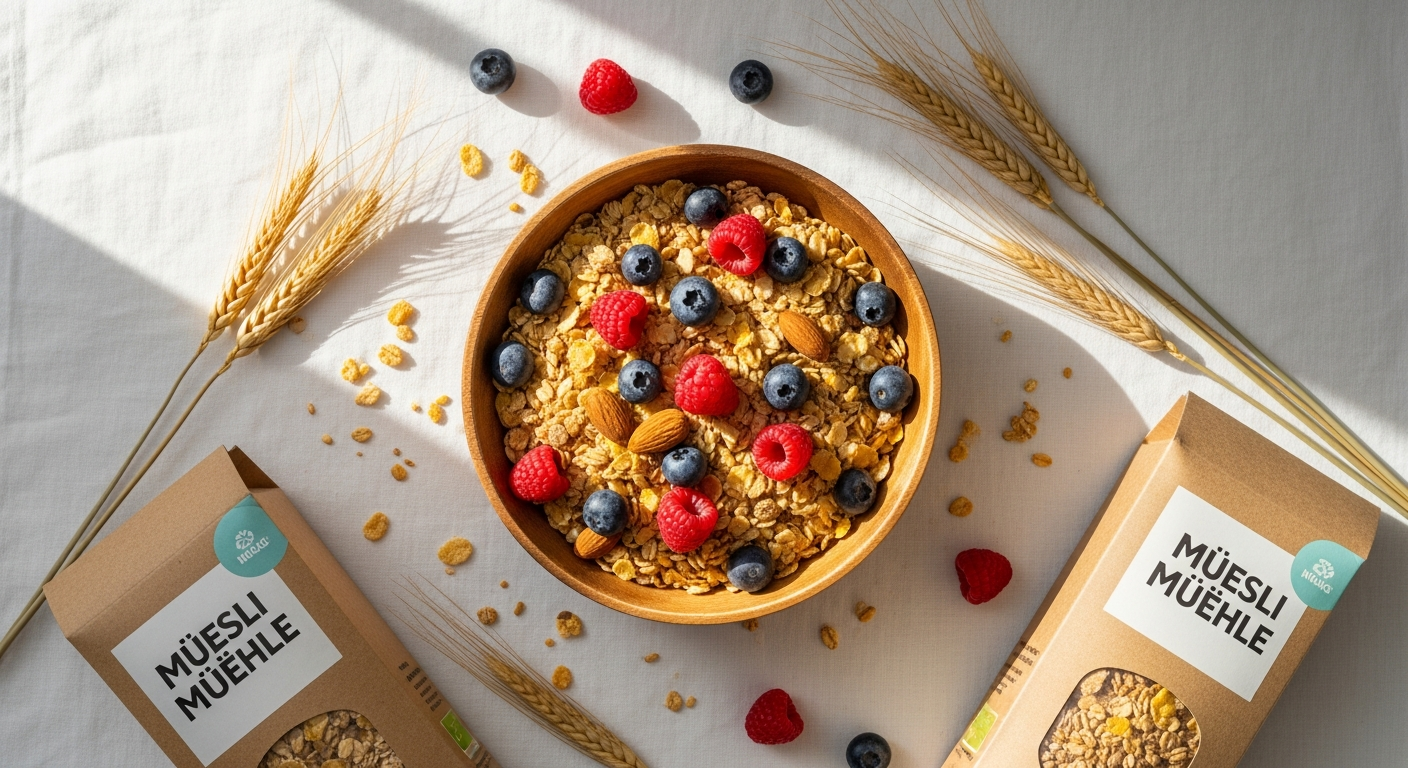

Over 70% of German consumers now prioritize organic breakfast options, yet most supermarket mueslis still contain hidden additives and refined sugars that undermine their nutritional value. The conventional breakfast aisle offers convenience at the expense of genuine nutrition—a trade-off that no longer needs to exist. Muesli Mühle has built its reputation on a radical idea: breakfast should be both nourishing and personalized.
Their 5-Korn Frucht Power BIO Müsli represents the pinnacle of this philosophy—a carefully curated blend of five organic grains paired with nutrient-dense dried fruits. This muesli earned its top-seller status through a combination of thoughtful formulation, uncompromising ingredient sourcing, and a commitment to sustainable practices that extends from farm to table.
Discover the 5-Korn Frucht Power BIO Müsli that’s transforming German breakfast tables.
The Five-Grain Foundation: Understanding the Nutritional Architecture
Grain Diversity and Fiber Content
Five different grains working in concert create a nutritional profile far superior to single-grain alternatives. This diversity ensures a broader spectrum of micronutrients, with each grain contributing distinct fiber types that support digestive health. The combination promotes a graduated energy release throughout the morning, preventing the blood sugar spikes and crashes associated with refined cereals.
Whole Grain Benefits
The distinction between refined and whole grains fundamentally shapes nutritional outcomes. Refined grains strip away the bran and germ—the very components that contain fiber, B vitamins, and essential minerals. Whole grains retain these nutrient-dense layers, delivering sustained satiety and stable energy. Muesli Mühle’s emphasis on whole grain composition reflects an understanding that true breakfast nutrition comes from working with food in its most complete form.
Likely Grain Composition
Based on the “5-Korn” designation, the blend likely includes oats as a foundational grain, supplemented by spelt, rye, barley, or wheat berries. Oats bring β-glucan fiber, known for cholesterol support and cardiovascular health. Spelt contributes an earthy flavor profile along with minerals like magnesium and phosphorus. This combination creates both nutritional depth and flavor complexity that distinguishes premium muesli from mass-market alternatives.
Glycemic Impact
The five-grain blend moderates the glycemic response of the overall breakfast. Whole grains digest more slowly than their refined counterparts, preventing rapid blood sugar elevation. This stability translates to sustained mental clarity, consistent energy levels, and reduced mid-morning hunger—practical benefits that justify choosing whole grain muesli over conventionally processed cereals.
Micronutrient Profile
B vitamins naturally present in whole grains support energy metabolism and nervous system function. Magnesium aids muscle relaxation and stress management. Iron content supports oxygen transport and cognitive function. Antioxidants present in the grain matrix protect cellular health. These compounds exist in their naturally bioavailable forms, making them more effectively utilized by your body compared to synthetic fortification added to refined cereals.
Satiety and Hunger Management
Five grains create a more textured, satisfying breakfast experience than single-grain alternatives. The variety of grain sizes and textures, combined with their fiber content, promotes a genuine feeling of fullness that extends well into mid-morning. This natural satiety reduces the impulse to snack on less nutritious options and supports more sustainable eating patterns.
The Fruit Power Element: Natural Sweetness Meets Nutritional Density
Dried Fruit Selection
The “Frucht Power” designation signals a generous inclusion of dried fruits, carefully selected to balance flavor and nutrition. Dried fruits concentrate their nutrients through the dehydration process—a single serving delivers multiple times the micronutrients of fresh fruit. The specific fruit variety remains true to the brand’s commitment to organic sourcing, ensuring pesticide-free cultivation throughout the supply chain.
Natural vs. Added Sugars
Dried fruits provide inherent sweetness through their concentrated natural sugars, accompanied by fiber that moderates the glycemic impact. This contrasts sharply with conventional mueslis that rely on added refined sugars or artificial sweeteners. The fruit-based sweetness also delivers polyphenols and phytonutrients absent from synthetic alternatives—compounds that support long-term health through antioxidant activity.
Vitamin and Mineral Contributions
Dried fruits contribute essential nutrients that whole grains alone cannot provide. Iron from dried apricots supports energy production. Potassium from various dried fruits aids muscle function and blood pressure regulation. Vitamin C content (particularly preserved in certain dried fruits through careful processing) supports immune function. Antioxidant compounds including polyphenols protect against oxidative stress and inflammation.
Flavor Complexity
The interplay between grain texture and fruit variety creates a breakfast experience that remains genuinely enjoyable, meal after meal. This sensory complexity distinguishes the 5-Korn from single-flavor cereals that quickly become monotonous. The flavor profile naturally encourages consistent consumption, making nutrition adherence effortless rather than forced.
Shelf Stability
Dried fruits naturally contribute to product longevity without requiring synthetic preservatives. Their low moisture content inhibits microbial growth, while their inherent compounds possess mild antimicrobial properties. This stability allows Muesli Mühle to maintain freshness through careful packaging without relying on chemical additives common in mass-market cereals.
Portion Control Considerations
While natural sugars present a healthier option than refined alternatives, mindful serving sizes remain important. The nutrient density of this muesli means that standard breakfast portions deliver substantial nutritional benefit without excessive caloric intake. Understanding that “natural” does not mean unlimited allows consumers to appreciate the product’s composition while maintaining balanced nutrition.
Experience the natural fruit sweetness that makes every spoonful satisfying.
Organic Certification and Ingredient Integrity
BIO Certification Standards
In the German and European context, BIO certification represents rigorous standards enforced by independent bodies. These standards mandate that organic farmers avoid synthetic pesticides, herbicides, and fungicides entirely. Annual inspections verify compliance, creating a documented chain of evidence that supports the organic claim. This regulatory framework provides consumer assurance far more substantial than vague marketing language.
Pesticide-Free Farming Practices
Conventional grain and fruit production relies heavily on synthetic pesticide application to manage pests and diseases. These chemical residues persist in the final product, accumulating in human tissues over time. Organic farming substitutes mechanical, biological, and cultural pest management strategies—approaches that require greater skill and attention but eliminate chemical contamination. The grains and fruits in this muesli grew under farming systems that prioritize long-term soil health and ecosystem balance rather than short-term yield maximization through chemical means.
No Artificial Additives
Mass-market mueslis routinely contain colorants (many derived from synthetic sources), artificial flavoring compounds, and preservatives designed to extend shelf life regardless of nutritional cost. The 5-Korn Frucht Power BIO Müsli contains none of these additives. Every component serves nutritional purpose, with flavor deriving entirely from genuine ingredients. This minimalist ingredient philosophy reflects confidence in the inherent quality of organic sourcing.
Controlled Organic Sourcing
Muesli Mühle maintains direct relationships with its ingredient suppliers, verifying organic certification status and farming practices. This controlled sourcing prevents cross-contamination with conventional ingredients and ensures traceability throughout the supply chain. Consumers can purchase with confidence, knowing that the product represents genuine organic integrity rather than simply meeting minimal regulatory requirements.
Third-Party Verification
Independent certification bodies conduct regular audits of both farming operations and manufacturing facilities. This external verification provides transparency that internal claims alone cannot match. The certification mark on the packaging represents documented proof that the product meets established organic standards, offering consumer protection beyond what brand reputation alone can guarantee.
Health Implications
Choosing certified organic grains and fruits eliminates chronic low-level pesticide exposure. While individual residue levels in conventional products typically fall within regulatory limits, the cumulative effect of daily exposure across multiple food sources remains a subject of legitimate health concern. Organic products reduce this aggregate burden, particularly important for individuals with sensitivities or those seeking to minimize environmental chemical exposure.
Hand-Packing and Quality Control: Craftsmanship in Every Bag
Manual Packing Process
Hand-packing distinguishes this muesli from industrial mass production, where grain and fruit components often travel through automated machinery with minimal human oversight. Manual packing allows production staff to inspect ingredients visually at the point of packaging, identifying and removing any components that fall short of quality standards. This hands-on approach reflects a commitment to excellence that machinery alone cannot replicate.
Quality Assurance
The human element in packing introduces accountability that extends throughout the production process. Workers who handle ingredients daily develop an intuitive understanding of proper moisture content, color consistency, and ingredient ratio. Anomalies that might escape automated quality control systems become immediately apparent to trained human observers. This personal investment in product quality creates a feedback mechanism that continuously improves manufacturing standards.
Freshness Guarantee
Hand-packing relationships directly to product longevity. Careful handling prevents the grain damage that creates surface exposure and accelerates oxidation. The manual process allows for optimal filling density—tight enough to protect contents yet loose enough to prevent crushing. This balance between protection and care translates to superior freshness throughout the product’s shelf life.
Small-Batch Mentality
Hand-packing inherently limits production volumes compared to fully automated facilities. This constraint forces adherence to smaller batch sizes, allowing rapid consumption and restocking before ingredients reach peak age. The small-batch approach prevents the scenario common in mass production where products sit in distribution centers for extended periods, gradually degrading in quality while appearing fresh on supermarket shelves.
Attention to Detail
The meticulous care evident in hand-packing reveals broader brand philosophy. Companies willing to incur the labor costs associated with manual packaging have already committed to sourcing premium ingredients and using sustainable materials. These choices consistently correlate with attention to every production detail—from ingredient sourcing to storage temperature management to final product testing.
Consumer Trust Factor
Visible craftsmanship influences purchasing decisions at a psychological level beyond simple quality metrics. Consumers recognize that hand-packing represents a deliberate choice to prioritize quality over efficiency and cost reduction. This visible commitment builds trust and emotional connection, transforming a breakfast cereal into an expression of shared values between producer and consumer.
Sustainable Packaging: Environmental Responsibility Beyond the Bowl
Kraft Paper Block Bottom Bags
The primary packaging utilizes kraft paper constructed with a specialized block bottom design that provides structural stability without synthetic reinforcement. Kraft paper derives from wood pulp processed through environmentally sound methods, offering biodegradability and recyclability. The block bottom construction allows the bag to stand independently on shelves, improving retail presentation while using minimal material.
Bio-Plastic Inner Coating
A food-safe bio-plastic inner coating protects the muesli from moisture while remaining environmentally conscientious. This coating prevents the grain degradation that would occur with paper alone while avoiding conventional plastic’s persistence in the environment. The bio-plastic formulation maintains food safety standards while significantly reducing environmental impact compared to standard plastic liners.
Renewable Resource Sourcing
Materials for Muesli Mühle’s packaging originate from renewable sources—forests managed for sustainable harvest and plant-based polymers that regenerate within human timescales. This sourcing philosophy contrasts with conventional packaging reliant on petroleum extraction and non-renewable resource depletion. The renewable approach reduces the product’s overall environmental footprint from raw material sourcing through manufacturing.
Biodegradability
Unlike conventional plastic packaging that persists for centuries in landfills and oceans, Muesli Mühle’s packaging enters biological decomposition cycles within reasonable timeframes. Kraft paper breaks down through natural processes, and the bio-plastic inner coating follows similar degradation patterns. This biodegradable design philosophy acknowledges that packaging eventually enters the environment and should cause minimal lasting damage.
Waste Reduction Philosophy
Sustainable packaging represents one component of a broader waste reduction strategy. Muesli Mühle’s commitment extends to minimizing excess packaging materials that serve no functional purpose, choosing bag sizes that align with actual consumption patterns, and designing containers that consumers repurpose rather than discard. This systematic approach to waste reduction permeates brand operations.
Consumer Perception
Environmentally conscious consumers increasingly base purchasing decisions on packaging sustainability. The visible commitment to ecological responsibility evident in Muesli Mühle’s packaging choices influences purchasing decisions among buyers seeking to align consumption with environmental values. Premium positioning supported by genuine sustainability creates brand differentiation that resonates across multiple consumer demographics.
Price Point Analysis: Premium Positioning in the Muesli Market
Price Range Context
The 12.00–14.83 EUR per kilogram price point positions this muesli firmly in the premium segment of the breakfast cereal market. For comparison, mass-market mueslis typically cost 3.00–5.00 EUR per kilogram, while basic conventional cereals may run even lower. Understanding this positioning requires recognizing the specific value proposition that justifies the premium markup.
Cost vs. Value Equation
Premium pricing reflects measurable differences in ingredient quality, sourcing rigor, and production methods. Organic certification adds documented costs through compliance verification and typically lower yields compared to conventional agriculture. Hand-packing increases labor expenses substantially compared to automated production. Sustainable packaging materials cost more than conventional alternatives. These real cost factors justify pricing that initially appears high until examined contextually.
Comparison to Supermarket Alternatives
Supermarket mueslis often achieve lower prices through ingredient compromises: refined grain bases that provide faster glycemic response, added refined sugars providing calories rather than nutrition, synthetic preservatives extending shelf life artificially, and packaging designed for minimal cost rather than environmental responsibility. The hidden cost of these compromises—increased hunger, blood sugar dysregulation, exposure to synthetic additives—represents genuine health expense that budget mueslis externalize onto consumers.
Long-Term Health Investment
Premium breakfast choices function as health investments that compound over time. Superior nutritional density means sustained energy and mental clarity throughout morning hours, translating to improved productivity and reduced reliance on stimulants. Enhanced satiety prevents mid-morning snacking on less nutritious options. The cumulative effect of consistent premium nutrition supports disease prevention and long-term wellbeing that justifies the incremental breakfast expense.
Market Positioning Strategy
Muesli Mühle maintains brand prestige through selective pricing that prevents race-to-the-bottom competition on cost. Premium positioning attracts consumers seeking quality over price, creating a customer base less price-sensitive and more likely to remain loyal. The strategy supports production methods and ingredient sourcing that would become economically unviable under mass-market pricing pressure.
Accessibility Considerations
Premium muesli pricing creates genuine accessibility questions for budget-constrained consumers. However, the nutrient density of this product means that smaller serving sizes deliver comparable nutrition to larger servings of lower-quality alternatives, potentially offsetting price differences. Additionally, the superior satiety reduces overall consumption volume, spreading costs across extended use periods compared to less satisfying cereals requiring larger portions.
The Personalization Philosophy: Beyond Pre-Mixed Blends
100+ Ingredient Customization
Muesli Mühle’s broader brand model offers customers access to over 100 organic ingredients, enabling complete customization of breakfast blends. This extensive ingredient library influences the appeal of pre-made products like the 5-Korn Frucht Power BIO Müsli, as consumers familiar with the brand recognize the quality sourcing that extends across all available components. The customization option creates a sense of brand ownership and engagement.
Individual Preference Accommodation
Some customers prioritize convenience, selecting pre-formulated blends like the 5-Korn. Others invest time in designing custom mixes tailored to specific nutritional goals or taste preferences. The 5-Korn’s top-seller status suggests that Muesli Mühle’s product development team accurately anticipated the preferences of a substantial customer segment, validating their formulation choices through market response.
Community and Choice
Brands offering both customization and convenience create community through shared values rather than homogenized products. Consumers choosing from pre-mixes or building custom blends from the same ingredient library develop mutual recognition and connection. This sense of choice and control, even among those selecting pre-made options, strengthens psychological brand loyalty beyond what convenience alone could achieve.
Top Seller Designation
The top-seller status indicates sustained customer preference across extended time periods. This designation reflects not merely popularity but proven customer satisfaction with flavor profile, nutritional delivery, and value perception. For potential new customers, top-seller status provides social proof that the product has successfully satisfied thousands of previous purchasers across diverse preferences and expectations.
Brand Loyalty Mechanics
The availability of customization options strengthens loyalty among customers who begin with pre-made products. Consumers familiar with the 5-Korn who later explore custom blends become invested in the broader brand ecosystem. This progression from pre-made convenience to engaged customization creates multiple touchpoints that deepen brand relationships and increase lifetime customer value.
Gateway Product
The 5-Korn Frucht Power BIO Müsli functions as an entry point to the broader Muesli Mühle ecosystem for many consumers. Initial positive experience with the pre-made product encourages exploration of customization features, other pre-made blends, and the full range of organic ingredients. This gateway function makes the product valuable beyond its standalone nutritional merit—it serves strategic brand development objectives.
Nutritional Performance and Real-World Benefits
Energy Sustainability
The grain-fruit combination delivers morning energy through both complex carbohydrate metabolism and natural fruit sugars. The grain base provides sustained energy release through extended digestion, while fruit sugars offer immediate fuel for the day’s initial activities. This dual-phase energy delivery prevents the mid-morning crash characteristic of refined grain breakfasts, maintaining consistent productivity and mental clarity.
Digestive Health
The five-grain blend provides diverse fiber types—soluble fiber from oats supporting cholesterol management and prebiotic activity, insoluble fiber from other grains promoting digestive transit and regularity. Dried fruits contribute additional fiber alongside their micronutrient content. This comprehensive fiber delivery supports healthy gut microbiota composition, improved digestive function, and reduced inflammation within the gastrointestinal system.
Cognitive Function
B vitamins from whole grains support neurotransmitter synthesis and energy production within neural tissue. Magnesium aids synaptic function and cognitive processing. The sustained energy delivery prevents the glucose fluctuations that impair concentration and memory. Regular consumption of nutrient-dense breakfast establishes stable cognitive performance throughout morning hours, supporting professional productivity and learning capacity.
Weight Management
Satiety from whole grains and dried fruits naturally reduces excessive caloric intake without requiring conscious restriction. The genuine fullness produced by fiber-rich components reduces snacking impulses and supports smaller overall meal portions. Superior nutritional density means fewer required calories to achieve satiation, supporting sustainable weight management without deprivation or hunger.
Athletic Performance
Athletes and active individuals benefit from the sustained carbohydrate delivery that fuels extended activity without energy crashes. The micronutrient density—particularly iron and magnesium—supports oxygen transport and muscle function. The combination of grains and fruits provides balanced nutrition for both pre-activity fueling and post-activity recovery, making this muesli suitable across various fitness contexts.
Age-Specific Advantages
Young professionals benefit from sustained morning focus and productivity. Middle-aged consumers appreciate digestive health support and metabolic stability. Older adults value the nutrient density that supports cognitive health and maintains muscle mass with modest caloric intake. The product’s comprehensive nutritional profile creates appeal across diverse life stages and fitness levels.
Consumer Reviews and Real-World Experiences
Top Seller Status
Top-seller designation in competitive markets represents genuine customer validation. This status emerges from sustained positive purchasing decisions, repeat orders, and implicit quality endorsement through continued selection. For a premium product in an established market, top-seller status indicates that consumers consistently choose this option despite numerous alternatives.
Taste Feedback
Common praise focuses on the flavor balance between grain earthiness and fruit sweetness. Consumers report genuine enjoyment of the eating experience rather than viewing breakfast as nutritional obligation. The sensory experience that rewards repeated consumption explains sustained purchasing patterns and customer loyalty that extends beyond health motivations.
Digestive Experiences
Regular consumers report improved digestive regularity and comfort compared to conventional cereals. The fiber diversity supports healthy elimination patterns without the discomfort sometimes associated with sudden dietary fiber increases. Users transitioning from refined grain breakfasts describe reduced bloating and improved digestive confidence.
Sustainability Appreciation
Environmentally conscious consumers specifically mention satisfaction with the sustainable packaging and organic sourcing as factors justifying the premium price point. These customers view their purchasing decision as alignment with values and environmental responsibility. Appreciation for these elements strengthens emotional brand connection beyond utilitarian product satisfaction.
Value Perception
Despite premium pricing, customer feedback generally reflects satisfaction with value received. Consumers understand that organic certification, hand-packing, and sustainable practices create real costs reflected in the price. The transparent connection between price and substantive differences supports rational acceptance of premium positioning rather than resentment of perceived excessive cost.
Repeat Purchase Rates
High repeat purchase rates among customers indicate sustained satisfaction across multiple purchase cycles. Initial positive experience translates into established breakfast routine and continued loyalty. The repeat purchase pattern demonstrates that satisfaction survives beyond the novelty phase, reflecting genuine product quality rather than temporary enthusiasm.
Ideal Use Cases and Audience Segments
Health-Conscious Professionals
Busy professionals seeking efficient nutrition gravitate toward this product’s convenience combined with nutritional substance. The sustained energy and cognitive support address professional performance demands, while the premium quality aligns with broader health commitments. For individuals balancing career demands with wellness priorities, this muesli delivers on both fronts.
Fitness Enthusiasts
Athletes and gym-goers appreciate the balanced carbohydrate and micronutrient profile supporting training adaptation and recovery. The sustained energy delivery suits both pre-workout fueling and post-exercise nutrition. Fitness-focused consumers understand the relationship between breakfast quality and training outcomes, justifying premium pricing through performance benefits.
Environmentally Aware Consumers
Individuals prioritizing environmental responsibility find alignment between personal values and purchasing decisions. The organic sourcing and sustainable packaging provide tangible expressions of environmental consciousness. For these consumers, the product represents lifestyle consistency rather than mere breakfast selection.
Organic Lifestyle Adopters
People committed to pesticide-free, additive-free eating across their entire diet recognize the 5-Korn as consistent with established purchasing patterns. The product fits seamlessly into already-developed organic shopping routines, reinforcing broader dietary philosophy. Brand loyalty among organic-committed consumers remains particularly strong.
German Market Preference
This product particularly resonates within German consumer culture emphasizing Qualität (quality) and handwerk (craftsmanship). The hand-packing, organic sourcing, and sustainability align with German consumer expectations regarding premium food products. Cultural values supporting premium positioning create particular market strength in Germany compared to some other regions.
Gift-Giving Occasions
Premium positioning and attractive, sustainable packaging make this product suitable for health-focused gift recipients. Unlike generic gifts, the muesli conveys thoughtful consideration of the recipient’s wellbeing. Corporate gifting for health-conscious clients represents another application where premium quality justifies the product investment.
Potential Drawbacks and Realistic Considerations
Price Accessibility
The primary limitation remains cost compared to conventional mueslis and even many mid-range organic alternatives. Consumers operating under tight grocery budgets may find the premium pricing prohibitive despite recognizing the quality benefits. Acknowledging this limitation honestly builds credibility rather than pretending universal affordability exists.
Taste Preference Variability
The fruit-forward profile may not suit all palates equally. Consumers preferring grain-dominant, less sweet breakfast options might find the fruit content excessive. Additionally, specific fruit varieties included in the formulation may not appeal to everyone’s individual preferences, particularly those with specific fruit aversions.
Portion Awareness
The natural fruit sugars, while infinitely preferable to refined sugars, still require mindful portion sizing. Consumers accustomed to unlimited portions of less nutrient-dense cereals may need to adjust expectations regarding appropriate serving sizes. Without understanding portion recommendations, excessive consumption could undermine nutritional benefits.
Availability
Premium products typically face more limited distribution than mass-market alternatives. Consumers unable to access physical retail locations carrying the product must use mail order, potentially creating friction compared to convenient supermarket availability of mainstream brands. Regional availability differences may affect accessibility for some consumers.
Shelf Space
Organic certification and careful formulation create specific storage requirements that some consumers may overlook. Improper storage conditions—excessive heat or humidity—can degrade quality despite premium sourcing. Consumers accustomed to shelf-stable conventional cereals may need education regarding optimal storage conditions.
Dietary Restrictions
The grain content, particularly likely spelt inclusion, may not suit gluten-sensitive individuals. While the specific formulation remains undetailed, the “5-Korn” designation suggests potential gluten presence. Individuals with celiac disease or significant gluten sensitivity require confirmation of grain varieties before purchase.
Making the Switch: Practical Implementation Tips
Taste Transition
Consumers transitioning from conventional cereals may initially perceive the 5-Korn as less sweet despite the fruit content. This perception reflects adjustment periods rather than actual insufficiency—conventional cereals often contain added refined sugars creating expectation recalibration. Allowing 2–3 weeks of regular consumption typically allows taste preferences to adapt to authentic ingredient profiles.
Serving Suggestions
Optimal serving combines 40–50 grams of dry muesli with liquid (milk, yogurt, or plant-based alternatives) and potentially fresh fruit. The combination provides textural variety and enhanced nutrient delivery. Pairing with protein-containing yogurt or milk amplifies satiety and supports sustained energy delivery. Experimentation with different liquid options allows customization to individual preferences.
Storage Best Practices
Maintaining freshness requires storing the muesli in airtight containers away from direct sunlight and excessive heat. Cool, dry pantry locations provide optimal conditions. Proper storage prevents moisture absorption that can compromise texture and create conditions favoring microbial growth. Many consumers transfer the product from original packaging into glass containers for improved aesthetics and storage efficiency.
Budget Integration
Incorporating premium muesli into existing grocery spending often requires reducing spending in other breakfast categories. Eliminating separate purchases of yogurt additives, honey, or supplementary grains often yields net cost neutrality or savings despite higher per-unit muesli pricing. Strategic substitution prevents budget strain while maintaining dietary quality.
Trial Approach
Starting with a single 1kg bag allows assessment of compatibility before committing to regular purchasing. The investment remains manageable while providing sufficient quantity for genuine evaluation across multiple consumption experiences. Trial approach reduces risk for consumers uncertain whether the product justifies premium pricing.
Subscription or Bulk Options
Exploring purchasing patterns for cost optimization sometimes reveals subscription discounts or bulk ordering benefits. Direct sourcing from Muesli Mühle occasionally provides pricing advantages unavailable through retail channels. Investigating these options may reduce the premium pricing barrier for regular consumers.
The Breakfast Revolution Starts with One Bowl
The 5-Korn Frucht Power BIO Müsli represents far more than convenient breakfast selection—it expresses commitment to the kind of nourishment deserved and the environmental legacy intended to leave. This product earned its top-seller status because it delivers consistently across every dimension: genuine organic certification verified through independent bodies, sustained energy without the crashes that plague refined grain alternatives, and taste experiences that transform breakfast from routine obligation into genuinely enjoyable ritual.
The premium price point undoubtedly requires consideration and honest evaluation against personal budget constraints. Yet when calculating true value, the equation becomes clear: absent hidden additives that conventional cereals routinely contain, superior nutrient density that supports optimal health and function, environmental responsibility embedded throughout sourcing and packaging—these factors converge to create value that extends far beyond the immediate breakfast meal.
The investment serves multiple purposes simultaneously. Immediate benefits include morning cognitive clarity, sustained energy, and genuine satiety that reduces subsequent snacking. Long-term investments support cardiovascular health through sustained whole grain consumption, weight stability through natural appetite regulation, and reduced chemical exposure through organic certification. The environmental dimension acknowledges that purchasing decisions carry consequences beyond personal nutrition, extending to agricultural practices, packaging waste, and ecological impact.
Start your breakfast transformation with a single 1kg bag of 5-Korn Frucht Power BIO Müsli today.