
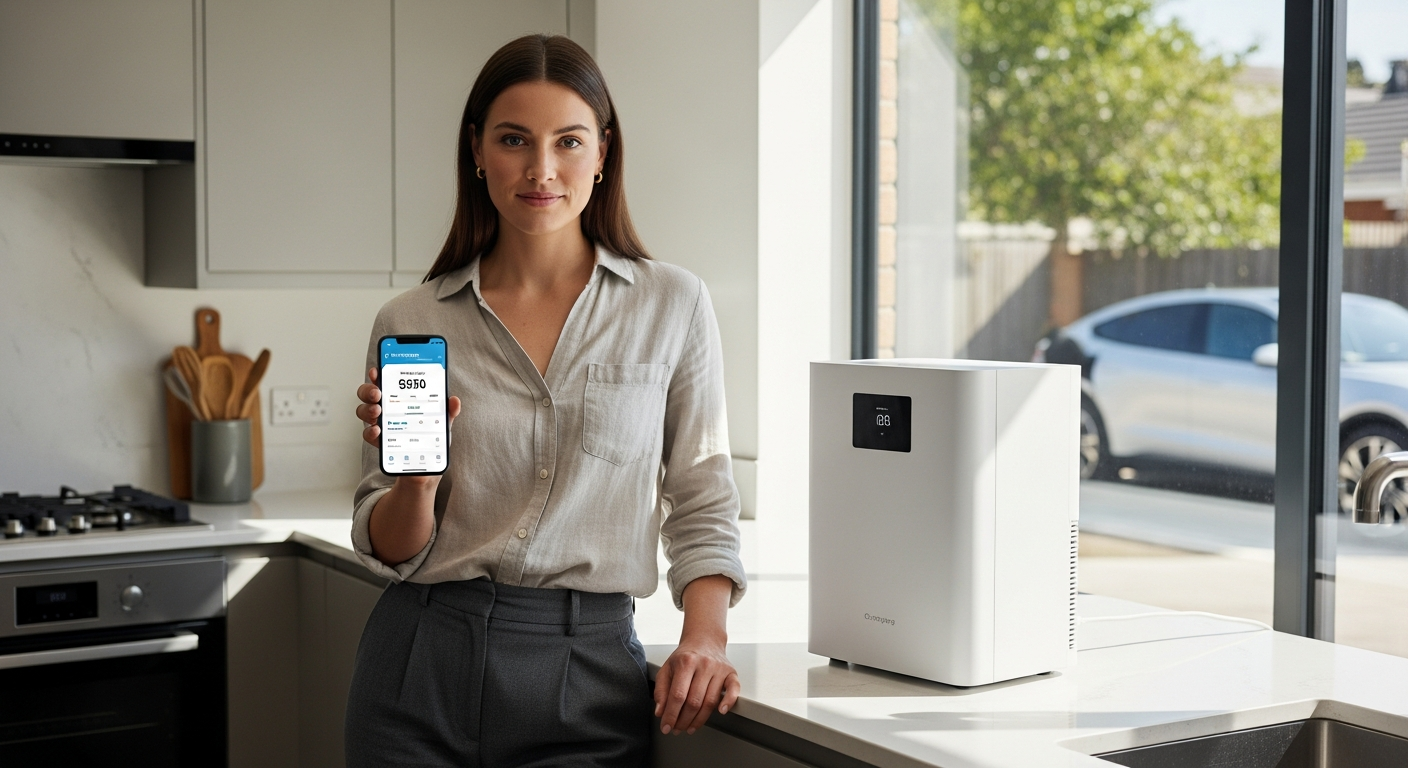

If you’re sitting on a home battery system, there’s a strong chance you’re leaving substantial money on the table each year. The average UK household with battery storage and an EV spends £1,200+ annually on electricity, yet most aren’t capitalizing on the ultra-cheap off-peak rates within reach. Energy pricing has shifted dramatically in recent years, and households equipped with modern battery systems are positioned to benefit in ways that weren’t possible before.
Intelligent Octopus Go represents a genuine departure from traditional energy pricing models. This smart tariff guarantees around 7p/kWh during a six-hour off-peak window—typically between 23:30 and 05:30—creating a stark contrast to peak rates that often hover between 25-35p/kWh. For households with home batteries, the opportunity is compelling: charge during the cheapest period, store that energy, and deploy it throughout the day when grid electricity costs significantly more.
Explore how Intelligent Octopus Go can unlock savings for your battery system today.
Smart Battery Charging During Off-Peak Hours: The Core Advantage
The six-hour off-peak window forms the backbone of Intelligent Octopus Go’s appeal for battery owners. This extended period aligns perfectly with typical battery storage cycles, allowing complete charge cycles overnight while electricity rates sit at their lowest point. Rather than manually monitoring charging times, the tariff’s automated scheduling handles the complexity entirely—your battery tops up during the cheap window without requiring daily intervention.
Automated Charging Without Manual Intervention
Smart battery systems integrated with Intelligent Octopus Go work through automated schedules configured via the Octopus app. Once set up, the system learns your household’s consumption patterns and charges the battery during off-peak hours when rates drop to 7p/kWh. This removes the guesswork from energy management and ensures consistent optimization without user effort.
The 7p/kWh Advantage: Breaking Down Real Costs
Standard variable tariffs typically charge 25-35p/kWh during peak hours. The off-peak rate of 7p/kWh represents roughly a 70-80% reduction in per-unit electricity costs. For a household running a 10 kWh battery system, a single overnight charge costs around 70 pence during off-peak hours versus £2.50-£3.50 during peak times. Over a year, this difference compounds into substantial savings.
Real-World Charging Scenarios
Battery owners follow two primary strategies. The overnight top-up approach charges the battery fully between 23:30 and 05:30, then discharges it gradually throughout the day as household demand increases. This works well for households with predictable consumption patterns. The flexible discharge strategy spreads battery discharge across multiple peak periods, timing high-consumption activities like laundry or EV charging for times when battery power is available rather than drawing from the grid.
Smart Home Integration and Compatibility
Intelligent Octopus Go requires compatible smart meters and battery management systems that can communicate with Octopus Energy’s API. Modern battery systems from leading manufacturers integrate seamlessly, though older installations may need inverter upgrades. The tariff works across various battery capacities, from compact 5 kWh systems to larger 15 kWh installations.
Financial Breakdown: What Battery Owners Actually Save
The numbers justify the switch for most households. A typical 10 kWh battery system charged nightly at 7p/kWh costs roughly £25.50 per month (assuming daily charging). The same battery charged on a standard tariff at 30p/kWh would cost £109 monthly. That’s a difference of £83.50 monthly or approximately £1,000 annually—and this calculation only considers the battery itself, not the broader household consumption benefits.
Annual Savings Based on Battery Capacity
Five kWh systems deliver around £500-£600 in annual savings. Ten kWh systems typically save £1,000-£1,200. Fifteen kWh systems can reach £1,500-£1,800 annually. These figures assume regular daily cycling and don’t include additional savings from load-shifting appliance use to off-peak hours.
Standard Tariff Comparison
Standard variable tariffs offer no time-of-use flexibility, meaning all electricity costs the same regardless of when it’s used. Intelligent Octopus Go’s tiered pricing—7p/kWh off-peak versus standard peak rates—creates the primary value proposition. Battery owners effectively pay less per unit of stored energy while non-battery households remain locked into flat-rate pricing.
Hidden Savings from Peak Avoidance
Beyond battery charging, households that shift high-consumption appliances to off-peak hours realize additional savings. Running dishwashers, washing machines, and water heaters during the six-hour window multiplies benefits across the entire household. Families that coordinate EV charging with the battery charging window further optimize their bills.
100% Renewable Electricity Impact
Octopus Energy supplies 100% renewable electricity, meaning Intelligent Octopus Go customers power their homes and vehicles with clean energy. This eliminates separate carbon offset costs and aligns with household sustainability goals without additional expense.
Battery System Payback Periods
A 10 kWh battery system costs £4,000-£7,000 installed. With annual savings of £1,000-£1,200, payback occurs within 4-7 years—before accounting for government grants or long-term energy price increases. Considering battery lifespans of 10-15 years, the economic case is increasingly favorable.
Start calculating your potential savings with Intelligent Octopus Go now.
Renewable Energy Integration and Environmental Benefits
Intelligent Octopus Go connects battery owners to a broader sustainability ecosystem. The 100% renewable electricity supply means every kWh charged during off-peak hours comes from renewable sources—solar, wind, and hydroelectric generation. This creates genuine environmental impact beyond simply reducing consumption.
Grid Balancing and Fossil Fuel Reduction
Battery owners shifting demand to off-peak hours contribute to grid stability. Peak demand typically correlates with fossil fuel power plants coming online. When thousands of households charge batteries at night instead of peak times, operators can reduce reliance on carbon-intensive generation sources. This system-wide benefit compounds across all participating customers.
Carbon Footprint Reduction
A household charging a 10 kWh battery daily through renewable electricity eliminates roughly 10-12 kg of CO2 emissions annually compared to grid-powered peak-hour charging. Combined with EV charging and appliance load-shifting, individual households can reduce their energy-related carbon footprint by 20-30% annually.
Alignment with UK Net-Zero Targets
Government renewable energy incentives increasingly favor time-of-use flexibility and battery storage. Intelligent Octopus Go directly supports UK net-zero commitments by incentivizing renewable energy adoption and demand shifting at household level.
Smart Technology Optimization
The tariff’s automation ensures optimal renewable energy distribution without household intervention. System algorithms direct surplus renewable generation to battery storage during off-peak hours, maximizing green energy utilization across the network.
Technical Requirements and Smart Meter Compatibility
Maximizing Intelligent Octopus Go requires specific technical infrastructure. Smart meters form the foundation, communicating real-time usage data to Octopus Energy’s systems. Battery systems need compatible inverters with API connectivity to coordinate charging schedules. App access allows households to monitor and adjust preferences remotely.
Smart Meter Installation and Rollout
Octopus Energy continues rolling out smart meters across its customer base. Existing customers typically receive meter upgrades within 6-12 months of switching. New customers joining Intelligent Octopus Go often get smart meters installed within 4-6 weeks. The entire installation process is handled by Octopus Energy at no additional cost.
Battery System Compatibility
Leading battery manufacturers including Tesla Powerwall, LG Chem, and Generac systems integrate seamlessly with Intelligent Octopus Go. Compatibility extends to most modern home battery systems installed after 2018. Older systems may need inverter replacements to support API integration, typically costing £1,000-£2,000.
API Integration for Third-Party Monitoring
Battery owners can connect monitoring apps and optimization tools through Octopus Energy’s API. These tools provide real-time consumption tracking, predictive modeling, and optimization recommendations. Popular platforms like Home Assistant integrate directly with Intelligent Octopus Go systems.
Common Connectivity Issues and Solutions
Wi-Fi connectivity between battery systems and smart meters occasionally causes schedule delays. Restarting inverters or repositioning router equipment typically resolves issues within hours. Octopus Energy’s support team provides remote diagnostics for persistent problems.
Maximizing Returns: Optimization Strategies for Battery Owners
Beyond passive battery charging, active optimization strategies significantly amplify savings. Households that coordinate multiple systems—battery charging, EV charging, and high-consumption appliances—achieve the highest returns.
Pre-Charging Before Peak Demand
Charging batteries to full capacity before 23:30 ensures maximum stored energy available throughout peak hours. Households using automated scheduling can set charging to begin at 23:00, guaranteeing full capacity by 05:30 when peak rates resume.
Load-Shifting Techniques
Deliberately scheduling energy-intensive activities during off-peak hours multiplies savings. Electric heating systems, water heaters, and pool pumps programmed to run overnight reduce daytime grid consumption. Coordinating multiple loads maximizes the stored battery energy available during peak hours.
Multi-Device Coordination
Intelligent households synchronize EV charging, battery charging, and appliance scheduling within the six-hour off-peak window. A typical coordination scenario: begin EV charging at 23:30, start water heater at 23:45, and ensure battery reaches full capacity by 05:00. This approach consolidates energy costs into the cheapest period.
Seasonal Adjustment Strategies
Winter months feature longer off-peak periods and increased heating demand, allowing greater optimization opportunities. Summer requires different strategies, with shorter off-peak windows and lower heating needs. Adjusting charging schedules seasonally ensures the system remains optimized year-round.
Real-Time Monitoring and Usage Tracking
The Octopus app provides detailed consumption breakdowns and savings calculations. Regular monitoring identifies optimization opportunities—for instance, if heating systems run inefficiently, scheduling adjustments provide immediate cost reductions. Monthly reviews ensure strategies remain aligned with household patterns.
Advanced Peak-Time Avoidance
Sophisticated households combine battery discharge with deliberate peak-time avoidance. When possible, major electrical activities are scheduled immediately after 05:30 when rates drop, or between 05:30 and peak period beginning. This approach requires flexibility but delivers maximum savings.
Comparing Intelligent Octopus Go to Other Smart Energy Tariffs
Intelligent Octopus Go competes against several alternative smart tariffs, but its guaranteed rates create distinct advantages. Most competitors offer variable off-peak pricing that fluctuates based on wholesale costs. Octopus Energy’s guarantee of 7p/kWh provides budget certainty that competing products cannot match.
Guaranteed Rates Versus Variable Pricing
Competitors like EDF’s Time of Use tariff and British Gas’s comparable offering use variable pricing tied to wholesale electricity markets. Rates fluctuate monthly, preventing accurate savings calculations. Intelligent Octopus Go’s fixed 7p/kWh guarantee eliminates this uncertainty.
Customer Support Quality for Battery Owners
Octopus Energy’s customer service reputation exceeds most competitors. Battery-specific support teams understand integration complexities and provide targeted troubleshooting. Competing suppliers often lack dedicated battery expertise, leaving owners to manage technical issues independently.
Tariff Flexibility and Switching Terms
Intelligent Octopus Go contracts typically allow monthly switching without penalties after initial terms. Competing tariffs often lock customers into 12-month agreements with exit fees. This flexibility appeals to households wanting to trial smart tariffs before long-term commitment.
Loyalty Rewards and Exclusive Features
Octopus Energy frequently offers referral bonuses (£50-£100 per successful referral) and loyalty rewards for long-term customers. Some competitors provide similar incentives, but Octopus Energy’s programs are more generous for battery-specific customers.
Long-Term Value Proposition
Intelligent Octopus Go’s combination of guaranteed rates, renewable electricity, customer support, and exclusive features creates superior long-term value compared to competitors. Battery owners committing to multi-year optimization benefit most from this comprehensive approach.
Practical Considerations and Potential Limitations
While Intelligent Octopus Go delivers impressive benefits, several practical limitations warrant consideration. Minimum battery capacity thresholds, geographic variations, and lifestyle flexibility significantly impact real-world savings.
Minimum Battery Capacity Requirements
Systems smaller than 5 kWh generate insufficient daily savings to justify tariff costs. A 3 kWh battery provides only £15-20 monthly savings, potentially offset by tariff fees. Most experts recommend 5 kWh minimum for meaningful returns.
Geographic Variations in Off-Peak Windows
While most regions maintain 23:30-05:30 off-peak hours, some areas have different windows based on regional grid demand patterns. Scottish customers, for example, sometimes receive extended off-peak periods. Confirming your region’s specific window before switching ensures accurate savings calculations.
Lifestyle Flexibility Impact
Households with rigid schedules—shift workers, businesses operating 24/7, or families with unpredictable routines—struggle to capitalize on off-peak optimization. The tariff assumes reasonable flexibility to shift consumption patterns, which isn’t universal.
Peak-Time Rates and Standing Charges
Intelligent Octopus Go features competitive peak rates (typically 25-30p/kWh) and standing charges around 40p daily. Total monthly costs depend on overall consumption patterns, not just off-peak usage. High-consumption households with limited optimization potential may find minimal savings.
Data Privacy with Smart Meters and Apps
Smart meters and battery monitoring apps collect detailed usage data transmitted to Octopus Energy. While encryption protects this information, privacy-conscious households should review Octopus Energy’s data policies before switching.
Contract Flexibility and Exit Terms
Intelligent Octopus Go typically allows monthly exits without penalties. However, if circumstances change dramatically—selling the property, removing battery systems, or relocating—confirm exit procedures with Octopus Energy before committing.
Getting Started: Your Battery Owner’s Action Plan
Transitioning to Intelligent Octopus Go involves straightforward steps, though timeline expectations should remain realistic.
Application Process
Visit Octopus Energy’s website or call their sales team to begin the application. Provide current address, energy supplier details, and meter information. The process typically takes 10-15 minutes and requires basic household details.
Pre-Switch Compatibility Checklist
Before switching, confirm three critical elements: your smart meter installation status or expected installation date, your battery system model and inverter specifications, and your internet connectivity supporting app access. Contact your current supplier for smart meter timeline information if uncertain.
Initial Setup and Configuration
Once switched to Intelligent Octopus Go, Octopus Energy sends detailed setup instructions. Download the Octopus app, create an account, and authorize battery system connectivity. Configure automatic charging preferences—most households start with full overnight charging (23:30-05:30) before experimenting with advanced strategies.
First-Month Monitoring
Track consumption patterns and savings during your first full billing cycle. The Octopus app provides detailed breakdowns showing off-peak versus peak consumption. Identify unexpected consumption spikes or optimization opportunities. Adjust charging schedules based on observed patterns.
Connecting with Battery-Specific Support
Octopus Energy maintains dedicated battery support lines and online communities. Connecting with battery specialists accelerates problem-solving and optimization. Many technical questions receive answers within hours from both support staff and community members.
Timeline Expectations
From application to first off-peak charging typically takes 4-6 weeks. Smart meter installation (if required) represents the longest component. Once meters are installed and apps configured, the system begins optimizing immediately.
Making Your Battery Investment Work Harder: The Bottom Line
Intelligent Octopus Go transforms home battery ownership from a long-term investment into an immediate money-saving tool. The combination of guaranteed 7p/kWh off-peak rates, automated smart charging, and 100% renewable electricity creates a genuinely compelling case for battery owners serious about reducing energy bills and environmental impact.
The financial case speaks for itself: battery owners implementing Intelligent Octopus Go see annual savings of £400-£800, sometimes exceeding £1,000 depending on battery capacity and optimization commitment. These aren’t marginal improvements—they represent meaningful reductions in household operating costs that accumulate over battery system lifespans.
Beyond pure economics, the environmental benefits matter. Shifting demand away from peak periods reduces fossil fuel generation. Combining battery storage with renewable electricity creates households that operate nearly carbon-neutral. For environmentally conscious homeowners, this alignment between cost savings and sustainability represents genuine progress.
Start by confirming your smart meter status and battery compatibility. Run the numbers based on your household’s specific consumption patterns. Reach out to Octopus Energy’s support team with battery-specific questions about optimization strategies and regional variations. Within your first billing cycle, you’ll see the difference in your electricity costs—the app makes savings immediately visible.
Your battery investment deserves to work at full capacity. Intelligent Octopus Go provides the framework and financial incentive to ensure it does exactly that. The difference between passive battery ownership and optimized battery ownership translates directly to your monthly energy bills.
Get started with Intelligent Octopus Go and unlock your battery’s full potential today.