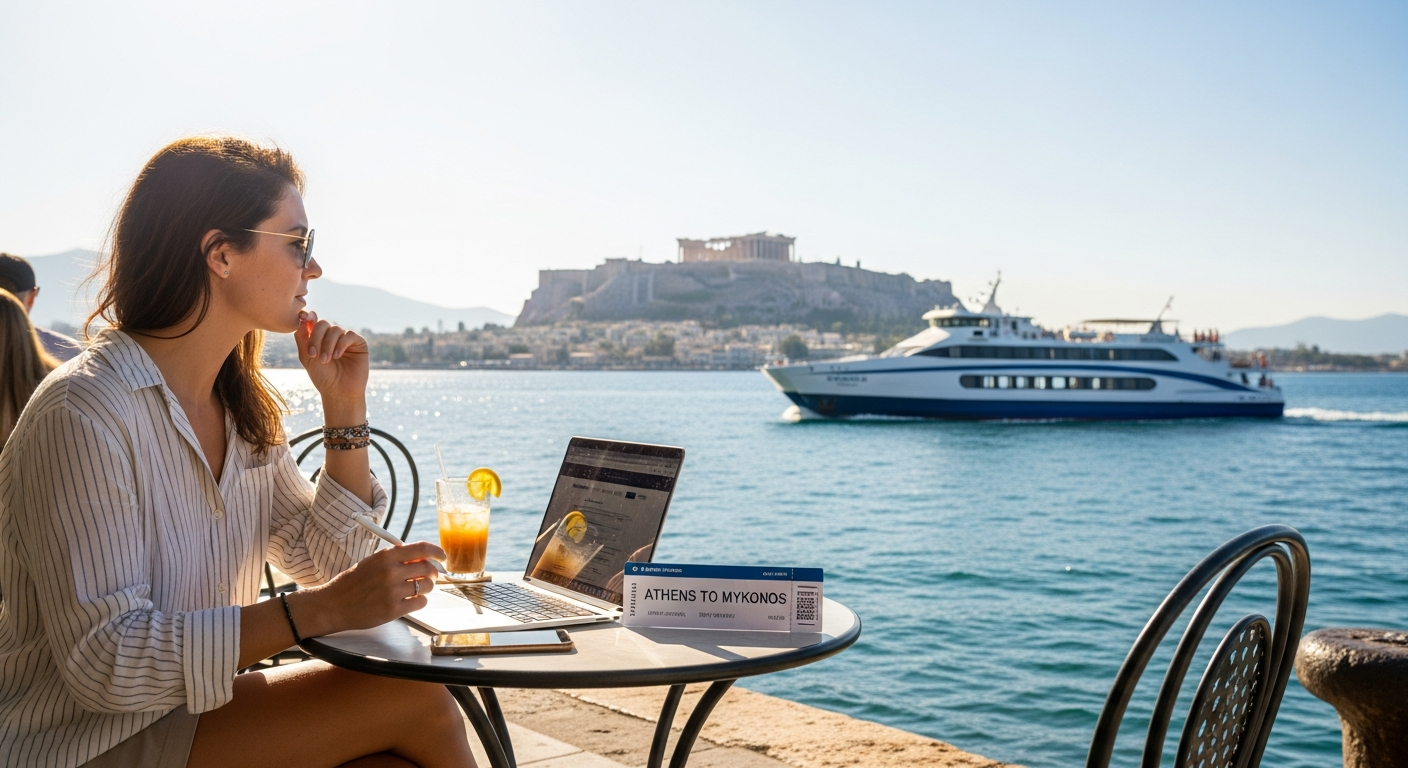

Over 2 million travelers visit Mykonos annually, and the vast majority arrive via ferry from Athens. The Athens to Mykonos route stands as one of Greece’s busiest maritime corridors, connecting mainland travelers to one of the Mediterranean’s most coveted island destinations. Yet booking the right ferry ticket—one that balances cost, comfort, and convenience—remains a puzzle for many first-time visitors.
Ferryhopper has made this journey accessible through its comprehensive booking platform, which aggregates multiple ferry operators and vessel types on the Piraeus-to-Mykonos corridor. This route matters because it’s the gateway to island hopping through the Cyclades, and choosing the wrong ferry can set the tone for your entire Greek vacation. The platform eliminates the hassle of checking dozens of websites by presenting all your options in one place.
Start comparing ferry options on Ferryhopper to find your perfect ticket today.
Ferry Operators & Vessel Types on the Piraeus-Mykonos Route
Blue Star Ferries: Reliable Conventional Service
Blue Star Ferries operates the conventional ferry service on this route, offering spacious vessels with substantial passenger capacity. These ferries typically accommodate hundreds of travelers and come equipped with multiple decks, making them ideal for those who prioritize comfort over speed. The conventional ferry experience takes approximately 4 to 5.5 hours, allowing you to watch the Aegean Sea unfold at a leisurely pace. Onboard, you’ll find restaurants, cafes, and various seating options ranging from economy deck access to more comfortable business class areas.
Seajets: High-Speed Hydrofoil Excellence
Seajets specializes in high-speed hydrofoil service, cutting your journey time down to 2.5 to 3.5 hours. These vessels are engineered for speed and efficiency, making them perfect for travelers on tight schedules. The premium hydrofoil experience often includes superior amenities, such as reserved seating, climate-controlled cabins, and dedicated onboard services. While faster, Seajets tickets typically command higher prices than conventional ferry alternatives.
Conventional vs. High-Speed Ferries: Making Your Choice
The decision between conventional and high-speed ferries hinges on your priorities. Conventional ferries offer better value for money and a more relaxed, scenic journey. High-speed hydrofoils save you hours and provide a more premium experience, but at a steeper cost. Speed isn’t the only factor—consider your budget, how much time you have, and whether you want to maximize your relaxation during the crossing. Each option has legitimate advantages depending on your travel style.
Understanding Ticket Pricing & Seasonal Fare Fluctuations
Base Ticket Price Ranges
One-way tickets from Athens to Mykonos typically fall between €40 and €80 per passenger, though premium options and peak season travel can push prices higher. Economy deck seats represent the most budget-friendly choice, offering basic deck access and minimal amenities. Standard seating provides a more comfortable experience with designated cabin space and access to onboard facilities. Business class and VIP lounge upgrades add luxury and priority boarding for those willing to invest in comfort.
Peak Season vs. Off-Season Rates
Summer months—June through September—see dramatic price increases as Mykonos becomes a magnet for international tourism. During peak season, you might pay significantly more for the same ticket you could purchase during shoulder or low seasons. April, May, September, and October offer a sweet spot where prices remain reasonable while weather remains excellent and crowds are more manageable. Winter months see reduced pricing but also fewer daily departures and occasional schedule interruptions due to sea conditions.
Seat Class Pricing Tiers
Your seat choice directly impacts your ticket price. Economy deck access costs the least but offers minimal comfort—you’re essentially sitting on an open deck. Standard seating provides a cabin or lounge area with basic amenities. Business class includes reserved seating, priority boarding, and enhanced onboard services. VIP lounges represent the premium tier, offering exclusive spaces, complimentary refreshments, and a genuinely luxurious ferry experience. Each tier serves different traveler needs and budgets.
Compare all pricing tiers and book your preferred seat class on Ferryhopper now.
Departure Schedules & Journey Duration Expectations
Daily Departure Frequency
During high season, ferries depart from Piraeus to Mykonos multiple times daily—typically between 4 and 8 sailings depending on the operator and season. This frequency gives you flexibility in choosing departure times that suit your itinerary. Low season sees reduced departures, sometimes dropping to 2 or 3 daily sailings. Winter schedules can be even more limited, occasionally offering just one daily connection on certain days.
Journey Duration Breakdown
Conventional ferries take the scenic route, taking 4 to 5.5 hours to complete the journey. This slower pace allows you to enjoy the Aegean experience and watch numerous islands pass by your window. High-speed hydrofoils compress the same route into 2.5 to 3.5 hours, sacrificing some scenery for speed. The time difference matters significantly if you’re island hopping and want to maximize daylight hours on Mykonos itself.
Seasonal Schedule Variations
Winter service reductions reflect lower tourist demand and occasionally rougher sea conditions. You might find fewer operators running the route or consolidated schedules that cluster departures around morning and early afternoon hours. Summer sees the most frequent departures, sometimes offering hourly options during peak periods. Spring and fall maintain decent frequency with far fewer crowds than summer months.
Booking Strategies & Insider Tips for Better Deals
Optimal Booking Windows
Purchasing your ticket 2 to 4 weeks in advance typically yields the best prices. Last-minute bookings often cost more as operators capitalize on urgent travelers, though occasionally deep discounts appear for last-minute sailings to fill empty seats. Early booking also guarantees your preferred departure time and seat class aren’t sold out.
Flexibility with Travel Dates
Mid-week travel consistently costs less than weekend sailings. Tuesday through Thursday departures often have lower fares than Friday, Saturday, and Sunday options. If your schedule permits traveling on a weekday, you’ll notice meaningful savings. Additionally, traveling on the same day as multiple ferry operators provide service sometimes creates price competition that benefits you.
Off-Peak Travel Advantages
The shoulder seasons—April through May and September through October—represent ideal travel windows. You’ll encounter significantly lower ticket prices, shorter queues, less crowded ferries, and a more authentic Mykonos experience. These months feature perfect weather, warm sea temperatures, and the island’s most pleasant climate. Spring and fall travelers consistently report better value and less tourist congestion than summer visitors.
Onboard Experience & What to Pack for Your Ferry Journey
Seating Options and Comfort Levels
Ferry seating spans from basic to luxurious. Economy deck access means you’re exposed to elements but pay minimal fare—bring a jacket and entertainment. Standard seating places you in climate-controlled cabin space with basic seating. Business class offers reserved, reclining seating with priority access to onboard amenities. VIP lounges provide the ultimate comfort with exclusive spaces, superior seating, and often complimentary refreshments and entertainment.
Dining and Beverage Services
Most ferries operate onboard restaurants and cafes serving everything from quick snacks to full meals. Prices are higher than shoreside establishments, so many travelers pack their own provisions. Coffee, soft drinks, and alcoholic beverages are available for purchase. The quality and selection vary by ferry operator and vessel age, but expect basic Mediterranean fare rather than gourmet experiences.
Essential Packing Items
Bring sunscreen, sunglasses, and a hat for deck time. A light jacket protects against sea breezes, especially during shoulder seasons. Comfortable walking shoes keep your feet happy during boarding and disembarking. Entertainment—books, tablets, or music—helps pass the journey time. Seasickness medication is worth packing if you’re prone to motion sensitivity, though the Athens-Mykonos route typically experiences calmer conditions than longer Aegean crossings. Reusable water bottles save money on onboard beverages.
Mykonos as Your Island Gateway & Why This Route Matters
Mykonos’s Appeal for International Travelers
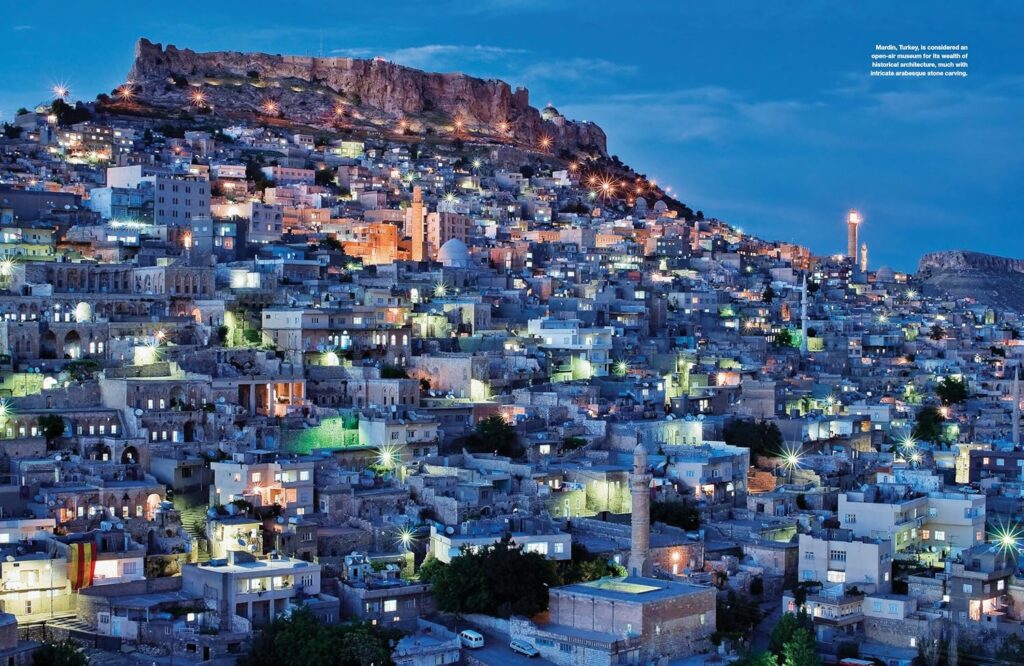
Mykonos has transcended its status as a mere beach destination to become a global phenomenon. The island’s vibrant nightlife—featuring world-famous clubs and beach bars—attracts party-minded travelers from every continent. Yet beyond the nightlife, Mykonos enchants with its quintessential Cycladic architecture: whitewashed buildings cascading down hillsides with blue-domed churches providing stunning photo opportunities. Beautiful sandy beaches ring the island, from bustling organized strands to secluded coves. The cosmopolitan atmosphere blends traditional Greek hospitality with international sophistication, creating a unique island experience.
Island Hopping from Mykonos
Mykonos functions as a natural hub for Cycladic island exploration. From the main port, ferries connect to Paros, Naxos, Delos, and numerous other islands. Delos, just 45 minutes away, offers extraordinary ancient Greek ruins. Paros provides charming villages, beaches, and a more relaxed vibe than Mykonos. Naxos combines beaches with mountainous villages and excellent local food. Many travelers use Mykonos as their base for 3 to 7-day island-hopping adventures, making the Athens connection the crucial first step in their Greek island odyssey.
Best Times to Visit
June through August brings peak season with maximum daylight hours, warmest water, and vibrant energy—but also maximum crowds and highest prices. May and September offer nearly identical weather with substantially fewer tourists and significantly lower accommodation and ticket prices. April and October feature mild weather perfect for exploring without excessive heat. Winter (November through March) sees reduced ferry service and fewer tourists but occasionally poses rough sea conditions and some business closures.
Your Aegean Adventure Awaits: Taking Action on Your Ferry Booking
Booking Athens to Mykonos ferry tickets doesn’t have to be overwhelming. Armed with knowledge about ferry operators, pricing patterns, and scheduling options, you’re now equipped to make an informed decision that suits your budget, timeline, and comfort preferences. The journey from Piraeus to Mykonos is more than just transportation—it’s your introduction to the magic of the Greek islands, complete with Aegean views that rival any paid attraction.
Whether you opt for a budget-friendly conventional ferry or splurge on a high-speed hydrofoil, Ferryhopper’s transparent pricing and comprehensive comparison tools remove the guesswork from your booking. The platform’s straightforward interface lets you see all available options, compare operators, and understand exactly what you’re paying for without hidden fees or surprise charges.
Your island adventure hinges on this single booking decision. Every hour saved on the ferry is an hour gained on Mykonos beaches. Every euro saved on your ticket is a euro available for local restaurants and experiences. The right ferry choice sets the tone for your entire Greek vacation, ensuring you arrive refreshed, satisfied, and ready to explore.
Head to Ferryhopper now, enter your travel dates, and secure your tickets to Mykonos today.