
Some cities are best understood from their rivers. Berlin is one of them. From the water, the city’s layers line up—imperial façades, Weimar glamour, Cold-War scars, and glass-and-steel present—so you can read history like a page-turner without ever breaking a sweat. In this article, we’ll show you how to turn a 1-Hour River Cruise with Tour Guide (Bilingual: German/English) into the most efficient, cinematic hour of your day, with practical tips on timing, seats, photos, and what to do before and after to stitch the river into a perfect Berlin loop. Ready to swap footsteps for wake lines?
Book 1-Hour River Cruise with Tour Guide (Bilingual: German/English).
Why an Hour on the Spree Punches Above Its Weight
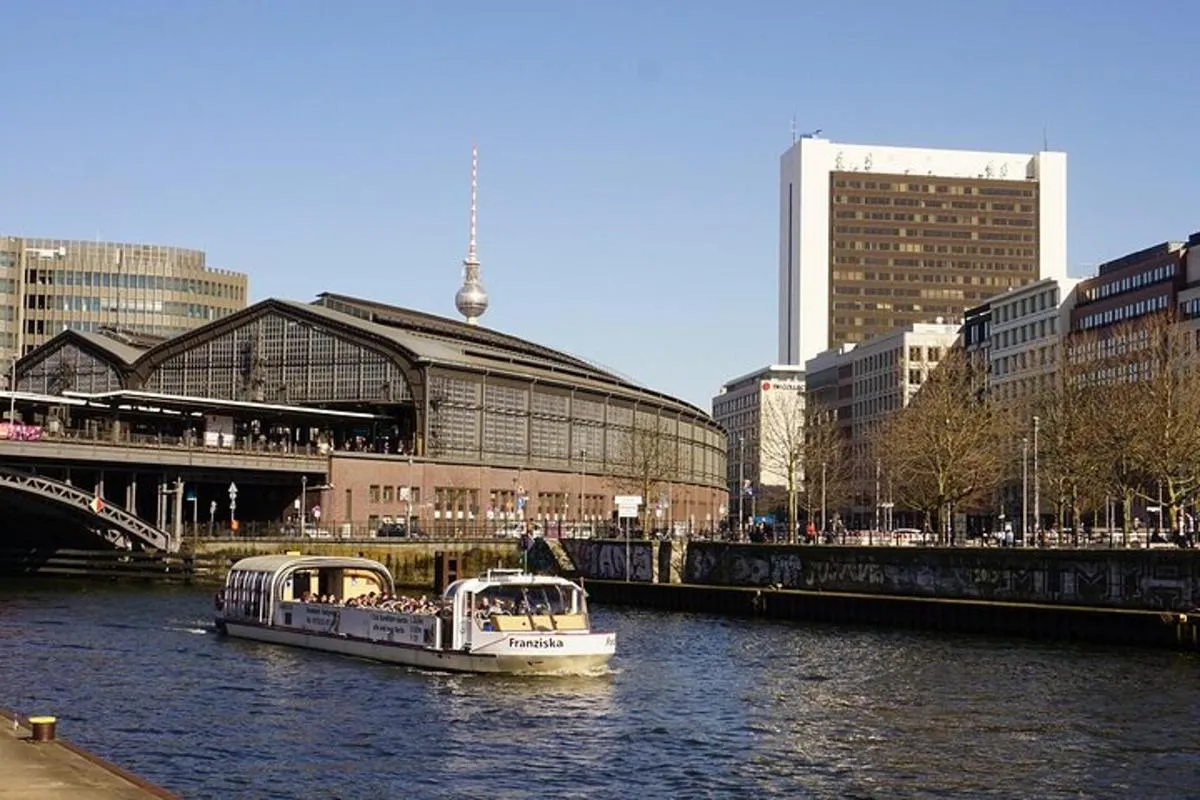
Berlin is beautifully spread out, which is a blessing for neighborhoods and a curse for schedules. The Spree stitches the highlights together. In sixty minutes, you’ll glide past architecture that would take half a day to connect on foot. The bilingual live commentary means you catch context in the language you think in and the language the city lives in—German and English—so you don’t miss the jokes, the dates, or the juicy little stories that bring the stone to life.
What You’ll See (Without Spoiling the Stories)
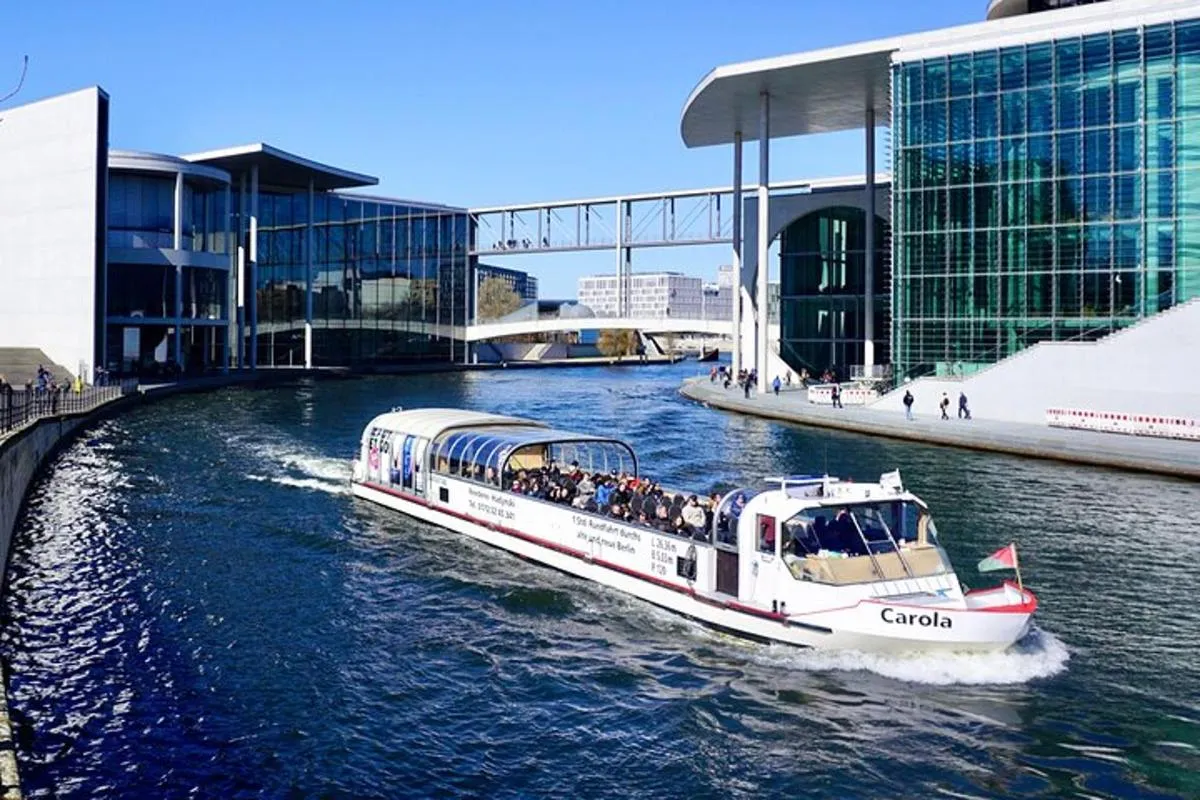
Every operator’s route has its quirks, but the core show is the same: Museum Island’s stone coolness, the modern government quarter’s sharp lines, bridges that stitch eras together, and riverfront promenades buzzing with café life. The guide’s bilingual patter pulls threads together—why that façade is “fake old,” which bridge is an engineering flex, where the Wall ran, and which glass box is more than it looks. The point isn’t to memorize names; it’s to feel the city’s timeline moving under your seat.
Best Time to Cruise: Chasing Light and Calm
- Morning (calm & clear): Soft light flatters façades and photos, and the water is quieter. Great if you’re a planner and want an orientation before you roam.
- Mid-afternoon (lively & buzzy): Riverbanks fill with people; the city feels turned up a notch.
- Late day/early evening (golden hour): Everything warms; reflections deepen; your camera looks suddenly “pro.”
Short on time? Fit the 1-Hour River Cruise with Tour Guide (Bilingual: German/English) between a museum and dinner—minimal walking, maximal wow.
Where to Sit (and Why It Matters)
- Top deck, forward: wind in your hair, uncluttered shots, a “captain for a day” feeling.
- Top deck, aft: great for watching the city recede—beautiful for long, layered photos over the wake.
- Lower deck window: weather-proof comfort with a cinematic frame (perfect in drizzle or chill).
Arrive 10–15 minutes early, scan where the sun sits, and choose a side that avoids glare. Pro move: pick a seat with an easy path to the rail—stand for bridges, sit for stories.
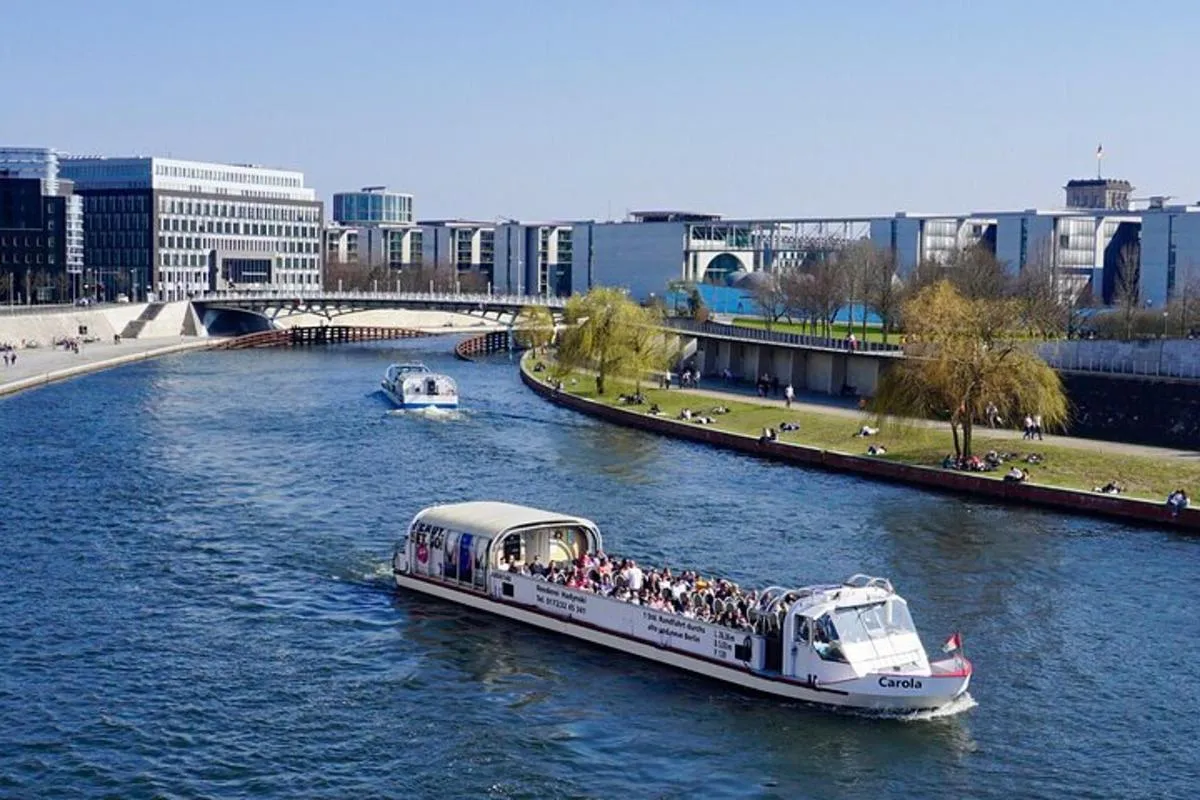
Camera & Phone Tips: Minimal Effort, Maximum Results
- Set exposure for the sky: tap the sky on your phone to keep clouds dramatic; buildings won’t blow out.
- Shoot between bridges: frames look cleanest with fewer overhead lines.
- Go wide, then detail: one big establishing shot, one texture (statue, brick, water ripple).
- Pocket it for the guide’s punchlines: half the fun is the commentary—don’t miss it.
How to Listen Bilingually (Even If You’re Not)
The tour toggles between German and English. Treat it like surround sound. If you understand both, you’ll catch extra nuances; if you don’t, you’ll still soak up the city’s sonic texture—the language, the laughter, the rhythm—and rejoin the thread in your main language a moment later. Either way, the cadence keeps the hour moving like a well-edited documentary.
Micro-Itineraries: Pairings That Just Work
- Culture Classic: Cruise → Museum Island gallery hit → coffee + cake.
- Modern Berlin: Cruise → government quarter stroll → architecture photography along the Spreebogen.
- Relaxed Date: Cruise → riverside aperitif → golden-hour walk and dinner.
- Family-friendly: Cruise → playground stop by the river → ice cream reward. The hour on water is the energy saver that makes the rest of the day a win.
What to Bring (and What to Leave)
- Do bring: a layer (breeze on deck), sunglasses (glare), portable charger, and a curious ear.
- Nice to have: a compact binocular for spotting sculpture and friezes.
- Skip: big tripod (awkward on deck), tote full of “maybe” items. Keep it nimble; boats favor the unencumbered.
River Etiquette: Calm Vessel, Happy People
Decks are shared spaces. Keep bags under seats, give neighbors the 10-second window for a photo at the rail, and laugh at the guide’s jokes—they’ve piloted through weather and Wi-Fi to deliver a good hour. If the crew asks you to sit for bridge clearance, do it; Berlin’s bridges are photogenic and low.
Accessible & Weather-Proof by Design
Short on steps, high on views. Most boats and piers are built for mixed mobility, and the lower deck is a cozy rain plan. In showers, raindrops turn the river mirror-like; photos get moodier, and the guide’s stories feel snug and cinematic.
Going Deeper After the Cruise
Use the guide’s greatest hits as prompts for the rest of your trip: snap a façade you loved and look it up later; drop a pin on a riverside café you pass and return at sunset; mark a bridge you want to cross on foot. The boat is a highlight reel—your job after is to pick the scenes you want to expand.
Book 1-Hour River Cruise with Tour Guide (Bilingual: German/English)
Sustainability Notes (Simple, Effective)
Choose digital tickets, bring a refillable bottle (many cafés refill if you ask nicely), and walk to the pier if you can. A river cruise is already a low-effort, low-impact orientation—lean into that calm, light-footprint vibe for the rest of the day.
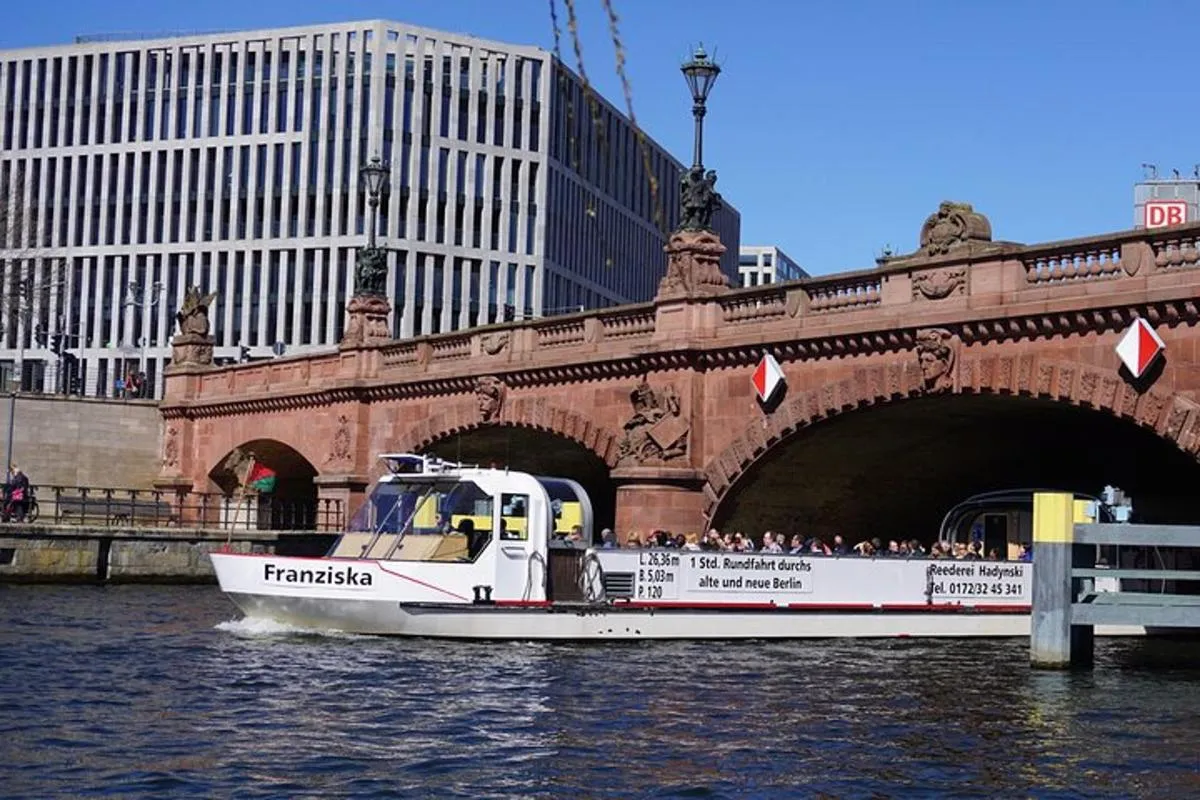
“What If” Scenarios (Because Travel)
- It rains: lower deck, window seat; moody photos, cozy narration.
- You’re late: check the next departure; one hour makes rescheduling painless.
- You’re hungry: some boats sell snacks; otherwise, plan a post-cruise lunch within a five-minute walk.
- You want more: do an evening pass on the same day—day/night back-to-back is a Berlin two-fer.
Conclusion
Cities that rebuilt themselves don’t always show their seams easily. Berlin does—from the water. In a single, generous hour, the 1-Hour River Cruise with Tour Guide (Bilingual: German/English) turns a complicated map into a graceful story, with bridges as commas and museums as exclamation points. Sit where the breeze feels right, listen with both ears, and let the Spree edit the city for you. When you step back onto the quay, you’ll move more confidently, choose smarter, and carry that river-quiet with you the rest of the day.
Book 1-Hour River Cruise with Tour Guide (Bilingual: German/English)
FAQ
- Is one hour enough to “see” Berlin from the river?
Yes. You’ll cover a greatest-hits stretch with bilingual context that makes later walks and museum visits more meaningful. - How bilingual is the tour, really?
Commentary alternates between German and English. You’ll get the key facts, stories, and humor in both languages. - What if the weather turns?
Boats typically have covered or indoor seating. Lower-deck windows turn rain into moody reflections—great for photos, still comfy for listening. - Can I take kids?
Definitely. Boats are stroller-friendly, the hour is the sweet spot for attention spans, and bridges/wakes are built-in entertainment. - Are there snacks or drinks on board?
Many cruises offer refreshments; if not, plan a five-minute riverside café stop right after. Either way, you’re sorted. - Where should I sit for the best photos?
Top deck for open skies, forward or aft for drama; lower deck window for weather-proof framing. Move to the rail briefly for bridges, then return to your seat. - Do I need to reserve ahead?
It’s wise in popular seasons and weekends. The good news: departures are frequent, and the hour-long format makes scheduling easy. - What should I pair the cruise with?
Museum Island, a government-quarter walk, or a simple riverside lunch. The cruise is your orientation; the rest is your deep dive. - Is it accessible?
Many boats and piers are step-light and staff can assist; check specifics when booking to match your needs. - Will I learn real history or just see buildings?
You’ll get both: architecture, anecdotes, and the connective tissue between them—exactly what makes a city stick in your memory.