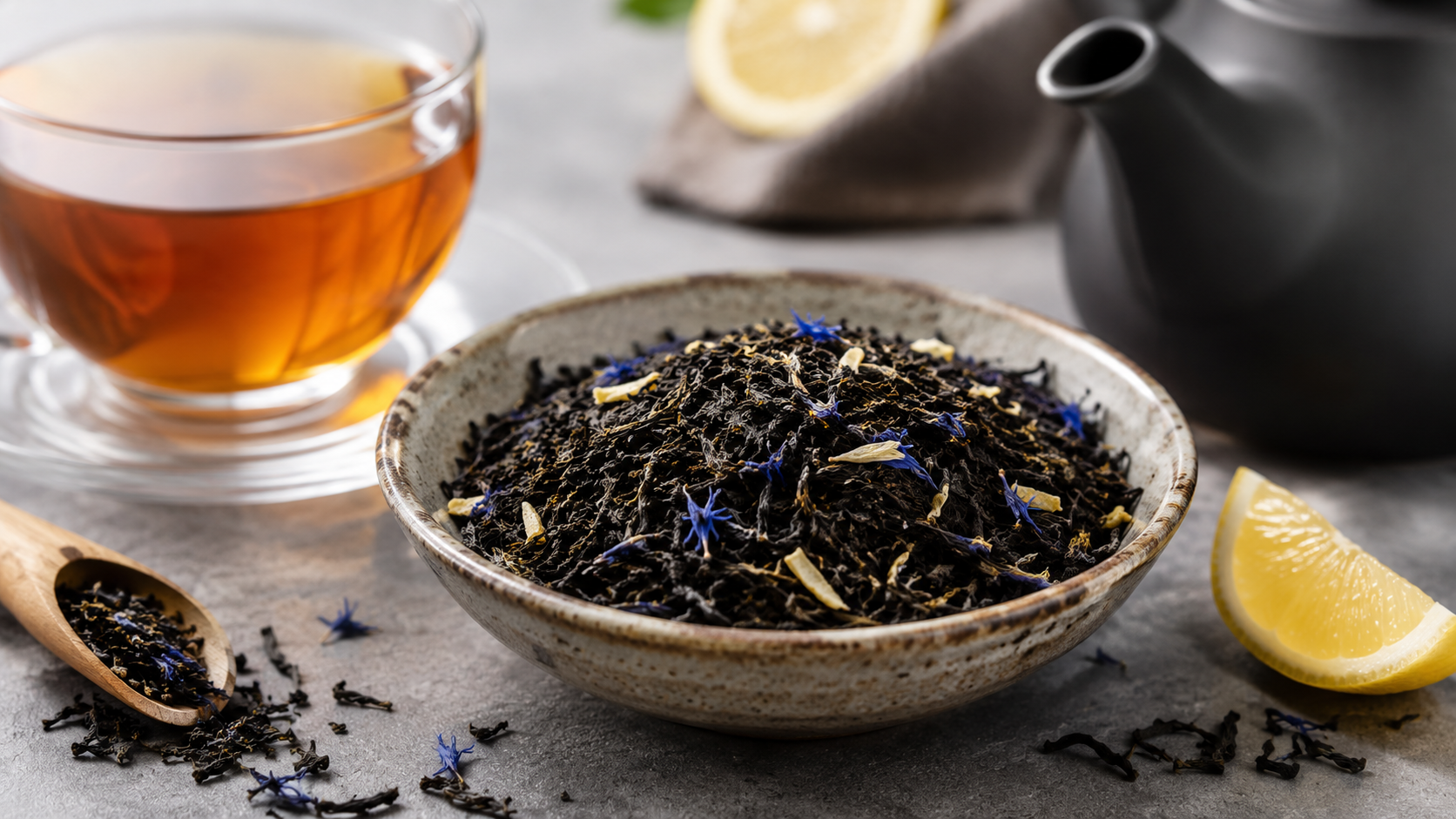

The Story Behind Classic Earl Grey: From Legend to Legacy
There’s something almost magical about a beverage that has remained virtually unchanged for over three centuries yet continues to outsell countless modern innovations. Earl Grey occupies a rare position in global tea culture—a blend so universally beloved that it transcends generational preferences, cultural boundaries, and shifting consumer trends. This sophisticated marriage of premium black tea and bergamot citrus oil represents far more than a simple beverage; it’s a cultural touchstone that has moved seamlessly from aristocratic tea rooms to everyday kitchen tables across continents.
What makes a single flavor profile so universally magnetic that it captures the loyalty of both seasoned tea connoisseurs and those discovering quality tea for the first time? The answer lies in the perfect intersection of genuine quality, unmistakable flavor, and an almost mystical connection to tradition and refinement. Earl Grey speaks a language everyone understands—one rooted in authenticity rather than marketing trends or fleeting fashions.
Discover premium Earl Grey blends that capture the essence of this legendary tea.
The Story Behind Classic Earl Grey: From Legend to Legacy
Historical Origins and the Earl Grey Legend
The tale of Earl Grey begins in 18th-century England, where the 2nd Earl Grey—Charles Grey—became inextricably linked with this aromatic blend. Though various legends surround its creation, what remains certain is that Grey’s name became so synonymous with the tea that it has defined the blend for generations. The aristocratic world of English tea culture provided the perfect incubator for this distinctive creation, where refinement and exclusivity were paramount values.
Evolution from Exclusive Aristocratic Beverage to Global Staple
Earl Grey began as a luxury reserved for the British elite, a status symbol in drawing rooms and formal afternoon teas. Its exclusivity only enhanced its mystique—the blend was something to aspire to, a marker of sophisticated taste and social standing. Over generations, as tea trade routes expanded and production methods modernized, Earl Grey gradually transitioned from an exclusive privilege to an accessible luxury. This democratization of the blend never diminished its prestige; instead, it allowed Earl Grey to become a universal language of refinement.
Bergamot Oil: The Ingredient That Defined Everything
The bergamot oil infusion represents the crucial moment when Earl Grey became something entirely distinct from standard black tea preparations. This citrus essence, extracted from the small, fragrant bergamot orange, imparts a flavor that is simultaneously refreshing, floral, and citrusy—qualities that immediately set the blend apart. The decision to incorporate bergamot wasn’t merely aesthetic; it fundamentally transformed how people experienced black tea and established a flavor benchmark that persists to this day.
Transcending Generational Preferences and Cultural Boundaries
Few beverages bridge generational divides as gracefully as Earl Grey. A grandmother steeping her morning cup connects across decades with a young professional seeking calm before a presentation, and a traveler discovering the blend in a foreign country experiences the same moment of recognition. This universal appeal stems from bergamot’s inherent complexity—nuanced enough to satisfy the most discerning palates, yet approachable enough for those encountering premium tea for the first time.
Understanding Bergamot: The Citrus Oil That Changed Tea Forever
Origins and Geography of Bergamot
Bergamot grows almost exclusively in the sun-drenched region of Calabria in southern Italy, where specific climate conditions—the Mediterranean warmth, coastal breezes, and mineral-rich soil—create the perfect environment for these small, precious citrus fruits. The bergamot tree produces a fruit that resembles a small lemon but possesses an entirely distinct character. This geographical specificity matters profoundly; bergamot from Calabria has become the gold standard, and attempts to cultivate it elsewhere have yielded inferior results.
The Extraction and Infusion Process
Creating authentic Earl Grey requires a sophisticated understanding of how to capture bergamot’s volatile oils without destroying their delicate aromatic compounds. The oil is extracted through cold pressing the fruit’s skin, a process that requires precision and timing. This concentrated essence is then carefully infused into black tea leaves, where it adheres to the surface and subtly permeates the interior. The balance between applying enough bergamot oil to create that signature aroma while avoiding overwhelming the underlying tea represents an art form that separates exceptional blends from mediocre ones.
Flavor Profile: Citrus, Florals, and Subtle Sweetness
The first encounter with Earl Grey’s flavor reveals bright, uplifting citrus notes—not the sharp acidity of a lemon, but rather the sophisticated complexity of bergamot’s unique character. These citrus qualities sit alongside delicate floral undertones, creating a taste that is simultaneously refreshing and elegant. Beneath these prominent notes lies a subtle sweetness that prevents the blend from becoming one-dimensional or harsh. This layered flavor profile explains why Earl Grey appeals across such a broad demographic; there’s something for every type of palate within the complexity.
Natural Bergamot Oil Versus Synthetic Alternatives
The market distinction between natural and synthetic bergamot oil is not merely a matter of preference—it fundamentally affects the drinking experience. Natural bergamot oil, extracted directly from Calabrian fruit, possesses a complexity and subtlety that synthetic alternatives simply cannot replicate. Synthetic versions often taste artificially sharp or one-dimensional, lacking the nuanced floral qualities that make authentic Earl Grey so distinctive. When purchasing Earl Grey, examining the ingredient list for natural bergamot oil is a crucial step toward ensuring quality.
Bergamot’s Volatility and Storage Implications
Bergamot oil is highly volatile, meaning its aromatic compounds evaporate relatively quickly when exposed to air, light, or heat. This characteristic makes storage and freshness absolutely critical for maintaining Earl Grey’s intended flavor profile. Blends stored in clear containers or exposed to direct sunlight will gradually lose their bergamot intensity, becoming flat and one-dimensional. Proper storage in airtight, opaque containers away from heat sources is essential for preserving the aromatic oils that define the blend.
Explore premium loose leaf Earl Grey with carefully preserved bergamot oils.
The Black Tea Foundation: What Makes the Base Matter
Premium Black Tea Varieties in Quality Blends
The foundation upon which bergamot is layered matters enormously. Superior Earl Grey blends typically combine black teas from distinguished origins: Assam from northeastern India contributes bold, malty characteristics and body; Ceylon (now Sri Lanka) adds brightness and a slightly spicy complexity; Keemun from China brings subtle fruity notes and a refined character. Different blenders choose different combinations based on whether they want their Earl Grey to emphasize the tea’s strength or allow bergamot to take center stage.
Quality of Base Tea Directly Impacts Final Flavor
Using exceptional base tea is non-negotiable for creating Earl Grey that truly shines. Substandard black tea—composed of broken leaves, dust, and fannings—will create a murky, thin-bodied infusion that cannot adequately showcase bergamot’s complexity. Conversely, premium whole-leaf black tea provides a robust foundation that allows bergamot to complement rather than dominate, creating a harmonious flavor experience where both elements shine distinctly.
Oxidation Levels and Their Influence on Character
Black tea’s oxidation level—the extent to which the leaves have undergone enzymatic browning—directly determines its flavor intensity and body. Fully oxidized black teas produce the deep, rich color and robust flavor associated with quality Earl Grey. The tannins present in properly oxidized black tea create the slight astringency that actually enhances bergamot’s citrus notes, creating an interplay of flavors rather than a flat, one-dimensional taste.
Leaf Grade and Brewing Consistency
Whole-leaf teas offer superior flavor development compared to broken leaves or fannings. When using whole leaves, the tea unfolds gradually during steeping, releasing flavors in stages and allowing for multiple infusions. Tea bags typically contain broken pieces and dust that brew quickly and intensely, sometimes to the point of bitterness. For those seeking consistency and reliability, tea bags offer convenience; for those pursuing maximum flavor potential, loose whole leaves are unquestionably superior.
How Different Black Tea Origins Complement Bergamot
Assam-based Earl Grey tends toward a bold, assertive blend where the tea’s natural strength allows bergamot to be a supporting character. Ceylon-forward blends create a brighter, more delicate Earl Grey where citrus notes dance with the tea’s natural sparkle. Keemun foundations produce sophisticated, subtly fruity blends where bergamot’s floral qualities receive space to develop. Understanding these interplays allows tea drinkers to select blends that match their flavor preferences.
Balancing Tea Strength with Bergamot Intensity
The most artfully crafted Earl Grey blends achieve perfect equilibrium—neither the tea overpowering the bergamot nor the citrus oil overwhelming the tea’s inherent qualities. This balance requires both superior ingredient selection and precise infusion techniques during production. When a blend achieves this harmony, the result is a tea greater than the sum of its parts, where each component enhances rather than competes with the others.
Brewing Methods That Unlock Maximum Flavor
Optimal Water Temperature
Steeping Earl Grey in water that’s too hot can extract excessive tannins, creating harsh, bitter flavors that obscure bergamot’s elegance. Water that’s too cool will underextract, resulting in weak, thin infusions. The ideal temperature falls between 195-205°F (90-96°C)—hot enough to properly extract the tea’s character but not so scorching that it damages the delicate bergamot oils. For those without a thermometer, allowing freshly boiled water to cool for approximately 3-5 minutes generally achieves this range.
Steeping Time for Loose Leaf and Tea Bags
Loose whole-leaf Earl Grey typically requires 4-5 minutes to develop full flavor. Tea bags, composed of smaller leaf fragments, steep much more quickly—generally 3-4 minutes is sufficient, and many prefer 2-3 minutes to avoid over-extraction. The variance reflects the differences in surface area; smaller pieces release their compounds more rapidly than whole leaves. Personal preference for stronger or lighter infusions should inform individual adjustment of these recommendations.
Impact of Water Quality
The mineral content and pH of brewing water subtly influence Earl Grey’s final taste. Soft water produces cleaner, brighter infusions, while mineral-rich hard water can slightly muddy flavors. Some tap water contains chlorine or other compounds that interfere with the tea’s delicate qualities. For optimal results, using filtered water—or at minimum allowing tap water to sit uncovered for several hours to allow chlorine to evaporate—creates noticeably superior infusions.
Hot Brewing for Traditional Afternoon Tea
The classic method involves warming the teapot first, then adding loose leaves at a ratio of approximately one teaspoon per cup plus one additional teaspoon for the pot. Pour water between 195-205°F and allow 4-5 minutes of steeping. Pour into warmed cups, offering milk and sugar to guests who prefer them. This traditional approach provides the most controlled brewing experience and allows drinkers to appreciate Earl Grey’s full complexity.
Cold Brewing for Refreshing Iced Preparation
Cold brewing transforms Earl Grey into a smooth, refreshing summer beverage. Add loose leaves to cold water at a ratio of approximately one tablespoon per 8 ounces, then refrigerate overnight (8-12 hours). The extended steeping time gradually extracts flavors without creating bitterness that hot brewing might produce. The result is a naturally smooth, bright iced tea that is remarkably different from simply icing hot-brewed Earl Grey.
Resteeping Possibilities and Flavor Evolution
Quality loose-leaf Earl Grey can be resteeped 2-3 times, with each infusion developing differently. The second steeping often reveals subtle flavor notes that were masked by the initial boldness—the underlying tea’s character becomes more apparent as bergamot’s immediate impact diminishes. Third infusions grow progressively lighter and more delicate. This evolution allows a single serving of leaves to provide multiple distinct flavor experiences.
Common Brewing Mistakes That Diminish Potential
Using boiling water (212°F) is the primary mistake, creating harsh, over-extracted flavors that overwhelm bergamot’s delicate qualities. Steeping too long produces identical results. Brewing in non-prewarmed pots causes temperature loss, resulting in underextraction. Using stale water that’s been boiled multiple times or leftover water from previous infusions creates off-flavors. Each of these preventable errors significantly diminishes the experience of a quality Earl Grey blend.
Health Benefits of Bergamot and Black Tea Combined
Digestive Support Through Bergamot Oil
Bergamot oil stimulates the production of digestive enzymes, enhancing the body’s ability to break down and absorb nutrients. Many tea drinkers report improved digestion when regularly consuming Earl Grey, particularly when enjoying it after meals. This digestive benefit extends beyond mere comfort; it represents a genuine physiological interaction between bergamot’s compounds and the digestive system.
Antioxidant Properties and Cellular Benefits
Black tea contains polyphenols and catechins—powerful antioxidants that combat oxidative stress and cellular damage. These compounds support overall health by neutralizing free radicals that contribute to aging and disease. Regular consumption of black tea has been associated with reduced risk of certain chronic conditions, and Earl Grey provides these benefits in an especially pleasurable form.
Stress Relief and Mood Enhancement
Bergamot contains compounds including limonene and bergaptene that influence mood and stress response. Research suggests that the aroma of bergamot alone can have calming effects, reducing anxiety and promoting relaxation. When combined with the ritual of tea drinking and black tea’s mild caffeine content (which enhances focus without causing jitters), Earl Grey creates a beverage that genuinely supports emotional wellbeing.
Cardiovascular Benefits of Regular Black Tea Consumption
Studies indicate that regular black tea consumption is associated with improved cardiovascular health, including better blood vessel function, reduced blood pressure, and improved cholesterol profiles. These benefits accumulate over time with regular consumption, making Earl Grey not just an indulgence but a genuinely health-supporting habit.
Caffeine Content and Energy Management
An 8-ounce cup of Earl Grey contains approximately 40-50mg of caffeine—substantially less than coffee’s 95-200mg but sufficient to provide a gentle energy boost and enhanced mental clarity. This moderate caffeine level allows morning or afternoon cups of Earl Grey to improve alertness without causing the jitters or sleep disruption that coffee sometimes produces.
Potential Medication Interactions
While Earl Grey is generally safe, its caffeine content and bergamot’s compounds can interact with certain medications. Those taking beta-blockers, certain antihistamines, or statins should consult healthcare providers before significantly increasing Earl Grey consumption. Additionally, the tannins in black tea can interfere with iron absorption, making it prudent to separate Earl Grey consumption from iron-rich meals or iron supplements by at least several hours.
Health Benefits Beyond Flavor Appeal
Earl Grey deserves appreciation not only for its exquisite taste but also as a legitimate health-supporting beverage. The combination of bergamot’s digestion-enhancing and stress-relieving properties with black tea’s antioxidant and cardiovascular benefits creates a beverage that genuinely serves one’s wellbeing. This connection between pleasure and health explains much of Earl Grey’s enduring appeal—it satisfies both the senses and the desire to make healthy choices.
Pairing Earl Grey with Food: Beyond the Traditional Biscuit
Classic Afternoon Tea Pairings
The traditional pairing of Earl Grey with scones, clotted cream, jam, pastries, and finger sandwiches emerged for excellent reasons. The bergamot’s citrus notes cut through richness, cleansing the palate between bites. The tea’s gentle tannins provide structure that prevents the pairing from becoming cloying. Buttery shortbread, delicate macarons, and light fruit tarts all benefit from Earl Grey’s sophisticated character—the flavors complement without overwhelming.
Modern Food Pairing Strategies
Contemporary chefs recognize that Earl Grey extends far beyond traditional tea service. The citrus notes pair remarkably well with seafood preparations—grilled salmon, delicate white fish, and shellfish all benefit from bergamot’s brightness. Mild cheeses, particularly goat cheese and fresh mozzarella, find unexpected harmony with Earl Grey’s flavor. Even certain savory preparations—dishes featuring citrus, herbs, or light spices—become more interesting when accompanied by this tea.
Why Citrus Notes Complement Delicate Flavors
Bergamot’s citrus essence creates flavor bridges, allowing Earl Grey to harmonize with foods that might otherwise seem incompatible with tea. The brightness appeals to similar taste receptors as acidic ingredients in food, creating a sense of balance and completeness. This is why Earl Grey pairs so beautifully with dishes featuring lemon, herbs, or subtle spices—the tea’s flavor profile naturally extends and enhances these elements.
Unexpected Pairings That Elevate Both Tea and Food
Earl Grey paired with dark chocolate creates a sophisticated interplay between bergamot’s floral notes and chocolate’s depth. Spiced desserts featuring cardamom or cinnamon find unexpected harmony with the tea’s citrus character. Even some fruit desserts—particularly those featuring berries or stone fruits—develop new dimensions when enjoyed with Earl Grey. These unconventional pairings demonstrate the blend’s versatility and complexity.
Restaurant and Café Applications
Forward-thinking establishments increasingly feature Earl Grey as a pairing option, recognizing its ability to enhance entire tasting menus. The tea’s versatility allows it to accompany diverse courses, from seafood appetizers through lighter main courses to delicate desserts. Some restaurants have even incorporated bergamot-infused sauces or preparations that create thematic continuity between the beverage and the food experience.
Dessert Pairings That Highlight Bergamot’s Floral Complexity
Vanilla-based desserts provide a neutral canvas that allows bergamot’s floral qualities to shine. Lemon or orange-based desserts create harmonious flavor resonance. Earl Grey cake or bergamot-infused desserts create obvious but delicious synergy. Even unconventional choices like matcha desserts or delicate meringues benefit from Earl Grey’s sophisticated character.
Breakfast and Brunch Contexts
Starting the day with Earl Grey establishes a tone of sophistication and intention. The tea pairs beautifully with breakfast pastries, croissants, and French toast. It complements fruit-based breakfasts while providing the gentle caffeine lift that many prefer to coffee’s intensity. Brunch settings, where Earl Grey appeared historically, remain ideal contexts for appreciating this tea’s refined character.
Loose Leaf Versus Tea Bags: Quality, Convenience, and Value
Flavor Intensity Differences
The most significant distinction between loose leaf and bagged Earl Grey lies in flavor intensity and nuance. Loose whole leaves gradually release their compounds, creating a flavor arc that develops throughout the infusion. Tea bag particles, having greater surface area, extract rapidly, often creating intensity that peaks early and can become bitter. Loose-leaf preparations produce more refined, layered flavors that reveal themselves progressively.
Environmental Considerations and Sustainability
Loose-leaf tea eliminates packaging waste and allows drinkers to compost used leaves, making it significantly more environmentally responsible. Tea bags often contain plastic components, microplastics that shed into the infusion, and bleached paper. From an ecological perspective, loose-leaf clearly represents the more sustainable choice, though this must be balanced against convenience factors for some consumers.
Cost-Benefit Analysis and Pricing
Quality loose-leaf Earl Grey typically ranges from $8-$25 per package, depending on origin, processing method, and brand prestige. Tea bags often appear cheaper per unit but frequently contain lower-quality tea dust and fannings. When calculating actual cost-per-cup, premium loose-leaf often provides better value because fewer leaves are needed and multiple infusions are possible. Budget tea bags require more individual bags to achieve equivalent flavor.
Storage Requirements and Shelf Life
Both formats require protection from light, heat, moisture, and strong odors. Loose-leaf maintains peak flavor for 6-8 months in proper storage conditions; tea bags typically last 8-12 months due to additional packaging protection. Airtight, opaque containers away from the kitchen counter are essential for both. Improper storage—clear jars on sunny shelves or near strong-smelling foods—degraded both formats equally quickly.
Brewing Convenience and Time Investment
Tea bags offer obvious convenience; a single bag steeped in hot water requires no equipment beyond a cup. Loose-leaf requires an infuser or strainer, adding 30 seconds to preparation time but providing superior control over steeping strength. For those with busy mornings, tea bags represent genuine convenience; for those viewing tea preparation as a moment of intentional pause, loose-leaf’s slight additional effort feels worthwhile.
Brand Variations and Perceived Quality
Loose-leaf packaging often communicates quality through visible whole leaves and elegant presentation. Tea bags, regardless of quality, can appear undifferentiated to consumers unfamiliar with the category. This perception gap sometimes causes people to assume loose-leaf is inherently superior, when in fact excellent bagged Earl Greys exist from quality brands that maintain integrity regardless of format. Conversely, loose-leaf’s transparency makes inferior quality immediately apparent.
Format Selection Based on Lifestyle and Preferences
Tea bag devotees should seek premium brands that demonstrate quality through their ingredient lists and sourcing transparency. Those with time for more deliberate preparation and who value maximum flavor intensity should prioritize loose-leaf. Some tea drinkers maintain both—loose-leaf for morning leisure and careful preparation, tea bags for work or travel contexts where convenience matters most.
Navigating the Global Earl Grey Market: Brands and Variations
Premium Brands Known for Authentic High-Quality Blends
Established British tea houses like Twinings and Fortnum & Mason have produced Earl Grey for generations, maintaining traditional blending standards. Specialty brands including Harney & Sons, The Tea Spot, and various boutique blenders create exceptional interpretations using premium bergamot and carefully selected base teas. These brands prioritize ingredient quality and transparency, often providing details about bergamot sourcing and tea origins.
Budget-Friendly Options Maintaining Flavor Integrity
Certain mainstream brands produce respectable Earl Grey at accessible price points. While these may lack the complexity of premium options, they maintain acceptable flavor profiles and ingredient integrity. Exploring these options allows those on tighter budgets to enjoy Earl Grey regularly without sacrificing all quality considerations. Reading ingredient lists and avoiding those listing “artificial flavoring” helps identify better budget choices.
Specialty Variations Expanding the Earl Grey Universe
Manufacturers have created numerous Earl Grey interpretations: Lavender Earl Grey adds floral complexity; Russian Earl Grey incorporates citrus peel and additional botanicals; Earl Grey with Cream mimics traditional milk additions; Decaffeinated Earl Grey serves those sensitive to caffeine. These variations appeal to different preferences, though purists often maintain that classic Earl Grey requires no modification.
Identifying Genuine Earl Grey Versus Inferior Imitations
True Earl Grey contains black tea infused with natural bergamot oil—these should be the only significant ingredients listed. Blends labeled with “Earl Grey flavor” or “natural flavoring” likely contain synthetic compounds rather than actual bergamot oil. Price points below $8 for loose-leaf should raise questions about ingredient quality. Examining the visible tea composition—whole leaves versus dust—reveals production standards.
Regional Blending Differences Across Tea Cultures
British Earl Grey tends toward traditional interpretations emphasizing classic balance. French blends often incorporate additional floral notes or rose elements. Italian versions, benefiting from geographical proximity to Calabria, sometimes feature particularly vibrant bergamot character. These regional variations reflect cultural tea traditions and ingredient availability, offering distinct experiences while remaining recognizably Earl Grey.
Organic and Ethically-Sourced Options
Growing consumer interest in sustainable sourcing has led to certified organic Earl Grey offerings. These blends verify that base teas were grown without synthetic pesticides and that bergamot oil was extracted responsibly. Fair-trade certifications ensure that farmers and producers received equitable compensation. These options cost somewhat more but align with values for conscientious consumers.
Sourcing Tips for Finding Your Perfect Blend
Begin with reputable brands’ standard offerings to establish your baseline preference. Sample various blends to identify whether you prefer bolder, more assertive interpretations or delicate, refined versions. Consider your brewing preferences—loose-leaf versus bags—as this influences which brands to prioritize. Read reviews specifically noting flavor characteristics rather than relying on generic praise. Visit specialty tea shops where staff can provide knowledgeable guidance rather than relying solely on mass-market retailers.
The Sensory Experience: Aroma, Taste, and Mouthfeel
First Impression: Bergamot’s Aromatic Captivation
The moment Earl Grey’s steam rises from a cup, bergamot’s distinctive aroma commands attention. This immediate aromatic impression—bright, citrus-forward, with subtle floral undertones—creates an expectation that the taste must match. This sensory promise is actually fulfilled, an experience that creates satisfaction before the first sip. The aroma alone has calming effects, demonstrating that tea appreciation begins with the nose.
Flavor Development on the Palate
The initial taste reveals bergamot’s brightness immediately, but as the tea coats the palate, the underlying black tea’s character emerges. The flavor arc typically progresses from citrus-forward to increasingly tea-prominent, allowing drinkers to experience distinct flavor phases throughout each infusion. The complexity prevents boredom; each sip reveals slightly different balance as cooling and oxygenation affect perception.
Mouthfeel Characteristics and Tannin Contributions
Quality black tea contains tannins that create a slight astringency—a drying sensation that might sound undesirable but actually creates richness and complexity. This astringency provides structure to the infusion, preventing bergamot from becoming overly sweet or one-dimensional. The mouthfeel evolves as tea cools; slight astringency becomes more pronounced in cooler infusions while warm Earl Grey tastes rounder and sweeter.
Why the Sensory Profile Appeals to Broad Demographics
Earl Grey’s balanced sensory profile accommodates diverse preferences. Those who prefer bright, refreshing flavors emphasize bergamot’s citrus character. Those seeking deeper, more tea-forward experiences find satisfaction in the underlying black tea’s malty richness. Those valuing elegance and sophistication respond to the refined, composed character that neither element dominates. This flexibility explains the universal appeal.
Psychology of Familiar Flavors and Comfort
The flavor of Earl Grey has become almost archetypal in Western culture—people recognize it immediately and associate it with sophistication, comfort, and tradition. This psychological familiarity creates comfort responses independent of the actual flavor. The combination of sensory quality and positive associations produces an experience that feels emotionally satisfying beyond mere taste pleasure.
How Temperature Affects Taste Perception and Aroma Release
Hot Earl Grey releases aromatic compounds fully, providing the most olfactory engagement. As the tea cools, different flavor compounds become more prominent while aroma diminishes. The same cup tastes noticeably different at 160°F versus 180°F. This temperature-dependent flavor evolution allows single brewing to provide multiple distinct sensory experiences as it cools—a benefit of lingering over tea rather than rushing.
Creating Memorable Tea Moments Through Intentional Sensory Awareness
Experiencing Earl Grey mindfully—truly attending to aroma before sipping, pausing between tastes to notice flavor evolution, observing color and clarity—transforms ordinary tea breaks into moments of genuine sensory pleasure. Setting is important; quiet moments without distraction allow full appreciation of the tea’s complexity. Using quality cups or vessels that don’t impart unwanted flavors completes the ritual. These intentional moments create memories and deepen satisfaction.
Why Earl Grey Endures: The Psychology of a Timeless Classic
The Comfort Factor
Familiarity provides genuine psychological comfort. Earl Grey’s consistent flavor profile across quality examples creates reliability—drinkers know what to expect. In a world of constant change and novelty, this dependability itself becomes valuable. The ritual of preparing and enjoying the same tea daily grounds people, providing continuity and comfort that transcends the beverage itself.
Status and Sophisticated Perception
Earl Grey carries associations with refinement, elegance, and elevated taste. Choosing this tea communicates certain values and aesthetics. This premium perception emerged historically but persists through marketing, cultural references, and the simple reality that quality Earl Grey costs more than commodity teas. The higher price point itself reinforces the perception of superiority and exclusivity.
Cultural Associations and Tradition’s Influence
Earl Grey is inextricably linked with British tea culture, afternoon tea traditions, and cosmopolitan sophistication. These associations are reinforced through literature, film, television, and popular culture representation. People inherit preferences through observation and experience; if significant people in one’s life valued Earl Grey, one’s own valuation is heavily influenced. Culture shapes taste more profoundly than consumers typically recognize.
Nostalgia Marketing and Generational Loyalty
For many, Earl Grey connects to cherished memories—a grandmother’s kitchen, a significant conversation over tea, travel experiences. These emotional associations create loyalty that purely taste-based preferences cannot match. Marketing that emphasizes heritage, tradition, and historical connection deliberately activates this nostalgia. The tea becomes vessel for memory and emotional significance beyond its material qualities.
Role of Consistency in Building Consumer Trust
When a product delivers consistently excellent quality across multiple purchases and contexts, consumers develop trust and loyalty. Earl Grey’s dominance partly reflects this consistency factor; reliable quality builds repeat purchasing. Brands that maintain standards regardless of sourcing challenges or cost pressures build devotion that less consistent competitors cannot achieve.
Earl Grey as Symbol of Refined Taste and Elegance
Through cumulative cultural associations, Earl Grey has become shorthand for sophisticated taste. Offering Earl Grey at events communicates that hosts value quality and refinement. In literature and film, characters who drink Earl Grey are often depicted as intelligent, cultured, and discerning. These representations, regardless of accuracy, shape public perception and reinforce the symbolic associations.
Balance Between Classic Appeal and Contemporary Relevance
Earl Grey’s longevity stems from its ability to remain simultaneously traditional and contemporary. The basic blend hasn’t fundamentally changed, allowing purists to value authenticity. Simultaneously, modern producers have created variations, sustainable options, and quality improvements that appeal to contemporary consumers. This balance prevents the blend from feeling anachronistic while honoring its heritage.
Common Misconceptions and Honest Limitations
The Myth That All Earl Grey Tastes Identical
One of the most damaging misconceptions is that quality variations don’t exist—that all Earl Grey tastes essentially the same. In reality, distinctions between premium blends and budget options are substantial. The bergamot oil quality, the base tea’s origin and processing, and the infusion technique all create significant flavor variations. Experiencing multiple quality Earl Greys reveals these differences immediately.
Bergamot Sensitivity and Why Some Find the Flavor Too Intense
A genuine minority of people find bergamot’s intensity overwhelming or off-putting. This isn’t a deficiency on their part; bergamot’s distinctive character doesn’t appeal universally. Some people experience the citrus as soapy or floral in ways they dislike. Others find the flavor profile simply doesn’t resonate with their palate preferences. This reality means Earl Grey, despite its popularity, genuinely isn’t for everyone—and that’s acceptable.
Caffeine Content Myths
Common myths claim Earl Grey contains negligible caffeine or significantly less than commonly believed. The reality is consistent: an 8-ounce cup contains approximately 40-50mg of caffeine—enough to provide genuine benefit for those seeking a gentle energy boost but substantially less than coffee. Those extremely sensitive to caffeine should still exercise caution, but the caffeine content is accurately understood by most informed consumers.
The Artificial Flavor Concern
A legitimate concern involves synthetic bergamot flavor in budget blends. However, “natural bergamot flavor” and “bergamot oil” refer to actual extracted bergapot compounds, not artificial alternatives. Avoiding blends labeled simply “flavor” or “natural flavoring” without specifying bergamot eliminates most low-quality options. Price point and brand reputation offer reasonable guides for identifying authentic Earl Grey.
Storage Myths Leading to Flavor Degradation
Common misconceptions about storage include beliefs that Earl Grey lasts years when properly stored (realistically, 6-8 months maximum) or that any airtight container preserves quality equally (clarity and heat exposure matter profoundly). Understanding actual storage requirements prevents disappointment when tea purchased optimistically loses its character over months of imperfect storage.
Brewing Misconceptions Causing Bitter or Weak Tea
Many people brew Earl Grey in water that’s too hot, steep too long, or use too little leaf material. These mistakes produce characteristically different problems—bitterness, harsh tannins, or weak flavor—that cause people to blame the tea itself. In reality, proper brewing technique transforms the same leaves into excellent infusions. Correcting brewing approaches often reveals that previously disappointing Earl Grey was actually quite good.
Acknowledging That Not Everyone Loves Earl Grey
Perhaps most important is acknowledging that despite its popularity, Earl Grey isn’t universally beloved. Some prefer other tea varieties entirely. Some find bergamot too specific and limiting. Some prioritize other qualities in their beverage selections. This reality doesn’t diminish Earl Grey’s status as a classic; it simply recognizes that taste is individual and no tea, regardless of its legendary status, appeals to absolutely everyone.
The Timeless Allure of Earl Grey: Your Next Cup Awaits
The Classic Earl Grey Black Tea Blend has achieved something remarkable—remaining virtually unchanged yet remaining contemporary, combining aristocratic heritage with genuine accessibility, offering both sensory pleasure and legitimate health benefits. Over three centuries of consistent appreciation suggest something genuine rather than mere marketing or fashion. The blend’s foundation rests on authentic quality: premium black tea, genuine bergamot oil, careful infusion technique, and adherence to traditional standards.
From its aristocratic origins with the 2nd Earl Grey through its evolution to global staple, this tea has demonstrated an ability to captivate new generations while honoring the preferences of longtime devotees. The bergamot’s bright citrus character, the black tea’s robust foundation, and their harmonious interplay create an experience that feels both luxurious and approachable. Whether appreciated for its genuine flavor excellence, its modest health benefits, or its cultural significance as a marker of refined taste, Earl Grey delivers authentically.
The sensory experience—that distinctive aroma rising from the cup, the flavor arc unfolding across the palate,