
Antibiotic treatments save lives, but they exact a significant price on the ecosystem thriving inside your gut. When you take antibiotics, they don’t discriminate—they eliminate harmful pathogens alongside the beneficial bacteria that support digestion, immunity, and overall wellness. The aftermath leaves your microbiome compromised, and recovery doesn’t happen overnight.
Research shows that natural microbiome restoration can take months or even years, leaving you vulnerable to bloating, irregular digestion, weakened immunity, and persistent food sensitivities during that window. While your body has remarkable healing capacity, waiting passively for your intestinal flora to rebuild itself means enduring unnecessary discomfort and vulnerability. This is where targeted symbiotic supplements become invaluable.
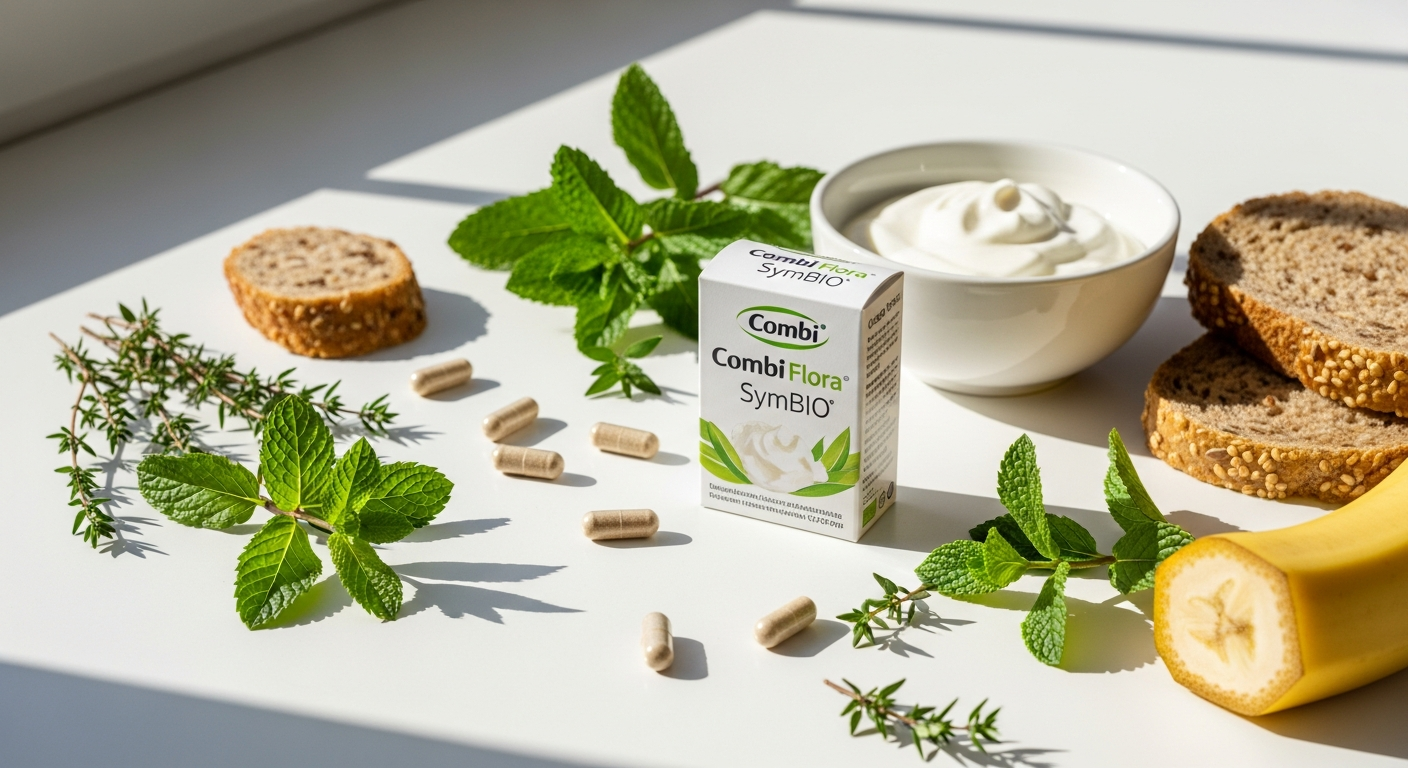
Combi Flora SymBIO, manufactured by Effective Nature and available through MyFairtrade DE, represents a sophisticated solution to the post-antibiotic recovery challenge. Rather than relying on probiotics alone, this product combines three powerful mechanisms: 14 active bacterial strains, the specialized yeast Saccharomyces boulardii, and prebiotic acacia fiber—all working synergistically to actively reconstruct your gut ecosystem.
Discover Combi Flora SymBIO’s complete formula and start your gut restoration today
This guide walks you through exactly how this advanced formula accelerates recovery, breaks down its 3-in-1 mechanisms, examines whether the investment aligns with your health goals, and shares what real users experience during their digestive transformation. You’ll understand why this product consistently ranks as a bestseller and whether it’s the right choice for your post-antibiotic journey.
Why Your Gut Needs Restoration After Antibiotic Treatment
How Antibiotics Impact Your Microbiome
Antibiotics are pharmaceutical precision instruments designed to eliminate bacterial infections. They achieve this by targeting bacterial cell walls and disrupting reproduction. The problem? They can’t distinguish between the pathogenic bacteria causing your infection and the 39 trillion beneficial microorganisms that support your health.
The result is indiscriminate destruction. A single course of antibiotics can eliminate up to 90% of your intestinal flora—both harmful and beneficial strains. This bacterial massacre fundamentally destabilizes your gut environment.
The Timeline for Natural Recovery
Your microbiome possesses resilience, but recovery is slow. Research demonstrates that without targeted intervention, it can take 6 to 12 months—sometimes longer—for bacterial diversity to approach pre-antibiotic levels. Some strains may never fully recover on their own.
During this vulnerable recovery window, your digestive system operates at diminished capacity. Your intestinal lining lacks the protective microbial layer that normally shields against pathogens. Nutrient absorption becomes inefficient. This extended recovery period is neither inevitable nor necessary.
Common Post-Antibiotic Symptoms
The consequences of depleted microbiota manifest across multiple systems:
- Bloating and abdominal discomfort from reduced bacterial fermentation capacity
- Irregular bowel movements ranging from constipation to loose stools
- Weakened immune response due to loss of bacteria that train your immune system
- Food sensitivities that didn’t exist before the antibiotic course
- Fatigue and mood changes linked to impaired gut-brain signaling
- Recurrent infections from loss of competitive pathogenic exclusion
The Dysbiosis Cycle
Dysbiosis—the state of bacterial imbalance—perpetuates itself. When beneficial bacteria decline, pathogenic species gain space and resources. They establish themselves, compete for nutrients, and crowd out recovering beneficial strains. Without intervention, this imbalance can persist for months or years, creating a self-reinforcing problem.
The longer dysbiosis persists, the more entrenched the harmful bacterial ecosystem becomes. Your digestive system essentially forgets how to function optimally.
Active vs. Passive Recovery
Waiting for passive recovery means accepting months of compromised digestion, reduced immunity, and persistent symptoms. Active restoration through targeted supplementation accelerates what your body struggles to achieve alone.
This is where symbiotic formulas—supplements combining probiotics, prebiotics, and beneficial yeast—fundamentally change the recovery trajectory.
The Science Behind Combi Flora SymBIO’s 3-in-1 Symbiotic Formula
The 14 Active Bacterial Strains
Combi Flora SymBIO doesn’t rely on a single bacterial strain. Instead, it delivers 14 complementary strains, each contributing specific benefits to gut restoration:
Lactobacillus reuteri produces reuterin and short-chain fatty acids, reducing inflammation and supporting intestinal barrier integrity. This strain specifically strengthens immune function by promoting the production of protective antibodies.
Lactobacillus helveticus influences the gut-brain axis, improving mood stability and reducing anxiety while simultaneously enhancing digestive comfort. This strain supports nutrient absorption through improved intestinal permeability regulation.
Lactobacillus rhamnosus establishes a competitive barrier against pathogenic bacteria, preventing harmful organisms from colonizing empty intestinal real estate. This strain is particularly effective at preventing infection recurrence after antibiotic treatment.
The remaining strains work in concert, creating redundancy and resilience. Multiple bacterial strains targeting the same function means if one strain doesn’t colonize effectively in your individual microbiome, others can compensate.
Saccharomyces boulardii: The Beneficial Yeast
Most probiotic supplements focus exclusively on bacteria. Combi Flora SymBIO includes Saccharomyces boulardii, a yeast strain that operates through entirely different mechanisms than bacterial probiotics.
This yeast competitively excludes harmful organisms by occupying intestinal space and consuming nutrients that pathogens require. It simultaneously strengthens mucosa protection—the protective mucus layer that prevents bacterial translocation into the bloodstream. During dysbiosis recovery, this dual action prevents opportunistic infections while your bacterial flora rebuilds.
Acacia Fiber: The Prebiotic Foundation
Including probiotics without prebiotics is like planting seeds in barren soil. Acacia fiber serves as selective nutrition for beneficial bacteria, specifically feeding the strains in the formula while bypassing harmful bacteria.
This prebiotic support ensures that the live cultures you’re consuming have resources to establish themselves, multiply, and create a stable community. Without prebiotic support, even high-quality probiotics struggle to colonize permanently.
The Synergistic Effect
The true sophistication of Combi Flora SymBIO emerges from how these three components interact. The 14 bacterial strains establish diverse microbial communities. The yeast provides additional protection while the bacterial population rebuilds. The prebiotic fiber nourishes this emerging ecosystem, ensuring colonization success.
This three-part strategy outperforms any single-ingredient approach. A probiotic-only supplement delivers bacteria but doesn’t provide the nourishing environment they need. A prebiotic-only supplement provides food but no active cultures. Combi Flora SymBIO addresses the complete picture.
CFU Count and Efficacy
Each daily dose delivers 4 billion active intestinal bacteria—a substantial CFU count that reflects genuine formulation strength. This isn’t a token amount; it’s a clinically meaningful dose designed to make a measurable impact on microbiome composition.
Many budget probiotics deliver 1-2 billion CFU. The difference between 2 billion and 4 billion isn’t trivial when you’re trying to rebuild a depleted ecosystem containing trillions of bacteria. Higher CFU counts improve colonization probability.
Delayed-Release Capsule Technology
A critical component of probiotic effectiveness is ensuring live cultures actually reach your intestines. Stomach acid destroys most bacteria within minutes. Standard capsules offer no protection.
Combi Flora SymBIO uses delayed-release capsule technology—enteric coating that resists stomach acid but dissolves in the neutral pH of your small intestine. This ensures the 4 billion CFU survive transit and arrive at their target destination intact, capable of establishing themselves in your intestinal tract.
Combi Flora SymBIO vs. Standard Probiotic Supplements
Multi-Strain Superiority
The probiotic market includes countless single-strain products. These offer simplicity but sacrifice efficacy. A single bacterial strain colonizes more easily in a completely depleted microbiome, but offers limited functional diversity.
Your microbiome isn’t meant to support a monoculture. Natural, healthy intestinal flora contains hundreds of different bacterial species, each filling specific ecological niches. Combi Flora SymBIO’s 14-strain approach better mimics natural diversity and increases the probability that multiple strains will successfully establish in your unique microbiome.
CFU Count Comparison
Across market alternatives, CFU counts vary dramatically:
- Budget probiotics: 1-2 billion CFU
- Mid-range products: 2-5 billion CFU
- Premium formulas: 5-10 billion CFU
Combi Flora SymBIO’s 4 billion CFU positions it solidly in the premium range—delivering substantially more active cultures than budget alternatives while remaining more affordable than ultra-premium competitors.
The Saccharomyces boulardii Advantage
Most probiotic supplements ignore beneficial yeast entirely. This represents a significant oversight. The yeast’s competitive exclusion mechanism addresses pathogenic colonization through an entirely different pathway than bacterial probiotics.
When you’re recovering from antibiotic devastation, having multiple mechanisms fighting dysbiosis dramatically improves outcomes. Most standard probiotics lack this additional layer of protection.
Prebiotic Integration
Standard probiotics treat prebiotics as optional add-ons or ignore them entirely. Combi Flora SymBIO integrates acacia fiber directly into the formula, ensuring that prebiotic support travels with your probiotics.
This matters enormously. Prebiotic fiber taken separately may not be optimally timed with probiotic dosing. Integrated prebiotics ensure your bacteria have immediate nutritional support for colonization.
Organic and Clean-Label Standards
Combi Flora SymBIO carries organic certification, vegan credentials, and gluten-free manufacturing—standards many budget probiotics ignore. These aren’t marketing flourishes; they indicate genuine commitment to ingredient purity and manufacturing integrity.
Products manufactured without rigorous contamination protocols or filled with artificial additives can actually trigger digestive distress in sensitive systems. Clean-label standards matter when your microbiome is already compromised.
Delayed-Release Technology
Most budget probiotics use standard capsules offering zero stomach acid protection. Mid-range products sometimes include enteric coating. Premium formulas like Combi Flora SymBIO prioritize delayed-release mechanisms because they understand that live cultures must survive transit.
This technological difference directly translates to efficacy differences. An unprotected probiotic loses 50-90% of its CFU to stomach acid before reaching your intestines.
Price-to-Efficacy Investment
At €32.90 for a 30-day supply, Combi Flora SymBIO costs approximately €1.10 per dose. For this investment, you receive:
- 4 billion viable CFU
- 14 complementary bacterial strains
- Beneficial yeast strain
- Prebiotic fiber support
- Delayed-release protection
- Organic certification
- Vegan and gluten-free manufacturing
Competing products offering similar comprehensive formulations cost substantially more. Budget alternatives offering lower prices sacrifice one or more of these components.
Compare Combi Flora SymBIO’s comprehensive formula against standard probiotics on MyFairtrade DE
Real User Experiences: Post-Antibiotic Microbiome Recovery
Documented Recovery Timelines
Trustpilot testimonials from users consistently highlight meaningful improvements within specific timeframes:
Week one to two: Most users report initial digestive settling. Bloating begins decreasing. Bowel regularity starts normalizing. Energy levels show modest improvement.
Month one: Bloating substantially decreases or resolves completely. Bowel movements normalize. Users report reduced gas and abdominal discomfort. Mood improvements become noticeable as gut-brain signaling improves.
Month two to three: Sustained improvements solidify. Users report food tolerance expanding—foods that previously triggered sensitivity no longer cause distress. Energy stabilizes at elevated levels. Several users report improved sleep quality.
Specific Digestive Improvements
Users consistently report resolution of post-antibiotic digestive dysfunction:
- Bloating that persisted for months decreases within weeks
- Irregular bowel movements normalize to consistent daily patterns
- Excessive gas production diminishes dramatically
- Abdominal cramping resolves
- Food digestion becomes noticeably more efficient
These improvements aren’t marginal. Users often characterize the changes as life-changing, particularly after enduring months of digestive distress.
Immune Function Enhancement
Beyond digestive improvements, many users report reduced susceptibility to infections. This makes biological sense—beneficial bacteria train immune systems and provide competitive exclusion against pathogens.
Users frequently mention fewer colds, less frequent sinus infections, and reduced recurrence of the infections that originally prompted antibiotic treatment. This secondary benefit directly reflects improved microbiome-immune system cooperation.
Energy and Mood Transformation
Multiple users highlight unexpected energy and mood improvements. This tracks with research on the gut-brain axis—the bidirectional communication between microbiome composition and neurological function.
When dysbiosis persists, impaired bacterial metabolite production (particularly short-chain fatty acids) reduces neurotransmitter synthesis. Restoring healthy microbiota reverses this mechanism, improving both mood stability and energy levels.
Long-Term Integration Patterns
Users who experience positive results often continue Combi Flora SymBIO as ongoing maintenance, typically at reduced frequency (several times yearly rather than daily). This pattern suggests that the supplement effectively establishes microbial communities that persist with periodic reinforcement.
Some users integrate it into seasonal wellness routines, using it proactively before anticipated stress or dietary disruptions that might destabilize their microbiome.
Comparative Performance
When users compare Combi Flora SymBIO against other leading gut health supplements they’ve previously tried, it consistently receives favorable assessments. The comprehensive 3-in-1 formula appears to deliver results that single-component supplements don’t achieve.
Users frequently mention that this product generated noticeable improvement where previous probiotic attempts had failed, attributing the difference to the multi-strain formula combined with prebiotic and yeast support.
Demographic Response Patterns
Strongest results appear among users who:
- Are recovering from recent antibiotic courses (within 3-6 months)
- Have significant baseline dysbiosis symptoms (severe bloating, irregular digestion)
- Commit to consistent daily dosing
- Maintain stable dietary patterns during the recovery period
- Prioritize sleep and stress management alongside supplementation
Interestingly, users already maintaining excellent dietary habits and healthy lifestyles report improvement, but less dramatic transformation than those with more compromised baseline microbiota.
Dosage, Packaging Options & Practical Considerations
Standard Dosage Recommendations
For post-antibiotic recovery, the standard protocol is one capsule daily, preferably taken with food or as directed on packaging. This daily dosing delivers consistent 4 billion CFU support and prebiotic nourishment for microbial colonization.
Some users with severe dysbiosis follow practitioners’ recommendations for higher initial loading doses (2 capsules daily for 2-4 weeks), then taper to maintenance dosing. However, standard single-capsule daily dosing addresses most recovery scenarios effectively.
Packaging Options: 60-Capsule Supply
The 60-capsule packaging provides a 30-day supply at standard dosing, priced at approximately €32.90. This option works well for:
- Users evaluating whether the product suits their needs before committing to larger quantities
- Those following short-term post-antibiotic recovery protocols
- Individuals preferring to assess tolerance before significant investment
- Maintenance users who supplement periodically rather than continuously
180-Capsule Bulk Option
The 180-capsule packaging (€82.90) provides a 6-month supply at standard dosing, delivering meaningful cost savings compared to purchasing multiple smaller packages. This option makes sense for:
- Users experiencing strong results who want to continue uninterrupted recovery
- Those committing to 3-6 month intensive microbiome restoration
- Individuals planning long-term maintenance supplementation
- Cost-conscious buyers prioritizing the per-capsule savings (€0.46 per capsule versus €0.55 for the smaller package)
Powder Form Alternative
Combi Flora SymBIO is also available as a 70-gram powder formula. Powder options suit users who:
- Prefer mixing supplements into beverages or food
- Have difficulty swallowing capsules
- Want flexibility in portion sizing
- Don’t require delayed-release protection (powder formulas typically lack enteric coating)
However, the capsule form offers superior protection for live cultures during transit to your intestines, making it the optimal choice for post-antibiotic recovery where maximizing CFU delivery is critical.
Storage Requirements and Stability
Probiotics require careful storage to maintain viability. Combi Flora SymBIO should be stored in cool, dry conditions—ideally between 15-25°C. Excessive heat degrades live cultures. Humidity can compromise capsule integrity.
Store away from direct sunlight and high-temperature environments. Proper storage maintains full CFU potency throughout the product’s shelf life. Improper storage (heat, humidity, light exposure) gradually reduces viable culture counts.
Optimal Timing and Absorption
Take capsules with food or as directed on packaging. Food provides a protective buffer that helps capsules survive stomach acid passage. Taking with food also stimulates digestive secretions that facilitate prebiotic fermentation.
Morning dosing works well for most users, establishing consistent daily routine. Some practitioners recommend timing based on individual digestive patterns—taking capsules during your strongest digestive hours optimizes bacterial colonization.
Medication and Supplement Compatibility
Combi Flora SymBIO generally displays excellent compatibility with other supplements. However, certain medications warrant consideration:
- Antibiotics (obviously incompatible—wait until antibiotic course completes)
- High-dose antacids may interfere with delayed-release mechanism
- Immunosuppressive medications warrant medical consultation before starting
- Most standard medications (vitamins, minerals, herbal supplements) combine safely
If you’re on medications or immunosuppressive therapy, brief medical consultation ensures safe integration.
Nutritional Optimization
Supplement effectiveness improves dramatically when paired with supportive nutrition:
- Increase fiber intake from whole grains, vegetables, and legumes
- Consume fermented foods (sauerkraut, kefir, kombucha) for additional beneficial bacteria
- Prioritize prebiotic-rich foods (garlic, onions, asparagus, bananas)
- Stay adequately hydrated to support bacterial colonization and metabolite diffusion
- Minimize processed foods and artificial additives that feed pathogenic bacteria
Nutritional support amplifies supplementation benefits.
Cost Analysis: Is Combi Flora SymBIO Worth the Investment?
Price Structure Breakdown
The 60-capsule package at €32.90 averages €1.10 per daily dose. The 180-capsule bulk option at €82.90 averages €0.46 per capsule—€0.64 daily savings through bulk purchasing.
Annual continuous supplementation (365 capsules) costs approximately €168-€202 depending on package selection. This represents genuine investment in gut health.
Cost-Per-Dose Competitor Comparison
Market comparison reveals:
- Budget single-strain probiotics: €0.20-€0.40 per dose
- Mid-range multi-strain formulas: €0.60-€1.00 per dose
- Premium comprehensive formulas: €1.50-€2.50+ per dose
Combi Flora SymBIO’s €1.10 per-dose cost positions it as premium-quality pricing with competitive rates for its comprehensive formulation level.
Return-on-Investment Perspective
The relevant comparison isn’t supplement cost alone—it’s supplement cost versus the consequences of prolonged dysbiosis:
- Medical visits for persistent digestive issues: €50-€150+ per appointment
- Diagnostic testing (colonoscopy, stool analysis): €200-€500+
- Medications for IBS symptoms, bloating, irregular digestion: €30-€60+ monthly
- Lost productivity from severe digestive symptoms: incalculable
- Compromised immunity creating recurring infections requiring treatment: variable
A €33 supplement that resolves months of digestive distress and reduces infection recurrence within weeks represents exceptional value from a total health-cost perspective.
Users who avoid even one additional antibiotic course through improved immune function offset the supplement’s entire annual cost through reduced infection-treatment expenses.
Long-Term Value Assessment
For post-antibiotic recovery specifically, most users require intensive supplementation for 2-4 months (€66-€132 total investment). Some continue at maintenance doses for 6-12 months (€168-€240 annually).
Comparing this to:
- Months of untreated dysbiosis with persistent symptoms
- Potential additional infections requiring antibiotic treatment
- Reduced quality of life from digestive distress
- Ongoing vulnerability to food sensitivities and digestive irregularity
The investment becomes difficult to justify as expensive.
Bulk-Purchase Economics
The €82.90 bulk package price represents 21% savings compared to purchasing equivalent quantities of 60-capsule packages. For users committing to 3-6 month intensive recovery or ongoing maintenance, bulk purchasing optimizes value.
Purchasing multiple 180-capsule packages for extended recovery protocols (6-12 months) further reduces per-capsule costs through economies of scale.
Subscription Advantages Through MyFairtrade DE
While specific subscription details require checking current platform offerings, bulk distributors often provide additional savings for subscription arrangements or regular automatic shipments. Investigating subscription options through MyFairtrade DE may reveal further cost optimization for long-term users.
When Premium Pricing Is Justified
The premium pricing compared to basic probiotics reflects genuine formulation sophistication:
- 14 complementary bacterial strains versus single-strain competitors
- 4 billion CFU versus 1-2 billion in budget alternatives
- Integrated prebiotic support
- Beneficial yeast inclusion
- Delayed-release protection
- Organic certification and clean-label standards
- Quality assurance testing
These aren’t cosmetic enhancements. They directly translate to superior microbiome restoration efficacy. Users experiencing failed results with budget probiotics frequently find success with Combi Flora SymBIO—the investment pays for itself through effectiveness.
Who Benefits Most From Combi Flora SymBIO Gut Capsules
Primary Use Case: Post-Antibiotic Recovery
The strongest evidence base and most dramatic user results involve post-antibiotic microbiome recovery. Individuals who have recently completed antibiotic courses for infections (bacterial, sinus, urinary tract, respiratory) experience the most pronounced benefits.
The timing matters. Starting Combi Flora SymBIO immediately after antibiotic completion—when dysbiosis is most severe—produces optimal results. Waiting months after antibiotic treatment means dysbiosis has become more entrenched, requiring longer supplementation for equivalent results.
Secondary Applications
Beyond post-antibiotic recovery, users benefit from Combi Flora SymBIO for:
- Chronic digestive issues including persistent bloating, irregular bowel movements, and unexplained abdominal discomfort
- IBS symptoms where dysbiosis contributes to functional digestive dysfunction
- Food sensitivities that developed or intensified following dysbiosis
- Weakened immune function manifesting as frequent infections or slow infection recovery
- Mood and anxiety issues linked to gut-brain axis dysfunction
While evidence is strongest for post-antibiotic recovery, secondary applications reflect the reality that modern lifestyles (processed foods, stress, antibiotics from multiple sources) create widespread dysbiosis.
Ideal User Profile
Users experiencing maximum benefit typically:
- Prioritize organic, vegan, clean-label products as core health values
- Are willing to invest in preventative health
- Understand microbiome science and recognize dysbiosis as a meaningful health factor
- Commit to consistent daily supplementation
- Make supportive lifestyle choices (adequate sleep, stress management, dietary improvement)
- Track symptoms carefully enough to recognize improvement patterns
Conversely, users expecting miracle results without lifestyle support or those seeking single-dose quick fixes may experience disappointment.
Age Considerations
Combi Flora SymBIO suits diverse age groups:
- Children and adolescents (with medical guidance): recovering from antibiotic courses
- Adults (primary target demographic): experiencing post-antibiotic or chronic dysbiosis
- Older adults: benefiting from improved digestive efficiency and immune support as baseline immunity declines
Age doesn’t preclude benefit, though specific dosing recommendations may vary for younger users.
Important Contraindications
The product carries explicit contraindications for:
- Individuals with venous catheters: yeast-containing supplements carry theoretical infection risk with compromised vascular access
- Those undergoing immunosuppressive therapy: live cultures may pose infection risk if immune function is severely compromised
Medical clearance is essential before starting if you fall into these categories.
Histamine Sensitivity Considerations
Some fermented probiotics generate histamine during fermentation. While Combi Flora SymBIO doesn’t explicitly list as high-histamine, individuals with severe histamine intolerance should verify with manufacturers or proceed cautiously, observing for potential reactions.
FODMAP Compatibility
The acacia fiber prebiotic is FODMAP-compliant, making it suitable for individuals following low-FODMAP diets for IBS management. This represents an advantage over other prebiotic options (inulin, FOS) that trigger symptoms in FODMAP-sensitive individuals.
Performance Athletes and Fitness Enthusiasts
Athletes benefit from Combi Flora SymBIO through:
- Enhanced nutrient absorption translating to improved bioavailability of dietary protein and micronutrients essential for recovery
- Improved immune function reducing training interruptions from illness
- Optimized energy metabolism through improved bacterial metabolite production
- Reduced GI distress during intense training
The formula’s vegan credentials also suit plant-based athletes prioritizing whole-food supplementation.
Immune System Optimization
Users with any degree of immune compromise—whether from lifestyle stress, aging, illness, or environmental factors—benefit from microbiome optimization. Approximately 70% of immune system tissue resides in the gut. A healthy microbiome directly translates to improved immune competence.
Maximizing Results: Integration With Lifestyle & Nutrition
Complementary Dietary Strategies
Supplementation alone provides necessary but insufficient support. Dietary choices determine whether introduced bacterial strains successfully establish:
Increase fiber intake to 25-35 grams daily from whole grains, vegetables, legumes, and fruits. Fiber feeds both introduced probiotic strains and beneficial native bacteria, creating conditions for permanent colonization.
Consume fermented foods including sauerkraut, kimchi, kefir, tempeh, and kombucha. These deliver additional beneficial bacteria and enzymatic support, complementing supplemental strains.
Prioritize prebiotic-rich foods specifically:
- Garlic and onions (raw or lightly cooked)
- Asparagus
- Bananas (especially slightly underripe)
- Chicory root
- Leeks
- Jerusalem artichokes
Minimize processed foods and artificial additives which selectively feed pathogenic bacteria while starving beneficial strains. Read ingredient labels carefully—artificial sweeteners particularly disrupt microbiome balance.
Hydration’s Role in Microbiome Recovery
Adequate hydration supports:
- Bacterial metabolite diffusion throughout the intestinal system
- Mucus layer production protecting intestinal epithelium
- Proper stool consistency facilitating regular elimination
- Nutrient absorption and transport
Target 2-3 liters daily, adjusted for activity level and climate. Dehydration impairs microbiome recovery regardless of supplementation quality.
Stress Management and Cortisol Impact
Chronic stress elevates cortisol, which directly impairs:
- Beneficial bacterial colonization
- Intestinal barrier integrity
- Immune tolerance development
- Microbial metabolite production
Implement stress management practices:
- Meditation or mindfulness (15-30 minutes daily)
- Gentle exercise or yoga
- Time in nature
- Creative pursuits
- Social connection
Stress reduction during microbiome recovery accelerates improvement more effectively than many dietary interventions.
Sleep Quality and Circadian Rhythm Alignment
Sleep deprivation disrupts microbiome composition through circadian rhythm disruption. Conversely, consistent high-quality sleep (7-9 hours nightly) supports:
- Bacterial colonization patterns
- Intestinal barrier repair
- Immune system maturation with microbial assistance
- Metabolic efficiency
Establish consistent sleep schedules, maintain cool dark sleeping environments, and minimize blue light exposure evening hours.
Exercise Timing During Recovery
Exercise benefits microbiome recovery but requires timing consideration:
- Moderate activity (walking, yoga, light resistance training) supports recovery and should continue daily
- Intense training may temporarily stress recovery if microbiome is severely compromised
- Timing: avoid intense exercise immediately after supplementation; wait 2-3 hours to allow bacterial culture delivery to intestines
Gradually increase exercise intensity as symptoms improve.
Foods to Prioritize
Focus consumption on:
- Whole grains (oats, brown rice, quinoa, millet)
- Legumes (lentils, chickpeas, black beans)
- Cruciferous vegetables (broccoli, cauliflower, Brussels sprouts)
- Root vegetables (carrots, beets, sweet potatoes)
- Leafy greens (spinach, kale, arugula)
- Berries (rich in polyphenols that feed beneficial bacteria)
- Healthy fats (olive oil, avocado, walnuts, flaxseeds)
- Bone broth (supports intestinal barrier integrity)
These foods provide the fiber, polyphenols, and nutrients that support beneficial bacterial growth.
Foods to Minimize or Eliminate
Restrict or avoid:
- Refined carbohydrates (white bread, pastries, refined cereals)
- Ultra-processed foods (packaged snacks, fast food)
- Artificial sweeteners (aspartame, sucralose, saccharin)
- Added sugars beyond whole-food sources
- Excess alcohol (more than 1-2 drinks weekly)
- Processed meats (ham, bacon, sausage)
These feed pathogenic bacteria and inhibit beneficial strain colonization.
Realistic Timeline Expectations
Understanding realistic improvement timelines maintains motivation and allows accurate assessment of whether supplementation works for you:
- Week 1-2: Subtle digestive settling, reduced initial bloating
- Week 3-4: Noticeable bloating reduction, bowel regularity improvement
- Month 2: Food tolerance expanding, energy stabilization
- Month 3: Sustained improvements, symptom resolution solidifying
- Month 4-6: Long-term benefits stabilizing, potential transition to maintenance dosing
Some users experience faster improvement; others require longer. Individual variation is normal.
The Organic & Clean-Label Advantage
What Organic Certification Means
Organic certification for probiotic supplements indicates:
- No synthetic pesticides or herbicides in ingredient cultivation
- Non-GMO ingredient sourcing
- Third-party verification of production standards
- Absence of synthetic additives throughout manufacturing
For supplements destined for sensitive digestive systems, this purity matters substantially.
Absence of Artificial Additives
Many commercial probiotics include:
- Fillers (maltodextrin, cellulose) that may trigger digestive distress
- Flow agents that may interfere with delayed-release mechanisms
- Artificial colorants that trigger sensitivity reactions
- Unnecessary binding agents
Combi Flora SymBIO’s clean formulation avoids these, delivering only essential components: probiotic cultures, prebiotic fiber, and protective capsule material.
Vegan Formulation Ethics
Vegan credentials indicate:
- No animal-derived ingredients (no dairy-sourced probiotics, no gelatin capsules)
- Sustainable ingredient sourcing prioritizing environmental impact
- Alignment with ethical consumption values for concerned consumers
The vegan formulation expands accessibility for those with dietary or ethical restrictions without compromising probiotic efficacy.
Gluten-Free Manufacturing
Gluten-free manufacturing means:
- Dedicated production facilities preventing cross-contamination
- Rigorous ingredient verification for hidden gluten sources
- Suitability for celiac disease and non-celiac gluten sensitivity
For individuals with gluten-related digestive concerns (common in dysbiosis), gluten-free manufacturing ensures the supplement itself doesn’t trigger additional distress.
Third-Party Testing and Quality Assurance
Premium manufacturers conduct independent third-party testing verifying:
- Actual CFU counts match label claims
- Absence of contaminating pathogens
- Identity verification of ingredient strains
- Absence of heavy metals or other contaminants
This testing provides verification that what’s on the label is actually in the product. Many budget supplements fail third-party verification.
Transparency in Sourcing and Manufacturing
Quality manufacturers clearly document:
- Ingredient sourcing locations
- Manufacturing facility locations and certifications
- Quality control procedures
- Shelf-life and storage requirements
This transparency builds confidence and allows informed purchasing decisions.
Clean-Label Performance in Sensitive Digestive Systems
Individuals with dysbiosis often develop heightened sensitivity to additives. Clean formulations avoid triggering adverse reactions that undermine supplementation benefits.
Users frequently report that they tolerate Combi Flora SymBIO better than competitor products, attributing the difference to ingredient purity and absence of unnecessary fillers.