
Nothing derails a good hike like a stubborn stove and a cold dinner. Wind, altitude, and tired hands make “simple camp cooking” weirdly complex. In this article, we’ll break down how to build a calm, flexible cooking setup for trails, trains, and alpine mornings — using the MSR Switch Stove System as a case study in speed, stability, and modular design that scales from solo coffee to shared camp meals without weighing you down.
Why Modularity Matters in the Real World
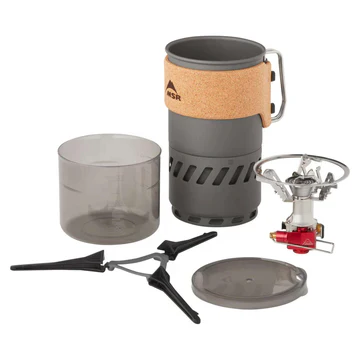
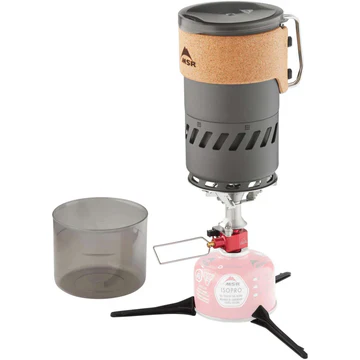
Trail kitchens aren’t static. One weekend you’re brewing solo; the next you’re cooking for two at a windswept saddle. Modularity turns a good stove into a dependable system: the burner, pot, lid, cozy, and stand all play different roles depending on the meal and the weather. The MSR Switch Stove System leans into this idea with an integrated pot that locks into the burner for fast boils, plus a wide-open “cook mode” for frying, simmering, or group meals when you swap pots or use a pan. Instead of carrying two stoves for different trips, you carry one setup that changes mode in seconds.
Fast Boils = More Margin for Adventure
Speed isn’t just about impatience — it’s safety, warmth, and morale. A quick boil means a hot drink before you start to shiver, a dehydrated meal brought to life before the daylight slips, and less fuel burned fighting wind. The integrated pot on the MSR Switch Stove System channels heat efficiently, while a secure coupling keeps things stable on uneven ground. When your stove lights reliably and water rolls quickly, you bank precious minutes for navigation and camp setup, not just cooking.
Stability Is Everything (Especially When You’re Hungry)
Spilled dinner is a morale killer. A smart stove system addresses balance at three points: the pot/burner connection, the pot shape, and the canister stance. With the MSR Switch Stove System, the integrated pot locks down so you can stir without the “skatey” wobble of ultralight cup stoves. The broader base adds stability, and a low center of gravity helps when your campsite is more “root and rock” than “tabletop flat.” That stability pays off when you’re multitasking — one eye on the pot, one on the weather rolling over the ridge.
Two Modes, One Brain: Boil Mode vs. Cook Mode
Think of your camp meals as two families:
- Boil mode: coffee at dawn, ramen on the ridge, quick couscous, dehydrated entrees. You want heat straight up, minimal fuss, and a lid that keeps the wind out. The MSR Switch Stove System in integrated mode is perfect here — snap in, fire up, done.
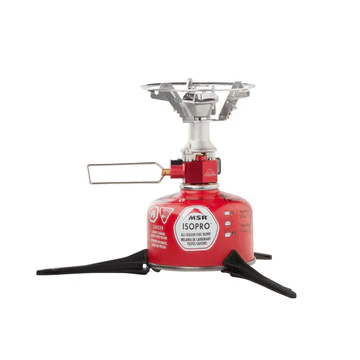
- Cook mode: pancakes, eggs, fried halloumi, or a simmered pasta sauce at basecamp. You want flame control and a broader pot or pan. Switch the system to open-pot mode and you’ve got a flame pattern that behaves more like a home hob (within reason), so you can actually cook, not just boil.
By swapping modes, one stove handles the full menu—from five-minute coffees to a proper camp supper.
Fuel Efficiency: Fewer Canisters, More Miles
Weight on the trail is tax; fuel inefficiency is interest on that tax. A wind-aware, integrated system uses less fuel for the same heat, which means you carry fewer canisters over the course of a week. The MSR Switch Stove System builds efficiency into the pot/burner pairing and the lid geometry, so you get more boils per canister. Pack a small backup if you’re paranoid about supply, but for typical three-day loops you’ll notice the difference in both pack weight and budget.
Wind Happens: Design That Respects the Elements
Open-flame stoves love to underperform when the breeze picks up. A smarter system manages airflow and shields the flame without starving it. The MSR Switch Stove System uses a tight pot-to-burner interface that naturally blocks crosswind, while the lid and cozy help hold onto heat you’ve already paid for. Add smart site selection — tuck behind a boulder, align with the wind — and you’ll see steady boil times instead of the “why isn’t this boiling?” spiral that eats fuel and patience.
Packability: A Kitchen That Nests, Not Rattles
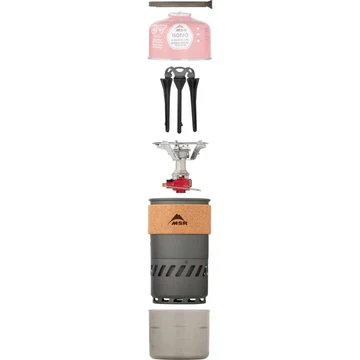
Backpacking peace comes from fewer loose bits. The MSR Switch Stove System nests: the burner, canister stand, lighter, and a small canister (check sizing) tuck inside the pot with the lid locking it all down. No rattly kit. No “where did the igniter go?” panic. Pack the system near the top of your bag for fast lunch stops; the cozy keeps heat where it belongs when you’re sipping mid-storm.
Simple Menus That Punch Above Their Weight
When the stove works, you can keep the food simple and still feel spoiled. Here’s a three-day menu that pairs perfectly with the MSR Switch Stove System:
- Dawn coffee & oats: boil 400–500 ml fast; stir in oats, a pinch of salt, and dry milk.
- Trail ramen 2.0: boil, kill flame, stir in noodles and miso, add sliced salami and a squeeze of lime.
- Couscous dinner: bring water to boil, remove from heat, add couscous + olive oil + spice packet; cover 5 mins. Top with foil-pouched tuna and chopped olives.
- Pancake morning at basecamp: switch to cook mode with a small pan; gentle flame for even browning; finish with trail berries or jam.
You’re not a restaurant — you’re tired and happy. Let the stove do the heavy lifting.
Safety & Control: Flame Logic You Can Trust
A trustworthy stove lights predictably and changes heat without drama. The control valve on the MSR Switch Stove System gives you repeatable adjustments — quarter-turn to simmer, half-turn to rolling boil — so you don’t scorch pancakes or undercook pasta. Use a stable stance, clear debris from the base area, and never enclose the stove so tightly that you starve it of oxygen.
Cleaning & Care: Keep It Trail-Ready
Grease and grit are the enemies of reliable cooking. Wipe the burner head gently after trips, keep threads free of dust, and stow a tiny microfiber cloth inside the pot. If you’ve been simmering sauce, let the pot soak a minute before wiping to preserve the nonstick finish. Dry everything before nesting so the cozy stays fresh. A 60-second reset on Sunday means your next Friday pack is grab-and-go.
Who It’s For (and When to Consider Elsewhere)
The MSR Switch Stove System thrives for hikers who value speed and flexibility: solo trekkers who sometimes become groups of two, bikepackers who want minimal bulk, travelers who jump from huts to tents. If you exclusively cook elaborate skillet meals for four, you might bring a dedicated wide-base stove or a second pan — but even then, keeping the Switch for fast boils and morning coffee is a luxury that weighs little and saves time.
Cold Mornings, High Places: Practical Tips That Work
- Warm the canister: keep it in your jacket for five minutes at dawn to improve pressure in cold temps.
- Lid on, always: it’s free efficiency; your fuel lasts longer.
- Stir at the edges: integrated pots run hot; keep food moving to avoid hot spots in cook mode.
- Pre-measure at home: zip bags with one-meal portions stop the guesswork and the mess.
- Wind discipline: your back to the breeze, stove leeward of a pack or rock — small moves, big stability.
The Joy Factor (Because Gear Should Make You Want to Go)
Reliable cook gear is permission to stretch the day: a dawn summit with a thermos of coffee, a late-light dinner at the tarn because you know the boil will be swift, the second cocoa because fuel isn’t a worry. The MSR Switch Stove System turns energy into food and warmth with fewer decisions along the way. That’s the kind of simplicity that makes you say yes to one more mile.
Conclusion
Camp kitchens live or die on predictability: will it light, will it boil, will it stay stable when the wind shows up? The MSR Switch Stove System answers with modular confidence. In boil mode, it’s a rocket for water and freeze-dried meals; in cook mode, it lets you actually make breakfast without scorching. It nests cleanly, sips fuel, shrugs off breeze, and grows with the trip you planned — or the one that finds you. If you want a system that turns “ugh, dinner” into “yes, dinner,” this is the stove that keeps camp simple and spirits high.
FAQ
- Is this better for boiling water or actual cooking?
Both. The integrated MSR Switch Stove System excels at fast boils in wind; switch to open-pot cook mode for pancakes, eggs, or simmered sauces. - How does it handle wind?
The tight pot-to-burner interface and lid/cozy combo keep heat where it belongs. Add basic wind discipline (hide behind a rock) and boil times stay consistent. - Can I nest a fuel canister inside the pot?
Yes, check canister sizing; the system is designed to nest the essentials (burner, stand, lighter, small canister) so it packs rattle-free. - What about cold mornings and altitude?
Warm the canister in a pocket before lighting and keep the lid on. The MSR Switch Stove System maintains steady output with smart site choice and a sheltered flame path. - Does it simmer, or is it just on/off?
You get usable flame control. Quarter-turn adjustments make gentle simmering possible in cook mode; keep food moving to avoid hot spots. - How do I keep it clean on trail?
Bring a tiny cloth, wipe the burner head and threads after use, and let the pot soak for a minute if you cooked anything sticky. Dry fully before nesting. - Who’s it best for?
Hikers, bikepackers, and travelers who want one stove that snaps between fast-boil mornings and real-food evenings — with fewer canisters and less faff.