

Understanding Flea Allergies and Why Standard Prevention Fails
Flea allergies affect roughly 10% of dogs and cats, creating a cycle of relentless scratching, skin infections, and sleepless nights for both pets and their owners. Unlike pets with normal flea infestations, allergic animals experience an exaggerated immune response that turns a single bite into weeks of misery. Standard flea treatments often fail these sensitive pets because they only address adult parasites, leaving the underlying inflammatory cascade unchecked.
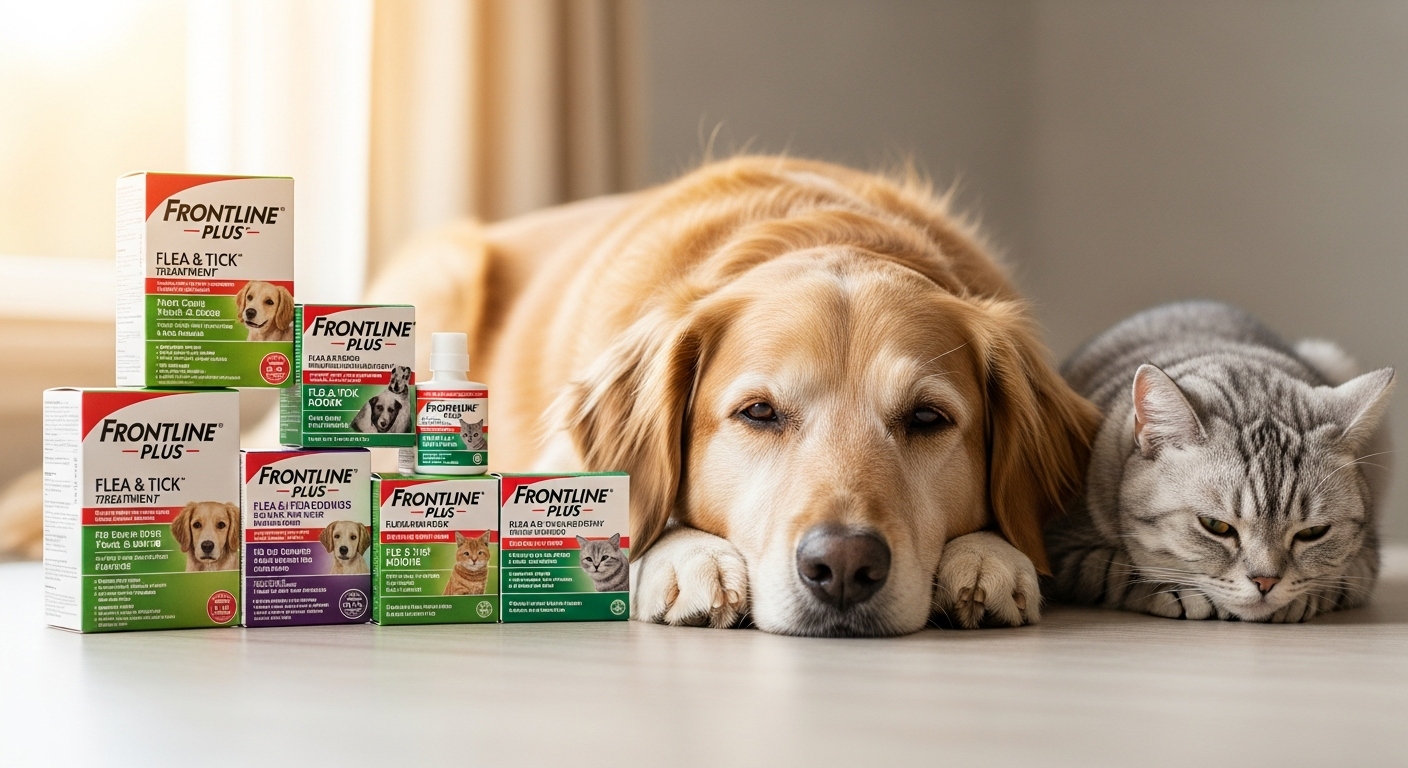
Frontline Plus has earned its reputation as a veterinarian-trusted powerhouse in parasite prevention by combining a dual-action formula that breaks the entire pest lifecycle while specifically targeting flea allergy dermatitis. This comprehensive approach means relief doesn’t just come from killing existing fleas—it comes from preventing the eggs and larvae that would otherwise perpetuate the cycle.
Discover how Frontline Plus can transform your allergic pet’s life at PetCareClub.com today.
How Flea Allergy Dermatitis (FAD) Differs From Regular Flea Infestations
Flea allergy dermatitis isn’t simply an allergic reaction to flea bites—it’s an inflammatory cascade triggered by proteins in flea saliva. A pet with FAD experiences an immune system overreaction where one bite can produce inflammation lasting weeks. The scratching intensifies the allergic response, creating open wounds that invite bacterial infections. Regular infestations may cause itching, but allergic pets suffer a magnified, prolonged reaction that standard preventive measures struggle to address.
The Inflammatory Response Triggered by Flea Saliva and Why One Bite Causes Weeks of Suffering
When a flea bites an allergic pet, its saliva enters the bloodstream and triggers an immediate hypersensitivity response. Histamine floods the area, causing intense itching that forces the pet to scratch obsessively. This scratching damages the skin barrier, allowing secondary bacterial infections to develop. The inflammation persists long after the flea is gone, which is why stopping new infestations becomes critical for allergic pets. Without prevention, the cycle perpetuates indefinitely.
Why Conventional Flea Treatments Sometimes Miss the Mark for Allergic Pets
Many standard flea treatments focus solely on killing adult parasites. While this reduces the immediate flea population, it doesn’t address the eggs and larvae developing in the environment. For allergic pets, even a handful of new fleas can reignite the inflammatory response. Additionally, some treatments have delayed action times, meaning fleas bite before they die, triggering allergic reactions in sensitive animals. A truly effective solution must eliminate all life stages simultaneously.
The Connection Between Incomplete Parasite Elimination and Persistent Allergic Reactions
Incomplete parasite control creates a frustrating pattern: owners treat their pets, see temporary improvement, then watch symptoms return as new fleas emerge from untreated eggs. This cycle keeps the immune system in a constant state of heightened alert. Persistent low-level flea exposure maintains chronic inflammation, preventing the skin from healing and making secondary infections almost inevitable. Breaking this cycle requires eliminating not just adult fleas, but the entire reproductive chain.
The Dual-Action Science Behind Frontline Plus
Frontline Plus works through a precisely engineered combination of two active ingredients that target fleas and ticks at every life stage. This synergistic approach delivers relief that single-ingredient treatments simply cannot match.
How Fipronil Works as a Potent Insecticide Against Adult Fleas and Ticks
Fipronil disrupts the central nervous system of adult fleas and ticks by blocking chloride channels in their neurons. This causes uncontrolled neuronal activity, paralysis, and rapid death. The ingredient works within hours of application, eliminating existing parasites before they can cause additional bites. Fipronil’s potency means even resistant flea populations fall quickly, making it particularly valuable for allergic pets that cannot tolerate extended exposure.
Understanding (S)-methoprene as an Insect Growth Regulator Targeting Eggs and Larvae
While Fipronil handles adult parasites, (S)-methoprene targets the next generation. This insect growth regulator mimics juvenile hormone in fleas, disrupting their development from egg to larva to pupa. Eggs fail to hatch, larvae cannot pupate, and the entire reproductive cycle collapses. This ingredient works over weeks rather than hours, creating long-term protection by preventing any immature fleas from ever reaching the biting stage.
Why Breaking the Complete Flea Lifecycle Matters for Allergic Pets
For allergic pets, breaking the complete lifecycle is non-negotiable. If only adult fleas are eliminated while eggs remain viable, the problem simply restarts in two to three weeks. By targeting all stages simultaneously, Frontline Plus prevents the continuous wave of new fleas that keeps allergic pets in a perpetual inflammatory state. Complete lifecycle disruption means the immune system can finally rest, inflammation subsides, and healing begins.
The Synergistic Effect of Combining Two Active Ingredients for Maximum Relief
The combination of Fipronil and (S)-methoprene creates a synergistic effect greater than either ingredient alone could achieve. Fipronil’s rapid action kills adult fleas immediately, stopping new bites. (S)-methoprene simultaneously stops the next generation from ever developing. Together, they create a comprehensive barrier that prevents flea populations from rebounding. For allergic pets, this dual-action approach represents the gold standard in parasite prevention.
Dosage Options and Weight-Based Selection for Cats and Dogs
Selecting the correct Frontline Plus formulation requires matching the product to your pet’s species and body weight. Incorrect dosing compromises effectiveness and could create safety concerns.
Available Formulations: Cat-Specific Versus Dog-Specific Variants
Frontline Plus comes in separate formulations designed specifically for cats and dogs. The chemical concentrations differ because cats metabolize medications differently than dogs. Using a dog product on a cat or vice versa can result in ineffective treatment or adverse reactions. Always verify that you’re purchasing the correct species-specific variant for your pet.
The Four Primary Dosage Tiers for Dogs and Their Weight Ranges
Dogs have four primary dosage options based on their weight. These tiers ensure that each dog receives an appropriate amount of active ingredient relative to body mass. Selecting the tier that corresponds to your dog’s current weight ensures maximum effectiveness while maintaining safety margins. Dosages are designed to provide consistent blood concentration levels across the weight range.
Orange Packaging Specifications: Ideal for Small Dogs Up to 22 lbs
The orange-packaged variant of Frontline Plus is formulated for small dogs weighing up to 22 pounds. This formulation contains the appropriate concentration of Fipronil and (S)-methoprene for dogs in this weight range. Using this product on heavier dogs would provide insufficient active ingredient; using it on significantly lighter dogs could create excessive concentration. Accurate weight measurement ensures you select the right package.
How to Measure Your Pet Accurately to Select the Correct Dose
Weigh your pet using a veterinary scale or a household scale where you can hold the pet and subtract your own weight. Measure during the same time of day for consistency, ideally before meals. If your pet’s weight falls near a tier boundary, choose the higher tier to ensure adequate protection. Reweigh your pet every few months, as weight changes may necessitate a dosage adjustment.
Cost Comparison: Why PetCareClub.com Offers Unbeatable Value
PetCareClub.com delivers premium parasite prevention at prices that make veterinary-quality treatment accessible to every pet owner.
Small Dog (Orange) Pricing Breakdown
For small dogs, PetCareClub.com offers competitive pricing across all supply options:
- 3-month supply: approximately $22.07
- 6-month supply: approximately $40.30
- 12-month supply: approximately $76.76
These prices represent dramatic savings compared to purchasing Frontline Plus through veterinary clinics, where a single dose often costs $20 to $30.
Price-Per-Dose Breakdown Showing Savings Versus Veterinary Clinic Purchases
Breaking down the 12-month supply, each monthly dose costs just $6.40 through PetCareClub.com. Veterinary clinics typically charge $20 to $30 per dose, making the savings substantial over time. A pet requiring Frontline Plus for 12 months through a vet clinic could cost $240 to $360, while the same protection through PetCareClub.com costs just $76.76. For families with multiple allergic pets, these savings multiply quickly.
Bulk Purchasing Advantages and How to Calculate Long-Term Savings
Purchasing larger supplies reduces the per-dose cost further and ensures you never run out of protection. Rather than reordering monthly and paying shipping fees multiple times, bulk purchasing consolidates costs. Calculate your savings by comparing the 12-month supply price against the cost of purchasing individual doses. Most pet owners find the 12-month option provides the best value while guaranteeing consistent protection throughout the year.
Comparison With Other Flea Allergy Treatment Options and Hidden Costs of Untreated Allergies
While other flea prevention products exist, few combine Frontline Plus’s proven efficacy with PetCareClub.com’s pricing. Untreated flea allergies create hidden costs that far exceed the price of prevention: veterinary visits for skin infections, antibiotics, anti-inflammatory medications, and potentially advanced treatments for chronic dermatitis. Pets with severe untreated allergies sometimes require daily medication or dietary supplements. Prevention through Frontline Plus costs a fraction of treating the complications that develop without it.
Real-World Results: How Frontline Plus Addresses Allergic Symptoms
The true measure of Frontline Plus’s effectiveness comes from the results experienced by pet owners managing feline and canine flea allergies.
Customer Testimonials From Pet Owners With Allergic Dogs and Cats
Pet owners consistently report transformative results after starting Frontline Plus. Dogs that once scratched obsessively now rest peacefully. Cats that licked and bit their skin raw begin to show healing. The feedback centers on a common theme: relief finally comes for pets that have suffered through allergic cycles for months or years. Owners describe the change as watching their pet’s personality return as discomfort fades.
Typical Timeline for Seeing Improvement in Scratching and Skin Irritation
Most pets show noticeable improvement within one to two weeks of the first application. Adult flea populations decline rapidly once Fipronil takes effect, reducing the stimulus triggering allergic responses. Scratching intensity decreases noticeably within this window. Full improvement in skin condition takes longer—typically four to six weeks—as the skin barrier heals and secondary infections clear. Continued monthly applications maintain this improvement indefinitely.
Before-and-After Observations: Coat Condition, Energy Levels, Sleep Quality
Before Frontline Plus, allergic pets often have patchy, damaged coats from constant scratching. Their skin appears irritated and inflamed, sometimes with visible lesions or hair loss. Energy levels drop as chronic discomfort exhausts them. Sleep becomes interrupted and restless. After consistent Frontline Plus use, coats regain shine and fullness. Skin heals, inflammation subsides, and patches of missing hair fill in. Pet owners report increased playfulness, better appetite, and peaceful sleep—both for their pets and themselves.
Success Rates for Preventing Secondary Skin Infections in Allergic Pets
By breaking the flea lifecycle and stopping excessive scratching, Frontline Plus dramatically reduces secondary bacterial skin infections. Open wounds from scratching are infection highways; eliminating the driving force behind the scratching prevents these dangerous complications. Success rates for preventing infections through consistent Frontline Plus use are exceptionally high, particularly when applications remain on schedule and all pets in the household are treated.
Application Best Practices for Maximum Effectiveness
Proper application ensures Frontline Plus delivers its full protective benefit. Incorrect application can reduce effectiveness or create safety concerns.
Step-by-Step Application Instructions for Topical Treatment
Begin by positioning your pet comfortably where you can access the back of their neck. Part the fur to expose the skin directly behind the head, between the shoulder blades. This location prevents the pet from licking the application site. Remove the pipette from its packaging and carefully apply the entire contents directly to the exposed skin in a thin line. Never apply it to fur where it will run off without touching skin. Repeat this process with multiple applications across the shoulder blade area if treating a larger dog, ensuring complete coverage.
Proper Placement on the Skin to Ensure Absorption and Prevent Ingestion
The back of the neck and shoulder blade area are ideal because your pet cannot reach them to lick the application. Frontline Plus works through skin absorption, so direct contact with skin is essential. Hair acts as a barrier that reduces absorption efficiency. Push hair aside firmly to expose the skin fully before application. The product should form a thin line directly on the skin, not drip or run. Avoid applying to already-broken or severely irritated skin.
Bathing and Swimming Guidelines After Application
After applying Frontline Plus, wait at least 24 hours before bathing your pet. This allows sufficient time for the product to absorb fully into the skin and become waterproof. Once absorbed, Frontline Plus remains effective even after bathing or swimming. However, excessive bathing—daily or multiple times weekly—may reduce the duration of protection slightly. For most pets, normal bathing once every few weeks doesn’t impact effectiveness.
Multi-Pet Households: Treating All Animals Simultaneously to Prevent Cross-Infestation
If you have multiple pets, treat them all simultaneously, even if only one appears allergic. Fleas spread rapidly between animals, and untreated pets serve as flea reservoirs that can reinfest treated animals. Apply Frontline Plus to dogs and cats on the same day, then repeat monthly. Coordinate treatment timing so all applications occur on the same date, making it easier to remember and ensuring consistent protection across the entire household.
Why Veterinarians Recommend Frontline Plus for Allergic Pets
Professional veterinary endorsement of Frontline Plus stems from solid clinical evidence and decades of real-world success.
Clinical Evidence Supporting Efficacy in Flea Allergy Dermatitis Cases
Veterinary research consistently demonstrates Frontline Plus’s effectiveness in managing FAD. Clinical trials show high rates of flea elimination and significant reduction in allergic symptoms when used as directed. The dual-action formula’s ability to break the flea lifecycle addresses the root cause of allergic flare-ups rather than merely masking symptoms. Veterinarians base their recommendations on these proven results.
Vet Approval Ratings and Professional Endorsements
Frontline Plus holds strong approval across the veterinary profession. It appears on recommended lists from major veterinary associations and is frequently prescribed by dermatology specialists treating allergic pets. The consistency of recommendation from diverse veterinary practices reflects genuine professional confidence in the product’s performance and safety profile.
Safety Data From Veterinary Studies and Long-Term Use
Extensive safety data supports Frontline Plus’s use in both dogs and cats across various age groups. Long-term use studies document no significant adverse effects when products are applied correctly according to species and weight specifications. Rare individual sensitivities occur, but serious reactions are exceptionally uncommon. This safety record, combined with efficacy data, makes Frontline Plus a cornerstone recommendation for allergic pets.
Cost-Effectiveness From a Veterinary Perspective
From a veterinary standpoint, Frontline Plus provides exceptional value. It prevents expensive complications like secondary skin infections, chronic dermatitis requiring ongoing medication, and repeated veterinary visits for allergy management. The investment in prevention through Frontline Plus is far less costly than treating the cascade of problems that develop without it. Veterinarians recognize this equation and recommend accordingly.
Reclaim Your Pet’s Comfort and Peace of Mind
Flea allergies don’t have to define your pet’s life or drain your savings account. Frontline Plus delivers the dual-action power your allergic pet desperately needs—eliminating adult parasites while simultaneously stopping eggs and larvae from ever becoming a problem. The science is solid, the results are proven, and the price point at PetCareClub.com makes premium parasite prevention accessible to every pet owner.
Your allergic dog or cat deserves relief from the relentless scratching, skin irritation, and secondary infections that plague so many pets. By choosing Frontline Plus, you’re investing in more than just flea prevention—you’re reclaiming peaceful nights, healthier skin, and a happier companion who can finally enjoy life without constant discomfort.
Ready to transform your pet’s quality of life? Start with the correct dosage for your pet’s weight and watch the transformation unfold within weeks.