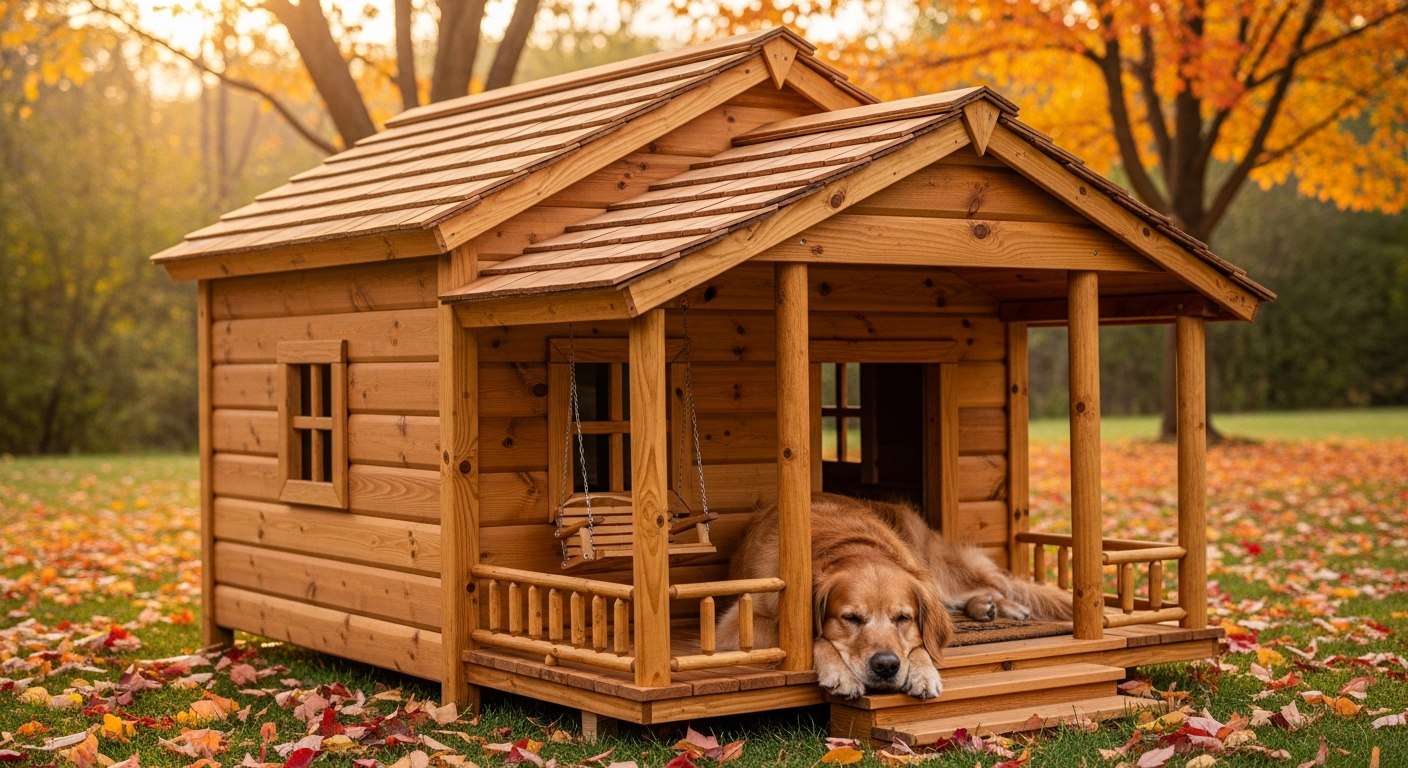

Your dog spends significant time in their outdoor shelter, yet many owners overlook the quality of this critical space. A poorly insulated doghouse leaves your companion vulnerable to extreme temperatures, moisture, and structural deterioration—conditions that compromise both comfort and health. Premium insulated wooden dog houses represent a fundamental shift away from basic shelter solutions, combining thermal engineering with genuine craftsmanship to maintain stable interior temperatures across every season.
SAUERLAND GmbH has been refining this approach since 1980, creating dog houses that function as both protective retreats and attractive garden features. The company’s commitment to quality materials and thoughtful design has made them a trusted name among dog owners who refuse to compromise on their pet’s comfort. This guide will examine the construction standards that make insulated wooden dog houses exceptional, explore the practical advantages of veranda design, address sizing considerations for different breeds, and help you understand the long-term value of investing in premium shelter.
Discover the Holz-Hundehütte mit Satteldach und Veranda collection at Sauerlandshop today.
Construction Quality: What Sets Premium Wooden Dog Houses Apart
Solid Finnish Pine Selection and Sourcing Standards
The foundation of any exceptional dog house begins with material selection. Premium manufacturers like SAUERLAND GmbH source solid Finnish pine, a wood species renowned for its natural resistance to weathering and structural stability. Finnish pine offers superior grain consistency compared to lower-grade timber, reducing the likelihood of warping, splitting, or rotting over extended outdoor exposure. This choice reflects a commitment to longevity that extends well beyond the first few years of ownership.
Three-Wall Insulation System with Styrofoam Thermal Layers
What distinguishes a truly insulated dog house from a basic wooden structure is the integrated thermal system. The Holz-Hundehütte incorporates a three-wall insulation design with Styrofoam layers positioned strategically within the construction. This approach creates a thermal barrier that regulates interior temperature regardless of external conditions. The walls, roof, and floor all feature this insulation, ensuring that heat loss occurs minimally during winter while preventing excessive heat accumulation during summer months.
Color-Glazed Exterior and Interior Finishes
The finish applied to wooden dog houses serves multiple purposes beyond aesthetics. A color-glazed coating protects the wood from moisture infiltration, UV damage, and fungal growth. The interior glazing provides a smooth, cleanable surface that facilitates maintenance and prevents splinters or rough edges that could harm your dog. This protective layer extends the life of the wood significantly compared to untreated or poorly finished alternatives.
Gable Roof Design with Roofing Felt Weatherproofing
The gable roof design isn’t merely decorative—it’s engineered for optimal water shedding. The peaked roof structure naturally channels rainwater away from the shelter, while roofing felt provides an additional waterproof membrane. This combination prevents moisture from accumulating in corners or seeping through the roof structure, a critical consideration in regions with heavy rainfall or frequent weather fluctuations.
Comparison of Insulation Types
Styrofoam remains the gold standard for dog house insulation due to its superior R-value (thermal resistance rating) and moisture-resistant properties. While some manufacturers use alternative materials like mineral wool or fiberglass, these options typically require additional vapor barriers and don’t perform as consistently in outdoor applications. Styrofoam’s closed-cell structure resists water absorption, maintaining its insulating properties even in damp conditions.
Durability Advantages of Solid Wood Versus Plywood or Plastic
Solid wood construction outperforms both plywood and plastic in real-world outdoor conditions. Plywood delamination becomes a serious problem in humid environments, while plastic alternatives degrade under UV exposure and become brittle in cold temperatures. Solid Finnish pine maintains structural integrity across temperature extremes and doesn’t suffer from the reliability issues that plague budget materials.
Craftsmanship Indicators That Signal Quality Construction
Quality construction reveals itself through attention to detail: clean joinery, properly sealed seams, reinforced corners, and hardware that won’t rust. Premium dog houses feature beveled edges, professional finishing, and construction methods that prioritize durability over rapid assembly. These elements distinguish products made by experienced manufacturers from quick-production alternatives.
The Veranda Advantage: Creating Extended Outdoor Space for Your Dog
Functional Benefits of Attached Veranda or Canopy Design
A veranda fundamentally changes how your dog uses their outdoor shelter. Rather than retreating entirely inside when weather turns unfavorable, your dog gains a sheltered space to rest while remaining outdoors. This transitional zone encourages longer outdoor time, increases exercise opportunities, and provides a comfortable spot for supervising the yard without full sun or rain exposure.
Sheltered Lounging Area That Extends Usable Outdoor Time
During warm months, the veranda becomes an ideal lounging spot offering shade and air circulation without the enclosed feeling of being indoors. In cooler seasons, it provides a windbreak and reduces the chill factor, making outdoor time more comfortable. Your dog can observe their surroundings while enjoying protection from the elements—addressing a key behavioral need for many dogs.
Protection from Direct Rain and Intense Sun Exposure
Sun exposure poses serious health risks for dogs: overheating, paw pad burns, and UV-related skin damage. The veranda’s overhang blocks direct sunlight while allowing beneficial indirect light and air movement. Similarly, during rain, your dog can remain outdoors in the veranda space, reducing the likelihood of extended confinement indoors during inclement weather.
Veranda Dimensions and How They Accommodate Different Dog Sizes
The Holz-Hundehütte veranda typically measures approximately 120 cm × 40 cm—sufficient for most dog sizes to lie comfortably while extending away from the main shelter entrance. These proportions accommodate dogs of varying sizes without becoming so large that the structure loses structural integrity or appears unbalanced in a garden setting.
Transitional Space Between Indoor and Outdoor Environments
Dogs appreciate transitional spaces—areas that feel partly sheltered yet open to their environment. The veranda creates this psychological benefit, allowing your dog to acclimate to temperature and weather changes gradually. Dogs prone to anxiety often benefit from this intermediate zone, which reduces the stark contrast between their climate-controlled indoor home and the fully exposed outdoor environment.
Design Considerations for Maximizing Veranda Utility
Effective veranda design requires adequate overhang depth (at least 40 cm) to provide meaningful protection, proper roof pitch to shed water, and an open design that allows air circulation. Overcomplicated veranda designs can trap moisture and create stagnant air pockets—refinement in the basic concept proves superior to excessive ornamentation.
Aesthetic Appeal of Gable Roof with Veranda Combination
The classic gable roof paired with a veranda creates a cottage-like appearance that complements garden landscapes. Unlike purely utilitarian shelter designs, this aesthetic approach transforms the dog house into an intentional landscape feature rather than an eyesore. Many homeowners find this architectural harmony appealing, adding visual interest to outdoor spaces.
Explore premium veranda dog houses with superior design at Sauerlandshop.
Thermal Regulation Across Seasons: Year-Round Climate Control
How Full Insulation Maintains Warmth During Winter Months
Winter poses the greatest thermal challenge for outdoor dog shelters. The Styrofoam insulation layer resists heat transfer outward, trapping your dog’s body warmth inside the structure. A properly insulated dog house maintains interior temperatures 15–20°C warmer than external temperatures, creating a genuinely comfortable retreat during freezing weather. This thermal advantage becomes essential for dogs spending extended outdoor time during winter months.
Summer Cooling Properties and Ventilation Design
Insulation also prevents excessive heat gain during summer by resisting solar radiation absorption. The roof’s light color reflects heat rather than absorbing it. Ventilation design—including the window and pendulum flap system—allows air circulation without completely compromising thermal efficiency. This balanced approach prevents the “oven effect” that plagues dark, unventilated dog houses in hot climates.
Pendulum Flap Entrance System and Heat Retention Benefits
The pendulum flap functions as an intelligent thermal gate. Your dog passes through easily, while the flap’s design minimizes drafts and heat loss. The flap remains flexible in cold temperatures (unlike rigid doors that become unwieldy) and prevents rain from being driven into the entrance during windy weather. This simple feature significantly improves overall thermal performance compared to completely open entrances.
Window Placement for Natural Light Without Thermal Loss
The window provides psychological benefits and natural light without creating a significant thermal weak point. Proper positioning—typically facing away from prevailing winds and intense afternoon sun—maximizes light while minimizing heat loss or gain. Natural light helps regulate your dog’s circadian rhythm, supporting overall well-being during extended outdoor time.
Seasonal Temperature Comparisons
Research consistently demonstrates that insulated dog houses maintain temperatures 20°C warmer in winter and 10°C cooler in summer compared to non-insulated alternatives. These differences represent the boundary between genuine comfort and stress for animals with limited temperature regulation abilities. For dogs spending six hours or more daily outdoors, this performance gap directly impacts health and well-being.
Moisture Management and Condensation Prevention
Winter condensation—moisture from your dog’s breath freezing on interior walls—represents a serious problem in poorly designed shelters. The Styrofoam insulation maintains wall temperatures above the dew point, preventing this condensation. Ventilation design also ensures moisture doesn’t accumulate, reducing the likelihood of mold growth or ice formation inside the shelter.
Styrofoam Layer Effectiveness in Extreme Weather Conditions
Styrofoam’s performance in extreme conditions separates premium dog houses from budget alternatives. The material maintains its insulating properties at temperatures below -40°C and resists degradation from freeze-thaw cycles. Unlike some alternatives, Styrofoam doesn’t absorb moisture when briefly exposed to damp conditions, maintaining consistent thermal performance throughout the year.
Suitability for Various Climate Zones and Geographic Regions
Dogs in northern climates require heavier insulation and enclosed design features. Those in hot climates benefit more from ventilation and solar reflection. The Holz-Hundehütte’s design performs effectively across diverse climates, though regional variations exist. Dog owners should match their shelter specifications to local temperature extremes and precipitation patterns.
Sizing Your Dog House: Finding the Right Fit for Your Breed
Standard Dimension Ranges and How They Accommodate Different Shoulder Heights
The Holz-Hundehütte is designed to accommodate dogs up to 70 cm shoulder height, covering most medium to large breed sizes. A typical configuration measures approximately 130 cm wide × 118 cm deep × 108 cm high overall, with interior dimensions of roughly 111 cm wide × 63 cm deep × 95/68 cm high (accounting for the gable roof slope). These proportions provide adequate space without excessive volume that would require greater insulation effort.
Interior Space Calculations
Proper sizing requires understanding interior dimensions rather than relying on external measurements. Your dog should comfortably stand, turn around, and lie down in a stretched position without constraint. The interior depth of 63 cm permits most dogs to fully stretch lengthwise. The height variation (95 cm to 68 cm due to the gable roof) still accommodates standing posture for dogs up to 70 cm shoulder height.
Sizing for Dogs Up to 70 cm Shoulder Height Examples
Dogs with 70 cm shoulder height represent the upper limit of the standard Holz-Hundehütte specifications. This includes German Shepherds, Golden Retrievers, Labrador Retrievers, and similar large breeds. Smaller breeds (Beagles, Cocker Spaniels, Collies) fit comfortably with additional space, while giant breeds may require custom configurations or alternative products.
Breed-Specific Recommendations and Space Requirements
Breed characteristics beyond shoulder height influence sizing needs. Long-bodied breeds (Dachshunds, Basset Hounds) require depth more than height. High-energy breeds benefit from larger veranda spaces. Double-coated breeds appreciate slightly more interior volume for air circulation. Considering breed-specific needs prevents the common error of assuming one-size-fits-all dog house configurations.
Veranda Dimensions Relative to Dog Size
The standard 120 cm × 40 cm veranda accommodates dogs up to 70 cm shoulder height comfortably. Smaller dogs might feel more secure with a proportionally smaller veranda, though the actual dimensions remain the same. The overhang depth remains adequate for all sizes in the specified range.
Avoiding Common Sizing Mistakes (Too Large or Too Small)
Oversized dog houses create thermal management problems—your dog’s body heat can’t warm excessive interior volume, reducing winter effectiveness. Undersized shelters create stress and discomfort, defeating the purpose of premium construction. The Holz-Hundehütte’s proportions balance these considerations effectively for the specified size range.
Growth Considerations for Younger Dogs
Puppies grow rapidly, sometimes adding 50+ cm in shoulder height over 12–18 months. Selecting a dog house sized for adult dimensions rather than current size prevents premature replacement. However, extremely oversized shelter for small puppies creates the aforementioned thermal problems. Many owners choose appropriately-sized shelters for their dog’s projected adult dimensions.
Multiple Dog Household Sizing Strategies
Households with multiple dogs have several options: a single large shelter sized for all dogs, multiple medium shelters allowing individual retreats, or combination approaches. Multiple smaller shelters often provide better thermal performance and reduce dominance disputes over shelter access. The choice depends on your dogs’ relationships, size compatibility, and available space.
Assembly, Maintenance, and Long-Term Care
Kit-Based Construction with Pre-Fabricated Elements
The Holz-Hundehütte arrives as a kit with pre-cut, pre-fitted components rather than requiring frame-from-scratch construction. This approach dramatically simplifies assembly for owners lacking carpentry skills while maintaining quality control through factory precision. Pre-fabrication ensures consistent, tight joints that resist weathering better than field-assembled alternatives.
Step-by-Step Assembly Overview and Expected Timeframe
Assembly typically requires 6–10 hours for a single person or 4–6 hours with two people. The process involves assembling wall panels, securing the floor, attaching the roof structure, installing the veranda framework, and applying finishing touches. Clear, detailed instructions guide each step, with numbered components minimizing confusion.
Clear Instruction Documentation and Support Resources
SAUERLAND GmbH provides comprehensive assembly instructions with diagrams and specifications. Their customer service remains accessible for clarification questions. Videos from some retailers supplement written instructions, helpful for visual learners. This documentation support distinguishes premium manufacturers from budget producers who often provide minimal guidance.
Maintenance Flap and Removable Roof Design Benefits
The rear maintenance flap permits interior access without dismantling the structure, facilitating regular cleaning and bedding changes. A removable or hinged roof allows thorough interior inspection and maintenance. These design features transform what could be an annual nightmare into a straightforward quarterly task.
Seasonal Cleaning Protocols and Access Points
Quarterly cleaning—more frequently in wet climates or if your dog tracks substantial mud—maintains interior hygiene and prevents odor accumulation. The maintenance flap allows access for removing soiled bedding and debris. The removable roof permits deep cleaning of interior surfaces and inspection for damage. Strategic hole placement ensures proper drainage and prevents water pooling.
Wood Treatment and Finish Maintenance Schedules
The color-glazed finish provides substantial protection but requires periodic inspection. Weathering gradually reduces finish effectiveness, particularly on high-exposure areas. Every 2–3 years, light sanding of worn areas followed by reapplication of exterior stain or sealer maintains protection and extends structural integrity. SAUERLAND GmbH provides guidance on appropriate wood treatments.
Roof Felt Inspection and Replacement Guidance
The roofing felt degrades over time due to UV exposure and weather cycling. Inspection every 2–3 years identifies cracks, tears, or separation. Replacement every 5–7 years—depending on climate severity—maintains waterproof integrity. This maintenance remains straightforward for most owners, though professional roofers can handle more complex replacements.
Longevity Expectations with Proper Care and Maintenance
A properly maintained Holz-Hundehütte realistically functions for 15–20+ years. Structural longevity often exceeds this, but weathering eventually requires replacement. The upfront quality investment compounds dramatically when a shelter remains serviceable for two decades—representing exceptional long-term value regardless of initial cost.
Investment Value: Cost Analysis and Long-Term Durability
Price Range Context
Premium insulated wooden dog houses from quality manufacturers typically range from €300 to €800 depending on size, specific features, and current market conditions. The Holz-Hundehütte occupies the mid-to-upper range of this spectrum, reflecting its quality construction, insulation specifications, and veranda inclusion. While substantial, this price point positions the product competitively against other premium alternatives.
Cost-Per-Year Calculation Over 10+ Year Lifespan
A €500 dog house functioning reliably for 15 years represents approximately €33 annually—less than €3 monthly—for shelter infrastructure. Even at €800, the cost-per-year breaks down to roughly €53 annually over 15 years. These per-year figures reveal the genuine economy of premium construction compared to purchasing replacement shelters every 3–5 years.
Comparison with Budget Alternatives and Replacement Costs
Budget dog houses—constructed from thin plywood, uninsulated, with minimal weatherproofing—typically cost €80–150 but require replacement every 2–3 years. Over 15 years, purchasing five replacement shelters costs €400–750 plus repeated assembly effort, environmental waste, and periods when your dog lacks adequate shelter. The long-term cost actually exceeds premium alternatives while delivering inferior protection.
Quality Justification Through Materials and Craftsmanship
The price difference reflects tangible quality: solid Finnish pine versus softwood or plywood, factory-applied insulation versus none, professional finishing versus basic stain, precision joinery versus rough assembly. These material and labor investments justify the premium pricing through measurably superior performance and longevity.
Resale Value and Secondary Market Considerations
Premium dog houses retain value in secondary markets. A well-maintained Holz-Hundehütte in good condition typically resells for 40–60% of original purchase price, particularly among dog owners unwilling to compromise on quality. Budget shelters virtually have no resale value due to their limited lifespan.
Warranty and Manufacturer Reputation Factors
SAUERLAND GmbH’s four-decade manufacturing history provides confidence in product quality and company stability. Warranties on premium products typically extend 2–5 years for structural defects. This manufacturer backing, while not indefinite, reflects confidence in construction quality and provides meaningful recourse if defects arise.
Hidden Costs of Cheap Alternatives
Beyond replacement expenses, budget shelters incur hidden costs: frequent repairs to leaking roofs, replacement bedding due to moisture infiltration, veterinary bills for health issues related to inadequate thermal regulation, and the time investment required to manage shelter deterioration. These cumulative expenses often exceed the upfront savings of cheaper alternatives.
ROI Perspective for Pet Owners Prioritizing Durability
From a return-on-investment standpoint, premium dog houses are loss-leaders on cost but winners on value. Your investment pays dividends through your dog’s genuine comfort, reduced health issues related to environmental stress, and freedom from frequent replacements. These non-financial returns often matter more than budgetary considerations for owners devoted to their pets’ well-being.
Real-World Performance: What Dog Owners Value Most
Stability and Robustness Feedback from Long-Term Users
Owners consistently report that SAUERLAND GmbH dog houses remain structurally sound after 10+ years of daily use. Wind storms that topple budget shelters leave premium models unmoved. The solid construction resists the ground settlement, frost heave, and UV degradation that compromise lesser products. This stability provides genuine peace of mind during severe weather.
Weather Resistance Testimonials Across Different Climates
Dog owners in Canadian winters, Australian summers, and temperate European regions all report successful long-term performance. The insulation effectively combats cold extremes, while the ventilation design and light roof color prevent overheating. Users in high-rainfall areas consistently praise the waterproofing and drainage effectiveness. This climate-diverse positive feedback suggests genuine universal applicability.
Comfort Observations from Dogs Using the Shelter
Dogs spending time in properly insulated shelters demonstrate behavioral indicators of genuine comfort: reduced panting in summer, relaxed posture during winter use, and voluntary shelter-seeking behavior. Dogs confined to poorly insulated alternatives show stress behaviors, reluctance to remain outdoors, and visible discomfort. These behavioral differences reflect measurable differences in interior environment quality.
Aesthetic Appeal as Garden Feature and Landscape Element
Owners consistently mention that their Holz-Hundehütte enhances garden aesthetics rather than detracting from them. The gable roof and veranda combination integrate into various landscape styles—from cottage gardens to modern minimalist spaces. This aesthetic success means the shelter becomes a positive design element rather than something owners hide or feel self-conscious about.
Ease of Assembly Experiences and Customer Support Quality
Most owners report successful assembly with minimal frustration, particularly compared to complex IKEA-style furniture or DIY projects. SAUERLAND GmbH’s clear instructions and responsive customer support create a positive first experience. Several users specifically mention the satisfaction of owning something they assembled themselves—adding emotional value to the investment.
Cleaning Convenience and Maintenance Accessibility
The maintenance flap and removable roof features receive enthusiastic praise for simplifying the cleaning process. Owners appreciate that quarterly maintenance remains straightforward rather than becoming an onerous yearly event requiring disassembly. The practical design transforms maintenance from a chore into a manageable task.
SAUERLAND GmbH Reputation Since 1980 and Brand Trust
SAUERLAND GmbH’s four-decade track record matters profoundly. Owners recognize that a manufacturer surviving and thriving since 1980 demonstrates genuine commitment to quality and customer satisfaction. The company’s longevity provides confidence that products will be serviceable long-term, spare parts will remain available, and customer support will persist.
Customer Satisfaction Patterns and Repeat Purchase Behavior
SAUERLAND GmbH enjoys high repeat customer rates and strong word-of-mouth recommendations. Owners who purchase one shelter often recommend them to friends or purchase additional units for multiple dogs. This brand loyalty reflects genuine satisfaction rather than mere acceptance.
Making the Right Choice: Key Considerations Before Purchasing
Assessing Your Dog’s Breed, Size, and Outdoor Time Requirements
Before purchasing, honestly evaluate your dog’s characteristics. Breed size determines shelter dimensions. Outdoor time determines insulation necessity—dogs spending eight hours daily outdoors require better thermal regulation than those using shelter occasionally. Coat length influences ventilation needs. Activity level affects space requirements.
Climate Zone Evaluation and Seasonal Weather Patterns
Your geographic location determines insulation priorities. Northern regions require maximum winter protection. Hot climates prioritize ventilation and solar reflection. Seasonal variations matter equally—regions with 40°C summers and -20°C winters require aggressive thermal management in both directions. Review historical weather data, including temperature extremes and precipitation patterns.
Available Garden Space and Placement Considerations
The Holz-Hundehütte measures approximately 130 cm × 118 cm—a footprint requiring modest garden space but substantial enough that placement matters. Identify a location offering partial shade (reducing summer heat), protection from prevailing winds, and adequate drainage to prevent water pooling. Avoid low-lying areas prone to flooding or locations collecting runoff from roof systems.
Budget Allocation for Premium Versus Budget Options
Allocate realistic budget for the shelter itself plus assembly assistance if needed, optional weatherproofing products, initial bedding, and maintenance supplies. While the Holz-Hundehütte represents significant investment, comparing it against multiple budget replacements over 15 years often reveals premium options as more economical.
Warranty Coverage and Manufacturer Support Availability
Verify warranty terms covering structural defects versus finish weathering. Understand what manufacturer support entails—parts availability, technical assistance, repair guidance. Confirm that customer support remains accessible after purchase for questions arising during assembly or operation.
Delivery Logistics and Assembly Resource Planning
The Holz-Hundehütte arrives as a bulky kit—plan delivery logistics with your supplier. Budget time for assembly (6–10 hours) and confirm you possess necessary tools or can access them. Consider whether professional assembly assistance would be worthwhile based on your skill level and time availability.
Long-Term Commitment to Maintenance and Care
Premium construction demands regular maintenance to retain its benefits. Commit to quarterly cleaning, periodic wood treatment, and roof felt inspection. This ongoing investment ensures your shelter remains in excellent condition throughout its lifespan.
Aesthetic Preferences and Garden Integration Goals
Consider whether the gable roof and veranda design aligns with your garden aesthetic. The Holz-Hundehütte’s cottage-like appearance suits various styles but wouldn’t integrate perfectly into minimalist or ultra-modern landscapes. Ensure you genuinely appreciate the design before committing to a decade-plus of looking at it daily.
Your Dog Deserves Premium Shelter: Taking the Next Step
Your dog spends countless hours in their outdoor shelter, yet this critical space frequently receives minimal consideration from owners prioritizing other investments. An insulated wooden dog house with veranda represents a meaningful upgrade—one delivering tangible comfort, proven durability, and genuine peace of mind across every season. The initial investment reflects superior materials, thoughtful engineering, and craftsmanship that compounds in value year after year.
SAUERLAND GmbH’s four-decade track record demonstrates that quality dog houses aren’t luxury items; they’re essential infrastructure for responsible pet ownership. Whether your dog faces harsh winters, intense summers, or unpredictable weather swings, the right shelter becomes their sanctuary. The veranda extends this protection further, creating a transition space encouraging outdoor time while maintaining security and comfort.
Your next step is straightforward: evaluate your dog’s specific needs, measure your available space, and consider the climate conditions they’ll face. Then invest in shelter matching their requirements. Your dog will respond with the kind of contentment that comes from having a true refuge—and you’ll gain the satisfaction of knowing you’ve provided something genuinely excellent.
Order your Holz-Hundehütte mit Satteldach und Veranda from Sauerlandshop now.