
Your Windows PC is Crawling—But One Piece of Software Has Already Fixed It for Millions
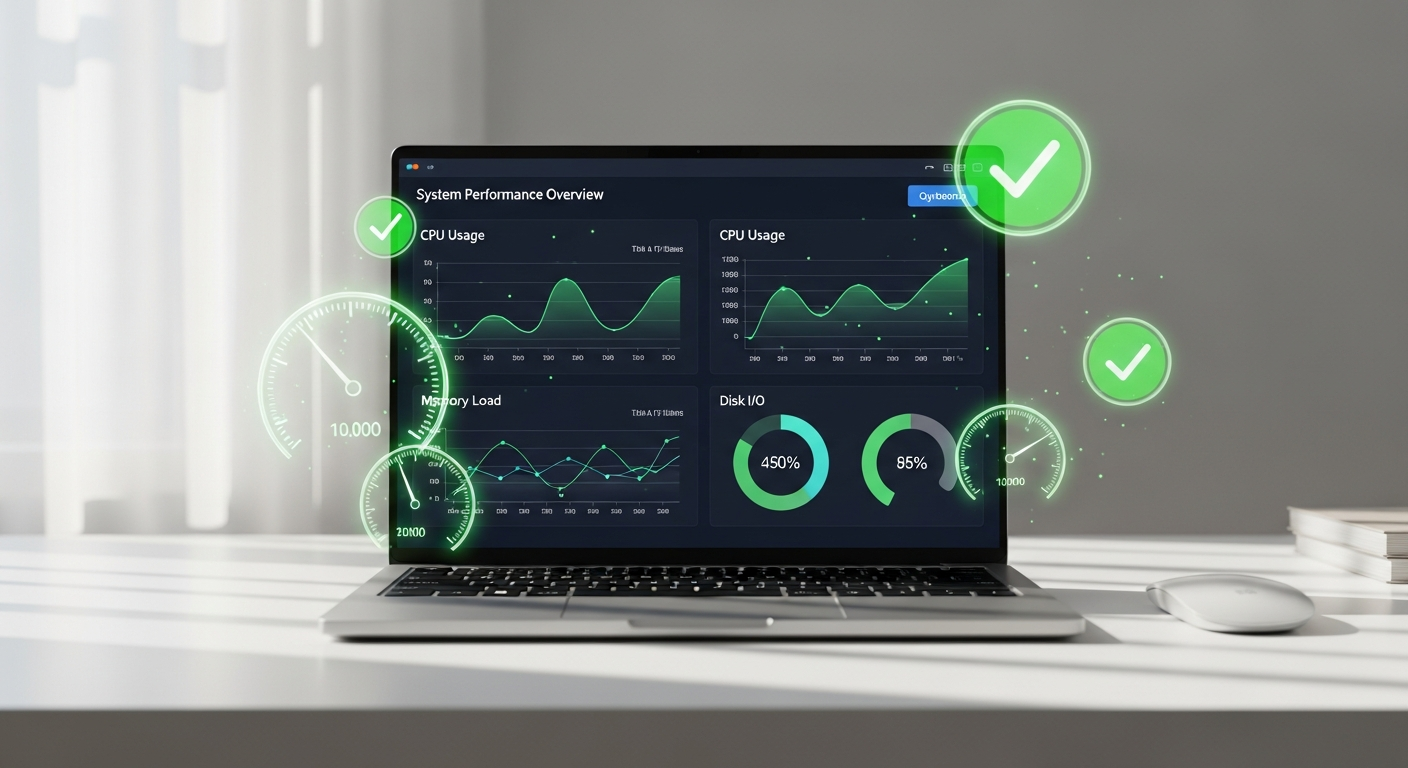
Your Windows PC is crawling. Programs take forever to launch, startup times feel endless, and you’re convinced something’s seriously wrong—but here’s the thing: millions of users have already solved this exact problem with a single piece of software. iolo System Mechanic has earned the title of world’s #1 best-selling computer performance software for a reason, and I wanted to find out whether the hype is actually justified or just clever marketing.
PC optimization tools have become increasingly sophisticated over the years. What started as simple disk cleaners has evolved into comprehensive software suites that tackle everything from junk file removal to real-time RAM management. iolo System Mechanic stands out in this crowded market because it combines multiple maintenance tools into one integrated platform, complete with an AI-powered system that works in the background without requiring constant user attention.
Discover what System Mechanic can do for your PC with a closer look at iolo’s optimization suite.
What Makes System Mechanic Different From Free Windows Optimization Tools?
The most obvious question surfaces immediately: why pay for optimization software when Windows 10 and 11 include built-in maintenance utilities? The answer isn’t straightforward because both approaches have merit.
Windows 10 and 11 offer legitimate disk cleanup, startup management, and storage optimization features at no cost. For users with basic needs and time to manually run these tools, the native Windows approach works adequately. However, System Mechanic’s advantage lies in its comprehensiveness and automation. While Windows offers individual utilities scattered across Settings and Control Panel, System Mechanic integrates everything into one interface and targets over 30,000 different system issues that free tools simply don’t address.
The real distinction emerges when you consider the ActiveCare feature—an AI-powered system that continuously monitors your PC during idle periods and automatically fixes problems without user intervention. Free Windows tools require you to manually initiate disk cleanup, manage startup programs, and handle defragmentation. Most users never bother with these tasks, leaving their systems degraded over time.
Additionally, System Mechanic’s multi-layered approach—combining PC cleanup, performance optimization, privacy protection, and optional antivirus—means you’re not juggling multiple free utilities. Some people manage three or four different free tools to accomplish what System Mechanic does in one package. That convenience factor carries genuine value for non-technical users.
Scenarios where paid optimization outperforms native Windows tools typically involve older systems. A five-year-old laptop with years of accumulated junk files, fragmented drives, and registry bloat benefits significantly more from System Mechanic’s comprehensive toolkit than from Windows’ basic cleanup. The software’s targeted approach to removing specific types of temporary data and optimizing system processes produces more dramatic improvements on heavily-used machines.
Breaking Down System Mechanic’s Core Features and What They Actually Do
Understanding what System Mechanic actually does requires examining each component rather than accepting marketing claims at face value.
PC Cleanup Engine
The software identifies and removes over 50 types of junk files—temporary caches, obsolete shortcuts, abandoned application data, and Windows update leftovers. Real disk space recovery varies widely. A system with minimal usage might reclaim 2-3 GB, while a five-year-old laptop could free up 10-20 GB. This translates to genuine performance benefits, particularly on drives already near capacity.
LiveBoost Technology
This feature optimizes CPU and RAM usage in real-time while you work. The software analyzes running processes and allocates resources more efficiently, reducing lag during intensive tasks. The improvements are noticeable but subtle—you won’t see dramatic performance spikes, but application responsiveness increases incrementally.
Startup Optimizer
System Mechanic scans your startup folder and automatically identifies programs that slow boot times. Rather than loading two dozen applications before you’re ready, the software disables unnecessary startup items, typically reducing boot time by 15-30 seconds on average systems. Older machines with extensive bloatware see more dramatic improvements.
ActiveCare AI System
This is System Mechanic’s standout feature. ActiveCare monitors your PC continuously and automatically detects issues across 30,000+ different categories—fragmented files, orphaned registry entries, temporary data accumulation, and more. It schedules repairs during idle periods, meaning maintenance happens while you’re away from your desk. The hands-off nature appeals to users uncomfortable with manual system optimization.
NetBooster
This feature tweaks Windows’ hidden internet settings to optimize download and upload speeds. The reality falls short of marketing promises. Most users report nominal improvements—perhaps 5-10% faster speeds under ideal conditions. If your internet connection is the bottleneck, NetBooster offers minimal benefit.
Registry Tuner
The Windows registry is a complex database storing system settings. Over time, it accumulates invalid entries and orphaned data. Registry Tuner identifies and removes these entries, theoretically improving system responsiveness. The practical impact is modest but measurable on systems with years of software installation and removal history.
Memory Mechanic
RAM can become fragmented, reducing efficiency. Memory Mechanic defragments your system memory, improving allocation and responsiveness. The benefits are most noticeable on machines with limited RAM running multiple applications simultaneously.
File Shredder
Standard file deletion doesn’t actually remove data—it simply marks sectors as available for rewriting. File Shredder overwrites deleted files with random data, making recovery essentially impossible. This feature matters for users handling sensitive documents or financial information.
Privacy Protection Tools
System Mechanic safely wipes browsing history, temporary internet files, and cache data while patching Windows security vulnerabilities. For privacy-conscious users, this automated approach beats manual deletion.
ActiveCare: The AI-Powered Maintenance System That Works While You Sleep
ActiveCare represents System Mechanic’s most compelling feature and the primary driver of its popularity. Understanding how it functions reveals why automation appeals to millions of users.
ActiveCare runs continuously in the background, monitoring your PC’s performance metrics, file fragmentation, registry bloat, and system degradation. Rather than requiring you to manually schedule maintenance windows, the software automatically performs repairs during idle periods—typically during night hours or when your computer isn’t in use.
The system detects and addresses over 30,000 different issues automatically. This includes fragmented files, orphaned registry entries, temporary file accumulation, broken shortcuts, and memory inefficiencies. Most users never realize these problems exist until performance visibly degrades, but ActiveCare prevents that deterioration proactively.
Scheduling maintenance during idle times preserves your computing experience. You won’t experience slowdowns or interruptions while working, as all heavy processing occurs in the background. This approach particularly appeals to people lacking technical knowledge or time to manually maintain their systems.
However, background processes do consume system resources. Some users report that ActiveCare’s continuous monitoring adds slight overhead, particularly on computers with limited RAM. You can disable the feature if it causes noticeable performance impacts, though most systems handle the additional load seamlessly.
The automation aspect genuinely resonates with busy professionals, parents juggling multiple household computers, and anyone who dreads manual system optimization. The set-it-and-forget-it approach eliminates decision-making and time investment—your PC simply maintains itself.
Performance Gains You Can Actually Expect (Realistic vs. Exaggerated Claims)
Marketing materials often promise dramatic performance improvements, but realistic expectations differ substantially from worst-case scenarios.
Boot times typically improve by 15-30 seconds on average systems. Computers heavily loaded with startup programs and junk files see more dramatic improvements—potentially 45-60 seconds faster. Older systems with fragmented drives often experience noticeable differences; newer systems with solid-state drives show minimal gains since SSDs aren’t affected by fragmentation.
Program launch times increase noticeably after cleanup and optimization. Applications loading from cleaned hard drives with optimized resources start faster. Users commonly report 20-40% improvements in application responsiveness, though the actual impact depends on your system’s initial condition and how many resource-intensive programs run simultaneously.
NetBooster’s internet speed enhancements remain modest. Most users see 5-10% improvements under ideal conditions, but real-world results often prove negligible. If your internet connection speed is the limiting factor, NetBooster offers minimal benefit.
Disk space recovery varies dramatically. Systems with years of accumulated temporary files, cache data, and Windows update remnants might reclaim 5-15 GB. Relatively clean systems recover 1-3 GB. The space freed depends entirely on your system’s age, usage patterns, and how many applications you’ve installed and removed over time.
RAM optimization benefits prove most noticeable on computers with limited memory running multiple applications simultaneously. Systems with 8 GB or more RAM typically don’t experience dramatic improvements from memory optimization, while machines with 4 GB or less see more apparent responsiveness gains.
Factors influencing whether you’ll experience dramatic improvements include system age, existing condition, hard drive type, available RAM, and typical usage patterns. Older, heavily-used PCs with mechanical hard drives benefit dramatically. Relatively new systems with solid-state drives and minimal bloatware might see only marginal improvements.
The honest truth: System Mechanic delivers real performance gains, but they’re incremental rather than revolutionary. You won’t suddenly feel like you have a new computer, but a sluggish machine becomes noticeably more responsive. That distinction matters when evaluating whether the investment justifies the annual cost.
Pricing Tiers Explained: Which Version Should You Actually Buy?
iolo offers multiple pricing tiers, each serving different user needs and budget constraints.
The System Mechanic Base Tier costs $14.98–$39.95 annually (depending on promotional pricing). This tier includes core optimization and cleanup tools—PC cleanup engine, LiveBoost, Startup Optimizer, ActiveCare, NetBooster, Registry Tuner, Memory Mechanic, and File Shredder. It covers up to 10 devices with a single subscription, making it excellent value for families.
The System Mechanic Pro Tier ranges from $54.95–$69.95 annually and adds antivirus and data protection features to the base tools. This option appeals to users wanting optimization and security in one package without purchasing separate antivirus software.
The System Mechanic Ultimate Defense Tier represents the premium option, typically $33.98–$49.99 annually when discounted (list price $79.95–$84.95). This tier bundles everything from Pro plus a password manager and advanced privacy tools. The Ultimate Defense tier essentially functions as a complete security and optimization suite.
Multi-device licensing deserves emphasis. A single subscription protects up to 10 PCs within a household. For families with multiple computers, this represents outstanding value compared to purchasing individual licenses. The cost-per-device drops dramatically—installing the software on five household computers costs the same as one annual subscription.
The bundled antivirus justifies the premium for users who would otherwise purchase separate antivirus software. However, System Mechanic’s antivirus capabilities haven’t undergone the same rigorous independent testing as dedicated antivirus solutions like Norton, McAfee, or Bitdefender. If you prioritize top-tier security, dedicated antivirus might prove superior despite higher costs.
Promotional pricing deserves attention. iolo frequently discounts annual subscriptions—base tier sometimes drops to $14.98–$19.98 annually during sales events. Purchasing during promotional periods significantly improves value. Many users wait for discount periods rather than paying full price.
The Honest Strengths That Justify System Mechanic’s Popularity
System Mechanic’s position as the world’s best-selling optimization software doesn’t result from marketing alone—genuine strengths support its popularity.
Proven track record stands foremost. Millions of global users report measurable performance improvements. This isn’t theoretical—the software delivers results that users notice and appreciate. That accumulated positive experience explains why System Mechanic maintains its market leadership across decades.
All-in-one convenience eliminates the need for multiple separate tools. Rather than downloading disk cleaners, registry optimizers, startup managers, and antivirus software separately, System Mechanic consolidates everything. This unified approach simplifies management and ensures all tools work harmoniously together.
User-friendly interface means you don’t require technical expertise to operate the software effectively. The dashboard presents options clearly, and automatic features like ActiveCare require minimal user intervention. Non-technical users can run the software confidently without fear of damaging their systems.
Single-license coverage for up to 10 devices provides exceptional household value. Families protecting multiple computers benefit significantly from this generous licensing. Cost-per-device becomes minimal compared to purchasing individual licenses.
ActiveCare automation appeals strongly to users preferring set-it-and-forget-it approaches. Rather than remembering to manually run maintenance routines, the software handles everything automatically during idle periods.
Tiered options allow customization based on individual needs. Basic users stick with the optimization-only tier, while security-conscious households upgrade to Ultimate Defense. This flexibility means you pay only for features you’ll actually use.
Consistent performance improvements in boot times and responsiveness appear throughout user reports. These aren’t marginal enhancements—they’re noticeable enough that users recognize the value immediately after installation.
Reputable brand history and millions of satisfied customers provide reassurance. When considering PC optimization software, choosing an established company with proven reliability reduces risk.
The Real Limitations You Should Know Before Buying
Balanced evaluation requires acknowledging legitimate limitations alongside strengths.
Many basic optimization functions replicate Windows 10 and 11 built-in utilities. If you’re comfortable using native Windows tools, you’re essentially paying for convenience and automation rather than unique functionality. That distinction matters when evaluating cost-benefit.
NetBooster delivers only nominal internet speed improvements. Users expecting dramatic download speed increases experience disappointment. The feature provides marginal benefits at best, particularly for most modern internet connections.
Interface complexity troubles some users. While generally user-friendly, the interface doesn’t rank as the most intuitive among optimization software competitors. Some users prefer CCleaner’s simpler approach.
Subscription cost can exceed standalone antivirus or optimization tools purchased separately. If you don’t need all bundled features, you’re paying for functionality you won’t use. This represents poor value for minimalist users with basic requirements.
Premium tier antivirus hasn’t received the same rigorous independent testing as dedicated antivirus solutions. If security represents your primary concern, dedicated antivirus software offers superior protection despite higher costs.
Overkill for minimalist users who maintain relatively clean systems and only need occasional cleanup. Paying annual subscription fees for features you rarely use doesn’t make financial sense.
Reported issues with automatic renewal processes frustrate some users. Forgotten subscriptions continuing to charge represent a legitimate concern. Ensure you manage renewal preferences actively.
Customer service responsiveness occasionally disappoints users requiring support. While generally satisfactory, response times and issue resolution don’t consistently meet all customer expectations.
Another application to manage alongside Windows updates and security patches adds system complexity. Some users prefer minimal software footprint.
Who Should Buy System Mechanic (and Who Shouldn’t)
Understanding your situation determines whether System Mechanic represents a sound investment.
Ideal Candidates for System Mechanic
Families with multiple computers benefit tremendously from multi-device licensing. Protecting five household computers for less than $40 annually delivers exceptional value compared to individual licenses or manual maintenance of each machine separately.
Users uncomfortable with manual Windows maintenance appreciate automated solutions. If registry editing, startup folder management, and disk defragmentation intimidate you, System Mechanic eliminates these concerns through automation and simplified interfaces.
People with older PCs showing noticeable slowdowns see dramatic performance improvements. A five-year-old laptop struggling with boot times and application responsiveness often becomes noticeably snappier after System Mechanic optimization.
Those seeking bundled antivirus and password management alongside optimization benefit from tiered pricing. Rather than purchasing multiple subscriptions, a single Ultimate Defense subscription provides comprehensive protection.
Non-technical users preferring automated solutions value set-it-and-forget-it approaches. If manual troubleshooting and system optimization frustrate you, automation eliminates those frustrations.
Better Off Skipping System Mechanic
Users already comfortable using free Windows built-in optimization tools pay unnecessarily for features they already understand how to use. If you actively manage Windows Disk Cleanup, Startup Optimizer, and Defrag, System Mechanic adds minimal additional value.
Minimalist PC users with minimal bloatware and junk file accumulation don’t need comprehensive cleanup tools. If you carefully manage installed software and regularly delete temporary files, System Mechanic targets problems you don’t have.
Those who prefer dedicated antivirus software over bundled security solutions experience better results with specialized security companies like Norton or Bitdefender. Bundled antivirus rarely matches dedicated solutions’ protection levels.
Budget-conscious individuals unwilling to pay annual subscription fees should stick with free alternatives. The principle of paying recurring fees for maintenance tools conflicts with minimalist budgets.
Power users preferring granular control over automated maintenance grow frustrated with System Mechanic’s approach. If you want precise control over exactly which processes run and when, System Mechanic’s automation philosophy frustrates rather than helps.
System Mechanic vs. Competitors: How It Stacks Up
The PC optimization market includes several credible competitors, each with distinct advantages and disadvantages.
CCleaner represents System Mechanic’s primary competition. CCleaner emphasizes simplicity—it excels at disk cleanup and junk file removal with a straightforward interface. However, System Mechanic’s comprehensive feature set and automation surpass CCleaner’s capabilities. CCleaner’s free version provides adequate functionality for basic needs, while System Mechanic’s free trial allows users to test the full suite. CCleaner’s paid version costs less than System Mechanic’s base tier, appealing to budget-conscious users.
Ashampoo CleanMyPC offers another solid option with strong performance optimization features. Ashampoo’s interface ranks as highly intuitive, potentially surpassing System Mechanic’s usability. However, Ashampoo lacks System Mechanic’s ActiveCare automation, requiring manual maintenance scheduling. Ashampoo’s pricing generally undercuts System Mechanic’s base tier.
AVG TuneUp provides comprehensive optimization tools integrated with AVG’s antivirus capabilities. If you’re already using AVG antivirus, TuneUp integrates seamlessly. However, System Mechanic’s multi-device licensing advantage over AVG TuneUp’s typically single-device focus makes System Mechanic superior for families. AVG TuneUp’s pricing sometimes exceeds System Mechanic’s promotional rates.
System Mechanic’s unique advantages include ActiveCare automation (most competitors require manual scheduling) and multi-device licensing (up to 10 devices versus competitors’ typically single or dual-device limits). These features make System Mechanic particularly attractive for households and users valuing automation.
Areas where competitors offer superior features include interface simplicity (CCleaner’s straightforwardness appeals to some users) and lower pricing (budget-focused competitors sometimes undercut System Mechanic’s base price, though promotional discounting narrows this gap).
Antivirus bundling differs across competitors. System Mechanic Pro and Ultimate Defense bundle antivirus, while CCleaner remains optimization-only and Ashampoo focuses primarily on optimization. Dedicated antivirus solutions from Norton, McAfee, or Bitdefender generally exceed bundled options in comprehensive protection.
Compatibility, System Requirements, and Installation Considerations
System Mechanic supports a broad range of Windows versions, though older systems require legacy versions.
Full Windows compatibility includes Windows 11, 10, 8, 8.1, and 7. Older versions of System Mechanic supported Windows Vista and XP, though current versions focus on modern operating systems. Most users running Windows 7 or newer experience full compatibility.
Minimum system requirements specify 270 MB free disk space and ideally 2GB of RAM (with a 512 MB minimum). These modest requirements ensure System Mechanic runs on virtually any Windows PC, even older machines with limited resources.
Installation footprint remains relatively light compared to security suites or standalone antivirus software. The application consumes minimal disk space after installation, typically less than 500 MB. The software’s resource consumption during operation is similarly modest, though ActiveCare’s continuous background monitoring adds slight overhead.
Compatibility with other antivirus and security software presents no inherent conflicts. System Mechanic can run alongside third-party antivirus solutions without complications. Users with existing antivirus protection can install System Mechanic for optimization purposes without uninstalling their current security software. However, running System Mechanic’s bundled antivirus alongside another full-featured antivirus solution creates unnecessary resource consumption and potential conflicts.
Windows Defender compatibility deserves specific attention. Windows Defender (built into Windows 10 and 11) coexists peacefully with System Mechanic. You can use System Mechanic Pro or Ultimate Defense’s antivirus alongside Windows Defender without issues, though running both simultaneously provides redundancy without additional protection.
Update frequency varies, but System Mechanic receives regular updates throughout the subscription year. Updates install automatically and include feature improvements, security patches, and expanded issue detection. New versions release periodically, and you receive these updates as part of your subscription at no additional cost.
Uninstallation process is straightforward through Windows Add/Remove Programs. System Mechanic removes cleanly without leaving significant remnant files. However, some registry entries and configuration files may remain after uninstallation—standard for any Windows application.
Making Your Decision: Is System Mechanic Worth the Investment?
Ultimately, determining whether System Mechanic represents a sound investment requires honestly assessing your specific situation.
Calculating value proposition means comparing annual subscription cost against tangible benefits. A $39.95 annual subscription (promotional pricing for base tier) equates to approximately $3.33 monthly. If System Mechanic extends your PC’s useful lifespan by even six months compared to purchasing a new computer, the subscription cost becomes trivial. Even modest performance improvements that increase user satisfaction carry value beyond pure financial calculation.
Long-term value consideration extends beyond immediate performance gains. Extending an aging PC’s lifespan by one to two years through regular optimization and maintenance prevents expensive hardware replacements. This perspective significantly improves System Mechanic’s cost-benefit ratio.
Alternative approaches exist for users seeking lower-cost solutions. Free tools like Disk Cleanup, Storage Sense (Windows 10/11 built-in), and manual startup management require no financial investment but demand time and technical knowledge. Manual optimization remains viable for technically inclined users comfortable with Windows management. Professional PC cleaning services cost $100-300 per session, making System Mechanic’s annual subscription substantially cheaper.
Trial period availability allows testing before committing. iolo typically offers 30-day free trial periods with money-back guarantees. This opportunity lets you experience System Mechanic directly and decide whether performance improvements justify continued subscription. Utilize this trial to honestly assess whether you’ll use all features and whether results meet your expectations.
Renewal considerations matter after your first year. Evaluate whether System Mechanic remains valuable enough to continue paying annual fees or whether you prefer exploring alternatives. If your system’s performance plateau suggests you’ve extracted most available optimization, discontinuing the subscription makes financial sense. Conversely, if continuous ActiveCare maintenance proves valuable, renewal justifies itself.
Promotional pricing deserves active pursuit. iolo frequently discounts subscriptions to $14.98–$39.95 annually during sales events. Purchasing during promotional periods significantly improves value compared to paying full list prices. Setting email notifications for promotions ensures you capture discounts rather than paying full price impulsively.
ROI perspective frames System Mechanic as cost insurance against expensive hardware upgrades. Spending $40 annually to maintain system performance and extend computer lifespan compares favorably against purchasing new hardware every few years. Most users fail to perform manual optimization despite good intentions, making automated solutions like System Mechanic the only realistic path to sustained performance.
The Verdict: System Mechanic Delivers Real Results for the Right User
After examining iolo System Mechanic’s features, pricing, and real-world performance, I can confirm that the software genuinely improves PC speed and responsiveness—but it’s not a miracle cure, and it’s definitely not for everyone.
The ActiveCare automation genuinely impresses. Your PC maintains itself automatically without requiring manual intervention or technical knowledge. The multi-device licensing provides excellent household value, protecting up to 10 computers for a single annual subscription cost. Performance improvements prove substantial enough on aging systems to justify the investment for users with older computers or minimal technical knowledge.
However, qualifications matter. If you’re comfortable using free Windows tools, have a relatively clean system, or prefer dedicated antivirus software over bundled solutions, you might be overpaying for features you’ll never use. The basic optimization functions that form System Mechanic’s core replicate Windows’ built-in utilities adequately for minimalist users.
The real strength of System Mechanic lies in its convenience and comprehensive approach. It simplifies PC maintenance into a single, automated solution that works quietly in the background—and for busy professionals, families with multiple computers, or anyone who dreads manual system optimization, that convenience carries significant value. The tiered pricing structure means you can choose exactly what you need, whether that’s basic cleanup or full security protection.
My recommendation? If you have multiple household computers, prefer automation over manual maintenance, or own a PC older than three years showing performance degradation, System Mechanic is worth trying during a promotional period. Test it for 30 days at the discounted rate, and decide whether the performance improvements justify renewal.
For everyone else, honestly assess whether you’re willing to pay for features you won’t use, or whether free alternatives and built-in Windows tools already meet your needs.
Start optimizing your PC today with System Mechanic’s comprehensive suite of performance tools.