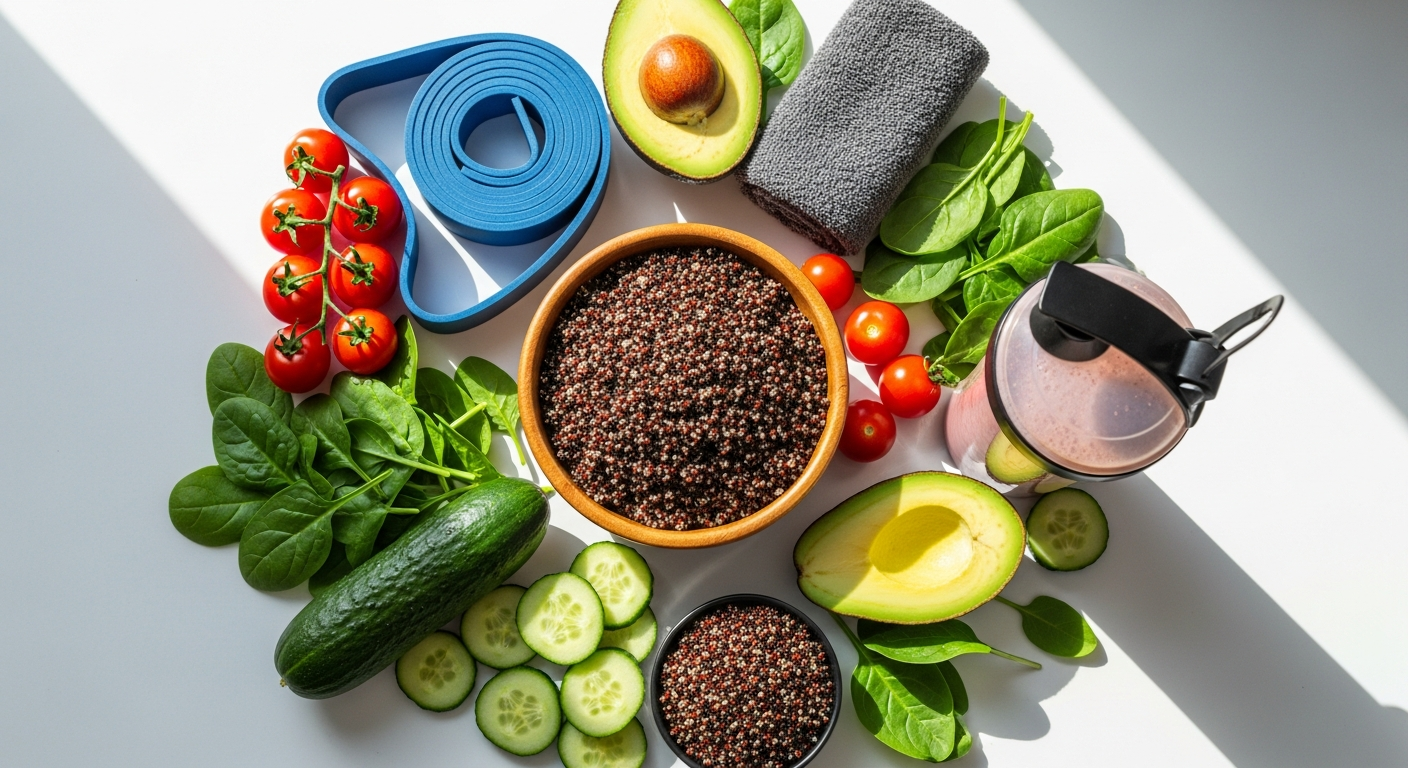

Plant-based athletes face a persistent challenge: getting enough complete protein to support muscle recovery and peak performance. While the fitness world has traditionally centered around animal products, a quiet revolution is happening in kitchens and training facilities worldwide. Black quinoa is emerging as a game-changer for athletes who’ve ditched meat but refuse to compromise on results.
Kamelur Organic Black Quinoa brings something special to the table—literally. Sourced from the nutrient-rich soils of the Andes and cultivated with strict organic standards, this superfood delivers all nine essential amino acids in a single serving. The brand’s commitment to sustainable farming means you’re not just fueling your body; you’re supporting agricultural practices that respect the planet.
Discover how Kamelur Organic Black Quinoa can transform syour plant-based athletic nutrition today.
Why Plant-Based Athletes Need Complete Proteins
The Complete Protein Challenge
Your body requires nine essential amino acids it cannot manufacture independently: histidine, isoleucine, leucine, lysine, methionine, phenylalanine, threonine, tryptophan, and valine. Complete proteins contain all nine. Animal products traditionally held this advantage, but plant-based athletes discovered a problem—most plant sources offer incomplete amino acid profiles. Rice lacks lysine. Beans fall short on methionine. Legumes struggle with similar deficiencies. This nutritional puzzle frustrated generations of vegetarian and vegan athletes striving for serious strength and endurance gains.
The Muscle-Building Disadvantage
Strength training creates microscopic tears in muscle fibers. Recovery requires all nine essential amino acids working in concert. When your body receives incomplete proteins, it scavenges amino acids from existing muscle tissue to fill the gaps. This catabolic process undermines years of training effort. Plant-based athletes competing at serious levels couldn’t simply eat more rice and beans—they needed strategic sources delivering complete amino acid profiles without relying on meat, dairy, or eggs.
Black Quinoa’s Amino Acid Advantage
Kamelur’s black quinoa stands apart because it delivers all nine essential amino acids in balanced proportions. This complete protein status matches the amino acid profile of animal products, eliminating the nutritional compromise many plant-based athletes face. The firm texture ensures it remains digestible even during intense training blocks, and the mild, nutty flavor absorbs complementary seasonings without overwhelming delicate training nutrition protocols.
Bioavailability: How Your Body Actually Uses It
Consuming amino acids differs dramatically from absorbing them. Black quinoa offers exceptional bioavailability—meaning your digestive system efficiently breaks it down and your muscles rapidly access its amino acids. This efficiency matters enormously during critical recovery windows when your body initiates muscle protein synthesis. Unlike some plant proteins requiring special preparation to maximize absorption, black quinoa delivers amino acids your muscles can utilize immediately.
Comparing Plant Proteins: Why Conventional Sources Fall Short
White quinoa provides similar amino acid profiles to black quinoa, but the black variety contains elevated anthocyanin levels—powerful antioxidants supporting inflammation management. Beyond quinoa, consider the complete protein landscape: rice and beans, when combined, eventually provide complete proteins, but separately they fail. Legumes require significant volume to match black quinoa’s protein density. Nuts and seeds offer incomplete profiles. Soy products deliver complete proteins but present digestive concerns for some athletes. Kamelur’s black quinoa solves this puzzle with a single ingredient.
The Nutritional Edge: Beyond Protein
Micronutrient Powerhouse
Black quinoa contains manganese, supporting bone health and metabolic function during intensive training cycles. Magnesium regulates muscle contraction and promotes nervous system recovery. Iron transports oxygen through your bloodstream—essential for endurance activities. Phosphorus works alongside calcium to strengthen skeletal structures stressed by strength training. These minerals work synergistically, creating a nutritional foundation superior to conventional grains lacking this density.
B Vitamins and Energy Metabolism
Your mitochondria—the energy factories within muscle cells—rely on B vitamins to convert carbohydrates into ATP (usable energy). Black quinoa provides these critical cofactors, directly supporting training intensity and endurance capacity. During high-volume training blocks, these vitamins become genuinely limiting nutrients. Athletes consuming inadequate B vitamins experience fatigue disproportionate to actual training load, signaling that micronutrition matters as much as total calories.
Antioxidants and Inflammation Management
The anthocyanins giving black quinoa its distinctive dark color function as powerful antioxidants. Intense training generates reactive oxygen species and inflammatory cascades—necessary for adaptation, but excessive inflammation impairs recovery. Black quinoa’s antioxidant content helps modulate this response, potentially accelerating adaptation and reducing soreness between sessions. This anti-inflammatory advantage extends beyond athletic recovery, supporting long-term health and injury prevention.
Dietary Fiber for Sustained Energy
High-fiber foods often conflict with athletic nutrition because fiber promotes satiety—problematic when athletes need caloric density. Black quinoa solves this paradox with fiber that supports stable blood sugar without excessive fullness. The sustained energy release prevents the crash accompanying refined carbohydrates, allowing consistent performance throughout training sessions and competition.
Blood Sugar Stability for Endurance
Endurance athletes depend on stable blood glucose maintaining steady power output. Black quinoa’s carbohydrates digest gradually, preventing the glucose spikes triggering energy crashes. This stability extends training duration before fatigue compromises performance, providing a competitive advantage during long-distance events or high-volume training blocks.
Pre-Workout and Post-Workout Nutrition Strategies
Timing Your Black Quinoa Consumption
Pre-workout meals should settle within 1-2 hours, providing easily digestible carbohydrates and moderate protein without gastric distress. Black quinoa fits this window perfectly—light enough for endurance athletes needing quick fuel, substantial enough for strength athletes requiring sustained energy. Post-workout nutrition windows demand rapid amino acid delivery within 2 hours of training completion. Black quinoa’s bioavailability makes it ideal for accelerating muscle protein synthesis during this critical period.
Carbohydrate-to-Protein Ratios
Black quinoa provides approximately 8 grams of protein and 39 grams of carbohydrates per cooked cup. Strength athletes pursuing muscle hypertrophy benefit from combining this ratio with complementary proteins and healthy fats, creating post-workout meals delivering 20-40 grams total protein. Endurance athletes emphasize the carbohydrate content, using black quinoa as their primary fuel with additional protein sources supporting recovery.
Pre-Training Meal Prep
One hour before training, prepare a light black quinoa bowl combining 1/2 cup cooked quinoa, fresh berries, and a drizzle of honey. This delivers quick carbohydrates, easily absorbable protein, and antioxidants supporting training performance without creating gastric burden. The mild flavor and firm texture prevent digestive discomfort even during intense interval sessions.
Post-Recovery Nutrition
Within 30 minutes of completing training, combine 1 cup cooked black quinoa with grilled vegetables, a plant-based protein powder or legume addition, and extra-virgin olive oil. This meal delivers complete amino acids, carbohydrates replenishing glycogen, antioxidants supporting recovery, and healthy fats optimizing hormone function. The balanced macronutrient composition maximizes muscle protein synthesis without excessive fullness.
Hydration Considerations
Black quinoa’s high fiber content demands adequate hydration. Athletes consuming black quinoa should increase water intake by 20-30% to support digestion and prevent constipation. This consideration becomes critical during competition preparation or high-volume training blocks where gastrointestinal comfort directly impacts performance.
Portion Sizing by Training Intensity
Light training days: 1/2 cup cooked black quinoa per meal. Moderate training days: 3/4 cup per meal. High-intensity training days: 1 cup per meal. Adjust portions based on body weight and composition goals, scaling upward for heavier athletes and strength-focused training, downward for lighter endurance athletes prioritizing speed and power-to-weight ratios.
Meal Prep Efficiency for Busy Athletes
Batch Cooking and Storage
Cook black quinoa in large batches—5-6 cups dry quinoa yields 15-18 cups cooked product. Store in glass containers with airtight lids, refrigerated for up to five days. Properly stored black quinoa maintains texture and nutritional integrity throughout the week. Freezing extends storage to three months, though texture becomes slightly softer upon reheating. This batch-cooking approach transforms nutrition from daily time-intensive preparation to weekly one-hour investment.
Five-Day Meal Prep Templates
Day 1-2: Black quinoa base with roasted sweet potato, steamed broccoli, tahini dressing. Day 3-4: Black quinoa with chickpea curry, coconut milk, spinach. Day 5: Black quinoa combined with marinated tofu, bell peppers, sesame oil. This rotation prevents flavor fatigue while maintaining nutritional consistency. Each template provides complete proteins when combined with Kamelur’s black quinoa, satisfying both taste preferences and performance nutrition demands.
Flavor Absorption Properties
Black quinoa absorbs complementary flavors while maintaining its subtle nuttiness—a unique advantage over white quinoa or conventional grains. Marinades, dressings, and cooking liquids infuse directly into the grain rather than coating the surface. This means meal prep flavors actually intensify throughout the week as the grain continues absorbing seasonings.
Container-Friendly Recipes
Combine cooked black quinoa with diced vegetables, legumes, and a simple vinaigrette in glass containers. These preparations remain fresh for five days and taste better after 24 hours as flavors meld. The firm texture prevents mushiness even when refrigerated multiple days—a critical advantage for athletes transporting meals to gyms, offices, or competitions.
Cost-Per-Serving Economics
A 500g package of Kamelur Organic Black Quinoa typically contains 20-25 servings, yielding $1.40-$2.50 per serving depending on retailer and promotions. Compare this to equivalent complete protein sources: Greek yogurt costs $2-3 per serving, chicken breast $3-4 per serving, premium plant-based meat alternatives $4-6 per serving. The economics become compelling when considering Kamelur’s superior nutrient density and sustainability profile.
Time-Saving Integration Strategies
Use pre-cooked black quinoa to reduce preparation from 20 minutes to 5 minutes, though fresh-cooked versions offer superior texture and cost advantages. Combine batch-cooked black quinoa with rotisserie vegetables from grocery stores, canned legumes, and pre-made sauces. This hybrid approach maintains 80% of the time investment benefit while preserving food quality.
Addressing the Premium Price Point
Quality Justification
Kamelur’s Organic Black Quinoa commands premium pricing because organic certification requires third-party verification, sustainable farming practices cost more than conventional monoculture, and Andean sourcing emphasizes fair compensation for regional farmers. These standards aren’t marketing flourishes—they represent genuine agricultural rigor. Conventional quinoa production has historically depleted Andean soils and exploited local farming communities. Kamelur’s commitment eliminates these externalities.
Long-Term Health Investment
Framing Kamelur as a health investment rather than a food expense reframes the purchasing decision. Plant-based athletes investing in superior nutrition experience better recovery, fewer injuries, improved performance, and sustained training consistency. These benefits compound, potentially extending athletic careers by years and supporting long-term wellness. The $30-50 monthly cost for consistent black quinoa consumption represents insurance against performance plateaus and injury downtime costing far more in lost training time.
Cost-Per-Gram Protein Comparison
Kamelur’s black quinoa provides approximately 8 grams protein per cooked cup (8 cents per gram). Premium plant-based protein powders cost 10-15 cents per gram. Organic tofu costs 6-8 cents per gram but lacks complete amino acids. Hemp seeds cost 20+ cents per gram. From a pure protein economics perspective, black quinoa occupies the sweet spot balancing cost, completeness, and nutritional density.
Bulk Purchasing and Competitive Pricing
Buying 2kg or larger quantities directly from Kamelur’s website or authorized retailers often yields 15-20% discounts versus single 500g packages. Subscription options sometimes offer additional savings, ensuring consistent supply while reducing decision fatigue. Seasonal promotions around New Year fitness resolutions and summer preparation periods frequently feature significant markdowns.
Performance ROI Calculation
A plant-based athlete investing $200 annually in Kamelur’s black quinoa who achieves a 5-10% performance improvement—whether through faster recovery, increased training volume, or injury prevention—multiplies that investment many times over. A runner shaving 30 seconds from a 5K time through improved nutrition returns far more than the associated cost. This ROI thinking justifies premium pricing for serious athletes.
Seasonal Promotions and Subscriptions
Kamelur offers monthly subscriptions providing 10-15% discounts and automatic delivery, eliminating supply chain anxiety. Seasonal promotions cluster around January, April, July, and September—aligning with natural training periodization cycles. Savvy athletes purchase extra inventory during promotional periods, establishing stockpiles lasting through higher-priced seasons.
Real-World Performance Applications
Endurance Athletes: Sustained Energy Demands
Marathon runners, ultra-distance cyclists, and triathletes depend on sustained carbohydrate availability throughout extended efforts. Black quinoa’s slow-digesting carbohydrates combined with complete protein support extended training sessions without gastrointestinal distress. Endurance athletes consuming black quinoa report improved energy stability during long training blocks—crucial during periodized preparation where high-volume phases demand consistent fueling across 12-16 week blocks.
Strength Training and Muscle Hypertrophy
Bodybuilders and strength athletes pursuing muscle growth require complete proteins supporting muscle protein synthesis during high-frequency training. Black quinoa’s balanced amino acid profile, combined with high carbohydrates supporting training intensity and recovery, creates an ideal training fuel. Plant-based strength athletes incorporating black quinoa consistently report improved training performance and body composition outcomes compared to incomplete protein approaches.
Recovery Nutrition During High-Volume Blocks
Periodized training includes brief high-volume phases where training frequency and duration spike temporarily. These blocks demand superior recovery nutrition or overtraining symptoms emerge. Black quinoa’s nutrient density—combining complete proteins, antioxidants, minerals, and slow-digesting carbohydrates—provides the recovery support athletes need to tolerate high-volume phases while maintaining performance.
Digestive Comfort During Intense Training
Heavy animal proteins often create digestive distress during intense training cycles—stomach tension, bloating, and suboptimal nutrient absorption. Plant-based proteins generally digest more smoothly, though incomplete profiles create muscular fatigue unrelated to training stimulus. Black quinoa’s complete protein profile combined with exceptional digestibility creates a rare advantage: superior training fuel without digestive compromise.
Case Studies: Plant-Based Athletes Succeeding with Black Quinoa
Numerous plant-based endurance athletes report breaking personal records after incorporating Kamelur’s black quinoa into regular nutrition protocols. Cross-fitter athletes transitioning to plant-based diets often cite black quinoa as the critical element enabling continued strength progression. These testimonials, while anecdotal, consistently identify black quinoa as essential rather than supplementary—suggesting genuine performance advantages translating to competition outcomes.
Integration with Sports Nutrition Frameworks
Black quinoa fits seamlessly into established periodization models. During base-building phases emphasizing volume, black quinoa’s sustained energy supports extended training sessions. During intensity phases requiring high-quality calories, the complete protein supports recovery between high-effort bouts. During taper periods, black quinoa’s digestibility allows final performance-optimizing adjustments without gastrointestinal compromise.
Preparation Tips and Saponin Removal
Understanding Saponins and Digestive Impact
Saponins—natural compounds coating raw quinoa seeds—create a bitter flavor and can trigger digestive irritation in sensitive individuals. These compounds serve plants as natural pesticides, discouraging consumption by insects and microbes. While saponins aren’t toxic, removing them improves both taste and digestive comfort. Athletes with compromised gut health or those consuming large black quinoa quantities benefit significantly from thorough saponin removal.
Step-by-Step Rinsing Technique
Place uncooked quinoa in a fine-mesh strainer. Run cool water directly over the grains while gently rubbing them between your hands—this friction removes surface saponins. Continue rinsing until water runs completely clear (typically 3-4 rinses). This five-minute process eliminates 95%+ of saponins, dramatically improving taste and digestibility. Some athletes toast rinsed quinoa briefly in a dry pan to enhance nuttiness and create a slightly crispier texture.
Cooking Methods Preserving Nutrition
Boiling black quinoa in vegetable broth rather than plain water adds micronutrients and flavor while cooking. The 2:1 liquid-to-quinoa ratio yields properly cooked grains in 15 minutes—neither mushy nor undercooked. Pressure cooking reduces time to 8 minutes while maintaining firm texture. Rice cookers provide hands-off convenience without nutritional compromise. Avoid high-heat methods degrading heat-sensitive B vitamins and antioxidants.
Flavor Enhancement Without Compromising Nutrition
Combine cooked black quinoa with nutritious flavor builders: nutritional yeast (adds savory umami and B vitamins), turmeric (anti-inflammatory), fresh herbs (negligible calories, maximum flavor), and quality olive oil (supports micronutrient absorption). Avoid refined sauces loaded with added sugars or excessive sodium—black quinoa’s natural flavor accepts bold spices without requiring sugar-dependent flavor profiles.
Storage Best Practices
Refrigerate cooked black quinoa in airtight glass containers immediately after cooking cools. Store away from direct light and temperature fluctuations. Properly stored black quinoa maintains texture, antioxidant content, and nutritional integrity for five days. For longer storage, freeze in individual portions in freezer-safe containers—defrost in refrigeration 12 hours before consumption or reheat directly in simmering water.
Pre-Rinsed Versus Bulk Options
Some Kamelur packages are pre-rinsed, eliminating the rinsing step but increasing per-unit costs approximately 20%. For athletes prioritizing convenience and digestive comfort, pre-rinsed options justify the premium. For cost-conscious athletes preparing meals in batch sessions where rinsing becomes negligible time investment, bulk options offer better value. Match your selection to your training schedule and preparation lifestyle.
The Sustainability Angle for Conscious Athletes
Kamelur’s Organic Farming Practices
Kamelur sources black quinoa from controlled organic cultivation in Andean high-altitude regions, implementing crop rotation, natural pest management, and soil regeneration practices. These methods require significantly more agricultural knowledge and labor than conventional monoculture but produce superior nutritional outcomes while preserving regional ecosystems. Athletes consuming Kamelur directly support farming communities maintaining these standards despite price pressures from industrial agriculture.
Environmental Impact Comparison
Black quinoa cultivation generates substantially lower carbon footprints than animal protein production. A kilogram of quinoa requires approximately 2,000 liters of water; beef production requires 15,000-20,000 liters per kilogram. Quinoa cultivation doesn’t require intensive antibiotic use or generate methane emissions from ruminant digestion. From an environmental perspective, black quinoa represents one of the lowest-impact complete protein sources available globally.
Fair Trade and Farmer Support
Organic certification requires price premiums flowing toward farming communities rather than industrial middlemen. Kamelur’s commitment to sustainable Andean cultivation ensures that Quechua and Aymara farmers maintaining these practices receive fair compensation. Plant-based athletes purchasing Kamelur directly support indigenous agricultural knowledge and community economic stability.
Carbon Footprint and Ethical Sourcing
While imported from South America, black quinoa’s lower production intensity, smaller package sizes, and longer shelf-life create lower overall carbon footprints than many locally-produced foods. Ethical sourcing considerations—fair farmer compensation, sustainable soil practices, minimal chemical inputs—often outweigh transportation carbon when evaluating true sustainability.
Values-Aligned Athletic Training
Conscious athletes increasingly recognize that training philosophy extends beyond physical output into purchasing and consumption patterns. Choosing Kamelur represents values alignment—prioritizing personal performance while supporting agricultural sustainability, farmer welfare, and ecosystem preservation. This alignment creates intrinsic motivation extending beyond competition results.
Supporting Regenerative Agriculture
Regenerative agriculture practices actively improve soil health, water retention, and carbon sequestration compared to conventional farming. Every Kamelur purchase directly funds scaling these practices, creating positive environmental externalities. Plant-based athletes supporting this regenerative model participate in climate solutions while fueling personal performance.
Beyond the Gym: Everyday Nutritional Benefits
Gluten-Free Advantages
Black quinoa is naturally gluten-free, benefiting athletes with celiac disease or non-celiac gluten sensitivity. Unlike wheat-based grains or certified gluten-free alternatives often heavy with starches, black quinoa delivers nutrition without compromise. Athletes with gluten sensitivities finally access a complete protein source that doesn’t trigger inflammation or digestive distress.
Long-Term Health Markers
Consistent black quinoa consumption correlates with improved cholesterol profiles, more stable blood glucose, and reduced inflammation markers. These benefits extend far beyond athletic performance into longevity nutrition. Plant-based athletes consuming Kamelur’s black quinoa build nutritional foundations supporting decades of training and activity rather than years.
Weight Management Support
Black quinoa’s satiety effect comes from complete protein and fiber without excessive calories—approximately 222 calories per cooked cup. Athletes pursuing weight loss or body composition optimization appreciate the sustained fullness preventing between-meal hunger. The nutritional density means smaller portions deliver greater satisfaction compared to calorie-dense processed foods.
Anti-Inflammatory Properties for Wellness
Anthocyanins and other antioxidants create systemic anti-inflammatory effects supporting injury prevention and overall wellness. Plant-based athletes often report reduced overall body soreness, fewer chronic injuries, and improved longevity in sport after shifting toward nutrient-dense foods like black quinoa.
Cognitive Function and Mental Performance
B vitamins support neurotransmitter production affecting mood, motivation, and mental clarity. Magnesium supports sleep quality essential for recovery and cognitive restoration. Folate contributes to methylation cycles critical for optimal brain function. Athletes report improved training focus and mental clarity after incorporating black quinoa into regular nutrition—benefits extending far beyond physical performance.
Longevity Nutrition and Sustained Performance
Plant-based athletes prioritizing nutrient-dense foods like Kamelur’s black quinoa build nutritional momentum supporting careers spanning decades. The micronutrient density, antioxidant protection, and complete protein profile address nutritional gaps threatening long-term athletic longevity. This represents true performance optimization—not just maximizing current output but sustaining performance across a lifetime.
Elevate Your Plant-Based Athletic Performance
Kamelur Organic Black Quinoa represents a paradigm shift for plant-based athletes who refuse to compromise. It’s not simply another grain—it’s a complete nutritional solution addressing the specific demands of serious training. The complete amino acid profile fuels muscle recovery. The mineral density supports endurance. The antioxidant content accelerates adaptation. And the firm texture and flavor absorption make it genuinely enjoyable to eat, meal after meal.
Yes, the premium price tag stings initially. But when you calculate the cost per serving, factor in the performance benefits, and consider the long-term health investment, the value becomes undeniable. This is fuel designed for athletes who understand that what you put into your body directly determines what you get out of your training. Your next personal record, faster recovery time, and sustained energy through demanding training blocks could very well start with a bowl of Kamelur’s black quinoa. The question isn’t whether you can afford premium nutrition—it’s whether you can afford to ignore it.
Order your Kamelur Organic Black Quinoa and transform your plant-based athletic performance today.