
The Complete Protein Advantage: Why Athletes Need All 9 Amino Acids
Plant-based athletes face a persistent challenge: building and maintaining muscle without animal products. Most plant-based protein sources fall short, lacking one or more essential amino acids your body desperately needs. Your muscles don’t care about variety—they require all nine essential amino acids to synthesize new tissue and repair damage from training.
Kamelur, a German family-run brand rooted in sustainable agriculture, has positioned itself as a trusted source for organic superfoods. Their quinoa selection—available in white, red, and black varieties—represents far more than a trendy health food. It’s a strategic nutrition choice backed by rigorous organic certification and decades of ecological farming expertise.
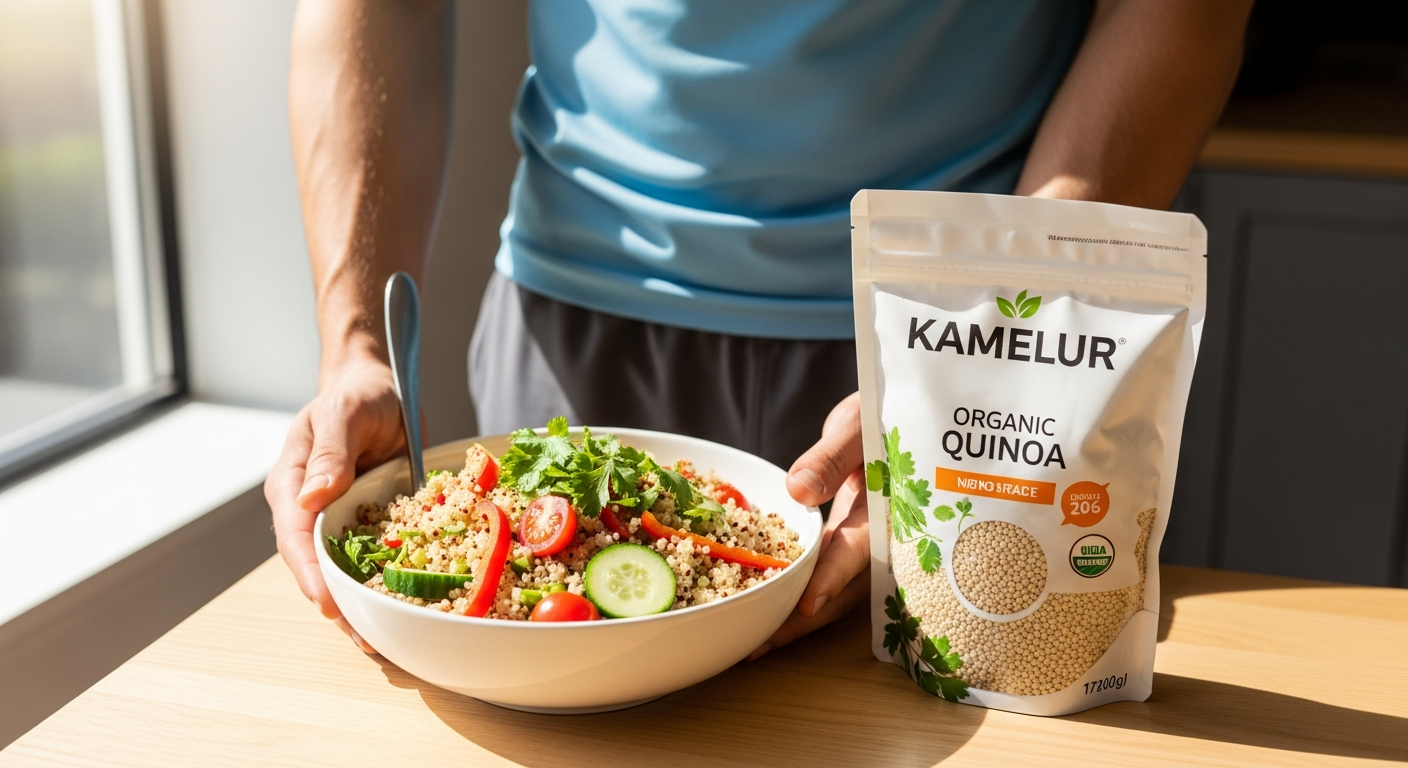
Whether you’re training for endurance events, building strength, or simply optimizing recovery, Kamelur Organic Quinoa directly addresses the protein gap that athletes on plant-based diets encounter daily. Discover how Kamelur Organic Quinoa can transform your athletic nutrition.
Understanding Complete Proteins in Plant-Based Nutrition
Complete proteins contain all nine essential amino acids your body cannot manufacture independently. Among plant foods, complete proteins are exceptionally rare. Most grains provide adequate methionine but fall short on lysine. Legumes offer decent lysine but lack methionine. This nutritional reality forces plant-based athletes into constant protein combining—mixing rice with beans, pairing seeds with grains—just to achieve what a complete protein delivers naturally.
Quinoa breaks this pattern entirely. Its amino acid profile rivals that of animal proteins, making it genuinely revolutionary for plant-based athletes seeking simplicity without compromise.
The Nine Essential Amino Acids and Athletic Performance
Leucine, isoleucine, and valine—collectively known as branched-chain amino acids (BCAAs)—directly trigger muscle protein synthesis. These three amino acids activate mTOR, the cellular signaling pathway that initiates muscle growth. Leucine specifically acts as the “trigger,” while isoleucine and valine enhance the effect.
Lysine supports collagen formation and calcium absorption, critical for skeletal strength and injury prevention. Methionine aids in cartilage formation and acts as a precursor for creatine synthesis. Phenylalanine contributes to neurotransmitter production, improving focus during competition. Threonine supports immune function and collagen integrity. Tryptophan regulates mood and sleep quality—essential recovery factors athletes often overlook. Histidine supports oxygen transport and inflammation management.
Kamelur Organic Quinoa delivers these nine amino acids in balanced proportions. The leucine content alone—approximately 1.2 grams per cooked cup—places quinoa among the most efficient plant-based BCAA sources available.
Quinoa Versus Incomplete Plant Proteins
A serving of cooked rice contains roughly 4 grams of protein but lacks adequate lysine. Add black beans (4 grams of protein, strong on lysine, weak on methionine), and you’ve created a complete amino acid profile—but required two separate foods and significantly more preparation.
Kamelur Organic Quinoa delivers a complete profile in a single ingredient. One cup of cooked quinoa provides approximately 8 grams of protein with all nine essential amino acids present in meaningful quantities. This efficiency matters enormously during competition season when meal preparation time compresses and nutrition precision becomes non-negotiable.
Bioavailability: How Well Your Body Actually Absorbs Quinoa Protein
Protein quality isn’t determined by total grams alone—your body’s absorption efficiency matters equally. Quinoa’s Protein Digestibility Corrected Amino Acid Score (PDCAAS) reaches 1.0, matching that of milk and egg protein. This means your body absorbs and utilizes nearly 100% of the protein you consume.
Compare this to lentils (PDCAAS: 0.52) or beans (PDCAAS: 0.68). Your body absorbs substantially less of their protein. Over weeks of training, this bioavailability advantage compounds. Better absorption means faster recovery windows, more efficient muscle repair, and fewer amino acids wasted during digestion.
Branched-Chain Amino Acid Composition
The leucine, isoleucine, and valine content in Kamelur Organic Quinoa positions it strategically for post-workout nutrition. These three amino acids trigger muscle protein synthesis without requiring digestive breakdown of complex proteins—they’re immediately available for anabolic processes.
Strength athletes particularly benefit. Resistance training creates micro-tears requiring rapid amino acid availability for repair. The BCAA profile in quinoa accelerates this repair window, shortening recovery time between training sessions and enabling higher training frequency.
Accelerating Post-Workout Recovery Windows
The 30-minute window following intense training represents peak opportunity for muscle protein synthesis. During this window, muscle tissue is primed for amino acid uptake. Consuming complete protein—with all nine amino acids immediately available—maximizes this window’s effectiveness.
Plant-based athletes consuming incomplete proteins face a problem: their bodies must wait for digestion to extract all necessary amino acids. This delays the anabolic response. Kamelur Organic Quinoa, consumed immediately post-workout with complementary carbohydrates, captures this window fully. The complete amino acid profile ensures no bottleneck in the recovery cascade.
Kamelur’s Three Quinoa Varieties: Choosing the Right Type for Your Training
Kamelur offers white, red, and black quinoa varieties, each serving distinct athletic purposes within your nutrition strategy.
White Quinoa: The Recovery Specialist
White quinoa features the mildest flavor profile and fluffiest texture among the three varieties. These characteristics make it ideal for post-workout recovery bowls where palatability influences consumption consistency.
Athletes often struggle with post-workout appetite. The light, slightly sweet taste of white quinoa pairs beautifully with fruit, nut butters, and plant-based yogurt—creating recovery bowls that taste like indulgence rather than obligation. This psychological factor shouldn’t be underestimated. Consistent post-workout nutrition beats perfect nutrition consumed sporadically.
Red Quinoa: The Endurance Choice
Red quinoa maintains a firmer structure through cooking, resisting the mushiness that white varieties sometimes develop. This texture advantage makes it superior for meal-prep containers requiring multiple days of refrigeration.
Endurance athletes benefit particularly from red quinoa’s earthier taste profile. When incorporated into savory salads with vegetables and plant-based proteins, the more pronounced flavor doesn’t tire the palate across repeated meals. Endurance training often requires consuming the same meals repeatedly—red quinoa’s character prevents flavor fatigue that undermines consistency.
The firmer texture also supports better digestion during extended training, where gastrointestinal distress can devastate performance.
Black Quinoa: The Antioxidant Powerhouse
Black quinoa carries a slightly sweet profile and the highest antioxidant content among the three varieties. For athletes managing inflammation from high training volumes, this variety offers nutritional advantage.
Intense training generates oxidative stress—free radicals that damage cellular structures and slow recovery. Black quinoa’s elevated anthocyanin content (the compound responsible for its dark color) combats this oxidative stress directly. Recovery becomes faster, and immune system suppression from overtraining potentially decreases.
Nutritional Differences and Athletic Application
While all three varieties contain the complete amino acid profile, black quinoa offers roughly 20% higher antioxidant capacity than white or red varieties. This matters during competition season or periodized training blocks emphasizing high volume.
White quinoa provides slightly higher caloric density—beneficial for strength athletes requiring surplus calories for hypertrophy. Red quinoa offers a middle ground, with texture advantages outweighing minimal nutritional differences.
Package Sizes and Cost-Per-Serving Economics
Kamelur offers both 500g and 1kg packages. The 500g option costs approximately $34.99, while 1kg packages range from $39.99 to $49.99 depending on variety and retailer. Per-serving costs favor bulk purchasing—a significant consideration for athletes training year-round.
A typical serving of cooked quinoa (approximately 75g uncooked) costs roughly $1.50–$2.50 depending on package size purchased. When compared to plant-based protein powders ($1–$2 per serving) or organic chicken ($3–$5 per serving), the value proposition becomes compelling, especially considering whole-food nutrition versus processed alternatives.
Rinsed Versus Unrinsed: Preparation Considerations
Quinoa naturally contains saponins—bitter compounds that coat the seeds. Most commercial quinoa, including Kamelur’s offerings, undergoes pre-rinsing, removing the majority of saponins. This dramatically shortens preparation time for busy athletes.
Pre-rinsed quinoa requires only cooking (typically 15 minutes in a 2:1 water-to-quinoa ratio). Unrinsed varieties demand additional rinsing steps, adding 5–10 minutes to meal preparation. During high-training-volume periods, these time savings accumulate meaningfully. Kamelur’s pre-rinsing approach acknowledges the reality of athlete schedules.
Storage and Nutritional Integrity
Dry quinoa maintains nutritional stability for 12+ months when stored in cool, dry conditions. Cooked quinoa remains fresh in refrigerated containers for 4–5 days, making batch cooking practical for weekly meal prep.
Store uncooked quinoa in airtight containers away from light and temperature fluctuations. Properly stored, Kamelur Organic Quinoa maintains full nutritional density across extended training cycles, supporting consistent performance-fueling protocols.
Beyond Protein: The Micronutrient Profile That Supports Athletic Goals
Complete protein delivers muscle-building capability, but athletic performance depends on dozens of micronutrients working in concert. Kamelur Organic Quinoa provides this micronutrient infrastructure.
Manganese and Skeletal Resilience
Manganese activates enzymes essential for bone formation and connective tissue synthesis. Impact athletes—distance runners, CrossFit competitors, plyometric trainers—face constant mechanical stress on skeletal structures. Manganese deficiency slows bone remodeling, increasing injury risk.
One cup of cooked quinoa provides approximately 0.6mg of manganese, contributing meaningfully to daily requirements (1.8–2.3mg). This prevents the subtle deficiencies that accumulate over training seasons, undermining skeletal integrity and injury-resistance capacity.
Magnesium’s Multifaceted Athletic Support
Magnesium participates in over 300 enzymatic reactions, including muscle contraction, energy production, and neuromuscular transmission. Athletic populations frequently experience mild magnesium depletion from sweat losses during training.
Quinoa provides approximately 118mg of magnesium per cooked cup—roughly 30% of daily requirements. Beyond muscle function, magnesium regulates sleep quality, hormone production, and stress hormone metabolism. Recovery happens primarily during sleep; magnesium sufficiency directly influences recovery efficiency.
Iron Content and Oxygen Transport
Iron deficiency impairs oxygen-carrying capacity, reducing aerobic performance through decreased hemoglobin levels. Plant-based athletes face higher deficiency risk than omnivorous counterparts, as plant-based iron (non-heme iron) exhibits lower bioavailability than animal sources.
Kamelur Organic Quinoa provides approximately 2.8mg of iron per cooked cup. While this represents less than animal sources, combining quinoa with vitamin C-rich foods (citrus, berries, tomatoes) dramatically enhances iron absorption. This strategic pairing—quinoa with compatible nutrient sources—addresses bioavailability limitations of plant-based nutrition.
Phosphorus and Skeletal Partnership
Phosphorus works synergistically with calcium to maintain bone density and mineral homeostasis. Strength athletes particularly benefit from adequate phosphorus, as resistance training creates mechanical loads that demand optimal bone mineral density for load-bearing capacity.
Quinoa provides approximately 281mg of phosphorus per cooked cup—approximately 40% of daily requirements.
B Vitamins and Energy Metabolism
Thiamine (B1) and riboflavin (B2) catalyze energy production from carbohydrates and fats. During high-training volumes, B vitamin demands increase proportionally to energy expenditure. Insufficient thiamine and riboflavin impair exercise capacity and recovery energy availability.
Kamelur Organic Quinoa delivers meaningful B vitamin concentrations, supporting efficient energy metabolism during training and recovery phases. This becomes particularly relevant for endurance athletes processing enormous carbohydrate and fat quantities across training blocks.
Copper and Collagen Architecture
Copper enables cross-linking of collagen molecules, creating the structural integrity that prevents connective tissue injuries. Tendons, ligaments, and fascia all depend on proper copper-mediated collagen formation. Copper deficiency subtly weakens these structures, increasing injury susceptibility over training seasons.
One cup of cooked quinoa provides approximately 0.4mg of copper—roughly 40% of daily requirements. This preventive contribution protects against the cumulative connective tissue breakdown that often sidelines athletes in their third or fourth training decade.
Zinc’s Immune System Support
High training volumes suppress immune function temporarily through multiple mechanisms. Zinc deficiency exacerbates this immunosuppression, increasing infection risk during peak competition seasons. Plant-based athletes face higher zinc deficiency risk than omnivorous counterparts.
Kamelur Organic Quinoa provides approximately 2.4mg of zinc per cooked cup—roughly 22% of daily requirements. Combined with complementary zinc sources (legumes, seeds, nuts), quinoa-based nutrition maintains immune competence despite heavy training stress.
Potassium and Electrolyte Equilibrium
Potassium regulates fluid balance, muscle contraction, and cardiovascular function. Sweat losses deplete potassium, potentially impairing muscular performance and cardiac regulation. Quinoa provides approximately 281mg of potassium per cooked cup, contributing meaningfully to daily electrolyte replacement.
This becomes particularly relevant for endurance athletes, where sweat losses exceed two liters per training session. Incorporating potassium-rich quinoa into recovery meals supports rehydration and electrolyte repletion more effectively than water alone.
Organic Certification and Sustainability: What Athletes Should Know
Premium pricing distinguishes Kamelur Organic Quinoa from budget alternatives. Understanding what organic certification actually guarantees—and whether it translates to superior athletic nutrition—clarifies the value proposition.
Kamelur’s Organic Farming Practices
Kamelur sources quinoa from farms practicing organic agriculture, eliminating synthetic pesticides, herbicides, and fertilizers. This farming methodology prevents chemical accumulation in crops and preserves soil microbiology that supports nutrient density.
Chemical-free cultivation requires more sophisticated soil management, crop rotation, and integrated pest management. These labor-intensive practices increase production costs—a direct factor in consumer pricing. The organic farming investment, however, translates to measurably different nutrient profiles compared to conventional cultivation.
Third-Party Certification Standards
Organic labeling requires third-party verification confirming compliance with established standards. Kamelur’s organic certifications originate from European regulatory bodies applying rigorous standards across pesticide residues, heavy metals, GMO status, and processing additives.
This certification infrastructure provides accountability. You’re not relying on manufacturer claims alone—independent auditors verify the organic status. For athletes prioritizing chemical-free nutrition, this verification matters substantially.
Environmental Impact Considerations
Organic quinoa farming preserves biodiversity compared to monoculture conventional agriculture. Soil health improves through organic matter accumulation and reduced chemical toxicity. Water systems remain uncontaminated by agricultural runoff carrying synthetic compounds.
These environmental benefits extend beyond personal health—they reflect broader ecological impacts. Athletes increasingly recognize that personal performance optimization aligns with environmental stewardship. Supporting organic producers advances both objectives simultaneously.
Sustainability Sourcing and Fair-Trade Alignment
Kamelur operates as a family-run enterprise emphasizing sustainable sourcing relationships. This business model encourages long-term partnerships with farming communities rather than extractive commodity relationships. Farmers receive fair compensation enabling reinvestment in sustainable practices.
Fair-trade considerations matter for athletes building ethical consumption practices. Supporting companies practicing fair-trade principles aligns nutrition choices with broader value systems.
Chemical-Free Production and Nutrient Density
Synthetic pesticides and fertilizers fundamentally alter crop nutrient composition. Chemical-dependent agriculture prioritizes yield maximization over nutrient density. Conventional quinoa often exhibits lower mineral concentrations—particularly trace minerals—compared to organic varieties.
Kamelur’s chemical-free approach preserves the full micronutrient spectrum that supports athletic performance. You’re not simply purchasing quinoa; you’re purchasing the complete nutritional infrastructure that quinoa evolved to provide.
Supply Chain Transparency
Kamelur publishes information about sourcing regions, farming partners, and production methodologies. This transparency builds confidence that products match advertised specifications. For athletes prioritizing accountability, this openness provides meaningful assurance.
Alignment With Eco-Conscious Athlete Values
Modern athletes increasingly integrate environmental consciousness into purchasing decisions. Choosing organic, sustainably sourced quinoa from transparent suppliers reflects values beyond personal performance optimization. This alignment with broader environmental principles enhances the satisfaction derived from nutrition choices.
Explore Kamelur’s commitment to organic and sustainable practices.
Practical Meal Strategies: Incorporating Quinoa Into Athletic Nutrition Plans
Nutritional superiority translates to performance only when actually consumed consistently. Strategic meal planning ensures quinoa becomes a reliable nutrition foundation rather than an occasional health food.
Pre-Workout Quinoa Bowls: Carbohydrate Timing
Pre-workout nutrition should deliver easily digestible carbohydrates 1–2 hours before training, allowing glycogen replenishment without gastrointestinal distress during exercise. Quinoa’s carbohydrate profile (39g per cooked cup) provides sustained energy release through its moderate glycemic index.
Combine one cup of cooked quinoa with fresh fruit (berries provide 15–20g additional carbohydrates), creating a pre-workout meal delivering approximately 55–60g carbohydrates with minimal fat or fiber. The amino acid profile provides muscular stability, while the complex carbohydrates fuel prolonged training sessions.
For morning training, prepare overnight quinoa bowls combining cooked quinoa, plant-based milk, berries, and cinnamon. This requires zero preparation on training mornings while delivering predictable carbohydrate availability.
Post-Workout Recovery Meals: Complementary Nutrition
Post-workout nutrition demands three components: complete protein, fast-absorbing carbohydrates, and anti-inflammatory compounds. Kamelur Organic Quinoa forms the protein foundation.
Combine one cup cooked quinoa (8g complete protein) with sweet potato or white rice (30–40g fast carbohydrates) and leafy greens with olive oil (anti-inflammatory fats). This recovery meal delivers approximately 40–45g carbohydrates, 8g complete protein, and beneficial phytochemicals—exactly matching post-workout nutritional requirements.
Alternatively, prepare quinoa with plant-based yogurt, berries, and hemp seeds, creating a protein-rich recovery bowl requiring zero cooking. This convenience supports consistency during competition seasons when fatigue undermines meal preparation motivation.
High-Protein Salads Exceeding 30g Protein Per Serving
A foundation of two cups cooked quinoa (16g protein) combined with white beans (15g protein), hemp seeds (3g protein), and plant-based protein powder (20g protein) delivers 54g total protein. Add colorful vegetables, olive oil vinaigrette, and fresh herbs for micronutrient density.
This salad serves four athletes or provides two high-protein meals for individual consumption. Batch preparation on meal-prep days ensures convenient access to complete-protein nutrition throughout busy training weeks.
Overnight Quinoa Bowls for Endurance Athletes
Endurance training demands sustained energy availability across extended sessions. Overnight quinoa bowls—combining cooked quinoa, plant-based milk, chia seeds, and dried fruit—provide slowly-released energy perfectly matched to endurance activities.
Prepare the bowl evening before, allowing soaking to create creamy texture similar to overnight oats. Morning consumption delivers energy availability within 30 minutes, with carbohydrate provision sustained for hours of training.
Quinoa Flour Applications
Kamelur Organic Quinoa can be ground into flour for homemade protein bars and baked goods. Combine quinoa flour with plant-based protein powder, nut butters, and dried fruit, creating portable pre-workout or mid-training nutrition requiring no refrigeration.
This application offers flexibility for athletes with specific macronutrient targets or training schedules incompatible with conventional meal timing.
Batch Cooking for Weekly Meal Prep
Cook 3–4 cups of dry quinoa simultaneously, yielding 9–12 cups cooked quinoa—sufficient for a week of athletic nutrition. Distribute across refrigerated containers, mixing with different complementary proteins and vegetables daily to prevent flavor fatigue.
This batch approach requires 30 minutes weekly but eliminates daily cooking, dramatically increasing nutrition consistency during intensive training periods.
Hydration Pairing Strategies
Quinoa’s fiber content (5g per cooked cup) supports digestive health but demands adequate hydration. Increase daily water intake by approximately 500ml when incorporating quinoa regularly into nutrition plans.
Pair quinoa meals with electrolyte-containing beverages (plant-based electrolyte drinks, coconut water) to support hydration while providing micronutrient repletion from training-induced sweat losses.
Sample Athletic Meal Plans
Strength Training Day (Hypertrophy Focus):
- Breakfast: Overnight quinoa bowl with plant-based protein powder, berries, nut butter (65g carbs, 35g protein)
- Pre-Workout: Quinoa with fruit (55g carbs, 8g protein)
- Post-Workout: Quinoa with white beans, vegetables, olive oil (45g carbs, 22g protein)
- Dinner: Quinoa salad with tofu, nuts, leafy greens (40g carbs, 28g protein)
Total: 205g carbs, 93g protein
Endurance Training Day:
- Breakfast: Overnight quinoa bowl (65g carbs, 15g protein)
- Pre-Workout: Quinoa with dates, almonds (70g carbs, 12g protein)
- During Training: Electrolyte drink with simple carbohydrates
- Post-Workout: Quinoa with sweet potato, vegetables (55g carbs, 14g protein)
- Evening: Quinoa pasta with plant-based sauce (50g carbs, 16g protein)
Total: 240g carbs, 57g protein
Mixed Sports Day (Moderate Volume):
- Breakfast: Quinoa with fresh fruit, hemp seeds (55g carbs, 18g protein)
- Snack: Homemade quinoa-protein bar (30g carbs, 15g protein)
- Lunch: Quinoa salad with chickpeas, vegetables (48g carbs, 20g protein)
- Pre-Workout: Quinoa with banana (45g carbs, 8g protein)
- Post-Workout: Quinoa with plant-based yogurt, berries (40g carbs, 16g protein)
Total: 218g carbs, 77g protein
Price-to-Performance Analysis: Is Premium Pricing Worth the Investment?
Kamelur Organic Quinoa costs substantially more than commodity grains. Understanding whether this premium investment delivers proportionate performance benefits requires honest cost-benefit analysis.
Cost Breakdown: Kamelur Versus Budget Alternatives
Kamelur Organic Quinoa ranges from $34.99–$49.99 per kilogram depending on variety and package size. Standard grocery store quinoa—often conventional rather than organic—costs approximately $12–$18 per kilogram.
The price differential is immediately apparent: Kamelur costs roughly 2–3 times more than budget alternatives. This premium reflects organic certification, sustainable sourcing, supply chain transparency, and superior micronutrient density. Whether this investment justifies itself depends on how you quantify athletic value.
Cost-Per-Gram-of-Protein Comparison
One kilogram of Kamelur Organic Quinoa yields approximately 3kg of cooked quinoa (accounting for water absorption). Three kilograms equals roughly 40 servings of approximately 75g cooked quinoa each.
Each serving provides 8g of complete protein. Forty servings equal 320g of complete protein per kilogram. At $40 average cost per kilogram, this represents $0.125 per gram of complete protein.
Compare this to:
- Plant-based protein powder: $0.15–$0.25 per gram of protein (but incomplete amino acid profile in most products)
- Organic chicken breast: $0.10–$0.15 per gram of protein (but unavailable to plant-based athletes)
- Conventional dried beans: $0.08–$0.12 per gram of protein (but incomplete amino acid profile)
- Budget conventional quinoa: $0.08–$0.10 per gram of protein (but inferior micronutrient density and potential pesticide residues)
The cost-per-protein metric reveals Kamelur’s value proposition: premium pricing reflects genuine nutritional differentiation, not simply premium branding.
Long-Term Health Investment Perspective
Athletic careers span decades. The accumulated impact of superior micronutrient intake compounds across training seasons. Deficiencies in copper, zinc, manganese, and magnesium develop gradually, manifesting as increased injury susceptibility, reduced recovery capacity, and premature performance decline.
Investing in superior nutrition—with documented micronutrient density—potentially prevents expensive injuries, extends competitive careers, and maintains quality-of-life metrics well into advanced athletic ages. Quantifying this benefit requires honest projection of long-term health outcomes.
Performance ROI: How Superior Nutrition Translates to Training Gains
Nutrition improvement translates to measurable performance metrics within 4–6 weeks:
- Faster post-workout recovery (quantifiable through soreness reduction, repeated-performance capacity)
- Enhanced training consistency (fewer illness days, better injury resilience)
- Improved body composition (accelerated muscle gain in strength training, optimized weight-to-power ratios in endurance)
- Better sleep quality (supporting overall recovery efficiency)
These improvements compound across training seasons. An athlete recovering 10% faster can tolerate 10% higher training volume, translating to superior long-term adaptation. Over years, this becomes the difference between plateauing athletes and continuously improving ones.
Budget-Friendly Purchasing Strategies
Minimize Kamelur costs through strategic purchasing:
Bulk ordering: Purchasing 2–3kg simultaneously often qualifies for volume discounts reducing effective cost by 10–15%.
Seasonal pricing: Organic quinoa pricing fluctuates with harvest cycles. Purchasing immediately after harvest typically offers better rates than off-season pricing.
Subscription services: Some retailers offer modest discounts for monthly automatic deliveries.
Hybrid approach: Mix premium Kamelur quinoa for critical training blocks with budget alternatives during maintenance phases, balancing nutritional optimization with budget constraints.
Quality Assurance Justifications
Premium organic pricing reflects multiple quality factors:
Rigorous testing: Organic certification requires testing for pesticide residues, heavy metals, and microbial contaminants. These tests increase production costs but guarantee safety.
Traceability: Supply chain documentation from farm to package requires infrastructure investment. This traceability provides accountability absent in commodity grain supply chains.
Nutritional testing: Kamelur reportedly tests finished products for micronutrient content, ensuring consistency. This quality control exceeds commodity grain industry standards.
Fair compensation: Sustainable sourcing relationships provide farmers fair compensation, incentivizing continued investment in organic practices.
Cost Savings From Reduced Injury Recovery
Calculate injury prevention value realistically. A single serious injury typically requires 4–12 weeks away from training—representing lost training stimulus, deconditioning, and potential career impact. Medical costs for sports injuries average $2,000–$10,000.
Superior nutrition reducing injury risk by even 10–15% across a competitive career potentially saves thousands in medical expenses and prevents training interruptions costing far more than premium grocery expenses.
Value Proposition for Different Athlete Commitment Levels
Serious/Professional Athletes: Premium Kamelur investment yields unambiguous ROI. Performance marginal gains compound significantly at elite levels. The cost differential is negligible relative to overall training expenses (coaching, equipment, competition fees).
Competitive Amateur Athletes: Strong ROI justifies premium investment. Training frequency and intensity support nutrition impact. Injury prevention value significantly exceeds premium pricing.
Recreational Athletes: Justifiable for regular training (4+ sessions weekly). Modest premium cost reflects better recovery supporting increased training frequency. Less justified for casual exercisers training 1–2 times weekly.
Athletes Transitioning to Plant-Based Nutrition: Particularly important investment. Complete protein availability directly supports successful plant-based transition without performance decline. Premium cost prevents nutritional disasters threatening athletic continuation.
Power Your Plant-Based Athletic Journey With Kamelur Organic Quinoa
Kamelur Organic Quinoa delivers what plant-based athletes have been searching for: a complete protein source that doesn’t compromise on nutrition, sustainability, or performance. The combination of all nine essential amino acids, micronutrient density, and organic certification creates a genuinely differentiated product in a crowded superfood market.
Yes, the pricing sits at a premium—but when you calculate the cost per gram of complete protein and factor in the performance benefits, recovery acceleration, and long-term health investment, the value becomes undeniable. Whether you’re a vegan marathoner, a plant-powered strength athlete, or someone transitioning toward plant-based nutrition while maintaining competitive performance, this quinoa addresses a real gap in sports nutrition.
The three varieties offer flexibility for different training phases and meal preferences. The micronutrient profile supports not just muscle building but the entire physiological infrastructure that enables peak athletic performance.
Start with a 500g package of the white variety to test your tolerance and discover your preferred preparation methods. From there, scale up to bulk purchases once you’ve integrated quinoa into your competition-day protocols. Track your recovery metrics, energy levels, and performance markers over 4–6 weeks. Most athletes report measurable improvements during this window.
Your plant-based athletic potential isn’t limited by protein availability—it’s amplified when you fuel with the right superfood. Order Kamelur Organic Quinoa today and experience the complete-protein advantage that’s transforming athlete nutrition worldwide.