
Why Poultry Pecking Behavior Matters (More Than You Realize)
Pecking is hardwired into poultry. Chickens, ducks, geese, and turkeys all possess an irresistible biological drive to peck at their environment—it’s how they forage, explore, and interact with the world around them. This instinct isn’t a luxury; it’s essential to their physical and psychological well-being.
The biological drive behind pecking in chickens, ducks, and other poultry
Poultry spend hours each day pecking in natural conditions. They peck at grass, seeds, insects, soil, and each other in measured, purposeful ways. This activity engages their cognitive abilities, satisfies their sensory needs, and maintains muscle tone. When birds lack adequate pecking opportunities, something shifts in their behavior—and not for the better.
How boredom and stress trigger feather pecking and cannibalism in confined spaces
Confined flocks without enrichment quickly develop destructive pecking patterns. Feather pecking begins when birds redirect their natural instinct toward accessible targets—their flock mates. What starts as curiosity escalates into aggression, with birds plucking feathers, causing wounds, and in severe cases, engaging in cannibalism. Stress amplifies this cycle. Overcrowding, poor ventilation, dietary imbalances, and lack of environmental stimulation create a pressure cooker where aggression thrives.
Economic impact of behavioral problems on farm productivity and animal losses
The financial toll is staggering. A single outbreak of cannibalism can eliminate dozens or hundreds of birds from a flock. Beyond direct losses, farmers face reduced egg production from stressed hens, increased veterinary costs, culling expenses, and the labor-intensive management required to separate aggressive birds or monitor wounds. Studies consistently show that poultry operations lose thousands annually to behavioral problems that could have been prevented.
Discover how LAX Meadow Pecking Sticks can prevent these costly behavioral issues in your flock.
Connection between natural pecking opportunities and reduced aggression
Birds given regular pecking opportunities show measurably lower aggression levels. When poultry can satisfy their pecking drive through appropriate channels, they’re calmer, more focused, and less inclined to target their flock mates. Environmental enrichment directly correlates with reduced feather pecking, fewer injuries, and improved social cohesion within the flock.
Role of environmental enrichment in preventing welfare issues
Enrichment isn’t a nice-to-have—it’s foundational to poultry welfare. Access to pecking materials, scratching areas, perches, and foraging opportunities prevents the psychological deterioration that leads to destructive behaviors. Farms implementing comprehensive enrichment strategies report fewer behavioral problems, lower mortality rates, and better overall production metrics.
Differences in pecking needs across poultry species and flock sizes
Pecking intensity varies by species. Chickens are aggressive peckers; ducks and geese peck more methodically; turkeys fall somewhere in between. Flock size also matters—larger flocks may show more aggression due to social complexity, while smaller backyard flocks can still develop problems if enrichment is absent. Tailoring enrichment to your specific poultry type and operation size maximizes effectiveness.
What Makes LAX Meadow Pecking Sticks Different from Other Options
Not all enrichment tools are created equal. The market offers hay nets, wooden perches, scratch piles, and various commercial enrichment devices—each with tradeoffs. LAX Meadow Pecking Sticks stand apart through their thoughtful design and construction.
Natural meadow hay composition versus synthetic enrichment tools
These pecking sticks are composed primarily of meadow hay—genuine forage material that birds find naturally rewarding. Unlike plastic toys or wooden blocks, meadow hay triggers authentic pecking responses because it mimics what poultry encounter in pasture environments. Birds recognize it as food, not just an object to manipulate, making engagement instinctive and sustained.
Additive-free pressing method that preserves nutritional integrity
LAX Tierfutter produces these sticks through cold pressing without additives, binders, or chemical enhancers. This manufacturing approach preserves the nutritional quality of the meadow hay and other ingredients while creating a dense, durable form that resists rapid degradation. Birds work the stick gradually rather than consuming it in minutes, extending the enrichment value.
Improved recipe formulation designed for optimal bird engagement
The formula has been refined specifically to maximize poultry engagement. The balance of ingredients—meadow hay, alfalfa, maize, and other components—creates a texture and taste profile that holds birds’ attention. The improved recipe represents LAX’s commitment to continuous refinement based on practical farm experience and welfare research.
Certified raw materials sourced from regional cultivation practices
Each ingredient is certified and typically sourced from regional suppliers, ensuring quality control and supporting local agriculture. This traceability and quality commitment reflect LAX Tierfutter’s welfare-focused philosophy. You’re not purchasing mystery ingredients; you’re getting materials you can verify and trust.
Comparison to traditional hay feeders and less effective enrichment methods
Traditional hay feeders work but are passive—birds simply pull hay out. Pecking sticks are active enrichment; the stick’s density requires sustained pecking effort, engaging birds more thoroughly. Compared to less effective options like leaving loose straw on the ground, pecking sticks provide controlled, hygienic enrichment that doesn’t degrade into bedding or harbor pathogens as quickly.
How the 65-69 mm diameter and 17 cm length suit various poultry species
The dimensions are precisely calibrated. The 65-69 mm diameter is substantial enough to withstand vigorous pecking from chickens and larger poultry without crumbling instantly, yet accessible to smaller birds. The 17 cm length provides adequate material for a flock’s engagement without being unwieldy. These proportions work across species—from small ornamental chickens to larger meat breeds, ducks, and geese.
Pack size (4 sticks, 3.5 kg) and practical application on different farm scales
Each pack contains 4 sticks weighing 3.5 kg total. For small homestead flocks (12–30 birds), one pack typically sustains engagement for several weeks depending on bird numbers and availability of other enrichment. Larger commercial operations order in bulk. The pack size strikes a balance between providing meaningful enrichment and fitting within storage and handling constraints.
Nutritional Profile and Ingredient Breakdown
LAX Meadow Pecking Sticks aren’t pure enrichment—they’re nutritional supplements designed to fit within your flock’s overall diet.
Complete ingredient list: maize, alfalfa, soy extraction meal, wheat, rapeseed oil, calcium carbonate, monocalcium phosphate
The formula includes:
- Maize: Energy source, palatability enhancer
- Alfalfa: High-quality roughage, vitamins, minerals
- Soy extraction meal: Protein source (note: produced from genetically modified soybeans)
- Wheat: Additional carbohydrates and fiber
- Rapeseed oil: Essential fatty acids, coat health
- Calcium carbonate: Critical for eggshell quality in laying hens
- Monocalcium phosphate: Phosphorus for bone health and metabolism
Role of each ingredient in supporting poultry health and digestion
This combination supports digestive health by providing balanced roughage. The fiber content aids gut function without causing impaction. Energy sources (maize, wheat) sustain activity, while protein components support feather growth and muscle maintenance. Oils promote feather quality and skin health. The mineral components are particularly important for laying hens maintaining eggshell integrity under stress.
Balanced roughage content for laying hens and supplementary feeding
The product functions as complete feed for laying hens when provided alongside standard grain rations, or as a supplementary treat for other poultry types. The roughage content is substantial enough to provide meaningful digestive engagement without excessive bulk. This flexibility makes the product adaptable to various feeding systems.
Mineral balance (calcium and phosphorus) for egg-laying performance
Calcium and phosphorus are balanced in a ratio that supports optimal eggshell quality. Stressed hens often show reduced eggshell quality; the mineral profile helps compensate for stress-related losses. The inclusion of these minerals is particularly strategic for flocks experiencing behavioral stress, which impacts production quality.
Energy content and how it fits into overall feed management
The stick provides moderate energy density. It’s calorie-dense enough to sustain engagement and provide nutritional value without excessive fat content. When incorporated into daily feeding routines, pecking sticks contribute meaningfully to the birds’ caloric intake—roughly equivalent to a supplementary snack rather than a meal replacement.
Suitability as full feed for laying hens versus supplement for other poultry types
For laying hens, these sticks can constitute part of the complete diet when combined with balanced layer feed and grit. For meat birds, ducks, geese, and other poultry, they function best as enrichment supplements—provided 2–3 times weekly rather than daily. This flexibility accommodates diverse operation types.
Transparency in sourcing and potential GMO considerations for conscious farmers
LAX Tierfutter clearly identifies that soy extraction meal is produced from genetically modified soybeans. For farmers committed to organic or GMO-free practices, this may present a consideration. However, the transparency allows informed decision-making. Many conventional and semi-intensive operations find this ingredient acceptable given the overall product quality and welfare benefits.
Behavioral Benefits: From Pecking Sticks to Peaceful Flocks
The true value emerges in behavioral transformation.
How pecking sticks redirect natural instincts away from feather-focused aggression
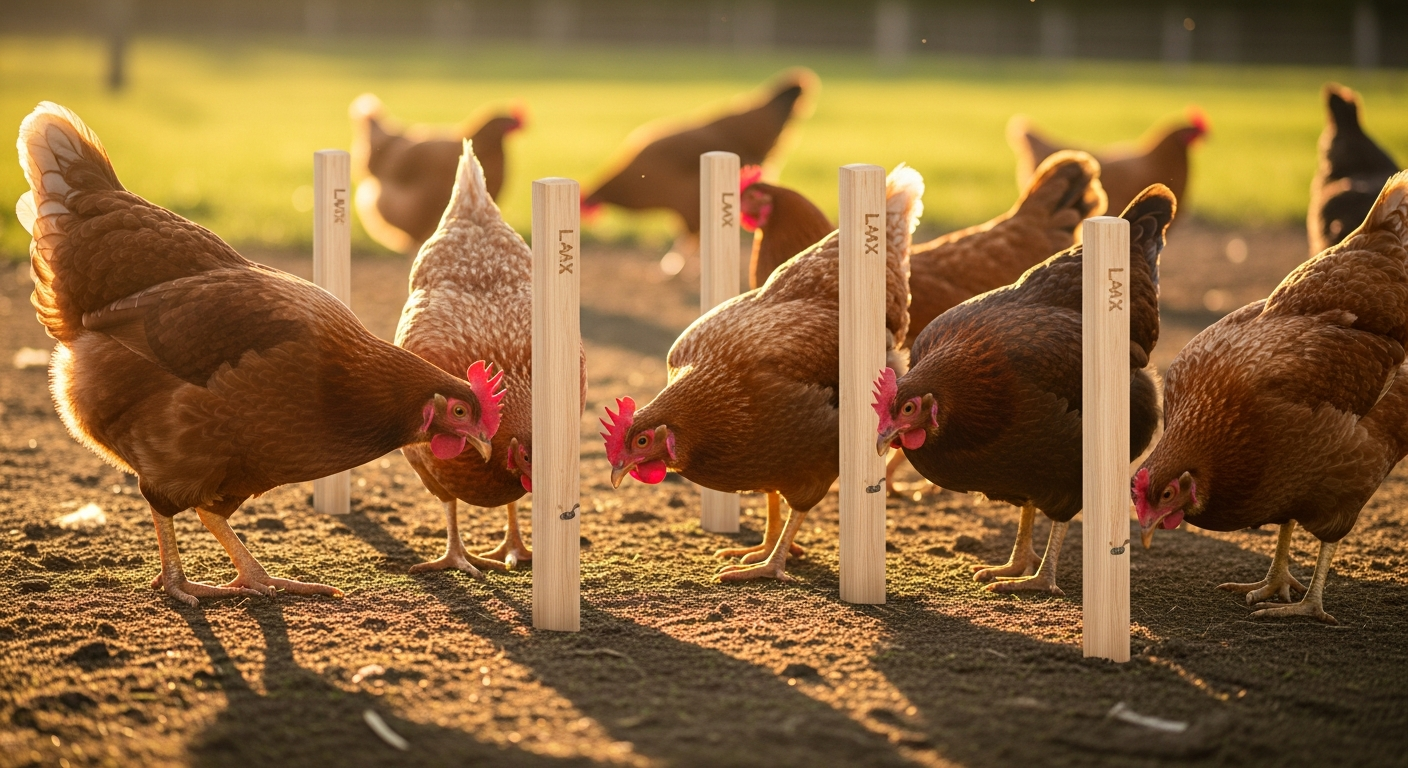
When birds engage with pecking sticks, their pecking drive finds an appropriate outlet. Instead of directing aggression toward flock mates’ feathers, birds focus on the stick. This redirection is remarkably effective because it satisfies the underlying biological need. The stick becomes the focal point of pecking behavior, shifting it away from destructive targets.
Prevention of cannibalism through sustained mental stimulation
Cannibalism often develops when birds experience boredom-induced stress. Pecking sticks provide sustained mental engagement. The stick doesn’t deplete instantly; birds return to it repeatedly over days or weeks, maintaining stimulation and occupying their cognitive attention. This occupation prevents the idle boredom that escalates into aggressive cannibalism.
Reduction in stress-related behaviors and flock hierarchy conflicts
Stressed flocks display increased aggression as birds jostle for social position and resources. Adequate pecking engagement reduces overall flock stress, which diminishes hierarchy-related aggression. Birds that are cognitively occupied through enrichment show calmer demeanor and fewer status conflicts. Social dynamics stabilize as psychological pressure eases.
Observable changes in bird activity and engagement within 1–2 weeks
Farmers introducing pecking sticks typically observe behavioral shifts within 7–14 days. Birds redirect attention toward the sticks, flock activity becomes more constructive, and feather condition improves. The changes are visible—fewer damaged feathers, reduced posturing and chasing, and more natural foraging-like behavior concentrated on the enrichment device.
Improved egg quality and production consistency with reduced stress
Stressed hens lay fewer eggs and produce lower-quality shells. The stress hormone cortisol directly impacts reproductive function. As behavioral stress decreases through enrichment, hens normalize their production patterns. Eggshell quality improves, breakage decreases, and overall output becomes more consistent. The economic gains accumulate across the production season.
Social dynamics improvement in mixed-age or mixed-breed flocks
Diverse flocks—particularly those combining different ages or breeds—experience social tension. Enrichment that occupies individual birds reduces competition and territorial displays. Pecking sticks distributed throughout the housing area give multiple birds simultaneous engagement, reducing conflict over resources and attention.
Long-term behavioral stability when pecking sticks are part of routine enrichment
The most successful operations integrate pecking sticks into regular enrichment routines. Birds that consistently receive these sticks maintain stable behavioral patterns. The engagement becomes anticipated—part of the flock’s rhythm—and behavioral improvements persist. This consistency prevents regression into destructive patterns.
Practical Integration into Your Poultry Management System
Introducing pecking sticks requires straightforward planning.
Recommended usage frequency and stick consumption rates
For laying hen flocks, offering one stick per 25–35 birds, 3–4 times weekly, maintains engagement without excessive consumption. Consumption rates vary by flock size, bird temperament, and availability of alternative enrichment. Smaller, more aggressive flocks consume sticks faster. Monitor consumption and adjust frequency based on actual usage patterns in your operation.
Placement strategies for maximum flock engagement and accessibility
Position sticks in areas where birds naturally congregate—away from feeding and watering stations but within easy access. Elevated placement (using stick holders or wire frameworks) prevents contamination and encourages natural pecking posture. Multiple sticks distributed throughout housing ensures all birds access enrichment, not just dominant individuals.
How to introduce pecking sticks to established flocks without disruption
Simply provide the first stick and monitor engagement. Most flocks immediately recognize sticks as food-like enrichment and begin pecking. No special acclimation is necessary. However, introducing sticks gradually—initially offering them for short periods—allows birds to become familiar without disruption to existing routines. Established flocks adapt within hours.
Monitoring consumption and adjusting supply based on flock size
Track how quickly sticks disappear. If a 4-stick pack sustains your flock for three weeks, you’ve established consumption rates and can plan orders accordingly. Larger flocks require more frequent supplies. Seasonal variation may affect consumption—winter confinement may increase stick use compared to outdoor spring months.
Storage conditions and shelf life of the 3.5 kg packs
Store packs in dry conditions to prevent moisture absorption and mold. A cool, well-ventilated storage area maintains quality indefinitely. Compressed sticks resist degradation far better than loose hay. Most operations store several packs on hand, allowing flexibility in feeding schedules without constant reordering.
Cost-effectiveness analysis compared to losses from behavioral problems
A 3.5 kg pack costs approximately €27–€30 and might sustain enrichment for a 25-bird flock over 3–4 weeks. This €6–€10 monthly expenditure per flock prevents losses from cannibalism, reduced egg production, and veterinary interventions that easily exceed €50–€200 annually. The return on investment is compelling, particularly for commercial operations.
Compatibility with free-range, semi-intensive, and intensive housing systems
Pecking sticks work across all housing types. Free-range flocks with abundant outdoor forage still benefit from supplementary sticks, particularly during winter confinement or when outdoor access is restricted. Semi-intensive systems with partial confinement find sticks especially valuable. Intensive housing operations rely on sticks as primary enrichment and report the most dramatic behavioral improvements.
Making the Right Choice for Your Flock’s Welfare
Selecting enrichment appropriate to your situation requires assessment.
Assessing your flock’s current behavioral issues and stress levels
Observe your birds. Do you see feather damage, aggression, reduced egg production, or listless behavior? These indicate stress and problematic pecking. Younger flocks may show fewer issues than mature flocks under prolonged confinement. Commercial operations with historical cannibalism problems should prioritize enrichment implementation. Backyard flocks with mild behavioral concerns benefit from sticks as preventative enrichment.
Determining whether enrichment alone or combined interventions are needed
Mild behavioral issues often resolve through enrichment alone. Severe cannibalism outbreaks may require combined approaches—enrichment, housing modifications, dietary adjustments, and potentially culling of instigators. Pecking sticks are powerful but work best as part of comprehensive welfare management. Consult specialists if your flock shows severe aggression unresponsive to initial enrichment.
Matching flock size and housing type to appropriate product quantities
Calculate your flock size and estimate stick consumption. A 30-bird laying flock requires one 4-stick pack every 3–4 weeks. Larger commercial operations order in bulk quantities. Intensive housing increases enrichment needs compared to systems with outdoor access. Plan inventory to avoid stock-outs during critical periods (peak production seasons, stress periods like molting).
Integration with other LAX Tierfutter products for comprehensive nutrition
LAX Tierfutter produces complementary products—layer feeds, supplements, and other enrichment items. Pecking sticks integrate seamlessly with their complete product line. Using coordinated products from a single manufacturer ensures nutritional compatibility and aligns enrichment with overall feeding strategy.
Consulting with veterinarians or poultry specialists about your specific situation
If your operation experiences recurring behavioral problems or specific welfare concerns, veterinary input helps tailor enrichment strategies. Specialists can assess housing adequacy, identify stressors, and recommend enrichment combinations most likely to succeed in your specific context.
Starting with a trial pack to evaluate results before committing to regular supply
Order one pack and observe flock response over 4–6 weeks. Document behavioral changes, consumption rates, and any impacts on production or health. This trial period reveals whether pecking sticks fit your operation’s needs and economics. Most operations ordering trial packs become regular customers after witnessing results.
Building enrichment into your long-term farm management philosophy
The most successful poultry operations view enrichment as non-negotiable—part of their welfare commitment rather than optional expense. Operations integrating enrichment into their core philosophy consistently achieve better production outcomes, lower mortality, and superior bird welfare. Pecking sticks serve as gateway enrichment, often leading to implementation of additional welfare improvements.
Addressing Common Questions and Concerns
Real questions merit straightforward answers.
Are genetically modified soybeans in the formula a dealbreaker?
This depends on your farming philosophy. Conventional and semi-intensive operations typically accept GMO soy as a cost-effective protein source. Organic and GMO-free certified operations may not. If GMO ingredients disqualify the product for you, consult LAX Tierfutter about alternative formulations or sourcing. Otherwise, the small proportion of soy in the overall formula is unlikely to affect animal health or product quality.
How do pecking sticks compare to other enrichment methods (perches, dust baths, foraging)?
Optimal enrichment combines multiple approaches. Perches satisfy roosting and escape needs. Dust baths provide comfort behaviors and parasite control. Foraging opportunities—whether from outdoor access or provided materials—engage natural food-seeking. Pecking sticks specifically target the pecking drive. A well-enriched system includes all these elements. Pecking sticks excel at preventing feather-focused aggression, making them particularly valuable in confinement systems.
Will birds ignore the sticks if they have other enrichment options?
Not typically. Birds with comprehensive enrichment still engage with pecking sticks because they satisfy a distinct need. However, in outdoor pasture systems with abundant natural foraging, supplementary sticks may receive less engagement. The most consistent consumption occurs in indoor or confined housing where pecking sticks provide primary enrichment.
Can you use these for ducks, geese, turkeys, and other poultry beyond chickens?
Yes. The stick formula works across poultry species. Ducks and geese peck less aggressively than chickens but still engage with the sticks. Turkeys find the material appealing. Usage rates may differ—turkeys might consume sticks more rapidly due to their size—but the product provides enrichment across species. Adjust quantities based on species-specific consumption rates observed in your operation.
What’s the environmental impact of the product and packaging?
LAX Tierfutter emphasizes sustainable practices and natural ingredients. The pressed meadow hay and plant-based components are biodegradable. Packaging details depend on your supplier, but reputable distributors use recyclable materials. The product’s benefit in preventing behavioral losses and associated interventions creates net positive environmental impact compared to the resource waste from disease, mortality, and culling related to stress.
Do pecking sticks work for aggressive roosters or problem birds?
Pecking sticks help prevent aggressive escalation in general flock situations. However, roosters with ingrained aggression toward hens may require additional interventions—isolation, removal, or behavioral modification beyond enrichment. Sticks reduce general flock aggression but don’t resolve individual rooster dominance issues. Problem birds often need separate assessment and management.
How do these fit into organic or pasture-based farming systems?
Organic systems can use these sticks if the formula meets organic certification standards. The GMO soy content may disqualify them for strict organic certification depending on certification body requirements. Pasture-based systems benefit from supplementary sticks particularly during winter confinement or weather-restricted periods. Consult your certifier about compatibility before committing to regular use in certified organic operations.
Elevate Your Flock’s Quality of Life—Starting Today
LAX Meadow Pecking Sticks represent far more than simple enrichment. They’re a practical, science-backed solution addressing the root cause of destructive poultry behavior while delivering genuine nutritional value. The natural composition, additive-free formulation, and proven track record across European farms make them a standout choice for anyone serious about animal welfare.
Whether managing a backyard flock of a dozen birds or a commercial operation with thousands, these pecking sticks fit seamlessly into modern poultry management. The investment is modest—typically €27–€30 per 3.5 kg pack—yet returns in reduced stress, fewer behavioral losses, and improved bird well-being are substantial. Your flock will respond with calmer temperaments, better egg production, and the natural behaviors they’re biologically driven to express.
Start with one 4-stick pack and observe changes in your flock’s dynamics within the first few weeks. Once you witness the difference, you’ll understand why LAX Tierfutter’s Meadow Pecking Sticks have become a bestseller among farmers who refuse to compromise on animal welfare.
Order your LAX Meadow Pecking Sticks today and transform your poultry operation.