
The Behavioral Crisis in Modern Poultry Keeping
Feather pecking and cannibalism cost backyard and commercial poultry producers thousands annually in lost birds, medical costs, and reduced productivity. The culprit isn’t disease or genetics—it’s boredom, stress, and unmet behavioral needs. Birds confined to monotonous environments with insufficient stimulation develop destructive behaviors as a psychological response to frustration. What starts as mild pecking escalates into aggressive cannibalism that can decimate a flock in weeks.
The LAX Wiesen Pickstange represents a game-changing approach to poultry welfare that addresses the root cause: the natural pecking instinct that birds need to express for psychological balance. This German-engineered enrichment snack satisfies that biological drive while delivering genuine nutritional value with no shortcuts and no artificial additives. Rather than treating behavioral problems after they emerge, enrichment prevents them from developing in the first place.
Discover how LAX Wiesen Pickstange can transform your flock’s welfare and productivity today.
Stress-Related Behaviors and Environmental Monotony
When poultry lack adequate enrichment, stress hormones accumulate in their systems. Confined birds with limited environmental complexity develop behavioral disorders that cascade through the flock. Feather pecking often begins as exploratory behavior, but in stressed environments it becomes obsessive and redirected toward other birds. What appears to be simple aggression is actually a maladaptive response to psychological distress.
The Economic Toll of Unmanaged Behavioral Problems
Cannibalism outbreaks create measurable financial losses. A single severe episode can result in 10-30% mortality depending on flock size and intervention speed. Beyond direct bird loss, producers face reduced egg production, poor shell quality, increased feed conversion ratios, and escalating veterinary costs. For commercial operations, behavioral problems also trigger welfare audits, potential certification losses, and market penalties. Even small backyard flocks experience substantial setbacks from untreated behavioral issues.
Why Prevention Outperforms Treatment
Reactive management—separating aggressive birds, treating wounds, administering medications—addresses symptoms but never resolves the underlying cause. Prevention through enrichment eliminates the root problem entirely. A flock that never develops feather pecking never requires medical intervention. Productivity remains consistently high because birds direct their energy toward appropriate activities rather than destructive behaviors.
How Natural Pecking Behavior Prevents Flock Problems
The Biological Pecking Drive
Poultry are hardwired to peck. In natural environments, this behavior serves multiple critical functions: foraging for food, establishing social hierarchies, exploring terrain, and maintaining feather condition. Remove the opportunity to engage in these natural behaviors, and psychological stress develops rapidly. Enrichment sticks provide an appropriate outlet for this essential biological drive.
Mental Stimulation and Stress Reduction
Occupation reduces stress hormones circulating through a bird’s system. When poultry engage with enrichment sticks, they experience the same satisfaction as wild birds foraging. This activity provides cognitive engagement, sensory stimulation, and purposeful occupation. Flocks with adequate enrichment show measurably lower cortisol levels and reduced anxiety-related behaviors. The birds are simply calmer because their psychological needs are being met.
Redirecting Destructive Pecking
The pickstangen act as a substitute target for pecking aggression. Rather than directing pecks toward vulnerable areas on other birds’ bodies, poultry focus their attention on the enrichment stick. This redirection transforms a destructive behavior into a constructive one. Over time, the flock learns that pecking the stick is rewarding while pecking other birds is not—establishing new behavioral patterns that persist even when enrichment is rotated.
Social Hierarchy Without Dominance-Based Aggression
Poultry naturally establish pecking orders, but this hierarchy can escalate into violence when birds compete for limited resources or stimulation. Enrichment sticks create multiple pecking opportunities, reducing scarcity-driven competition. Birds can peck simultaneously at different sticks without direct conflict, allowing natural social structures to develop through gentler interactions. The resulting flocks show more stable hierarchies and less overall aggression.
Gut Health Through Natural Foraging Motions
The physical act of pecking and consuming roughage engages the entire digestive system. Natural foraging behaviors stimulate digestive processes, promote healthy gut flora, and enhance nutrient absorption. Birds engaging with pickstangen experience the same digestive benefits as free-ranging poultry foraging through pasture.
What’s Inside: The LAX Wiesen Pickstange Formula
Premium Ingredient Selection and Sourcing
Every component of the LAX Wiesen Pickstange is selected for nutritional purpose and quality. Maize provides carbohydrate energy and palatability. Alfalfa delivers fiber, vitamins, and minerals while promoting digestive health. Wheat contributes protein and essential amino acids. Rapeseed oil supplies omega fatty acids crucial for feather quality and immune function. Calcium carbonate and monocalcium phosphate ensure proper mineral balance for bone development and egg shell formation. These aren’t filler ingredients—each component plays a specific role in supporting poultry health.
LAX Tierfutter sources raw materials from certified suppliers, many sourced regionally to ensure freshness and reduce environmental impact. Regional sourcing also means better traceability and accountability throughout the supply chain.
German Manufacturing Excellence
In-house manufacturing gives LAX Tierfutter complete control over quality at every production stage. The company adheres to strict German mixed feed standards, which exceed many international requirements. These regulatory frameworks mandate rigorous testing, ingredient verification, and production protocols. Every batch undergoes scrutiny to ensure consistency and safety. Manufacturing facilities must maintain certification, undergo regular inspections, and document all processes.
Additive-Free Composition
The pickstangen are pressed without artificial binders, colors, or preservatives. Many commercial enrichment products rely on synthetic additives to maintain shape, enhance appearance, or extend shelf life. LAX Wiesen Pickstange achieves its structure through careful ingredient selection and pressing techniques—no shortcuts, no artificial chemicals. This means birds consume pure nutrition with no potentially harmful synthetic compounds accumulating in their systems over time.
Nutritional Density Supporting Growth and Feather Development
At 15.86% crude protein, each stick delivers substantial amino acids necessary for muscle development, feather growth, and egg production. This protein level is significantly higher than basic grains or hay, making the enrichment stick a genuine nutritional contribution rather than mere occupation. Growing birds need this protein density to develop properly, while laying hens require it to maintain productivity and feather quality.
Fiber Content Promoting Digestive Health
The 10.56% crude fiber content is crucial for maintaining healthy digestive function. Fiber promotes regular gut movements, feeds beneficial bacteria, and provides satiety that keeps birds satisfied longer. This balance prevents the overeating and nutritional imbalances that sometimes occur in monotonous feeding environments.
Mineral Profile for Skeletal and Metabolic Health
The 3% calcium and 0.46% phosphorus work synergistically to support bone strength, feather quality, and egg shell formation. These minerals are in proper ratio to ensure absorption and utilization. The 0.42% methionine content supplies a critical amino acid often limiting in grain-based diets. Sodium at 0.15% maintains electrolyte balance.
Practical Feeding Strategies for Maximum Engagement
Strategic Placement for Natural Foraging Patterns
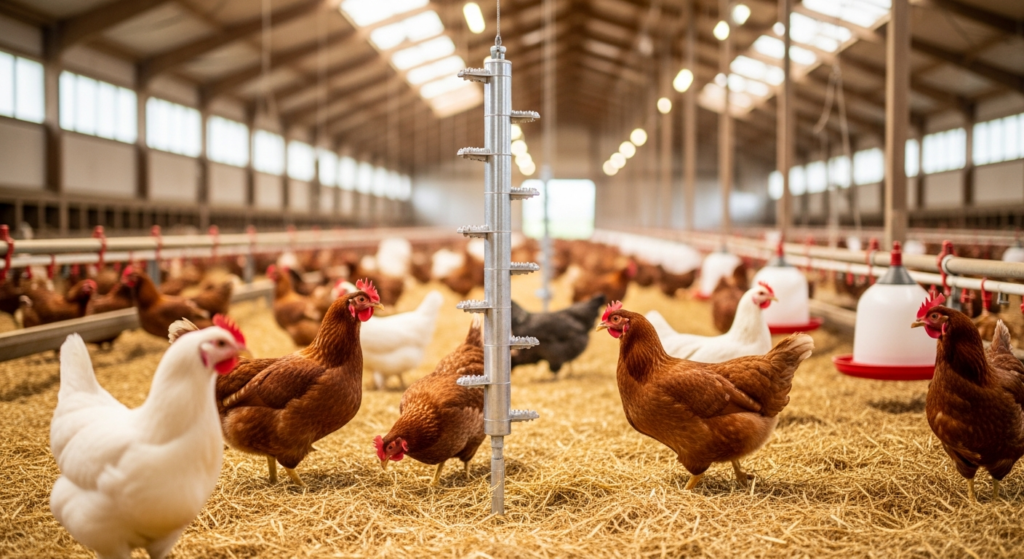
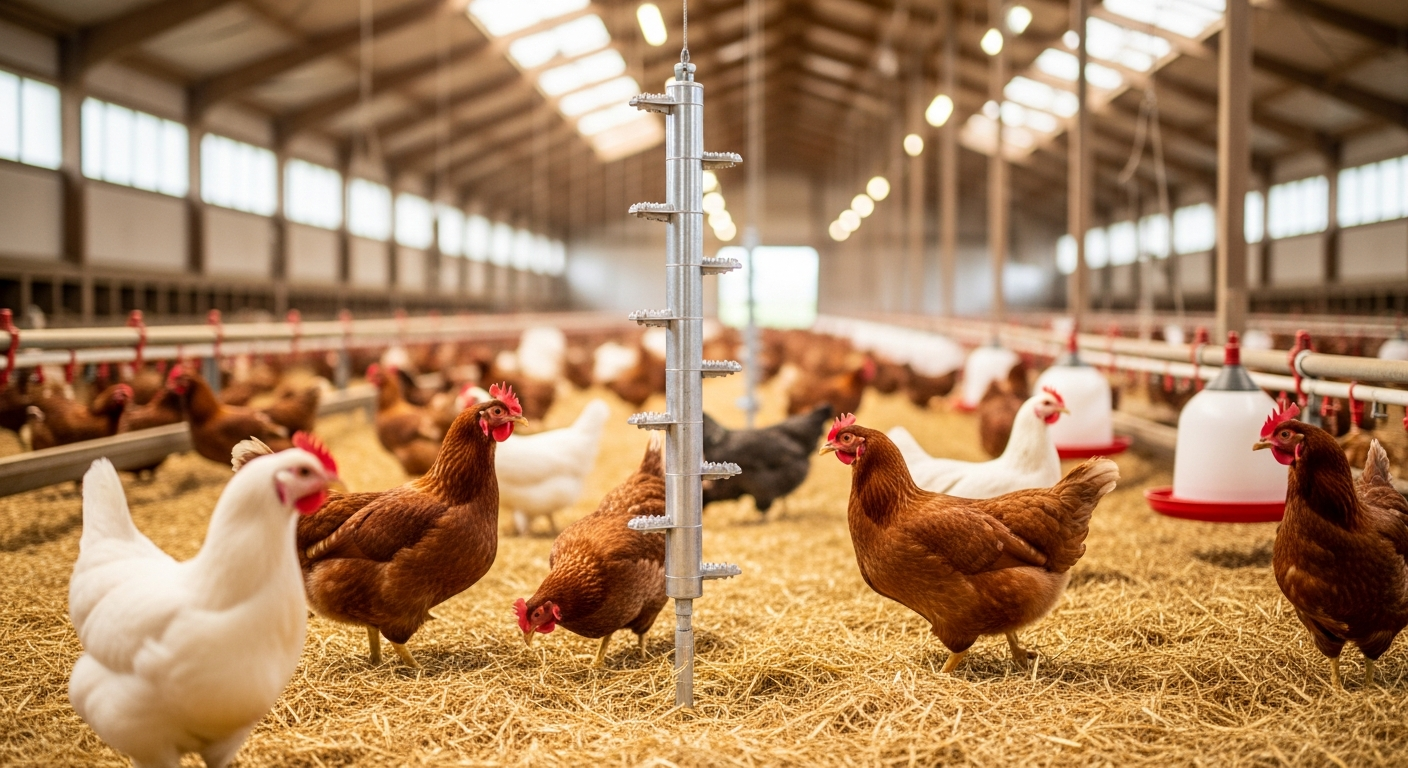
Position pickstangen at varying heights to encourage birds to engage their natural foraging behaviors. Some birds prefer ground-level pecking while others naturally forage higher. Placing multiple sticks at different elevations ensures that birds across the social hierarchy—dominant birds often monopolize high enrichment while subordinates access lower resources—all receive engagement opportunities.
Quantity Considerations Across Flock Sizes
A standard 3.5 kg pack contains four sticks. For a small backyard flock of 10-15 birds, one pack provides sustained enrichment for several weeks. Larger flocks benefit from multiple packs deployed simultaneously, ensuring each bird has adequate pecking opportunity without excessive competition. The recommended approach is to observe how quickly your specific flock consumes the sticks and adjust quantities accordingly.
Age-Appropriate Introduction
Introduce enrichment sticks to growing birds early—young poultry quickly learn to peck at appropriate targets, establishing behavioral patterns that persist into adulthood. Established flocks adapt to enrichment sticks within days as birds discover the reward value. The transition period is typically smooth, though allowing birds a few hours of exploration before full integration prevents initial resource guarding.
Seasonal Rotation and Housing Adaptation
Indoor birds benefit most from enrichment sticks during winter months when outdoor foraging opportunities are eliminated. Outdoor and pastured flocks can rotate enrichment seasonally, using sticks more intensively during confinement periods and reducing them when birds have access to natural foraging. This rotation maintains novelty and prevents habituation.
Multi-Stick Setups Creating Competitive Opportunities
Deploying multiple sticks simultaneously creates distributed pecking opportunities that reduce conflict. Rather than birds competing aggressively for access to a single enrichment source, multiple sticks allow simultaneous engagement. This is particularly valuable in larger flocks where individual attention from a single stick might be insufficient.
Consumption Monitoring and Stick Replacement
Track consumption patterns to understand your flock’s preferences and engagement levels. Sticks that are depleted faster indicate higher interest and better placement. Replace sticks as they become degraded or consumed to maintain engagement novelty. A fresh stick reactivates curiosity even in flocks that had begun habituating to the previous one.
Combining Pickstangen with Additional Enrichment Methods
Maximum welfare results from combining multiple enrichment approaches. Pair pickstangen with dust bath areas, elevated perches, foraging opportunities, and environmental complexity. Comprehensive enrichment addresses multiple behavioral needs simultaneously, creating environments where birds thrive across all dimensions of welfare.
Why German Quality Standards Matter for Your Flock
Regulatory Compliance and EU Standards
German mixed feed standards represent some of the most stringent requirements globally. Products manufactured under these standards undergo regular verification and must meet rigorous safety thresholds. EU regulations mandate transparency in ingredient sourcing, prohibit numerous additives banned in other regions, and require detailed nutritional labeling. When you choose a German-manufactured product, you’re selecting something that has passed multiple regulatory checkpoints.
Certified Raw Materials and Contamination Prevention
Every ingredient entering LAX Tierfutter’s manufacturing facilities carries certification documentation. This certification traces back to agricultural producers and verifies growing conditions, pesticide usage, and handling protocols. Certified sourcing dramatically reduces contamination risks from mycotoxins, pathogens, or chemical residues that sometimes plague feed supply chains.
In-House Manufacturing and Quality Control
LAX Tierfutter doesn’t rely on external manufacturers or contract producers. In-house manufacturing allows the company to control every aspect of production—ingredient selection, mixing ratios, pressing processes, and quality verification. This vertical integration eliminates the variability and accountability gaps that emerge when multiple parties handle production.
Traceability Systems and Batch Documentation
Complete traceability enables LAX Tierfutter to track every ingredient from its source through final product packaging. If an issue ever emerges, the company can identify exactly which batches are affected and recall them precisely. This level of accountability protects your flock and demonstrates genuine commitment to safety.
Testing Protocols Ensuring Nutritional Accuracy
Products undergo nutrient testing to verify that labeled values match actual content. Protein, fat, fiber, and mineral levels are confirmed through laboratory analysis rather than estimated through calculation. This testing ensures that when you feed pickstangen, your birds receive the promised nutritional benefit.
Reputation Backed by Customer Confidence
LAX Tierfutter maintains a 4.5/5 customer rating across numerous reviews and platforms. This consistent high rating reflects real-world experience from producers who depend on these products for their operations. Producers wouldn’t maintain long-term purchasing relationships with products that underperformed or caused health problems. The rating reflects measurable satisfaction with both product quality and customer service.
Long-Term Health Benefits of Rigorous Manufacturing Standards
Choosing rigorously manufactured products means avoiding the accumulation of contaminants or substandard ingredients that manifest as chronic health problems years later. Your flock’s long-term health depends on consistency and purity throughout their feeding life. German manufacturing standards provide that assurance.
Real-World Results: Behavioral Transformation in Action
Documented Aggression Reduction
Flocks transitioning to enriched environments consistently show measurable reductions in aggressive pecking incidents. This reduction occurs within days to weeks of enrichment introduction—birds redirect their pecking energy toward sticks rather than each other. Producers report noticeably calmer flocks with fewer injuries and stress-related behaviors.
Improved Plumage Condition
Feather damage from pecking decreases dramatically when enrichment sticks are deployed. Birds that previously showed bald patches, broken feathers, and scabbed skin develop full, healthy plumage. This plumage improvement indicates both that destructive pecking has ceased and that the nutritional support from pickstangen is enhancing feather growth.
Enhanced Egg Production and Quality Metrics
Stress reduction directly impacts egg production. Less-stressed birds maintain higher lay rates and produce eggs with stronger shells and better internal quality. Producers often report 5-15% productivity increases after implementing enrichment programs, partially from the nutritional support and partially from reduced stress-induced productivity losses.
Lower Mortality Rates from Behavioral Illness
Cannibalism-related mortality virtually disappears in properly enriched flocks. Stress-related illnesses that emerge in monotonous environments become rare. The simple act of preventing flock deaths through enrichment delivers substantial economic returns.
Improved Handling and Human-Animal Interaction
Calmer flocks are easier to handle during necessary management procedures. Reduced fear and aggression make routine tasks safer for both caretakers and birds. Many producers report that enriched flocks are more docile and less likely to panic during handling, leading to fewer injuries during collection or health checks.
Bestseller Status Reflecting Market Validation
The LAX Wiesen Pickstange’s bestseller designation on LAX Tierfutter’s website reflects widespread adoption. Producers don’t continue purchasing products that fail to deliver results. This status indicates that across diverse poultry keeping contexts—backyard flocks, commercial operations, various climates and housing systems—the pickstangen consistently perform and justify their cost.
Investment in Wellness: Understanding the Value Proposition
Pricing Context and Comparative Value
Similar LAX Tierfutter products, such as 3 kg alfalfa and vegetable blocks, retail for €27.90–€29.90. The LAX Wiesen Pickstange at 3.5 kg with four sticks falls within this comparable pricing. For the enrichment value and nutritional contribution provided, this pricing is competitive against other specialty poultry products.
Cost-Benefit Analysis: Enrichment Investment Versus Problem Costs
Calculate the true cost of behavioral problems in your flock. A severe cannibalism outbreak killing 20% of a 100-bird flock represents 20 birds lost plus medical costs, stress recovery period, and reduced egg production during recovery. That scenario easily exceeds €200-300 in losses. Enrichment sticks at €28 per pack, providing weeks of prevention, represent exceptional value insurance against these catastrophic scenarios.
Longevity and Value Across Flock Sizes
A 3.5 kg pack lasting several weeks means monthly enrichment costs of approximately €10-15 for a backyard flock. Commercial operations purchasing in volume achieve even lower per-bird costs. Over a year, enrichment investment remains minimal compared to the productivity gains and health benefits realized.
Preventive Healthcare Reducing Veterinary Expenses
Behavioral enrichment eliminates or dramatically reduces the need for antibiotics, wound treatments, and veterinary interventions related to pecking injuries. These medical expenses disappear or reduce substantially with enrichment programs. Preventive investment costs far less than treating the problems that arise without it.
Productivity Gains Offsetting Enrichment Investment
The 5-15% productivity improvements documented in enriched flocks translate directly to additional eggs or improved bird quality. These productivity gains substantially exceed the enrichment costs, creating positive return on investment. Even conservative estimates show enrichment programs paying for themselves within months through productivity improvements alone.
Welfare Certification and Market Differentiation
Producers seeking premium market positioning or welfare certification increasingly recognize that documented enrichment programs become valuable marketing tools. Consumers increasingly prefer products from operations prioritizing animal welfare. Enrichment documentation supports higher market prices and premium certifications that more than offset product costs.
Bulk Purchasing and Volume Discounts
Commercial operations can negotiate volume pricing with suppliers like LAX Tierfutter, reducing per-unit costs. Larger-scale purchasing allows operations to invest in comprehensive enrichment programs that wouldn’t be economically feasible at smaller scales, but which scale effectively as flock size increases.
Integrating LAX Wiesen Pickstange Into Your Poultry Management System
Housing Considerations for Diverse Systems
Whether operating traditional indoor facilities, outdoor pastured systems, or mixed-use operations, pickstangen integrate seamlessly. Indoor systems benefit most from enrichment sticks, which must substitute for outdoor foraging. Outdoor systems can reduce stick frequency since birds have natural foraging opportunities, though supplemental enrichment during confinement periods remains valuable. Mixed systems deploy sticks seasonally or during transition periods between housing modes.
Rotation Strategies Maintaining Novelty
Introduce new sticks periodically to prevent habituation. A rotation schedule deploying fresh sticks every 2-3 weeks maintains engagement levels even as birds become familiar with enrichment concepts. Some producers alternate between pickstangen and other enrichment types to provide variety while maintaining consistent engagement.
Supplementary Feeding Balance
Pickstangen constitute a supplement to primary diet rather than a replacement. The rough texture and pecking activity create nutritional and behavioral engagement, but birds require complete nutrition from primary feed. A balanced approach feeds standard layer or grower rations as the base diet while supplementing with pickstangen for enrichment and nutritional enhancement.
Observation Protocols and Welfare Assessment
Establish a simple observation routine checking flock behavior following enrichment introduction. Note changes in feather condition, aggression levels, and engagement patterns. Most producers observe noticeable improvements within the first week. Continued monitoring ensures that enrichment remains effective and informs adjustments to feeding strategy.
Record-Keeping and Performance Tracking
Document stick consumption rates, behavioral observations, egg production metrics, and health incidents. These records establish baseline data and track changes following enrichment introduction. Over time, records reveal patterns that inform optimization of enrichment strategies for your specific flock.
Troubleshooting and Optimization
If birds initially ignore pickstangen, try repositioning them or reducing supplemental feed temporarily to increase hunger drive. Some flocks require a few days to discover the reward value before engaging fully. Placement optimization—adjusting height and location based on bird interest—often resolves slow adoption issues.
Scaling from Backyard to Commercial Production
The enrichment principles that work in small backyard flocks scale effectively to commercial operations. The primary difference involves quantity—larger flocks require more sticks deployed simultaneously, but the behavioral and welfare principles remain identical. Commercial producers deploy multiple packs strategically throughout housing areas to ensure all birds access enrichment despite larger flock size.
Beyond the Stick: The Bigger Picture of Poultry Welfare
Comprehensive Enrichment Combining Multiple Approaches
Optimal welfare emerges from combining enrichment sticks with other environmental features. Perches provide roosting sites and vertical space, addressing birds’ natural instinct to escape ground-level threats. Dust bath areas enable natural feather maintenance behaviors. Foraging substrates like sand, sawdust, or natural pasture provide additional pecking opportunities. When combined synergistically, these enrichment approaches create environments where birds can express the full range of natural behaviors.
Environmental Design Supporting Natural Behaviors
Housing design significantly impacts whether enrichment can be effective. Sufficient space, appropriate lighting, good air quality, and environmental complexity all contribute to welfare. Enrichment sticks work best in well-designed environments; in minimalist facilities, even excellent enrichment can’t fully compensate for environmental poverty.
Nutrition and Enrichment Working Together
Nutritional quality and behavioral enrichment operate synergistically. Birds in enriched environments absorb and utilize nutrients more effectively due to reduced stress and engagement of natural digestive processes. Meanwhile, nutritionally complete feeds support the physical activity and mental engagement that enrichment stimulates. These elements reinforce each other.
Industry Trends Toward Higher Welfare Standards
Global consumer awareness increasingly demands higher animal welfare standards. Retailers and food service operations establish requirements that reflect consumer preferences for ethically produced animal products. Producers who prioritize enrichment and welfare positioning themselves advantageously as these standards evolve. Early adoption of enrichment programs becomes competitive advantage as welfare standards progressively tighten.
Certification Programs Recognizing Enrichment Commitment
Various welfare certification programs evaluate enrichment implementation. Producers pursuing these certifications must demonstrate enrichment provision and its benefits. Documentation of enrichment programs—including consumption records, behavioral observations, and health metrics—supports certification applications. Certified operations command premium prices that offset enrichment investments.
Future Innovations in Enrichment Technology
The enrichment market continues evolving. New products, emerging research on optimal enrichment combinations, and technological innovations in monitoring welfare are advancing the field continuously. LAX Tierfutter’s ongoing product development reflects commitment to advancing poultry enrichment solutions.
Your Role as a Steward of Animal Welfare
Every feeding decision shapes your flock’s welfare outcomes. Choosing enrichment products demonstrates commitment to birds’ psychological and physical health beyond minimum survival requirements. This stewardship approach elevates your operation’s ethical standing and creates superior productivity outcomes.
Making the Shift Toward Healthier, Happier Flocks
The LAX Wiesen Pickstange isn’t just another feed product—it’s an investment in behavioral health that pays dividends across every metric that matters. When you provide birds with the enrichment they’re biologically wired to seek, you prevent the cascading problems that emerge from boredom and stress.
Flocks with access to quality enrichment sticks are noticeably calmer, healthier, and more productive. Feather damage diminishes dramatically. Cannibalism becomes rare rather than catastrophic. Egg production increases and shell quality improves. Birds develop the full, vibrant plumage of truly healthy poultry rather than the broken, damaged feathers characteristic of stressed flocks.
The German engineering, additive-free formulation, and proven track record behind LAX Tierfutter’s bestselling pickstangen make this an straightforward choice for any poultry keeper serious about welfare. Whether you’re managing a small backyard flock of 10 birds or a commercial operation with thousands, behavioral enrichment scales effectively. The principles remain constant: birds need occupation, stimulation, and the opportunity to express natural behaviors.
Start with one pack and observe the transformation in your flock’s behavior and condition. Most producers notice visible improvements within the first week. Once you’ve witnessed the difference enrichment makes, expanding to additional packs becomes obvious. Your birds will reward your investment through improved welfare and performance.