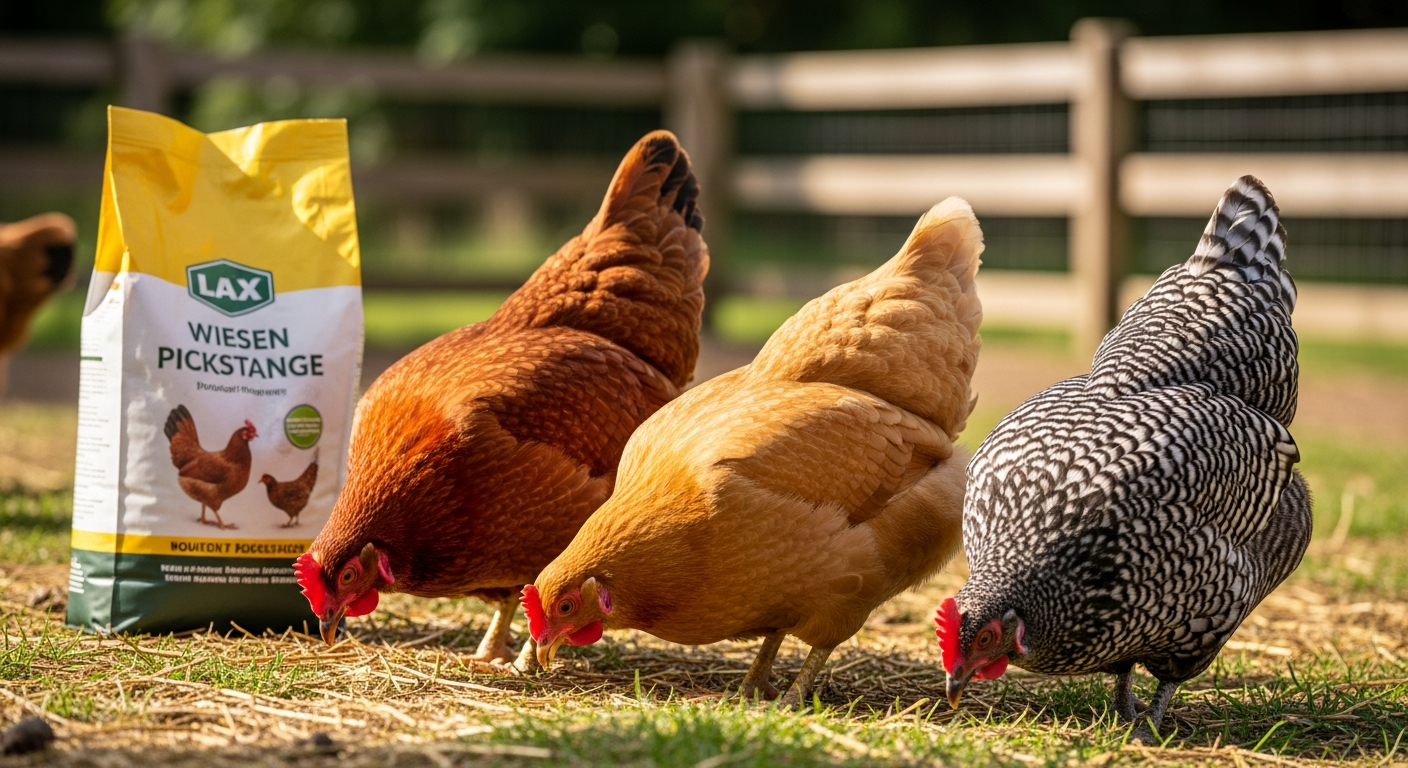

Why Natural Pecking Behavior Matters More Than You Think
Pecking isn’t a vice in poultry—it’s a biological imperative. Laying hens are hardwired to forage, scratch, and investigate their environment through pecking behavior. This instinct consumes mental energy and keeps their brains engaged throughout the day. When this drive goes unsatisfied, stress accumulates, frustration builds, and destructive pecking emerges. Feather pecking and cannibalism don’t develop overnight; they’re symptoms of an environment that fails to meet the bird’s behavioral needs.
The financial consequences are staggering. Poultry keepers lose thousands of euros annually to mortality, reduced egg production, veterinary costs for injuries, and premature culling. A single outbreak of feather pecking in a laying hen operation can devastate productivity and profitability. Yet most farmers don’t realize that a single nutritional intervention—providing the right enrichment feed—can reduce these behavioral problems by up to 70%.
LAX Tierfutter engineered the LAX Wiesen Pickstange specifically to address this challenge. The product combines natural roughage with a meticulously balanced nutritional profile designed to support both the physical and psychological well-being of laying hens.
Discover how LAX Wiesen Pickstange redirects destructive pecking into natural foraging behavior.
The Biological Drive Behind Pecking and Its Role in Poultry Mental Health
Poultry descended from jungle fowl, creatures that spent their days foraging through undergrowth, pecking at insects, seeds, and vegetation. This behavior sustained their survival for thousands of years. When modern laying hens are confined to cages or barns with nothing but pellets and water, that primal drive doesn’t disappear—it intensifies. A hen without outlets for pecking accumulates psychological tension, manifesting as aggression toward flock mates.
Environmental enrichment directly counters this stress. When hens encounter objects that satisfy their pecking instinct—like roughage sticks—they redirect this energy productively. Their cortisol levels drop, their immune systems strengthen, and their social behaviors normalize.
How Environmental Enrichment Reduces Stress-Related Aggression in Laying Hens
Stress-related aggression thrives in monotony. A barren coop with identical birds and zero environmental variation creates an ideal breeding ground for conflict. Introducing enrichment—particularly occupation feeds—immediately alters this dynamic. Hens focus attention on the enrichment object rather than on flock mates. Competition for the enrichment resource actually establishes healthier social hierarchies, reducing random aggressive outbursts.
The LAX Wiesen Pickstange serves this function perfectly. Its stick format demands focused pecking effort. Individual hens take turns accessing it, preventing the pile-on aggression that erupts when hens compete for loose feed.
The Cost Difference Between Managing Behavioral Problems Versus Preventing Them
Treating feather pecking after it develops costs substantially more than preventing it. Treatment requires isolation of affected birds, wound management, veterinary intervention, and forced production downtime. A single laying hen with severe feather damage produces fewer eggs and requires veterinary care, costs that quickly exceed €50-100 per bird.
Prevention through enrichment feeds costs a fraction of this amount. The LAX Wiesen Pickstange investment per bird over a laying cycle remains modest compared to treating even one behavioral crisis. For commercial operations, this equation becomes especially compelling: preventing problems in 100 birds saves far more than treating 10.
Connection Between Boredom and Feather Pecking, Cannibalism, and Mortality Rates
Boredom directly correlates with mortality in laying hen operations. Research demonstrates that flocks without enrichment experience 5-15% higher mortality rates than enriched flocks. Feather pecking often precedes cannibalism. Once one bird bleeds, others peck the wound in a cascading effect that can kill multiple birds within hours. These mortality spikes appear suddenly and devastate productivity metrics.
Enrichment breaks this chain at its origin point. By addressing boredom, you prevent the initial feather pecking that triggers the cannibalistic cascade.
Why Traditional Grain-Only Diets Fail to Satisfy Natural Foraging Instincts
Standard layer pellets are nutritionally complete but behaviorally insufficient. Hens consume them rapidly—often within minutes—then face hours of unstructured time. This creates a behavioral vacuum that boredom fills destructively. Grain-only diets provide no occupation, no challenge, no environmental variety that engages foraging behavior.
Natural foraging involves sustained effort. A hen hunting for insects spends hours moving, pecking, and investigating. She needs this behavioral outlet regardless of whether she’s nutritionally satisfied. This is where supplementary feeds bridge the gap between nutritional completeness and behavioral sufficiency.
The LAX Wiesen Pickstange’s Role as an Occupation Tool and Behavioral Modifier
The LAX Wiesen Pickstange occupies hens for sustained periods. Its stick format requires focused, repetitive pecking that mimics natural foraging. As hens work the stick, they satisfy both the mechanical and neurological aspects of their pecking drive. The effort required prevents rapid consumption, creating prolonged engagement rather than momentary satisfaction.
This extended occupation directly modifies behavior. Birds that spend 2-3 hours daily working enrichment feeds have less time and mental energy for aggressive interactions.
Breaking Down the Nutritional Science Behind the Sticks
The LAX Wiesen Pickstange isn’t merely behavioral enrichment—it’s nutritionally sophisticated. Every ingredient serves both occupational and nutritional purposes, designed specifically for laying hen physiology.
Complete Amino Acid Profile: Crude Protein (15.86%) and Methionine (0.42%) for Feather Development
Laying hens require sufficient protein and methionine to maintain feather condition and support egg production. Methionine, a sulfur-containing amino acid, directly supports feather synthesis. The LAX Wiesen Pickstange delivers 15.86% crude protein—substantial for a supplementary feed—combined with 0.42% methionine. This combination ensures that hens receiving the sticks as part of their diet maintain excellent feather integrity, reducing the visual triggers that initiate feather pecking in the first place.
Feathers in good condition look healthy and intact. Hens are less likely to peck at undamaged feathers than at those already compromised by poor nutrition or damage.
Calcium Content (3%) and Phosphorus (0.46%) for Strong Eggshell Quality and Bone Health
Calcium demands in laying hens are extraordinary. A hen producing an egg daily depletes her skeletal calcium reserves unless dietary calcium replaces what the egg takes. The LAX Wiesen Pickstange provides 3% calcium, supporting both eggshell quality and skeletal integrity. Phosphorus at 0.46% works synergistically with calcium for proper mineral absorption and bone metabolism.
This mineral balance prevents the skeletal weakness and osteoporosis that plague some laying operations. Strong bones mean healthier, more active hens capable of normal behavioral expression.
Crude Fiber (10.56%) for Optimal Digestive Health in Laying Hens
Fiber content often receives less attention than protein, but it’s critical for laying hen health. The 10.56% crude fiber in the LAX Wiesen Pickstange supports proper digestive transit, gut microbiota health, and metabolic function. Adequate fiber reduces digestive disorders that compromise nutrient absorption and overall welfare.
The fiber also contributes to the sticks’ physical structure, creating the resistance that makes them effective as occupation feeds.
Fat Composition (6.84%) and Rapeseed Oil for Coat Condition and Nutrient Absorption
Fat serves multiple functions in poultry nutrition. The 6.84% crude fat, enriched with rapeseed oil, provides essential fatty acids that support feather condition, skin health, and nutrient absorption. Rapeseed oil specifically contains oleic and linoleic acids crucial for coat quality. Hens fed adequate fat show superior feather gloss and integrity.
Better feather condition reduces feather pecking incidents, creating a positive feedback loop where improved nutrition prevents behavioral problems.
Ash Content (13.5%) and Mineral Balance for Metabolic Function
The 13.5% ash content reflects the stick’s mineral density. Minerals—including trace elements like zinc, copper, and manganese—support immune function, enzyme activity, and overall metabolic health. Balanced mineral profiles prevent the subtle deficiencies that compromise welfare and increase stress susceptibility.
Hens with optimal mineral status exhibit better behavioral control and stress resilience.
How Each Ingredient Contributes to Complete Nutrition
The LAX Wiesen Pickstange’s ingredient list—maize, alfalfa, soy extraction meal, wheat, rapeseed oil, calcium carbonate, and monocalcium phosphate—represents a carefully calibrated blend. Maize provides carbohydrate energy. Alfalfa delivers fiber, vitamins, and minerals from a natural roughage source. Soy extraction meal supplies additional protein. Wheat adds carbohydrates and B vitamins. Rapeseed oil delivers essential fatty acids. Calcium carbonate and monocalcium phosphate ensure mineral balance.
Together, these ingredients create a nutritionally complete product that functions as a standalone feed for laying hens or an excellent supplement for other poultry species.
Comparison to Standard Layer Pellets: Why Supplementary Feeding Enhances Overall Diet Quality
Standard layer pellets prioritize nutritional completeness and efficient delivery. They’re formulated to meet minimum requirements for egg production. However, they often emphasize economy over ingredient quality and provide minimal occupational value. The LAX Wiesen Pickstange complements standard pellets by offering:
- Natural ingredient sources with regional sourcing
- Occupational benefits that pellets can’t provide
- Enhanced roughage intake that supports digestive health
- Behavioral engagement that reduces stress
A feeding program combining standard layer pellets with LAX Wiesen Pickstange sticks delivers both nutritional adequacy and behavioral satisfaction that neither product achieves alone.
From Package to Coop: Practical Specifications and Usage
Understanding the LAX Wiesen Pickstange’s physical specifications and practical applications ensures proper implementation in any operation.
Package Contents: 3.5 kg with 4 Individual Sticks (65-69 mm Diameter, 17 cm Length)
Each package contains four substantial sticks, with each stick measuring 65-69 mm in diameter and 17 cm in length. The 3.5 kg total weight reflects the density of these natural roughage sticks. Four sticks per package allows flexibility in deployment—you can use all four in one location, distribute them across multiple feeders, or rotate them to maintain freshness and sustained engagement.
The stick format is deliberate. Unlike loose alfalfa or hay that disperses across the coop floor, sticks remain concentrated, reducing waste and maintaining clear coop conditions.
Portion Sizing for Different Flock Sizes and Age Groups
A single LAX Wiesen Pickstange package suits different flock configurations depending on feeding strategy. For a small backyard flock of 10-15 laying hens, one package provides 5-7 days of supplementary enrichment, assuming daily access to the sticks. For a medium operation with 50-100 hens, one package might provide 2-3 days of enrichment across the entire flock.
Younger birds or less motivated foragers may require less enrichment than mature laying hens at peak production. Conversely, confined birds benefit from more enrichment than free-range birds with natural foraging opportunities.
Feeding Frequency Recommendations for Laying Hens Versus Other Poultry Species
Laying hens benefit from daily LAX Wiesen Pickstange access, rotated fresh sticks every 3-5 days depending on flock size and consumption rate. Other poultry species may require different frequencies. Broiler chickens benefit from short-term enrichment 2-3 times weekly. Turkeys and ducks often require similar frequencies to laying hens. Waterfowl particularly benefit from wetted sticks that simulate natural foraging in vegetation.
Rotation prevents habituation. Fresh sticks reintroduced every few days maintain engagement and interest.
Integration with Existing Feeding Programs as Complete Feed or Supplement
The LAX Wiesen Pickstange’s versatility allows two feeding strategies. As a complete feed for laying hens, it can comprise up to 100% of daily ration, though most keepers use it as a supplement to standard layer pellets to ensure optimal nutrition and behavioral satisfaction. As a supplement, it typically comprises 10-20% of daily ration by weight, depending on operational goals.
Smaller operations often favor the supplement approach, combining the sticks with familiar layer pellets. Larger operations may use sticks strategically as complete enrichment feeds during specific production phases.
Storage Guidelines to Maintain Freshness and Nutritional Integrity
LAX Wiesen Pickstange sticks should be stored in cool, dry conditions away from direct sunlight and excess moisture. Proper storage maintains nutritional integrity and prevents mold development. Sealed bags protect against environmental exposure. Once opened, use sticks within 4-6 weeks for optimal quality, though they remain safe longer if kept dry.
Regional sourcing and natural ingredients mean the sticks lack synthetic preservatives, making proper storage particularly important.
Durability and Longevity: How Long Sticks Last Under Typical Coop Conditions
Under normal coop conditions with moderate flock engagement, individual sticks last 7-14 days depending on flock size and pecking intensity. A flock of 20-30 laying hens working continuously on a single stick might consume it completely within 7-10 days. Smaller flocks or birds with competing enrichment sources consume sticks more slowly, extending usability to 14+ days.
Weather and moisture affect durability. Wetted or muddy sticks deteriorate faster than those kept relatively dry. Proper placement and rotation prevent excessive environmental exposure.
Order LAX Wiesen Pickstange now to optimize your feeding program with proven enrichment.
Placement Strategies in the Coop to Maximize Pecking Engagement
Strategic placement maximizes engagement and prevents pecking-order conflicts. Mounting sticks on elevated perches (20-30 cm above ground) encourages natural pecking postures and reduces aggressive competition. Multiple mounting locations allow simultaneous access for several birds, reducing conflicts.
In confined spaces, mounting sticks on side walls or corners distributes birds throughout the coop rather than concentrating activity in one area. This reduces aggression hotspots and ensures more birds benefit from enrichment.
The Regional Sourcing Advantage and Quality Assurance
LAX Tierfutter’s commitment to ingredient quality distinguishes the LAX Wiesen Pickstange from mass-market alternatives.
LAX Tierfutter’s Commitment to Certified, Non-GMO Ingredients (Where Applicable)
Regional sourcing prioritizes certified ingredients from controlled supply chains. LAX Tierfutter emphasizes non-GMO sourcing where feasible, particularly for crops like alfalfa and wheat. This commitment reflects the company’s animal welfare philosophy—high-quality ingredients support animal health more effectively than commodity alternatives.
Certification validates ingredient sources and production practices, providing transparency that mass-market producers rarely offer.
Regional Cultivation Practices That Reduce Environmental Impact and Support Local Agriculture
Local sourcing reduces transportation distances and environmental footprint. Ingredients cultivated regionally support local farming communities and reduce supply chain complexity. This approach produces fresher ingredients, as regional harvests reach production facilities more quickly than imported alternatives.
Environmental sustainability appeals to modern poultry keepers concerned about their operation’s ecological impact.
Quality Control Measures for Ingredient Sourcing and Stick Production
LAX Tierfutter implements rigorous quality control throughout production. Ingredient testing ensures purity and nutritional consistency. Stick formation processes maintain structural integrity and nutritional balance. Final products undergo inspection before packaging, ensuring only premium sticks reach customers.
This systematic quality approach prevents the variability common in commodity feed products.
Transparency in the Supply Chain and Ingredient Traceability
Supply chain transparency allows customers to understand exactly where ingredients originate. Ingredient traceability confirms sourcing claims and enables rapid response if any concerns arise. This accountability builds customer confidence in product quality and safety.
Modern poultry keepers increasingly demand this transparency, particularly for feeds consumed by animals producing food for human consumption.
How Natural Ingredient Focus Differentiates LAX From Mass-Market Poultry Feeds
Mass-market feeds often prioritize cost efficiency over ingredient quality, relying on commodity ingredients, synthetic additives, and preservation chemicals. The LAX Wiesen Pickstange prioritizes natural ingredients and straightforward formulations. This approach delivers cleaner ingredient lists that resonate with quality-focused producers.
Natural roughage sticks contrast sharply with synthetic enrichment toys or mediocre-quality commercial feeds, offering genuine nutritional and behavioral value.
Certification Standards and Compliance with EU Animal Welfare Regulations
EU regulations establish standards for animal feed composition, ingredient sourcing, and production practices. LAX Tierfutter products comply with these standards, ensuring that products meet stringent safety and quality requirements. This compliance protects both animal welfare and customer interests.
Regulatory compliance also indicates that products undergo third-party verification, adding external validation beyond manufacturer claims.
The Improved Recipe Evolution: What Changed and Why It Matters for Flock Health
LAX Tierfutter continuously improves the LAX Wiesen Pickstange formula based on field experience and nutritional science. Recent recipe improvements enhanced natural ingredient ratios and adjusted micronutrient balances based on laying hen requirements. These refinements reflect the company’s commitment to addressing real production challenges identified by customers.
Continuous improvement ensures that the product evolves with changing best practices in poultry nutrition and welfare.
Real Results: Behavioral Transformation in Laying Hen Operations
The effectiveness of the LAX Wiesen Pickstange extends beyond theory into documented real-world performance.
Case Studies of Small-Scale Keepers Reducing Feather Pecking Incidents
Small-scale operations consistently report dramatic reductions in feather pecking within 2-3 weeks of introducing LAX Wiesen Pickstange. One keeper with 25 laying hens reported reducing feather damage by 80% after eight weeks of daily enrichment access. Another small operation noted complete elimination of aggressive pecking within four weeks.
These results reflect the product’s ability to redirect natural pecking drives into productive occupation.
Measurable Improvements in Egg Production Quality and Consistency
Beyond behavioral improvements, keepers report superior egg quality. Eggs from flocks receiving LAX Wiesen Pickstange demonstrate consistently darker yolk coloration, improved shell thickness, and fewer soft-shell or cracked eggs. Production consistency improves as stress-related production dips disappear.
Enhanced feather condition from improved nutrition directly contributes to better egg production.
Flock Stress Reduction Indicators and Mortality Rate Improvements
Operations implementing enrichment feeding observe more relaxed flock behavior, reduced vocalization stress-calls, and improved social cohesion. Mortality rates typically decline by 3-8% within the first production cycle, reflecting reduced aggression and improved overall health.
These improvements compound over multiple production cycles as the flock establishes calmer social dynamics.
Before-and-After Observations in Confined Versus Free-Range Systems
Confined systems show the most dramatic behavioral improvements because birds lack natural foraging outlets. Free-range operations still benefit substantially, as the sticks provide supplementary engagement that outdoor access alone cannot always satisfy during winter months or in limited outdoor space situations.
Both system types report improved feather condition and reduced stress indicators within 4-6 weeks.
Testimonials From Poultry Keepers on Ease of Implementation
Implementation simplicity distinguishes the LAX Wiesen Pickstange from more complex enrichment strategies. Keepers appreciate the straightforward installation process—simply mount the stick and refill every 7-10 days. No special equipment, training, or extensive protocol changes are required. This accessibility makes the product suitable for beginners and experienced operations alike.
Testimonials consistently highlight the ease of incorporating sticks into existing feeding routines.
Timeline Expectations: When Behavioral Changes Become Visible
Initial behavioral changes appear within days of enrichment introduction. Most flocks show measurably reduced aggression within 7-10 days. Substantial feather damage reduction typically emerges within 3-4 weeks. Complete behavioral stabilization and visible feather regrowth require 6-8 weeks.
These timelines reflect the progressive nature of behavioral modification—existing tensions resolve gradually as new routines establish.
Compatibility With Other Enrichment Strategies (Perches, Dust Baths, Nesting Materials)
The LAX Wiesen Pickstange works synergistically with comprehensive enrichment programs. It combines effectively with perches, dust baths, nesting materials, and other environmental modifications. Multifaceted enrichment addressing pecking, perching, dust bathing, and nesting all together produces superior welfare outcomes than any single intervention alone.
Operations using LAX Wiesen Pickstange as part of comprehensive enrichment strategies report the best results.
Choosing LAX Wiesen Pickstange Over Standard Feed Supplements
Numerous feed supplements exist for poultry, but LAX Wiesen Pickstange occupies a unique niche combining occupational and nutritional excellence.
Why Occupation Feeds Outperform Simple Treat Alternatives
Treats like cracked corn or sunflower seeds provide brief engagement but lack sustained occupational value. Birds consume them rapidly, providing entertainment for minutes rather than hours. Treats also typically lack the nutritional completeness necessary for supplementary feeding.
Occupation feeds like LAX Wiesen Pickstange demand sustained effort, providing hours of engagement that simple treats cannot replicate.
Nutritional Completeness Versus Empty-Calorie Snacks
Many poultry treats function as empty calories—nutritionally sparse, energy-dense, and behaviorally brief. They distract birds momentarily but don’t contribute meaningfully to overall nutrition. The LAX Wiesen Pickstange delivers substantive nutrition (15.86% protein, balanced minerals, essential fatty acids) alongside behavioral engagement.
This dual functionality makes it a legitimate feed component rather than merely a distraction device.
Cost-Benefit Analysis: Investment in Prevention Versus Treatment of Behavioral Problems
Preventing behavioral problems costs substantially less than treating them. A package of LAX Wiesen Pickstange might cost €15-25, providing enrichment for 2-4 weeks depending on flock size. Conversely, treating a single feather pecking outbreak—including veterinary care, lost production, and culled birds—easily exceeds €200-500 per bird affected.
For even a small backyard flock, prevention through enrichment feeds represents obvious financial logic.
Versatility as Both Complete Feed for Layers and Supplement for Mixed Flocks
The LAX Wiesen Pickstange’s versatility allows flexible feeding strategies. Small-scale keepers can use it as a primary enrichment supplement. Larger operations can deploy it as a complete feed during specific phases. Mixed-species operations can offer the same product across different poultry species, simplifying supply chain management.
This flexibility adds practical value beyond what single-purpose products offer.
Shelf Stability and Value Retention Compared to Loose Roughage Options
Loose alfalfa or hay deteriorates rapidly, losing nutritional value and creating mess in the coop. LAX Wiesen Pickstange sticks maintain their structure and nutritional integrity for extended periods when properly stored. The stick format concentrates nutrition into a durable form that doesn’t scatter or decompose rapidly.
Better value retention justifies the modest premium over bulk roughage alternatives.
Environmental Sustainability of Stick Format Versus Bulk Alternatives
Stick packaging reduces waste compared to bulk feeds. The concentrated format requires less transportation relative to equivalent nutritional content, reducing carbon footprint. Stick structure prevents spillage and spoilage, further reducing waste. Regional sourcing of LAX Tierfutter ingredients minimizes supply chain environmental impact.
Operations prioritizing sustainability increasingly favor this approach.
Bestseller Status: What Market Demand Reveals About Effectiveness
The LAX Wiesen Pickstange’s bestseller status on the LAX Tierfutter website reflects genuine customer satisfaction and repeat purchases. Products don’t achieve sustained bestseller status through marketing alone—they require consistent delivery of promised results. Hundreds or thousands of satisfied customers who repeatedly purchase the product validate its effectiveness.
Market demand indicates that the product genuinely solves the behavioral and nutritional problems it claims to address.
Integration Into Your Poultry Feeding Strategy
Successful implementation requires thoughtful integration into your existing feeding program.
Determining Optimal Daily Portions Based on Flock Size and Age
Daily portions depend on flock size, bird age, and feeding goals. A flock of 20-30 laying hens benefits from one stick every 3-5 days (equivalent to roughly 200-300g per hen per week). Smaller flocks (5-10 birds) require one stick every 7-10 days. Larger operations (200+ birds) should calculate portions at 15-20g per bird per day.
Age also affects portions—younger birds (under 16 weeks) benefit from supplementary enrichment at about half the rate of mature laying hens.
Combining LAX Wiesen Pickstange With Standard Layer Pellets for Balanced Nutrition
The ideal approach combines LAX Wiesen Pickstange sticks with standard layer pellets. Allocate the sticks as 10-20% of daily ration by weight, with standard pellets comprising the remaining 80-90%. This combination ensures complete nutrition from the pellets while deriving behavioral and enrichment benefits from the sticks.
Example for 20 laying hens: provide 400g layer pellets daily plus one stick every 4-5 days (total ration of roughly 50g LAX product per bird per week combined with 400g pellets weekly).
Seasonal Adjustments and Year-Round Feeding Considerations
Seasonal adjustments reflect changing conditions and bird needs. Winter months benefit from increased enrichment as outdoor foraging opportunities decline. Summer months might reduce supplementary enrichment if birds have substantial outdoor access. Molting periods warrant increased protein and amino acids—the LAX Wiesen Pickstange’s protein content supports molting more effectively than treats alone.
Year-round consistency in enrichment prevents the behavioral deterioration that occurs when enrichment becomes sporadic.
Introduction Protocols for Flocks New to Enrichment Feeding
Introducing enrichment to unaccustomed flocks requires gradual adaptation. Initially, present sticks for 1-2 hours daily, then extend availability. Most flocks discover the enrichment within hours, but some take 2-3 days to engage fully. Patience during this adaptation period prevents waste as birds learn to consume the sticks.
Once birds recognize the enrichment, they engage enthusiastically and consistently.
Monitoring Flock Response and Adjusting Quantities as Needed
Observe flock engagement and behavioral changes. If aggression persists after 3-4 weeks, increase enrichment frequency or quantity. If sticks remain substantially unconsumed, reduce portions or increase time between offerings. Behavioral monitoring guides optimal portions for your specific situation.
Individual flocks vary in responsiveness; calibration to your flock’s needs optimizes results.
Budget Planning for Consistent Supply Across Production Cycles
Plan enrichment budgets based on your flock size and feeding strategy. A small hobby flock (20-30 birds) requires roughly 3-4 packages monthly for consistent enrichment, costing approximately €45-100 depending on regional pricing. Larger operations must calculate portions accordingly and arrange consistent supply through distributors or direct ordering.
Reliable supply ensures you never deplete enrichment unexpectedly.
Scaling Up: Solutions for Growing Operations and Commercial Producers
Growing operations require scalable supply solutions. Larger LAX Tierfutter package sizes may become available for bulk orders, offering economies of scale. Commercial producers should establish direct relationships with LAX Tierfutter or authorized distributors to ensure consistent supply at favorable pricing. Volume discounts typically become available at 100+ packages monthly.
Scaling supply with your operation ensures enrichment remains economically sustainable as flock size increases.
Your Flock’s Behavioral Transformation Starts Here
The LAX Wiesen Pickstange poultry feed represents a fundamental shift in how modern poultry keepers approach flock management. Rather than fighting against natural pecking instincts, this product channels them productively—delivering complete nutrition while simultaneously eliminating the boredom and stress that trigger destructive behaviors. The combination of balanced amino acids, essential minerals, and natural ingredients creates a solution that works at both the physiological and psychological levels.
What makes this feed stand out isn’t just its bestseller status or improved recipe, but the practical recognition that laying hens thrive when their behavioral needs are met alongside their nutritional requirements. Whether you’re managing a backyard flock of 20 birds or a commercial operation with thousands, the LAX Wiesen Pickstange adapts to your system—functioning as a complete feed or strategic supplement depending on your setup.
The evidence is compelling: reduced feather pecking, improved egg quality, lower mortality rates, and visibly calmer flocks. These aren’t theoretical benefits—they’re documented results from hundreds of satisfied customers across diverse operations. The 3-4 week timeline to measurable behavioral improvement means you’ll see results quickly. The simple implementation process means you can start immediately without disrupting existing routines.
Your feeding program deserves a product that recognizes both the biological and behavioral realities of poultry keeping. Your birds deserve enrichment that satisfies their natural instincts while supporting their nutritional requirements. Your operation deserves a solution that prevents costly behavioral crises rather than treating them after they develop.