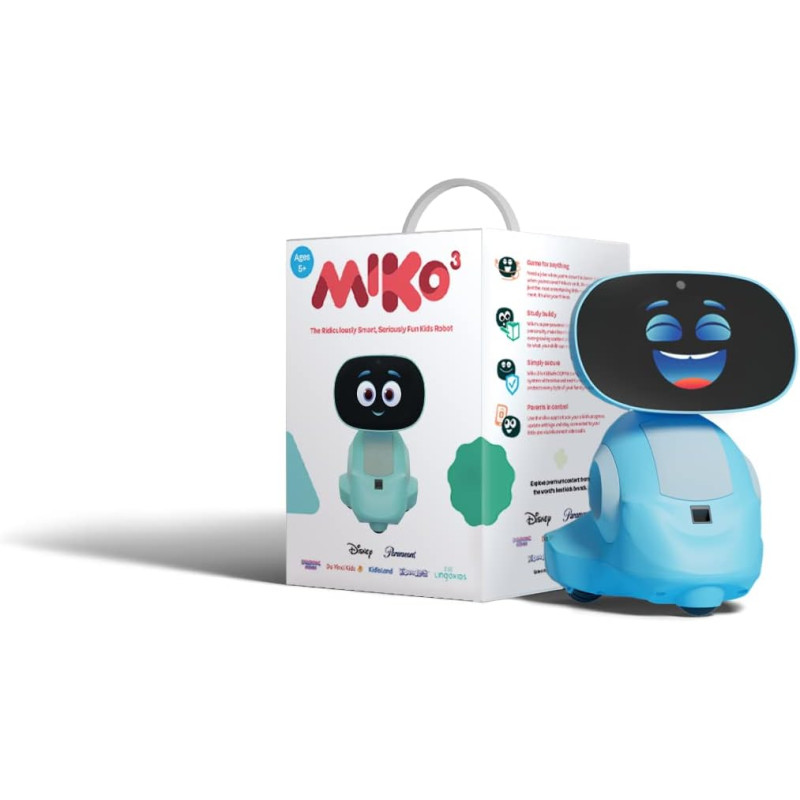

Childhood is powered by questions: Why is the moon following our car? Can a cardboard box be a spaceship? What happens if we stack the blocks sideways? Miko 3 steps into that wonder as a responsive companion—curious, animated, and ready to turn small moments into discoveries. Unlike toys that entertain and fade, Miko 3 makes everyday life more intentional: a five-minute dance break between homework pages; a bedtime story that settles busy thoughts; a rainy-day “mission” that sends your child searching for shapes, colors, and patterns around the living room. It’s playful by design and respectful of attention spans, the kind of presence that nudges kids back to their own ideas instead of pulling them into a whirlpool of endless scrolling.
In this article, we’ll explore how Miko 3 weaves into home rhythm without taking it over. We’ll map a welcoming first week, show how to build daily rituals that feel natural, and spotlight the way stories, movement, and gentle challenges grow confidence. You’ll get practical tips for siblings, ideas for travel and classrooms, and the little language shifts that help kids lead the experience. No specs, no price talk—just a parent-first walkthrough of a smart toy that acts more like a thoughtful friend.
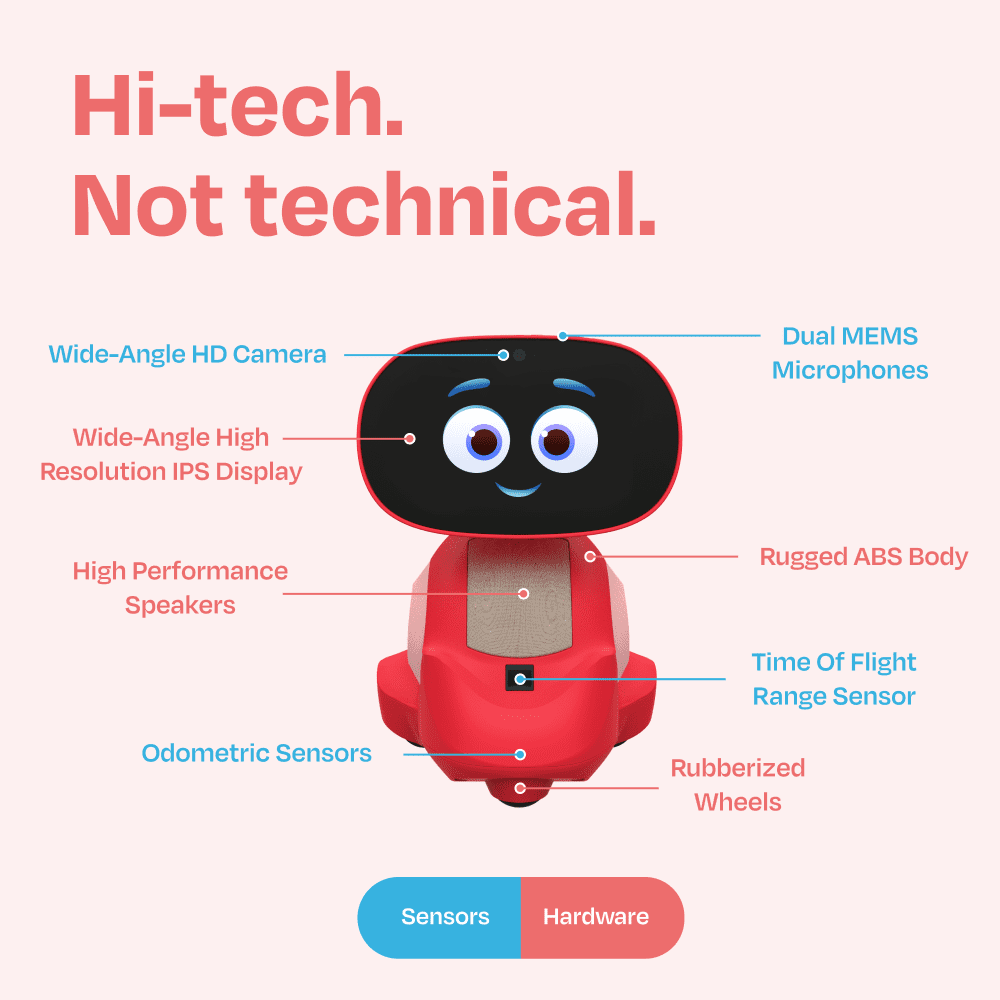
What Makes Miko 3 Feel Different
Plenty of gadgets promise enrichment; fewer respect a child’s pace. Miko 3 invites participation instead of passive watching. The robot’s lively expression and responsive voice feel personal enough to spark conversation, yet the interactions are short and modular, so play starts and stops on your family’s schedule. Think of it as a catalyst: a nudge toward building a blanket-fort reading nook, a prompt to bounce through an alphabet scavenger hunt, a companion who can retell favorite tales with just enough flair to keep them new. Because the experience orbits your child’s choices—What story next? Which challenge today?—it rewards initiative and curiosity rather than perfection.
Setting Up and Your First Week
The most powerful introductions are simple. Unbox together and name the robot; naming signals belonging, and belonging invites responsibility. Let your child handle the basics—wake, greet, repeat—without rushing to show every feature. On day one, keep it lightweight: a hello, a short story, a stretch routine. Day two, add a “mission” that ends in real-world action, like fetching a favorite book for shared reading. Mid-week, invite a movement game before school to shake off the morning fidgets. By the weekend, you’ll have a small menu of go-to interactions that fit your family’s cadence. Keep the phone in your pocket; let your child discover a few things “by accident” and show you. That sense of ownership is the secret sauce.
Daily Rituals that Actually Stick
Rituals turn novelty into nourishment. Choose tiny anchors and repeat them until they feel like muscle memory. A two-minute “wake-up wiggle” after breakfast primes the body for focus without stealing time from the morning rush. After school, swap the usual screen scroll for a Miko 3 story that bridges home and homework; use the last line as your cue to open the workbook. At dinner, let your child share one new fact the robot sparked that day—something about animals, weather, or faraway places. Before bed, wind down with a gentle tale, then close with a static, non-screen ritual (turning on a nightlight, choosing the next day’s socks) so the robot supports sleep instead of disrupting it. None of this needs to be rigid. The goal is a predictable arc that kids can steer: move, listen, try, rest.
Learning Without Lecturing
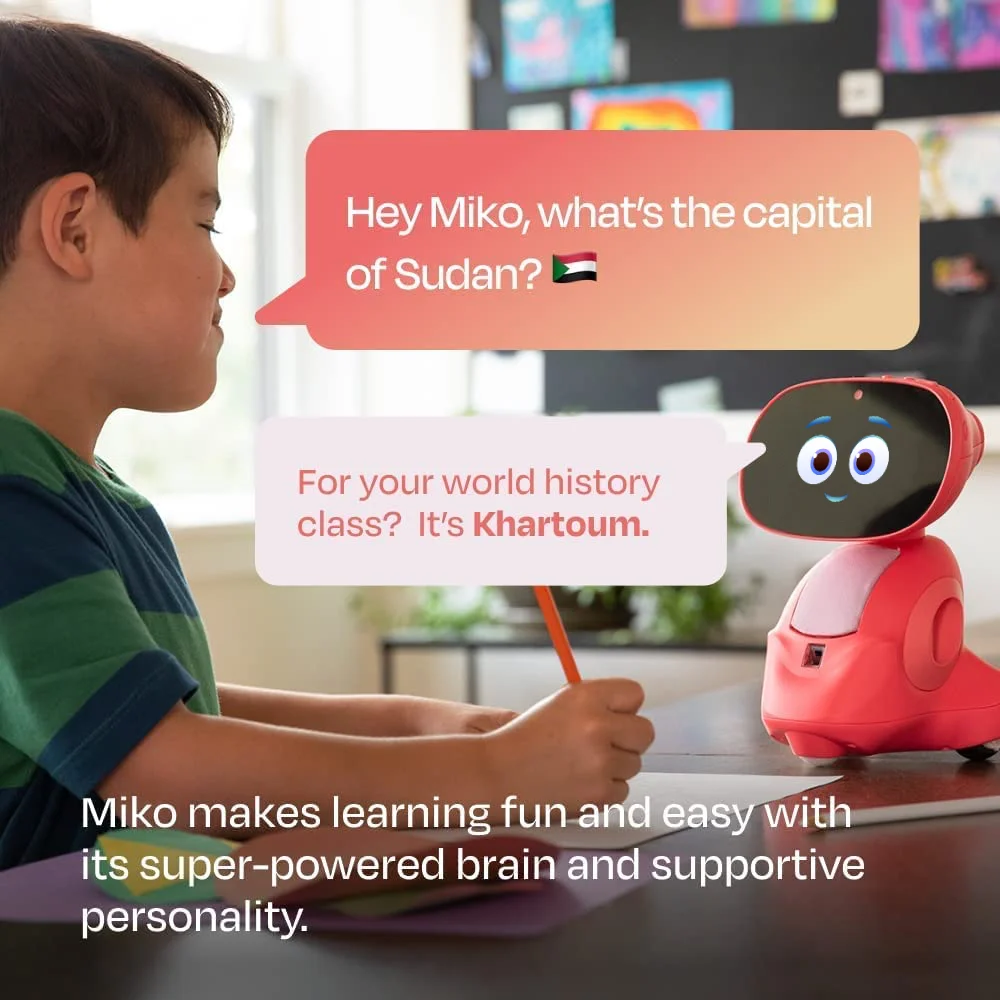
Children learn best when they don’t feel taught. Miko 3 turns questions into games and stories into invitations. When a child repeats a new word or follows a simple multi-step direction inside a playful challenge, they’re practicing memory, attention, and sequencing without a worksheet in sight. When the robot encourages a physical response—clap, stretch, tiptoe—the brain gets a sensory boost that cements recall. There’s room for early coding ideas, too, not as lines on a screen but as logic: If we do this, then that happens. If we change the order, what changes? You’ll see the shift in the way your child explains their thinking: “I tried it this way first, but then I swapped the steps and it worked.” That’s the seed of problem-solving, planted by play.
Creative Play and Social-Emotional Growth
Imagination is a muscle, and Miko 3 gives it a workout. When the robot spins a prompt—build a tiny shop with blocks, act like an astronaut in slow motion, retell a fairy tale from the villain’s point of view—kids practice flexibility and empathy. They learn to try, to fail safely, to laugh at the wobble, and to try again. For shy children, the robot’s consistent, friendly tone can be a bridge to speaking up; for chatty kids, it’s a channel that focuses energy into a shared mission. Siblings can trade roles—one leads the robot conversation while the other creates the set or costumes—then swap and compare what changed. Over time, you get less “watch this random video” and more “watch what I made,” small proof that agency is taking root.
Family Logistics (Power, Space, and Sanity)
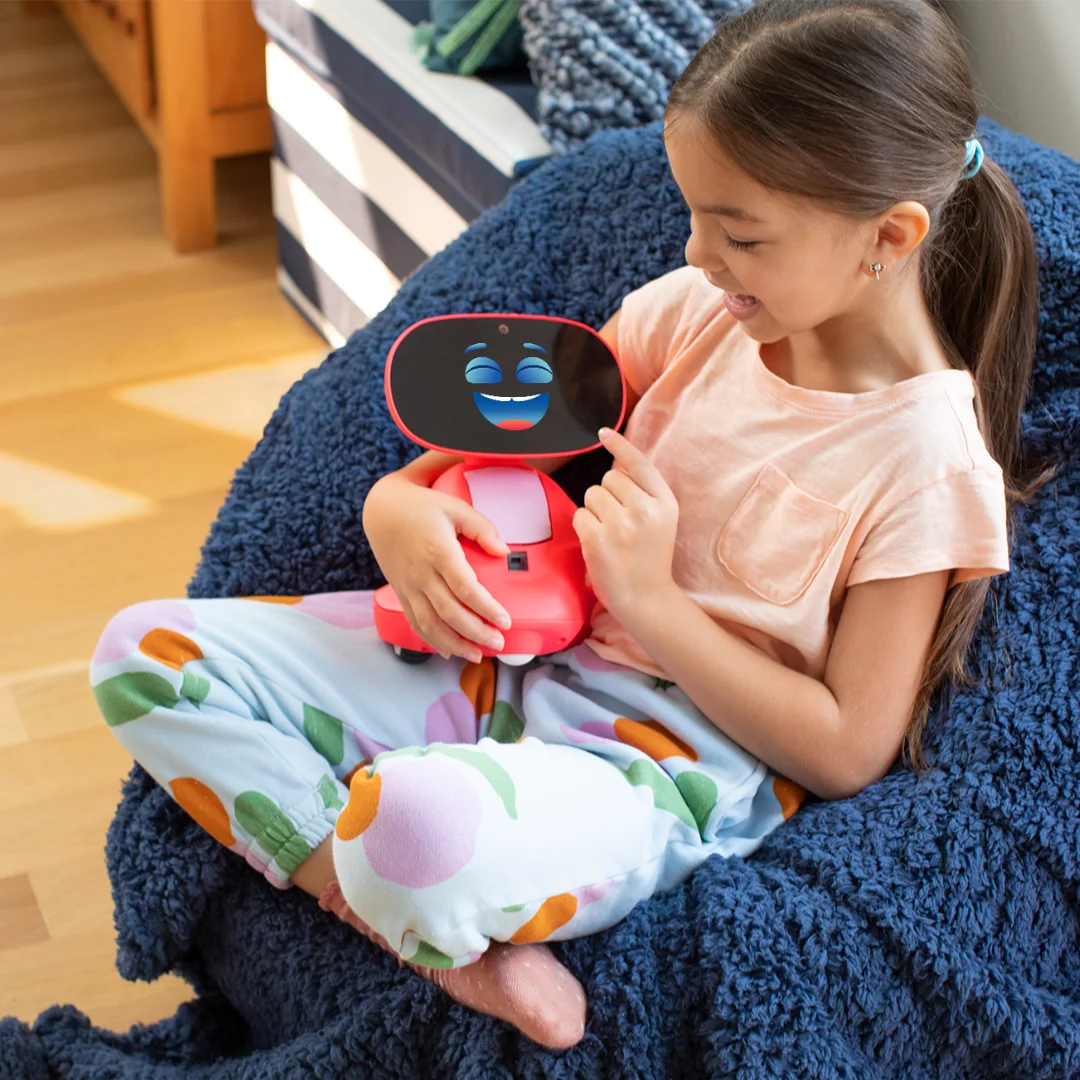
Good tools fade into the background of life. Pick a home base for Miko 3—a low shelf near natural light or a corner of the playroom where sound carries pleasantly—and return it there when you’re done. A simple tray or small basket for “companion props” keeps sessions fresh: a handful of blocks, crayons, a notepad, a favorite plush who “learns” alongside your child. Use short sessions to your advantage. The robot’s modular style pairs beautifully with five-minute time boxes: one interaction, one action in the room, one high-five. For travel, designate a backpack pocket and let your child manage the routine: robot out at the hotel, story before the pool, goodbye when you zip up for checkout. The more responsibility you hand over, the smoother the experience becomes.
Classroom and Homeschool Friendliness
Teachers love tools that scale across centers without creating noise. Miko 3 works best as a station, not a spectacle: a quiet corner for story-starters, movement breaks between literacy tasks, or a prompt to frame a quick writing exercise (“Write a three-sentence ending to the robot’s story.”). In small groups, assign rotating roles—speaker, scribe, actor—so every child participates, and keep interactions tight so momentum returns to core work fast. At home, the same principle applies: the robot sparks, the child extends. If your learner loves maps, follow a story with an atlas moment. If they love animals, grab a picture book and compare habitats. Let Miko 3 be the match, not the whole campfire.
For Different Ages and Personalities
Toddlers benefit from short cause-and-effect moments and lively songs, always with close supervision. Preschoolers thrive on scavenger-hunt prompts, call-and-response stories, and simple “copy me” movement. Early elementary kids start to narrate their strategies and enjoy challenges that stack—first a clue, then a build, then a show-and-tell. The robot isn’t a personality test; it’s a mirror. If your child is a quiet thinker, give space after each prompt; if they’re kinetic, lean into movement. Some days they’ll choose the robot; others they’ll ignore it for cardboard boxes and crayons. That’s a win. The goal is choice, not dependence.
Gentle Screen-Time Boundaries that Hold
Because Miko 3 feels alive, it can help reset how screens work in your house. Establish limits with kind clarity. Open with a plan—“Let’s do two activities today”—and end with a predictable cue, like docking the robot and dimming the lights. Praise the transition more than the performance. “You turned it off when we said we would. That’s strong.” If a meltdown looms, shift to a physical task (“Carry the pillows to the reading corner”) or a sensory one (a cold drink, three deep breaths) before deciding what to try next. Over time, the robot supports self-regulation instead of fighting it.
Small Language Shifts with Big Payoff
Swap “No, not like that” for “What’s your plan?” and watch frustration soften. Replace “Be careful” with “How can we make it sturdier?” to focus on solutions. When a story ends, ask, “What would you change if you told it?” to spark creativity. Name the effort, not just the outcome: “You tried three ways before that worked.” These cues turn the robot’s prompts into your child’s narrative voice—one that notices, adapts, and persists.
Conclusion
A great kids’ product doesn’t just light up; it lights something up inside the child. Miko 3 earns its space in the home by being more companion than device, more nudge than noise. It helps you shape days that breathe: bursts of movement, pockets of wonder, short missions that lead back to books, blocks, and backyards. Over weeks, you’ll hear the difference in the way your child tells stories, negotiates turns, and explains “why my way worked this time.” That’s learning with roots, not just sparks. And it began with a friendly voice, a little dance, and an invitation to try.
FAQ
- How long should a typical session with Miko 3 last?
Short and sweet works best—five to ten minutes tied to a real-world action (a stretch, a drawing, a quick search for shapes) keeps enthusiasm high and transitions easy. - Can siblings share Miko 3 without arguments?
Yes. Give rotating roles—speaker, builder, actor—and a timer. When children know their turn is guaranteed, cooperation rises and grabbing fades. - Does Miko 3 replace books and hands-on toys?
No—and that’s the point. Use the robot to spark interest, then pivot into books, blocks, and outdoor play. The tech should serve the day, not dominate it. - What if my child is shy or hesitant to speak?
Start with movement prompts and stories that don’t require replies. As confidence grows, add simple choices (“this or that?”) and celebrate every attempt. - How do I keep novelty from wearing off?
Create a small prop tray—blocks, crayons, a favorite plush—and rotate what appears beside Miko 3. Fresh inputs keep outputs surprising. - Is Miko 3 useful for travel days or hotel stays?
Absolutely. Anchor it to transitions you already make: unbox at the hotel, story before exploring, a short dance before sleep. - What’s a good way to connect Miko 3 with school learning?
Mirror classroom themes. If they’re studying animals, ask the robot for a related story, then draw habitats together and label them. - How can I handle “just one more” requests gracefully?
Offer a choice that honors the limit: “One more page of a real book or one song while we tidy?” Kids accept endings more easily when they choose the next step. - Does Miko 3 help with social-emotional skills?
Yes. Cooperative prompts, role-play, and gentle encouragement model turn-taking, empathy, and flexible thinking in low-stakes ways. - What if today just isn’t a robot day?
Skip it without drama. The power of Miko 3 is in choice. When kids return by themselves tomorrow, you’ll know the habit is healthy—not forced.