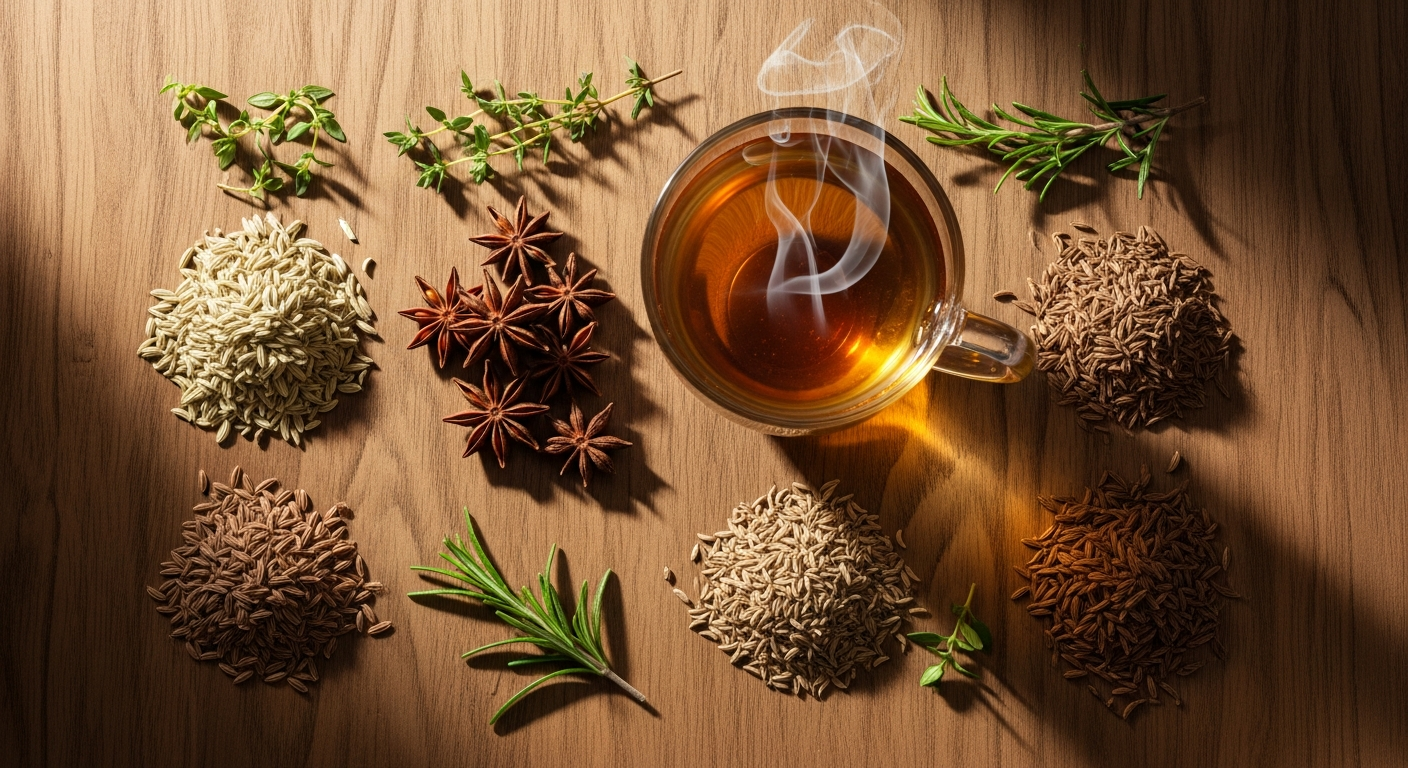

Over 60% of German consumers now prioritize organic herbal teas as part of their daily wellness routine, and one blend is quietly dominating the conversation. The Fenchel Anis Kümmel Tee Bio has become a staple in health-conscious households, yet many people still don’t understand what makes this particular combination so special. This organic fennel, anise, and caraway blend represents far more than just another herbal infusion on the shelf.
For centuries, these three seeds have been treasured in European wellness traditions, particularly across Germany and Central Europe, where digestive support and natural calming rituals hold cultural significance. What sets the Teetopf.de version apart is its commitment to certified organic cultivation, ensuring every cup delivers pure, chemical-free ingredients without compromise.
Discover the Fenchel Anis Kümmel Tee Bio on Teetopf.de today.
How fennel seeds support digestive function and reduce gas naturally
Fennel seeds contain compounds that relax the smooth muscles in your digestive tract, reducing the spasms that create discomfort and bloating. When you steep fennel in hot water, these active constituents become bioavailable, working directly to calm your stomach and intestines. The result is a gentle but measurable reduction in gas formation and the uncomfortable distension that follows meals.
Anise’s role in soothing stomach discomfort and its licorice-like flavor profile
Anise brings a distinct licorice character to the blend while delivering anethole, a compound recognized for its anti-inflammatory properties. This ingredient soothes the stomach lining and addresses the root causes of indigestion rather than merely masking symptoms. The aromatic quality of anise also stimulates digestive secretions, preparing your system to process food more efficiently.
Caraway’s traditional use for bloating relief and intestinal wellness
Caraway has anchored European herbal medicine for centuries, particularly in German and Scandinavian traditions. Its essential oils reduce fermentation in the intestines, directly addressing the mechanism behind bloating. Traditional healers understood that caraway addresses the deeper causes of digestive distress, not just the surface symptoms.
Why these three ingredients work synergistically rather than independently
The magic of this blend lies in how the three components complement one another. Fennel relaxes muscle tension, anise reduces inflammation, and caraway prevents gas formation. Together, they create a comprehensive approach to digestive wellness that no single ingredient could achieve alone. This synergy explains why the combination has remained popular across European herbalism for generations.
The historical significance of this combination across German and European herbalism
German herbal medicine, known as “Phytotherapie,” has long recognized fennel-anise-caraway combinations as foundational remedies. Monasteries throughout medieval Europe cultivated these seeds specifically for their digestive properties, and the tradition never faded. Modern science now validates what herbalists knew intuitively: this combination works.
Flavor characteristics and why the blend appeals to experienced herbal tea drinkers
The taste is bold and unmistakably herbal—warm, slightly sweet, with pronounced licorice notes that dominate the first sip. This isn’t a delicate infusion designed to appeal to everyone. Instead, it attracts people who value substance over subtlety, who appreciate the authenticity of whole seeds rather than refined blends masked with additional flavorings. Experienced herbal tea drinkers recognize this profile as a mark of quality and purpose.
Digestive Health Benefits That Go Beyond Comfort
Carminative properties explained: how these seeds reduce bloating and gas formation
Carminatives are substances that promote the movement of gas through the digestive system rather than allowing it to accumulate. Fennel, anise, and caraway all possess this property in varying degrees. When consumed as a tea, the heat and the herbal compounds work together to stimulate peristalsis and prevent the fermentation that creates painful bloating.
Relief from indigestion, cramping, and post-meal discomfort
Beyond bloating, this blend addresses the cramping and discomfort that follows heavy or rich meals. The three ingredients relax intestinal muscles while simultaneously improving digestive efficiency, creating a two-pronged approach to post-meal wellness. Many regular users report noticing relief within 20-30 minutes of consuming the tea.
Natural support for healthy digestion without pharmaceutical intervention
Unlike over-the-counter digestive aids that mask symptoms or alter your gut chemistry, this herbal blend works with your body’s natural processes. It supports the systems you already have rather than introducing foreign substances. For those seeking to avoid medications or simply preferring natural approaches, this represents a meaningful alternative.
Clinical research backing the effectiveness of fennel and caraway compounds
European research has documented the efficacy of fennel and caraway for digestive complaints, particularly in studies involving IBS sufferers and individuals with functional dyspepsia. These aren’t folklore claims—they’re evidence-based properties that modern science has validated. Caraway, in particular, has shown measurable effectiveness in clinical trials examining bloating and cramping relief.
Who benefits most: IBS sufferers, post-meal comfort seekers, and wellness enthusiasts
People managing IBS symptoms often find this blend particularly valuable because it addresses multiple aspects of their condition simultaneously. Those who struggle with specific meals benefit from having this reliable option on hand. Wellness enthusiasts attracted to organic, traditional approaches appreciate the blend’s purity and heritage.
Typical timeframe for experiencing noticeable digestive improvements
Some people notice immediate relief after their first cup. Others require consistent use over several days to recognize patterns. Most regular users report that within one to two weeks of incorporating this tea into their routine, they’ve experienced measurable improvements in bloating, discomfort frequency, and overall digestive ease.
What Organic Certification Actually Means for Your Cup
Strict EU organic standards and what they prohibit in cultivation
EU organic certification represents one of the world’s most rigorous standards. It prohibits synthetic pesticides, herbicides, fungicides, and chemical fertilizers entirely. Farmers must demonstrate that their soil and cultivation practices meet exacting environmental standards, and compliance is verified through third-party inspection.
Absence of synthetic pesticides, herbicides, and chemical fertilizers
When you purchase the Teetopf.de blend, you’re buying seeds grown without synthetic chemical inputs. This matters not just for your health, but for the cumulative exposure reduction across your diet. If you consume conventional herbal teas regularly, choosing organic eliminates one significant source of pesticide residues.
Third-party verification processes that ensure product integrity
Organic certification isn’t self-declared. Independent bodies conduct regular inspections, test for prohibited substances, and verify farming practices. This external verification provides assurance that goes beyond marketing language or brand reputation.
Environmental sustainability practices in organic tea farming
Organic cultivation typically employs crop rotation, natural pest management, and soil conservation practices. These methods create more sustainable ecosystems compared to conventional agriculture. When you choose organic, you’re supporting farming approaches that don’t deplete soil or contaminate water supplies.
Why organic certification commands premium pricing (€49/kg justification
The €49 per kilogram price point reflects several realities: certified organic farming requires more intensive labor, produces lower yields per acre, demands verification and testing, and sources from smaller producers with lower economies of scale. The premium isn’t arbitrary—it represents genuine differences in production costs and commitment to quality standards.
How Teetopf.de’s sourcing reputation reinforces quality assurance
Teetopf.de has built its business on sourcing from reputable plantations and verified suppliers. The retailer’s reputation means it has incentive to maintain standards and verify claims. Purchasing through established specialty retailers like Teetopf.de provides an additional layer of quality assurance beyond the organic certification itself.
Browse certified organic tea selections at Teetopf.de and experience the difference quality makes.
Loose Leaf vs. Tea Bags: Why Format Matters
Superior flavor extraction with whole, unbroken seeds
Loose whole seeds maximize surface area exposure to water compared to crushed or ground material. The oils and compounds steep more gradually and completely, resulting in richer flavor and fuller beneficial properties. Whole seeds also resist degradation during storage, maintaining potency over time.
Freshness preservation through proper loose-leaf storage
Loose-leaf tea stores more effectively than bagged versions. In airtight containers away from light and heat, whole seeds remain viable and flavorful for extended periods. Many users report that their loose-leaf blend tastes as vibrant six months later as on day one.
Cost-effectiveness of bulk purchasing for regular consumers
If you drink this tea several times weekly, purchasing larger quantities (500g or 1kg bags) reduces your per-cup cost significantly. While the upfront investment is higher, the savings compound quickly for consistent users. The economics of bulk purchasing make premium organic tea accessible for regular consumption.
Brewing flexibility and customization options
Loose leaves allow you to adjust quantity and steeping time to customize strength and flavor. Some mornings you might prefer a lighter infusion; other evenings you might want a stronger brew. This flexibility ensures you can adapt the tea to your preferences rather than accepting a standardized product.
Environmental advantages of loose-leaf packaging
Loose-leaf tea typically comes in minimal packaging—paper or light cardboard rather than the plastic mesh, tags, and additional materials used in tea bags. Choosing loose-leaf reduces packaging waste and aligns with the sustainability values that attract organic tea consumers in the first place.
Package size recommendations (50g, 100g, bulk options) for different usage levels
Start with 50g if you’re testing the blend to see whether the flavor resonates with you. Once you’ve confirmed you enjoy it, 100g provides several weeks of regular consumption and better value. Serious enthusiasts typically purchase 500g or 1kg quantities, where the per-kilogram cost becomes noticeably more economical.
The Calming Ritual: More Than Just Digestive Support
Naturally caffeine-free properties for evening consumption without sleep disruption
Unlike tea made from Camellia sinensis leaves, this herbal blend contains zero caffeine. You can enjoy it at any hour without worrying about sleep interference. Many people specifically choose this tea for their evening wind-down precisely because it provides comfort and ritual without stimulation.
Aromatherapeutic benefits of fennel and anise vapors during brewing
The aromatic compounds released as you steep the tea engage your olfactory system, triggering relaxation responses independent of ingestion. The warm steam carrying fennel and anise aromas creates a sensory experience that prepares your mind and body for rest before you even take the first sip.
The psychological comfort of warm, herbal beverages for stress management
Holding a warm cup, inhaling herbal aromas, and practicing the ritual of tea preparation engages multiple senses in a calming activity. This sensory anchor reduces stress and anxiety through mechanisms beyond the chemical constituents in the leaves. The ritual itself becomes part of the wellness benefit.
Ideal timing: post-dinner, after meals, or during evening wind-down routines
The optimal moments to enjoy this tea are immediately after meals (when digestive support is most needed) or during your evening routine (when the calming properties shine). Many people establish a habit of brewing a cup while settling into an evening activity, making it a consistent marker for the transition into relaxation mode.
Pairing suggestions with relaxation practices or meditation
This tea pairs beautifully with meditation, gentle yoga, reading, or journaling. The combination of digestive support and calming properties makes it ideal for creating intentional wellness moments. Some people brew it before meditation practice, using the preparation time as a transition into mindfulness.
How this tea fits into holistic wellness approaches
Rather than viewing this tea as a isolated digestive remedy, many wellness practitioners recommend it as one component of comprehensive digestive health. Combined with adequate hydration, mindful eating, stress management, and physical activity, this blend becomes part of a sustainable wellness approach rather than a quick fix.
Honest Assessment: Is the Licorice Flavor Right for You?
The acquired taste factor and what to expect on first sip
The first experience with this blend is often a surprise. The licorice notes are prominent and unmistakable, with none of the masking sweetness or additional flavorings found in many commercial herbal teas. If you’ve primarily consumed mild blends or flavored herbal infusions, this profile might feel intense or unfamiliar.
Flavor intensity and why it appeals to seasoned herbal tea enthusiasts
Experienced herbal tea drinkers appreciate this intensity as authenticity. The bold flavor indicates that you’re drinking whole seeds rather than extracts or highly processed material. The character that might initially seem overpowering becomes a desirable feature once you’ve developed familiarity with the blend.
Strategies for newcomers to acclimate to the strong anise notes
Start by brewing a lighter infusion—use fewer leaves and shorter steeping times. Drink it while enjoying food or a snack rather than on an empty stomach. Try the tea warm versus cooled. Many people find that their palate adjusts within just a few cups, and what seemed intense becomes comforting.
Comparison with other herbal blends for those seeking milder alternatives
If the licorice character proves too dominant, you might explore ginger-based digestive teas, peppermint infusions, or gentler blends. Nothing wrong exists with determining that this particular tea isn’t your preference. The self-awareness about your palate preferences is more valuable than forcing yourself to consume something you don’t enjoy.
Brewing adjustments (steeping time, leaf quantity) to customize strength
Steep for just 3-4 minutes instead of the typical 5-7 minutes for a lighter result. Use half your usual leaf quantity. Experiment with water temperature—slightly cooler water extracts fewer of the intense compounds than boiling water. These adjustments can significantly impact your experience.
Honest discussion of who might find this blend too intense
People accustomed to mild teas, those sensitive to strong flavors, and anyone who dislikes licorice taste should approach cautiously. Children might find the intensity off-putting. Not every product works for every person, and this blend’s boldness is intentional rather than a flaw—but it definitely represents an acquired taste.
Pricing, Value, and Where to Buy
Cost breakdown: starting price of €2.45 for smaller quantities
The entry price of €2.45 typically covers a 50g package, making this an affordable way to test the blend before committing to larger quantities. This modest investment removes financial risk from trying something unfamiliar.
Per-kilogram pricing (€49.00) and what premium quality justifies
At €49 per kilogram, this positions squarely in the premium organic tea category. That pricing reflects organic certification, quality sourcing, careful handling, and the smaller-scale nature of specialty tea distribution. You’re paying for standards, not marketing or brand packaging.
Bulk purchase advantages for frequent consumers
Regular users who purchase 500g or 1kg quantities realize substantial per-cup savings compared to buying multiple 50g packages. If you drink this tea 3-4 times weekly, a 500g bag provides roughly 2-3 months of supply while meaningfully reducing your cost per serving.
Teetopf.de’s reputation as a trusted source for specialty teas
Teetopf.de’s position as a specialized tea retailer means they’ve invested in sourcing relationships, quality control, and storage standards. Purchasing through an established specialist often provides better product freshness and authenticity than buying through general retailers.
Storage recommendations to maximize shelf life and freshness
Keep the tea in an airtight container away from direct light, heat, and moisture. A sealed glass jar in a cool cabinet preserves quality for many months. Some users transfer bulk purchases into smaller containers for daily use while keeping the remainder sealed, maximizing longevity.
Comparison value against lower-quality, non-organic alternatives
Non-organic versions might cost €20-30 per kilogram, seemingly more economical. However, the absence of organic verification means uncertainty about cultivation practices, and lower prices often correlate with reduced freshness and quality control. The organic premium provides tangible assurances that justify the price difference.
Building Your Organic Tea Routine Around This Blend
Integration into daily wellness practices and digestive health protocols
Establish a consistent pattern—perhaps after dinner or as part of your evening routine. Consistency matters more than occasional use when addressing digestive concerns. Your body responds better to regular consumption that creates predictable support.
Complementary herbs and teas that pair well with this blend
Ginger tea complements this blend beautifully, especially for more serious digestive complaints. Peppermint offers a cooler counterpoint on warmer days. Some people rotate between this blend and others to maintain variety while keeping the fennel-anise-caraway benefits central to their routine.
Seasonal consumption patterns (especially beneficial post-holiday meals
This tea becomes particularly valuable during holiday seasons when rich meals are frequent. Many people increase their consumption around end-of-year celebrations or special occasions, then maintain consistent use year-round for baseline digestive support.
Creating consistency for maximum digestive support benefits
The most significant improvements occur when people drink this tea regularly rather than sporadically. Aim for at least 3-4 cups weekly to establish patterns your digestive system recognizes. After 2-3 weeks of consistent consumption, most people notice meaningful changes.
Tracking personal wellness improvements over weeks and months
Keep simple notes about your bloating frequency, energy levels, and digestive comfort. After a month of consistent use, review your observations. Most people document noticeable improvement in bloating and post-meal discomfort, providing motivation to continue the practice.
Budget-friendly approaches to incorporating premium organic tea regularly
Purchase during sales or in bulk quantities. Consider sharing larger packages with family or friends to reduce individual costs. Remember that even at premium pricing, daily tea consumption remains more economical than most wellness supplements or remedies.
Your Path to Digestive Wellness Starts Here
The organic fennel anise caraway tea blend represents something increasingly rare in modern wellness: a genuinely traditional solution backed by both cultural wisdom and modern quality standards. This isn’t a trendy supplement or complicated protocol—it’s a simple, affordable way to support your digestive health while enjoying a moment of calm.
Whether you’re battling post-meal bloating, seeking a caffeine-free evening ritual, or simply curious about what makes this German bestseller so beloved, this tea delivers on multiple fronts. The organic certification removes the worry about what’s actually in your cup, while the three-ingredient simplicity speaks to its effectiveness.
If you’ve been searching for a digestive remedy that feels natural, tastes intentional, and won’t break your budget, the Fenchel Anis Kümmel Tee Bio from Teetopf.de warrants serious consideration. Start with a 50g package to test whether the licorice notes resonate with your palate, then expand to bulk quantities once you’ve made it part of your routine. Your digestive system—and your evening relaxation time—will thank you.
Start your wellness journey with the Fenchel Anis Kümmel Tee Bio from Teetopf.de.