
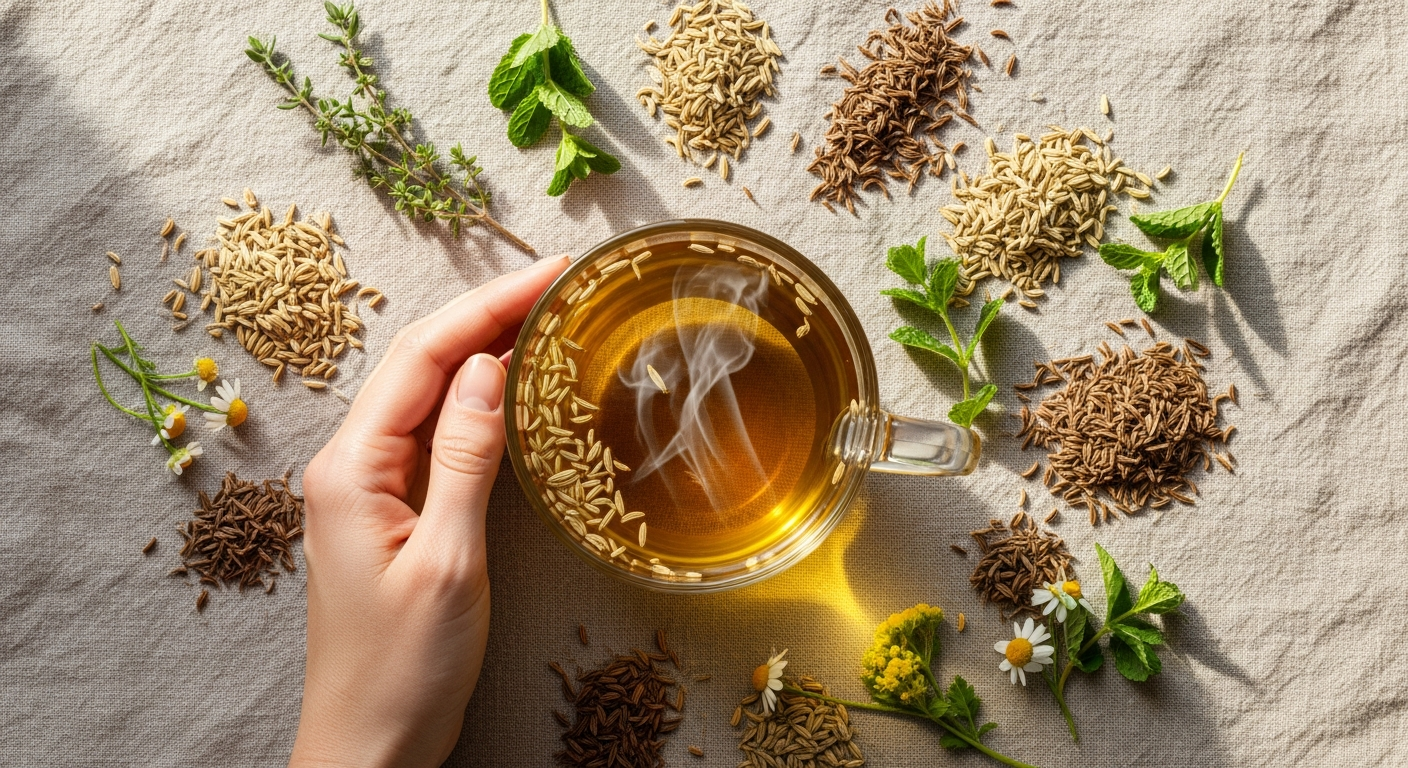

Nearly 70% of new mothers experience digestive discomfort in the weeks following childbirth—and most don’t realize that a simple herbal tea could offer genuine relief. The postpartum body undergoes profound changes that extend far beyond what happens during labor itself. Recovery demands gentleness, both physically and nutritionally, which is why many healthcare practitioners are recommending time-tested herbal remedies over synthetic solutions.
Organic fennel anise caraway tea represents a bridge between traditional wisdom and modern wellness standards. This synergistic blend addresses multiple postpartum concerns simultaneously—bloating, cramping, sluggish digestion, and the general discomfort that can derail recovery. Rather than masking symptoms, these three seeds work together to support your body’s natural digestive processes during a vulnerable period.
Throughout this article, you’ll discover the specific digestive benefits that make this blend particularly valuable during recovery, learn the safest brewing methods for breastfeeding mothers, understand how it compares to other postpartum digestive aids, and explore real-world applications that fit seamlessly into a demanding new-parent schedule.
Why Postpartum Digestion Requires Special Attention
Hormonal Shifts & Physical Impact
Hormonal shifts during pregnancy and after delivery dramatically slow digestive function. Progesterone, which relaxed your digestive tract during pregnancy to maximize nutrient absorption, doesn’t disappear immediately after birth. This lingering hormonal state, combined with the physical trauma to the abdominal area during labor, impacts gut motility and comfort in ways many new mothers don’t anticipate.
Medication Complications
Medications commonly prescribed postpartum—pain relief, antibiotics, iron supplements—can worsen constipation and bloating. What helped you through labor may now be contributing to digestive distress during recovery. Dehydration and nutritional deficiencies compound digestive dysfunction in the early postpartum weeks, creating a cascade effect where one problem amplifies another.
The Sleep & Stress Factor
Stress and sleep deprivation—inevitable with newborns—further compromise digestive health. Your nervous system, already in overdrive from recovery and new parenting, struggles to maintain healthy digestive function. This is precisely why choosing remedies that support rather than stress your system becomes critical.
Breastfeeding Considerations
The importance of selecting remedies that won’t interfere with breastfeeding or pass harmful substances to infants cannot be overstated. Every substance you consume travels into your breast milk, making ingredient safety not just a personal concern but a family consideration.
The Three-Seed Powerhouse: How Fennel, Anise & Caraway Work Together
Fennel Seeds: The Cramping Relief
Fennel seeds contain mild estrogen-like compounds that ease cramping and promote smooth muscle relaxation. During postpartum recovery, when your uterus is contracting and your entire digestive tract is reorganizing itself, fennel’s gentle action provides meaningful comfort without pharmacological intervention.
Anise Seeds: The Gas Fighter
Anise seeds bring powerful carminative properties that reduce gas, bloating, and intestinal spasms. If you’ve experienced the postpartum bloating that makes you feel larger than you did during late pregnancy, anise directly addresses this specific discomfort.
Caraway Seeds: The Digestive Stimulator
Caraway seeds are traditionally used to stimulate digestive enzymes and improve nutrient absorption. At a time when your body desperately needs to absorb every nutrient possible for healing, caraway’s enzyme-stimulating action supports efficient digestion of the nourishing foods you’re consuming.
Synergistic Power
The synergistic effect of combining these three seeds creates more comprehensive digestive support than using them individually. Each seed addresses different aspects of postpartum digestive dysfunction, and together they provide layered relief that single-seed remedies cannot match.
Scientific Validation
Research supports the traditional use of these seeds for IBS, bloating, and postpartum recovery. This isn’t folklore alone—clinical studies document the effectiveness of fennel, anise, and caraway in addressing the exact digestive complaints postpartum mothers face. The organic certification matters for mothers concerned about pesticide exposure and milk quality, ensuring that what you’re consuming is free from synthetic chemicals that could accumulate in your system or pass to your infant.
Safety Profile for Breastfeeding Mothers & Newborns
Zero Stimulant Concerns
The caffeine-free composition means zero stimulant transfer to breast milk. Unlike green tea or coffee, which could potentially affect your infant’s sleep or behavior through breast milk, fennel anise caraway tea provides pure botanical benefit without the stimulant concern.
Centuries of Safe Use
All three seeds have long histories of safe use in nursing cultures worldwide. Traditional postpartum practices across Europe, Asia, and the Middle East have relied on these exact seeds to support recovery—a track record spanning centuries and multiple cultures.
Gentle Enough for Indirect Infant Consumption
The blend is gentle enough for indirect consumption by infants through breast milk. The compounds present in fennel, anise, and caraway are mild enough that what passes into your milk poses no risk to your nursing baby—in fact, many of these compounds may provide subtle digestive benefits to your infant as well.
No Medication Contraindications
No documented contraindications exist with common postpartum medications. Whether you’re taking pain medication, antibiotics, or iron supplements, fennel anise caraway tea works compatibly alongside these treatments.
Hydration & Milk Supply Support
The hydration benefits of herbal tea support milk supply while addressing digestive issues simultaneously. Many lactation consultants recommend increased fluid intake for optimal milk production—this tea accomplishes that goal while treating the very digestive concerns that often accompany breastfeeding.
Distinction from Stronger Remedies
Understanding the distinction between this gentle blend and stronger herbal remedies that require caution during nursing is essential. Some herbs should be avoided or used cautiously postpartum; fennel anise caraway exists in the category of time-tested, widely-recognized safe options.
Optimal Brewing & Consumption for Maximum Benefit
Standard Preparation Method
Standard preparation requires 1 teaspoon (approximately 2 grams) per 250 ml cup with boiling water. Precision here matters—too little tea provides insufficient benefit, while too much creates an overly intense flavor that might discourage regular consumption.
Steeping Duration
Steeping for 4-7 minutes extracts full flavor and therapeutic compounds. The longer end of this range—around 6-7 minutes—ensures maximum potency of the active constituents, particularly the carminative oils that provide the digestive benefits you’re seeking.
Temperature Flexibility
The tea is enjoyable both hot (for comfort and faster relief) and cold (for summer months or convenience). A warm cup provides immediate soothing sensation and faster absorption, while cold-brewed versions work well for mothers who prefer iced beverages or need something refreshing during warmer seasons.
Timing Recommendations
Best consumption occurs 30 minutes after meals to support digestion. This timing allows the tea’s active compounds to engage with your digestive process when it’s actively breaking down food, maximizing their effectiveness.
Daily Intake Guidelines
Safe consumption levels for postpartum mothers typically involve 2-3 cups daily without oversaturation. Most mothers find that one cup after lunch and another after dinner provides sufficient support without creating excessive fluid intake that might interfere with other nutritional needs.
Storage & Freshness
Maintaining freshness of loose tea preserves maximum potency and flavor. Store in an airtight container away from light and heat, and use within several months of opening for optimal effectiveness. Properly stored organic fennel anise caraway tea retains its therapeutic properties far longer than pre-packaged tea bags.
Real-World Postpartum Scenarios Where This Tea Shines
Morning Bloating & Sluggish Digestion
Morning bloating and sluggish digestion after disrupted sleep represent a common postpartum complaint. A warm cup of fennel anise caraway tea after breakfast can reset your digestive system and reduce the bloated sensation that makes fitting into recovery clothing uncomfortable.
Post-Meal Cramping
Post-meal cramping when eating solid foods again after delivery affects many mothers reintroducing normal eating patterns. The smooth muscle relaxation from fennel combined with anise’s antispasmodic properties provides noticeable relief within 20-30 minutes of consumption.
Evening Discomfort
Evening discomfort that interferes with rest and recovery becomes particularly problematic when you’re already struggling with sleep deprivation. A soothing cup of tea 30 minutes before attempted rest can ease digestive tension and support sounder sleep.
Constipation Management
Constipation management without relying on pharmaceutical laxatives offers a gentler approach that doesn’t create dependency or harsh side effects. The digestive stimulation from caraway and the general smoothing of intestinal function from all three seeds addresses constipation naturally.
Managing Medication Side Effects
Supporting digestive health while managing pain medications becomes essential when pharmaceutical interventions are necessary for recovery. This tea works alongside medications rather than competing with them, providing supplementary digestive support.
Calming Rituals During Overwhelm
Creating a calming ritual during overwhelming early parenting moments serves dual purposes—physical digestive support and mental breathing space. The act of brewing and sipping tea becomes a small anchor of self-care in an chaotic period.
Lactation-Related Concerns
Addressing lactation-related digestive concerns (common in breastfeeding mothers) matters because digestive comfort directly impacts how mothers feel and function. Many women experience increased digestive sensitivity while nursing; this tea addresses that specific postpartum reality.
How This Organic Blend Compares to Other Postpartum Digestive Solutions
Versus Over-the-Counter Antacids
Over-the-counter antacids provide faster symptom suppression but don’t address underlying causes of postpartum digestive dysfunction. The safety profile of fennel anise caraway tea exceeds that of repeated antacid use, which can interfere with nutrient absorption and create long-term digestive dependence. The effectiveness timeline differs—tea works gradually but sustainably, while antacids provide temporary relief.
Versus Prescription Medications
Prescription medications come with potential side effects and contraindications during breastfeeding that herbal remedies avoid entirely. A natural alternative approach without these complications makes botanical solutions attractive to mothers concerned about what they’re introducing into their systems during recovery.
Versus Other Herbal Teas
Single-seed options—drinking only fennel tea, or only anise tea—provide partial benefit. The fennel-anise-caraway combination outperforms single options because each seed addresses different digestive mechanisms. Ginger tea, popular for nausea, doesn’t address postpartum bloating as effectively. Peppermint tea, while soothing, may be too cooling for some postpartum constitutions.
Versus Probiotics
Probiotics complement rather than compete with herbal digestive support. Probiotics repopulate beneficial bacteria; fennel anise caraway tea supports the mechanical and chemical processes of digestion itself. Together, they create comprehensive digestive restoration.
Versus Dietary Adjustments Alone
Dietary adjustments alone—eating smaller meals, increasing fiber gradually, staying hydrated—form a foundation but often prove insufficient during postpartum recovery. Tea serves as a supportive tool alongside nutrition changes, providing active therapeutic compounds that food alone cannot deliver.
Cost-Effectiveness
At a €2.45 starting price compared to ongoing medication or supplement expenses, this tea represents exceptional value. Over a month of daily consumption, the cost remains minimal while the benefits compound. Many mothers spend significantly more on individual supplements that do less.
Building a Postpartum Wellness Routine Around Herbal Support
Rituals Beyond Physical Relief
Integrating tea into daily rituals supports mental health alongside physical recovery. The act of preparing a warm beverage provides a pause in the chaos, a moment to breathe and reconnect with yourself—invaluable during the intensity of early parenthood.
Complementary Practices
Combining tea with adequate water intake, gentle movement, and nutritious foods creates a synergistic wellness approach. Each element supports the others, creating momentum toward genuine recovery rather than isolated interventions.
Digestive Wellness Windows
Creating a ‘digestive wellness window’ during the day when tea consumption is most beneficial establishes routine and maximizes effectiveness. Many mothers find that post-lunch and post-dinner tea becomes an anticipated pause in their day.
Partner Involvement
Involving partners in the wellness routine transforms tea preparation into a supportive gesture. Partners preparing tea for mothers becomes a tangible expression of care during recovery.
Tracking Improvement Patterns
Tracking digestive improvements identifies personal response patterns. Notice when bloating decreases, when cramping resolves, when energy improves—these observations help you understand your unique recovery trajectory.
Integration with Other Practices
Knowing when to add complementary practices (abdominal massage, pelvic floor work) alongside tea consumption ensures you’re addressing recovery holistically. Tea provides pharmaceutical support while other practices address physical restoration.
Addressing Common Concerns & Taste Preferences
The Acquired Taste Factor
The ‘acquired taste’ aspect of spiced herbal flavors challenges some new mothers accustomed to conventional beverages. Strategies for hesitation include starting with shorter steeping times (4 minutes rather than 7) to create a milder flavor profile, or blending with other herbs initially.
Blending Options
Combining fennel anise caraway with other gentle herbs like chamomile or mint creates palatable variations. Adding natural sweeteners like honey transforms the taste experience while maintaining all therapeutic benefits. Many mothers find that honey-sweetened tea becomes genuinely enjoyable rather than medicinal-tasting.
Individual Seed Contributions
Understanding what each seed contributes to the overall taste helps set realistic expectations. Fennel provides gentle sweetness, anise brings fine spice, and caraway adds aromatic depth—together they create balanced complexity rather than harsh flavoring.
Introducing to Sensitive Systems
Digestive sensitivity postpartum sometimes necessitates gradual introduction of the tea. Beginning with small amounts (half a cup) and increasing over several days allows your system to acclimate without overwhelming it. Most mothers tolerate the blend well, but sensitivity varies individually.
Quality Assurance Standards
Knowing what to look for in organic certification and sourcing standards ensures you’re purchasing genuine quality. Reputable sources provide transparent information about where seeds originated, how they were processed, and what certifications validate their organic status. Organic certification matters—it’s not merely marketing language but verification that your tea meets specific agricultural and processing standards.
Beyond Placebo Effect
Distinguishing between genuine digestive improvement and placebo effect happens naturally over two weeks of consistent consumption. Bloating reduction, smoother bowel movements, and decreased cramping represent measurable improvements rather than perception alone. Many mothers report that friends notice they seem more comfortable before they fully realize the changes themselves.
Moving Forward: Making Organic Fennel Anise Caraway Tea Your Postpartum Recovery Ally
The postpartum period demands solutions that work with your body’s natural healing processes rather than against them. Organic fennel anise caraway tea delivers exactly that—a time-honored, scientifically-supported herbal blend that addresses the specific digestive challenges new mothers face. From reducing bloating and cramping to supporting milk supply while remaining completely safe for breastfeeding, this tea becomes far more than a beverage; it transforms into a cornerstone of your recovery strategy.
What makes this particular blend remarkable is its gentle effectiveness. You’re not introducing synthetic chemicals into your system during a period when your body is already processing tremendous change. Instead, you’re drawing on centuries of maternal wisdom—the same remedy that supported your grandmother’s recovery and countless mothers across cultures. This connection to traditional practice carries its own comfort, a reminder that your body knows how to heal and that natural solutions exist for the challenges you face.
Your postpartum recovery deserves attention, support, and solutions that honor both your immediate comfort and long-term wellness. The weeks following childbirth represent a critical window for establishing patterns and practices that either support or hinder your healing. Choosing wisely during this period creates momentum toward genuine recovery rather than temporary symptom management.
Start with a single box of organic fennel anise caraway tea and brew it according to the guidelines provided. Observe how your body responds over the course of two weeks. Notice the changes—decreased bloating, easier digestion, reduced cramping, improved comfort. Many mothers report noticeable improvement within days of beginning consistent consumption.