
Over 70% of working women report foot pain by the end of their shift—and many of them are wearing the wrong shoes. The trade-off between comfort and style has dominated footwear choices for decades, forcing women to choose between feeling good and looking professional. The Rieker Antistress Women’s Comfort Bootie changes this equation entirely by delivering genuine comfort without requiring you to sacrifice aesthetics or dress like you’re headed to the gym.
Rieker, a German footwear brand with roots stretching back to 1874, built its reputation on solving a specific problem: how to create shoes that feel as good at 5 p.m. as they do at 9 a.m. Their signature Antistress technology combines lightweight construction, flexible soles, memory foam cushioning, and roomier fits into a cohesive design philosophy. The result isn’t just another comfortable bootie—it’s a thoughtful engineering approach to foot wellness that actually works for women managing demanding daily schedules.
Discover Rieker Antistress booties and experience the comfort difference for yourself.
How Antistress Technology Actually Works
The Four-Pillar Engineering Approach
Rieker’s Antistress technology rests on four interconnected principles: lightweight construction, flexible sole design, shock absorption, and a roomier fit. Each element serves a specific function in reducing foot fatigue. Lightweight materials mean your feet don’t work as hard throughout the day, while flexible soles encourage natural walking mechanics instead of restricting movement. The roomier fit prevents the cramping and pressure points that plague many traditional booties, and shock absorption tackles the repetitive impact stress that accumulates during extended standing or walking.
Memory Foam Cushioning and Joint Pressure Relief
The memory foam incorporated into Rieker Antistress booties isn’t marketing speak—it actively reduces pressure on joints and alleviates lower back strain. Your feet absorb roughly 1.5 times your body weight with each step. Over a full workday, that repetitive impact accumulates. Memory foam contours to your foot shape, distributing pressure evenly and absorbing shock before it travels up through your ankles, knees, and lower back. Users consistently report noticeable reductions in end-of-day fatigue and soreness when wearing these booties regularly.
Natural Foot Roll Mechanics
Traditional rigid soles force your feet into unnatural movement patterns. Rieker’s flexible sole construction allows your foot to roll naturally through each step—heel strike through toe-off—mimicking the biomechanics of barefoot walking. This natural motion reduces strain on the plantar fascia, Achilles tendon, and surrounding musculature. The flexibility also accommodates subtle individual variations in gait, meaning the bootie works well across different foot shapes and walking styles.
Immediate Comfort Without the Break-In Period
Most quality booties require a break-in period of several days to a few weeks. The Rieker Antistress bootie stands apart by delivering comfort immediately. The soft leather or high-quality synthetic uppers, combined with the cushioned insole and flexible construction, means you can wear these booties all day on day one without experiencing blisters, hot spots, or the typical adjustment discomfort. This immediate wearability is a genuine differentiator that resonates strongly with daily users.
Material Selection and Its Role in Comfort
Rieker offers both leather and synthetic versions of their Antistress booties. Leather provides superior breathability, molds to your foot over time, and develops character with wear. Synthetic materials offer easier maintenance, consistent performance, and often come at slightly lower price points. For the comfort equation, both perform well—the difference largely comes down to aesthetic preference and maintenance philosophy. The textile linings in both versions enhance breathability, preventing the moisture buildup that turns comfortable booties into breeding grounds for odor and fungal issues.
Arch Support Benefits for Extended Standing
Proper arch support prevents foot fatigue and reduces stress on the plantar fascia. Users consistently report good arch support in Rieker Antistress booties, which makes a measurable difference during extended standing or walking throughout the day. Whether you’re managing a retail environment, spending time in an office with lots of movement, or simply navigating daily errands, adequate arch support transforms how your feet feel by day’s end.
The Real Durability Question: What Owners Actually Report
Long-Term Wear Patterns from Daily Use
Rieker Antistress booties show strong durability records in most owner reports. Users who wear them consistently for 1-2 years report minimal degradation in comfort or structural integrity. The soles maintain their cushioning properties, the flexible construction doesn’t become overly worn, and the uppers resist creasing or material breakdown. Cost-per-wear calculations look favorable when you divide the $115-$135 purchase price across 12-24 months of regular use.
Material Quality Variations Across Models
Not all Rieker booties are created equal. The brand produces numerous models at different price points with varying material choices. Some models feature premium leather and construction techniques, while others use budget-friendly synthetics with simpler assembly methods. This variation explains some of the inconsistent durability reports you’ll find in customer reviews. A $135 model with premium leather and double-stitched construction will outlast a $110 synthetic bootie—but both carry the Rieker name.
Common Durability Concerns: Isolated Incidents Worth Noting
A small percentage of users report sole separation or material peeling after several months of wear. These incidents appear isolated rather than systematic, suggesting quality control inconsistencies rather than fundamental design flaws. Some bootie models are more susceptible than others, and manufacturing batch variations seem to play a role. These concerns warrant attention but shouldn’t scare you away entirely—the vast majority of users experience reliable performance.
Factors That Influence Lifespan
Several variables determine how long your Rieker booties will last. Construction method matters—hand-stitched components hold up better than machine-glued ones. Material choice impacts durability significantly; quality leather resists degradation better than cheaper synthetics. Your care routine shapes lifespan too: regular cleaning, appropriate storage, and conditioning (for leather) extend the life meaningfully. A bootie treated with care can easily last 2+ years with daily wear, while neglected footwear may degrade faster.
Warranty and Return Policies for Quality Concerns
Rieker stands behind their products through standard warranty coverage and retailer return policies. Most authorized retailers offer 30-day returns for defects or fit issues. Beyond that window, warranty coverage varies by retailer and region. This safety net doesn’t extend indefinitely, but it provides reasonable protection for manufacturing defects discovered shortly after purchase.
Cost-Per-Wear Analysis for the Price Range
Explore the full selection of Rieker Antistress booties to find your perfect fit and style.
At $115-$135, a bootie worn 4-5 days per week for 18 months generates a cost-per-wear of roughly $1.50-$2.00. Compare this to specialty orthopedic footwear priced at $200-$300, and the Rieker option looks economical. Even compared to budget booties at $60-$80 that might only last 6-8 months, the Rieker represents solid value when durability holds up.
Comparing Rieker Durability to Competitor Comfort Booties
Brands like Clarks, SAS, and Naturalizer occupy similar market positions with comparable price points. Rieker’s durability stands competitive with these brands—neither clearly superior nor obviously inferior. The difference comes down to specific model choices rather than brand-wide comparisons. A premium Clarks bootie outperforms a budget Rieker model, just as a premium Rieker beats a budget Clarks.
Sizing Inconsistencies: Getting the Fit Right
Why Rieker Sizing Varies Between Models and Production Batches
Rieker manufactures in multiple facilities across different regions, and production batches occasionally show sizing variations. Model 41730 might run slightly narrow in one batch and true-to-size in another. This inconsistency stems from manufacturing realities—different facilities have subtle variations in how they cut and assemble components. For consumers, this means relying on size guides becomes crucial, and flexibility on returns becomes a practical necessity.
Half-Size Considerations and the Roomier Fit Philosophy
Rieker intentionally designs their Antistress booties with a roomier fit—this is central to the comfort philosophy. If you typically wear a size 8, your Rieker bootie might be a size 8 or potentially a 7.5, depending on how the roomier fit accommodates your foot width. The extra space prevents the cramping that leads to foot pain, but it requires understanding how this philosophy translates to your individual fit needs. Half-size options exist for models that run larger, providing flexibility for those with narrow feet or who prefer a snugger fit.
Regional Sizing Differences
Rieker uses European sizing standards internally, though most US retailers convert to US sizing. European size 42 equals US size 11, for example. Some online retailers from European sources may use European sizing, creating confusion. Always verify which sizing system a retailer uses before ordering, especially when buying from international sources where return logistics become complicated.
Best Practices for Ordering Online
Reference multiple size guides if possible—check Rieker’s official guide, the retailer’s specific guidance, and independent review sites where users mention sizing accuracy. Look for customer photos and reviews mentioning fit experiences. Many retailers offer free returns within 30 days, which provides a practical safety net for sizing uncertainty. Don’t hesitate to order two sizes if your measurements fall between sizes; trying both at home removes guesswork.
Customer Feedback on Width Accommodation and Heel Slip
The roomier fit philosophy handles width well for most users, but some with very narrow feet report slight heel slip. Heel slip typically resolves with insole inserts or heel grips—inexpensive solutions available at any drugstore. Width-wise, users with wide feet praise the roomy fit, while those with narrow feet sometimes experience too much movement. Reading width-specific reviews helps determine if a particular model will work for your foot shape.
Measuring Techniques to Ensure Accurate Sizing
Measure both feet in the evening when they’re slightly swollen from daily activity—your feet naturally swell throughout the day and are largest in the evening. Use a ruler on a hard floor, standing with your full weight distributed. Measure from your longest toe to your heel. Check your measurement against Rieker’s official sizing chart, not just generic shoe size equivalents. Many fitting errors stem from using outdated measurement techniques or comparing to shoes that fit poorly in the first place.
When to Size Up Versus Staying True to Size
If your measurement falls between two sizes, err toward sizing up given Rieker’s roomy fit philosophy. If you typically wear a size 8 and your measurement suggests an 8.5, try the 8.5 first—the roomier fit might actually provide ideal comfort rather than too much space. If you have very narrow feet, consider sizing down from your typical size since the Rieker roominess compensates. Start conservatively and adjust based on how the bootie feels, rather than assuming true-to-size will work.
Style Versatility Across Work and Casual Settings
Design Aesthetic: Classic Bootie Silhouettes
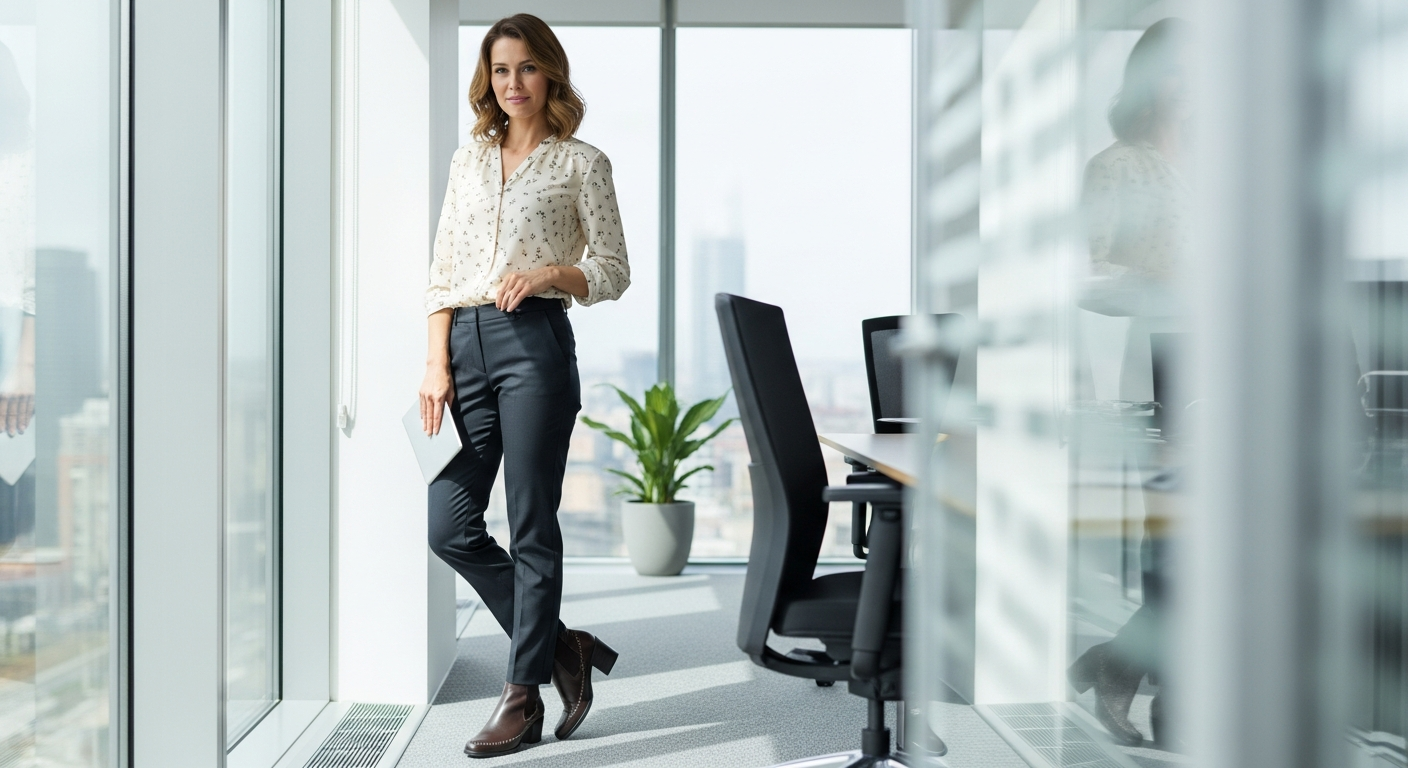
Rieker Antistress booties feature classic bootie aesthetics that work across professional and casual environments. No extreme styling, no trendy elements that will look dated next season—these are timeless designs. The silhouettes fall between a dress bootie (too formal for daily wear) and a casual ankle boot (too casual for business environments). This middle ground is precisely what makes them workplace-appropriate while remaining stylish enough for evening casual settings.
Heel Height Specifications and Workplace Appropriateness
The standard 36mm heel height lands in the sweet spot for professional environments. It’s low enough to be comfortable for extended wear but substantial enough to create a polished, intentional appearance rather than looking like a casual sneaker. This height works in business-casual, creative office, retail, healthcare, and other professional settings where comfort matters but appearance still counts.
Color and Material Options
Rieker offers these booties in neutral colors—black, dark brown, charcoal, and sometimes burgundy or navy—ensuring easy wardrobe coordination. Neutral colors pair with virtually any work outfit: black trousers, gray slacks, jeans, skirts, or dresses. Material options in leather and synthetic provide flexibility based on maintenance preferences and budget constraints. Darker colors hide scuffs and wear, making these booties practical investments that maintain appearance longer than lighter shades.
Transitioning from Office to After-Work Activities
Many women struggle with footwear transitions—changing shoes between work and evening activities wastes time and requires carrying multiple pairs. Rieker Antistress booties bridge this gap effectively. Wear them in professional settings all day, then transition directly to dinner, shopping, or casual social activities without changing shoes. The versatile styling and genuine comfort make this transition seamless.
Pairing Recommendations with Different Outfit Types
With black trousers: creates a lengthened leg line and professional appearance. With ankle-length jeans: the bootie covers just above the jeans without bunching, creating a clean silhouette. With midi skirts: pairs beautifully for polished, put-together looks. With dresses: adds sophistication and warmth. With cropped pants: showcases the bootie’s design while maintaining clean proportions. This versatility explains why many owners find themselves wearing these booties 5+ days weekly—they simply work with most wardrobe pieces.
Seasonal Styling Considerations
Summer wear becomes challenging with bootie styling, though some users manage it with sheers or go sockless. Fall and winter are the bootie’s natural seasons—pair them with sweaters, blazers, and layered outfits. Spring works well as you transition between seasons. Consider whether your climate and lifestyle make booties practical year-round, or whether you’ll predominantly wear them during cooler months when coverage is typical anyway.
Price-to-Value Assessment for Daily Wearers
Understanding the $100-$150 Price Point
The $100-$150 price range positions Rieker Antistress booties in the mid-market comfort bootie category. They cost significantly less than specialty orthopedic footwear ($200-$300+) but more than budget alternatives ($50-$80). This positioning reflects the genuine engineering that goes into Antistress technology—lightweight materials, memory foam insoles, flexible soles, and quality construction don’t come cheap, but neither are they premium luxury pricing.
What Features Justify the Cost
You’re paying for Antistress technology (genuine comfort engineering), immediate wearability without break-in, quality materials (leather or premium synthetics), proper arch support, and versatile styling. These aren’t luxury features—they’re practical benefits that directly improve your daily experience. A budget bootie at $60 might look similar, but the Rieker delivers measurable comfort advantages that accumulate over a full workday.
Cost Comparison with Specialty Orthopedic Footwear
Specialty orthopedic brands like New Balance, SAS Shoes, and Vionic price booties at $200-$300. They offer superior medical-grade support and durability, but they typically sacrifice aesthetic versatility for medical function. If you have diagnosed foot conditions requiring specialized support, that investment makes sense. For general comfort and daily wear, Rieker delivers 80% of the orthopedic benefit at 50% of the cost.
Investment Perspective: Daily Wear Frequency and Longevity
If you wear these booties 3-5 days weekly for 18+ months, your cost-per-wear becomes genuinely economical—roughly $1.50-$2.00 per wear. That’s cheaper than your morning coffee, yet these booties directly impact your daily comfort and foot health. Women who wear them consistently report that the comfort investment pays off in reduced foot pain, fewer sick days, and better overall quality of life. Frame the purchase as a wellness investment rather than just a shoe purchase.
Retailer Variations and Where to Find Best Pricing
Rieker Antistress booties are available through major department stores, specialty retailers, and authorized online sellers. Prices vary slightly between retailers—some run sales, others maintain firm pricing. Check Amazon, Zappos, Nordstrom, and Rieker’s official site for current pricing. Sales typically occur during seasonal transitions (end of summer/early fall, end of winter/early spring), potentially offering 10-20% discounts if you’re flexible on timing.
Sales Cycles and Timing for Optimal Purchases
Back-to-school sales in August often feature discounted booties as retailers clear summer inventory. Post-holiday clearance in January clears fall/winter stock. End-of-season sales provide the best discounts but limited selection. If you’re not time-sensitive, watching for these sales cycles can save you $15-$25 on your purchase. If you need booties immediately, the regular $115-$135 pricing remains fair given the value delivered.
The Bottom Line: Making Your Decision
After examining the full picture, the Rieker Antistress Women’s Comfort Bootie delivers on its core promise—genuine, noticeable comfort for women who spend their days on their feet. The Antistress technology genuinely reduces strain and fatigue, the versatile styling works across professional and casual settings, and the price point sits in a reasonable sweet spot for quality footwear. Real users consistently report that these booties feel comfortable immediately, with minimal break-in frustration.
That said, they’re not flawless. Sizing inconsistencies mean you’ll likely need to reference multiple size guides or be prepared for a return. Durability concerns appear isolated but worth noting—some users have experienced sole separation or material degradation, suggesting quality control isn’t perfect. Water resistance varies by model, so you’ll need to verify specifications if weather protection matters in your climate.
The real question isn’t whether Rieker Antistress booties are good—they demonstrably are. The question is whether they’re right for your specific needs, foot shape, and lifestyle demands. If you’re a professional who prioritizes feeling good on your feet, values style consistency, and can navigate the sizing process, these booties represent a smart investment. Test them if possible, measure carefully if ordering online, and don’t hesitate to return them if the fit isn’t right. Your feet will thank you for the effort.
Shop Rieker Antistress Women’s Comfort Booties today and invest in the comfort your feet deserve.