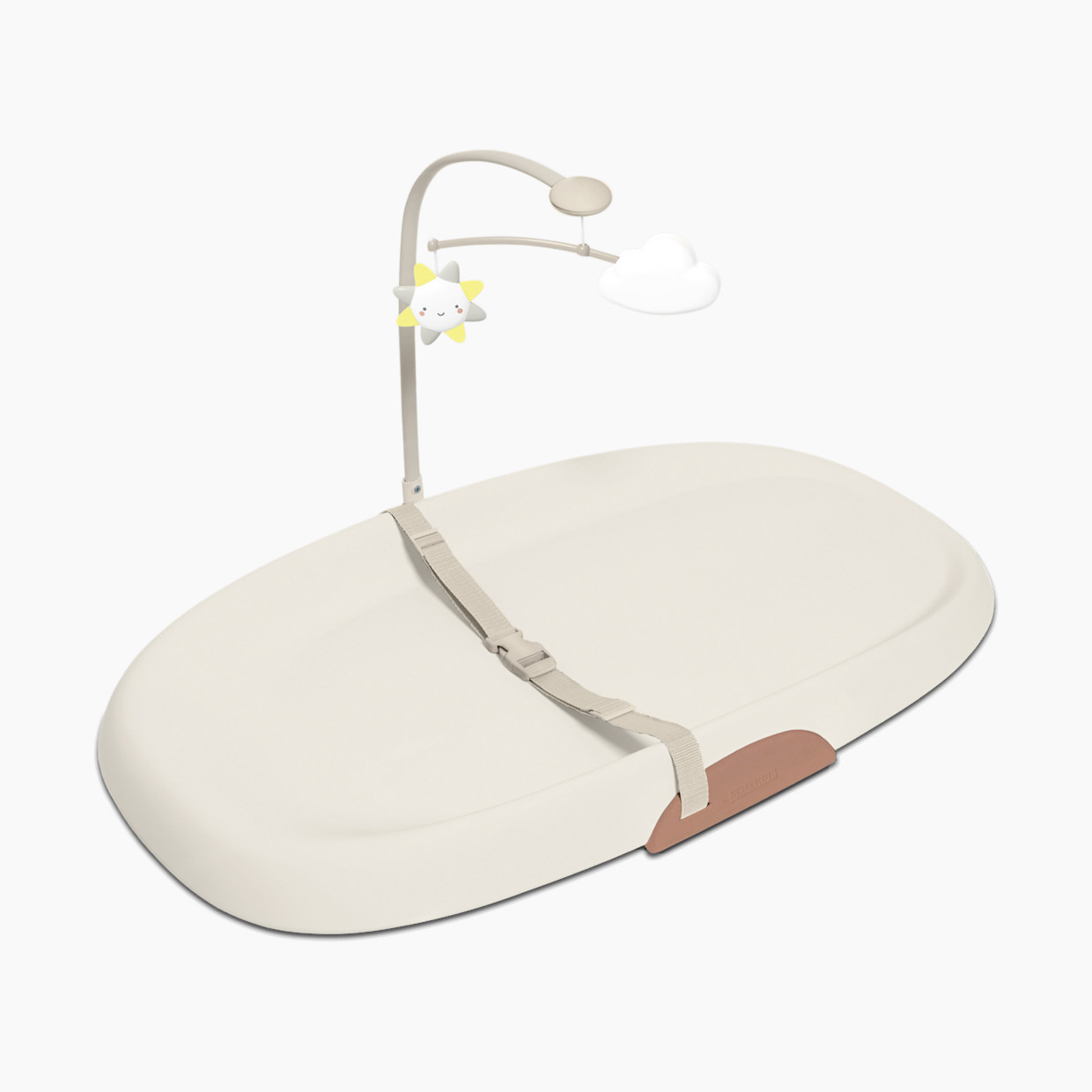

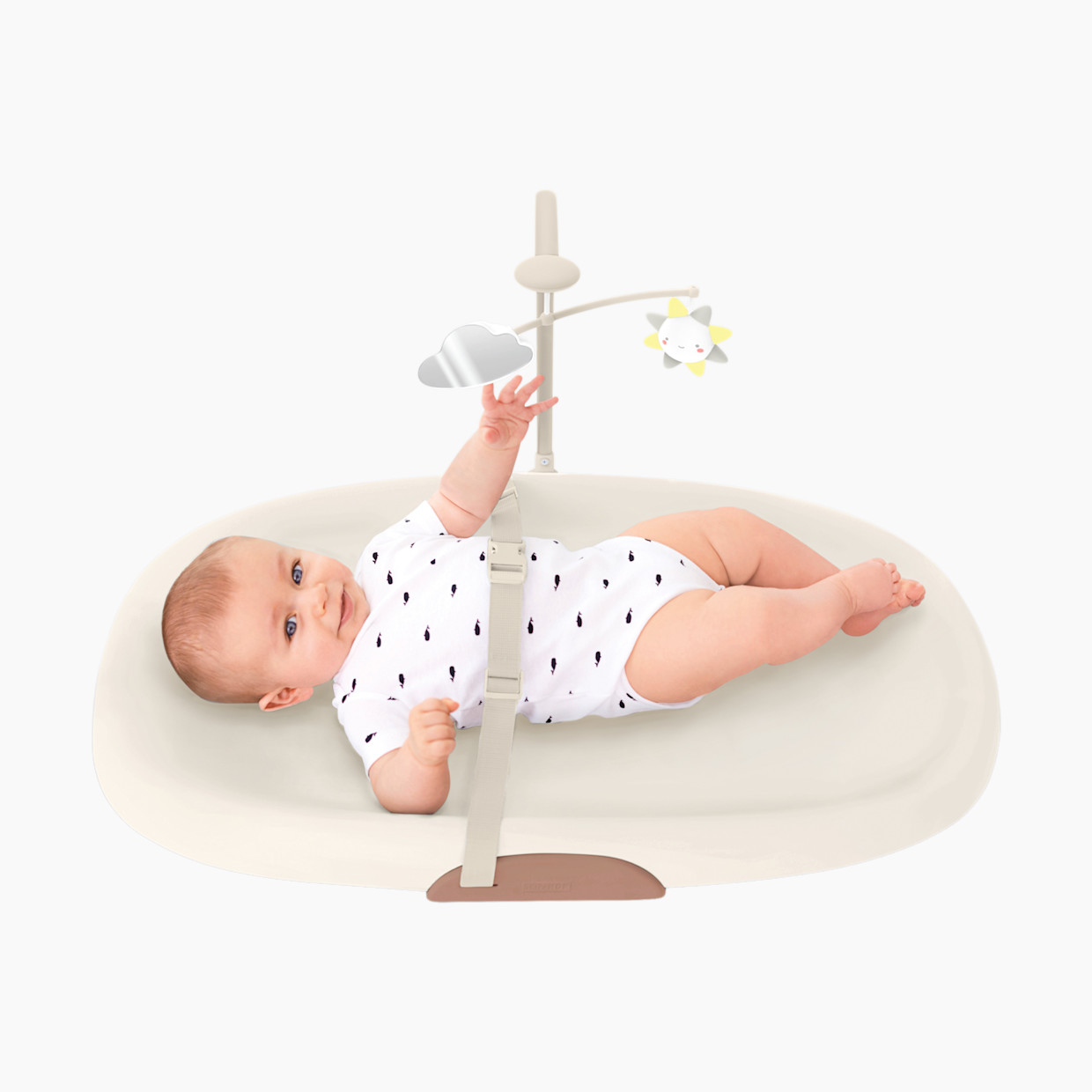
New parents measure time in naps, feeds, and the mysterious minutes between. A well-set-up changing area turns those minutes into calm, repeatable rhythms—no scavenger hunt for wipes, no juggling lotions, no half-built tower of onesies teetering on the dresser. The Skip Hop New Nursery Style Wipe-Clean Changing Pad earns its space because it removes friction: a smooth, easy-to-clean surface, a shape that sits confidently on your dresser or dedicated table, and a look that plays nicely with almost any nursery palette. It’s minimal, modern, and—most importantly—ready when you are.
In this article, we’ll design your diaper zone around the Skip Hop pad so it works on autopilot at 3 p.m. and 3 a.m. alike. We’ll map your reach zones, build a soothing routine that helps little bodies relax, show you how to keep everything hygienic without turning the nursery into a lab, and offer styling cues so the corner you’ll visit a dozen times a day still feels like part of a beautiful home. You’ll also find a few quick bullet-point checklists you can screenshot—because “shortcuts that actually help” is the new love language.
Shop Skip Hop New Nursery Style Wipe-Clean Changing Pad
Why a wipe-clean pad changes everything
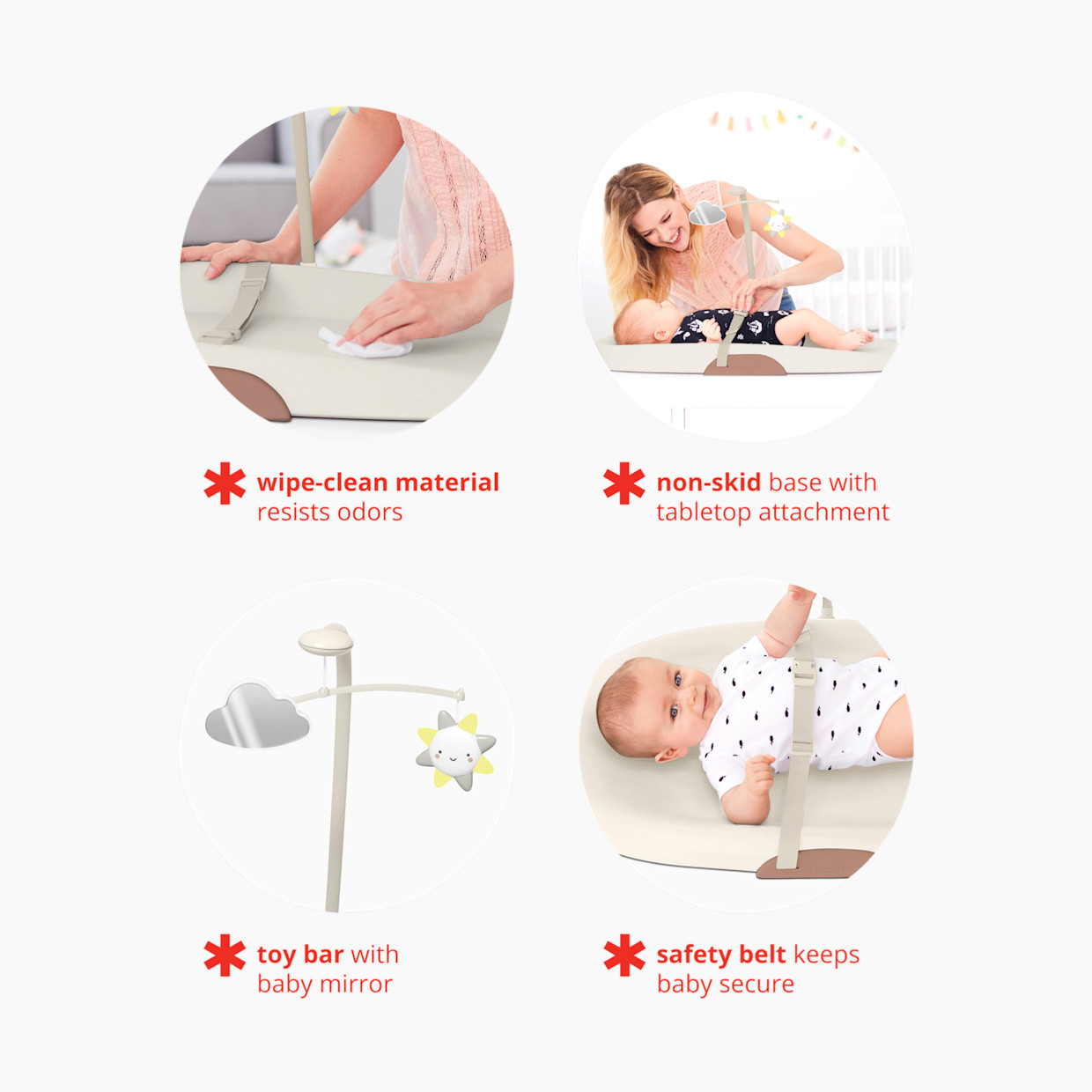
Babies are honest. When they’re comfortable, you can tell; when they’re not, you really can tell. The wipe-clean surface helps you reset fast and move on with your day. No laundering a bulky cover, no waiting on the dryer, no second-guessing whether the pad is truly ready for the next change. That simplicity is a gift when you’re running on limited sleep and unlimited love. The Skip Hop silhouette is supportive without looking clinical, so the pad reads like intentional nursery design rather than equipment on loan from the hospital.
Because the pad is visually quiet, it blends into a variety of décor moods—Scandi neutral, soft pastels, monochrome minimal, woodland whimsy. You get a clean canvas that doesn’t compete with art, mirrors, or mobiles. And since diapering is a high-traffic moment, a surface that wipes down in seconds means your nursery looks guest-ready even when the laundry basket is auditioning for Everest.
Build your diaper zone like a tiny kitchen
Professional kitchens work because every tool lives within arm’s reach. Your changing area should, too. Think in “reach zones” and commit to them early; muscle memory will do the rest.
- Top drawer (dominant hand side): diapers, wipes, diaper cream, disposable bags.
- Second drawer: onesies, sleepers, socks, extra tees; fold in sets you can grab one-handed.
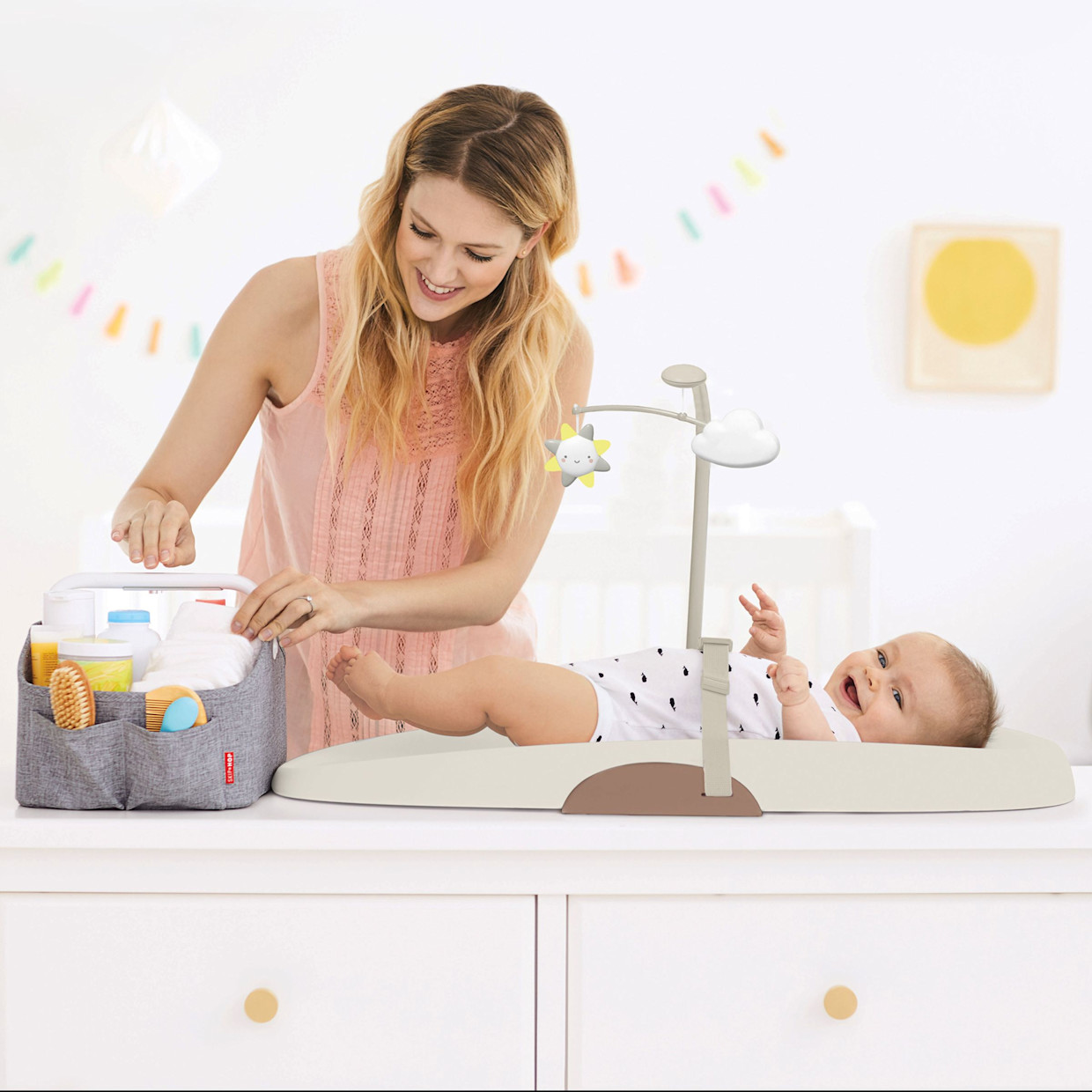
- Open caddy on top: burp cloth, hand sanitizer, small hair brush or comb.
- Wall zone: a narrow shelf for lotion and the baby monitor camera perched safely away from curious hands.
Keep the Skip Hop New Nursery Style Wipe-Clean Changing Pad centered with just enough margin for your forearms. Your stance should be square, your shoulders relaxed. You’ll be amazed how much “parent ergonomics” matters at 2 a.m.
Shop Skip Hop New Nursery Style Wipe-Clean Changing Pad
The soothing sequence that makes changes faster (and kinder)
Babies read your energy. A predictable sequence tells their bodies, “We’re safe; this is routine.” Here’s a gentle flow that pairs beautifully with the Skip Hop pad’s stable, supportive feel.
- Arrive and anchor. Place baby down, one palm resting lightly on the belly. Breathe once, slowly.
- Narrate the plan. A soft, steady voice: “We’re changing your diaper, then a cozy cuddle.” Language becomes a lullaby.
- Warm touch first. Wipe hands warm, then open the diaper. Cold surprises earn complaints.
- Clean, then comfort. Wipe, apply cream if you use one, close up, then hands return to the belly.
- Micro-massage. Two circles on the feet or gentle knee-to-belly bends help tiny tummies settle.
- Dress by zones. Head and arms first, then torso, then legs. Finish with a smidge of lotion and a kiss.
You don’t need gadgets when consistency is the magic. The wipe-clean surface means your pace never stalls while you fuss with laundry; you stay in the moment with your baby instead.
Hygiene that doesn’t eat your day
Clean is important; overcomplicated is optional. The goal is “ready for the next change,” not “operating theater.”
- After each change: quick wipe of the pad’s surface; if anything messy happened, a second pass with your preferred safe cleaner.
- Daily: a slightly deeper wipe including the side edges and the underside corners.
- Weekly: remove the pad to dust the dresser top and check for slip guards or anchors staying put.
Keep a small covered bin within reach and line it with a fresh bag before bedtime; morning you will thank night-shift you.
Style the station so it makes you smile
You’ll be here a lot; make it beautiful. The Skip Hop pad’s neutral vibe gives you room to play. Try a framed print or soft wall decal above the dresser—something soothing that won’t overstimulate a sleepy baby. A small, dimmable lamp with a warm bulb is worth its weight in sanity for night changes. A rattan or felt caddy softens edges and hides the practical bits. If your nursery runs cool, a folded muslin or lightweight swaddle nearby adds warmth between jammies and sleep sack.
Pro tip: choose two accent colors (say, sage and oatmeal) and let them echo in storage baskets, the lamp shade, and a small plush friend that lives on the dresser. Cohesion reads as calm.
Shop Skip Hop New Nursery Style Wipe-Clean Changing Pad
Night shift: design for low light and low effort
At 3 a.m., your future self doesn’t want a puzzle. Keep a “night kit” in the top drawer: three diapers, a small pack of wipes, a mini cream, a burp cloth, and a zipped onesie. Place them in the same order every evening. If baby wakes, you can move like muscle memory with the lamp on its dimmest setting. The stable surface of the Skip Hop pad helps your hands stay gentle and confident even when you’re half-asleep.
If you share night duties, write the sequence on a notecard and tuck it in the drawer. In the fog of early months, a tiny reminder prevents tiny debates.
Safety as a habit, not a headline
Common sense is the best accessory. Always keep one hand on your baby, and never leave them unattended on any elevated surface. Place the pad on a stable, level base and position supplies so you’re not tempted to step away mid-change. If your nursery layout allows, fit a simple anti-slip mat under the pad to guard against shifts on glossy dressers. And remember: a calm parent is a safer parent; design the space so you can move slowly and confidently.
Micro-moves that save you minutes (and meltdowns)
- Pre-tear wipes before you begin; nothing kills a vibe like wrestling plastic with one hand.
- Stack onesies with snaps pre-fastened at the bottom; you’ll slide legs in first, then arms, then finish the top.
- Keep a small zipper pouch labeled “Outfit Rescue” with a onesie and socks—no digging through drawers after a surprise blowout.
When the nursery doubles as your office—or your living room
Small spaces win with multi-tasking. If your changing zone shares a room with adult life, the Skip Hop pad still earns its keep. Choose a dresser that can moonlight as storage for your things; use a shallow tray to corral lotions so you can whisk them off for grown-up time. A linen runner under the pad softens the look by day; at night it catches any stray drips and goes straight to the wash. A folding screen or curtain can visually tuck the station away when guests arrive—out of sight, out of mind, out of mess.
Shop Skip Hop New Nursery Style Wipe-Clean Changing Pad
Travel-day logic without turning the trunk into a nursery
You don’t need to uproot the station to visit grandparents. The Skip Hop pad stays home, and you pack a mini version of your setup: ten diapers, a travel-sized wipe pack, cream, two outfits, two burp cloths, a disposable changing mat, and a wet bag. At your destination, stage a temporary station on a bed (never leave baby unattended) or a floor blanket. The cheat code is routine—same order, same flow, same calm voice—so baby recognizes the dance even in a new room.
The five-minute Sunday reset
Parenting is a marathon; the pad is your water station. Give the space five minutes every Sunday: restock diapers and wipes, refresh the bin liner, refill cream if needed, wipe the pad thoroughly, and rotate the top-drawer outfits to match weather shifts. Put on a favorite playlist. Make it a ritual. Your weekday self will feel spoiled.
Conclusion
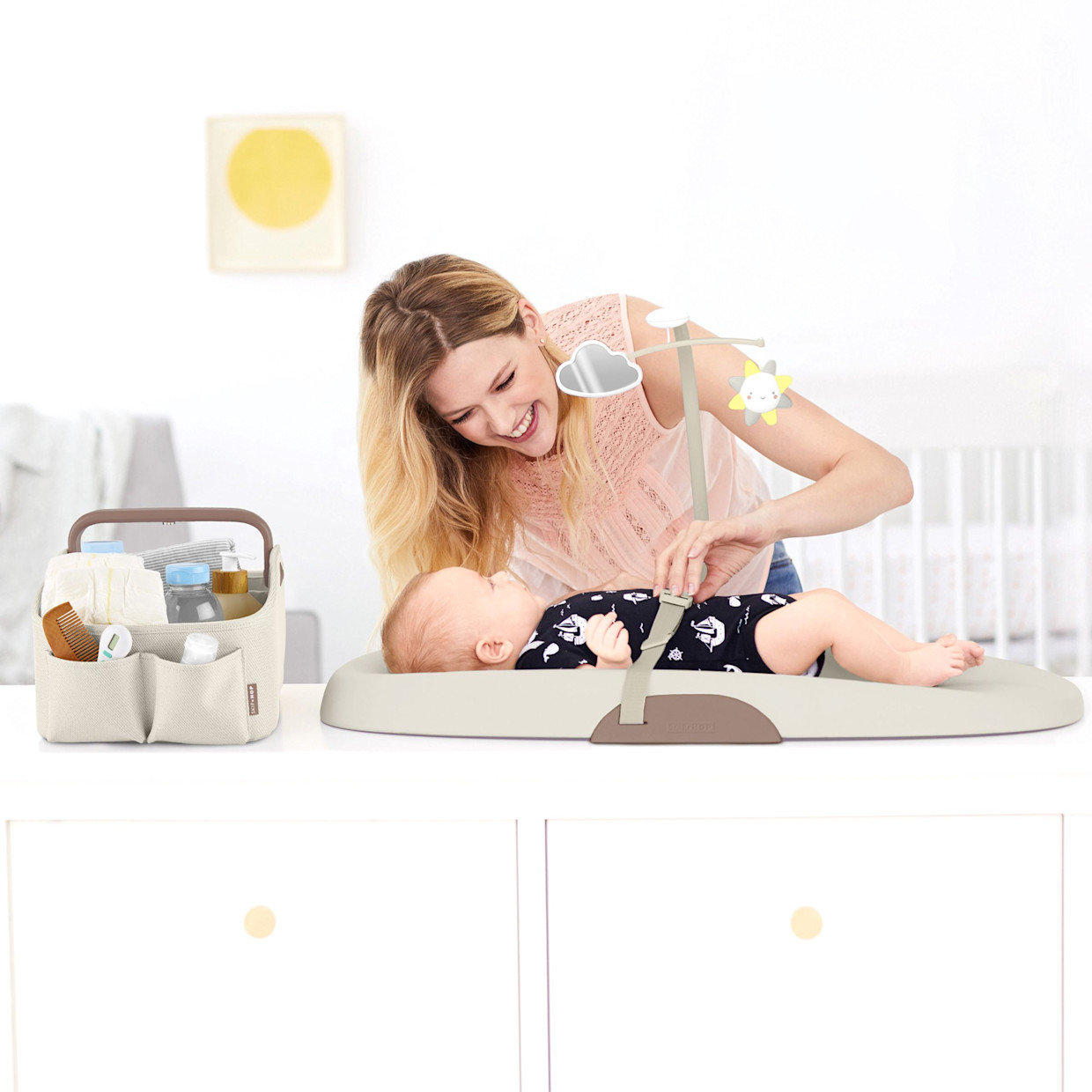
A great changing station doesn’t demand more from you; it gives more back—time, ease, and the headspace to notice the tiny things that make this season glow. The Skip Hop New Nursery Style Wipe-Clean Changing Pad anchors that promise with a surface that resets in seconds and a silhouette that blends into your home. Build the drawer layout once, practice the soothing sequence until it’s muscle memory, and keep cleaning simple and steady. What’s left is the good part: the little feet kicking, the quiet coos, the ordinary magic of a day moving smoothly. You’ve got this—and your nursery does, too.
Shop Skip Hop New Nursery Style Wipe-Clean Changing Pad
FAQ
- Where should I place the pad if I don’t have a dedicated changing table?
A sturdy, waist-height dresser is ideal. Keep the pad centered, add a non-slip liner beneath, and stage essentials in the top drawer at your dominant-hand side. - How do I keep late-night changes from fully waking my baby?
Dim light, warm wipes, soft narration, and a consistent sequence. Prepare a small “night kit” so you’re not opening multiple drawers. - What’s the quickest way to clean up after a messy change?
Wipe the pad immediately, bag soiled items in your covered bin, then do a second, slower wipe of edges and corners. Reset before you walk away. - Can I style the station without adding visual clutter?
Yes—choose two accent colors and repeat them in a lamp, basket, and print. Keep surfaces clean; let texture, not quantity, add warmth. - How do I organize clothes so I can grab them one-handed?
Fold onesies in “slide-in” stacks by size and sleeve length. Keep two full outfit sets in the top drawer for emergencies. - What’s a simple routine for restocking?
The five-minute Sunday reset: refill diapers and wipes, refresh the liner, rotate outfits, and give the pad a thorough wipe-down. - Any tricks for fussy babies during changes?
Start with a palm on the belly and a calm voice. Add gentle knee-to-belly bends or a few foot circles; finish with a brief foot or leg rub. - How do I keep the area safe as my baby gets wiggly?
One hand on baby at all times, supplies within reach, and never step away. Consider a non-slip underlay and keep the surface clear of décor within baby’s reach. - What should I pack for changes away from home?
A mini kit: diapers, travel wipes, cream, two outfits, disposable mat, burp cloths, and a wet bag. Stage a temporary station and follow your home routine. - How can partners or caregivers stay consistent?
Post a small card in the drawer with your sequence. Consistency—same order, same touch, same words—helps babies relax and caregivers sync up.