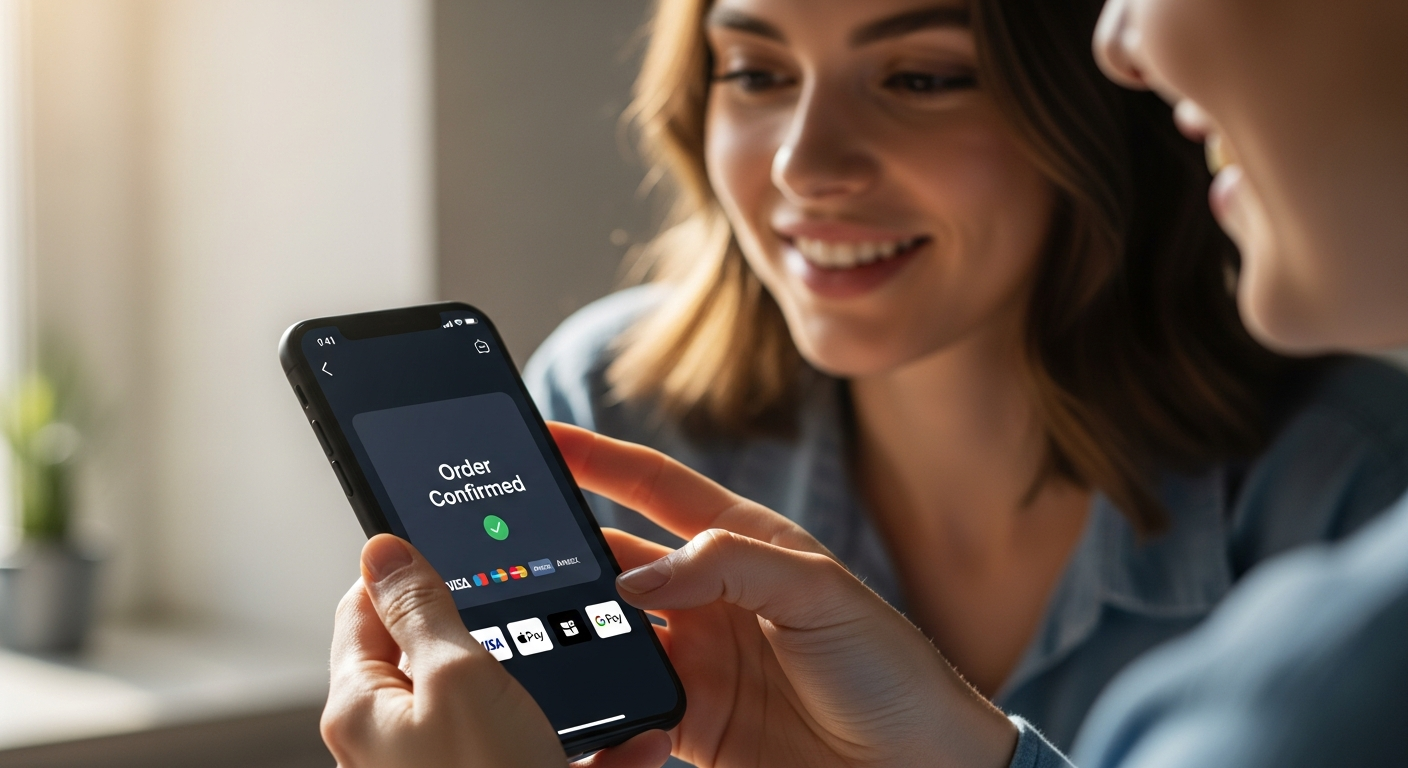

Over 50% of payment transactions in the DACH region now favor installment and invoice-based payment methods—a staggering shift that’s reshaping how merchants think about checkout experiences. This isn’t just a trend; it’s become the baseline expectation for modern consumers who demand flexibility at the point of purchase. The competitive pressure is real: retailers without flexible payment options face higher cart abandonment rates and miss opportunities to increase average order values.
Unzer’s Buy Now, Pay Later (BNPL) solution has emerged as a game-changer for businesses operating in Germany, Austria, and Switzerland, offering multiple ways to pay—invoices, installments, and direct debits—all managed seamlessly across online stores and physical point-of-sale terminals. What makes this particularly powerful is that Unzer absorbs the operational complexity: credit checks, risk assessment, accounts receivable management, and even debt collection happen behind the scenes, leaving merchants free to focus on what they do best.
Discover how Unzer’s BNPL solution can transform your payment strategy today.
Why BNPL Payment Methods Dominate the DACH Market
The dominance of BNPL in the DACH region stems from multiple converging factors. Invoice and installment payments account for over 50% of transaction volume, a phenomenon driven by genuine consumer preference for flexible payment options that continue to accelerate. The regulatory environment in Germany, Austria, and Switzerland actively favors transparent BNPL offerings, creating a stable foundation for merchants to build payment strategies around these methods.
Cultural expectations have shifted fundamentally. Delayed payment is no longer a luxury—it’s become a standard checkout expectation. Consumers in this region grew up with invoice-based purchases, and they carry those preferences into their online shopping behavior. This cultural foundation gives merchants who embrace BNPL a significant competitive advantage.
From a business perspective, merchant demand for solutions that reduce cart abandonment and increase average order values has never been stronger. Retailers already offering multiple payment methods create competitive pressure that forces others to follow suit. The merchants who wait too long risk losing market share to early adopters who’ve already captured customer loyalty through superior checkout experiences.
Core Payment Methods Within Unzer’s BNPL Framework
Unzer’s BNPL offering isn’t monolithic—it’s built on three distinct payment methods that merchants can deploy individually or in combination, depending on their customer base and business model.
Invoice Purchasing
Invoice purchasing allows customers to receive goods immediately while paying within an agreed timeframe. This method taps directly into consumer expectations in the DACH region, where buying on invoice has historical roots in business-to-business relationships but has evolved into a consumer expectation. Merchants appreciate that customers get what they ordered right away while the payment obligation is formalized and managed.
Installment Payments
Installment payments offer flexible repayment schedules tailored to customer needs and purchase amounts. A €500 purchase might be structured differently than a €2,000 order, allowing merchants to customize terms that align with their business model and customer base. This flexibility is what drives the higher average order values that make BNPL so attractive to merchants.
Direct Debit Options
Automatic payment collection with customer authorization streamlines the payment process. Once a customer authorizes the payment schedule, Unzer handles collection automatically, reducing administrative overhead for both merchant and customer.
White-Label Capabilities
All these methods operate with white-label capabilities, meaning merchants maintain brand consistency without visible third-party involvement. Customers see your brand throughout the payment experience, strengthening brand loyalty and reducing friction that might occur if a third-party service became visible.
The customizable payment intervals allow merchants to set terms that align with their business model, while automatic credit checks provide built-in risk assessment that protects both parties. Seamless integration works across e-commerce platforms and physical POS terminals, ensuring a unified experience whether customers shop online or in-store.
How Unzer Handles the Backend Risk and Complexity
The appeal of BNPL often obscures the operational challenges that typically come with flexible payment offerings. Unzer’s approach is to absorb these challenges entirely, removing them from the merchant’s responsibility.
Automatic credit risk assessment means Unzer evaluates customer creditworthiness in real-time, determining instantly whether to approve or decline payment requests. This real-time evaluation prevents merchants from extending credit to customers who pose unacceptable risk.
Accounts receivable management becomes Unzer’s responsibility, not yours. Unzer tracks and manages outstanding payments, sending reminders and managing the payment lifecycle. Merchants simply receive funds on schedule, without managing customer communications or tracking outstanding invoices.
Debt collection services are handled professionally by Unzer, not by the merchant. When payments are late or at risk, Unzer’s established collection procedures take over. This protects the merchant-customer relationship by keeping collection efforts separate from the merchant brand.
The payment guarantee is perhaps the most important risk mitigation tool. Unzer’s liquidity protection ensures merchants receive funds reliably, regardless of whether every customer ultimately pays their obligation. This transforms BNPL from a potential liability into a predictable revenue stream.
Regulatory compliance is built in, with adherence to DACH financial regulations handled automatically. Merchants don’t need to worry about changing regulations—Unzer maintains compliance as rules evolve.
Advanced fraud prevention measures protect against unauthorized transactions, while zero merchant liability means merchants operate risk-free while Unzer absorbs financial exposure. This arrangement is fundamental to why BNPL has become so popular among merchants: they gain the conversion benefits without carrying the traditional risks.
Explore Unzer’s risk management capabilities and see how they protect your business.
Integration Options for E-Commerce and Retail Environments
Getting BNPL operational requires connecting payment processing systems to your existing platform. Unzer offers multiple integration pathways depending on your technical environment and complexity requirements.
Plugin-Based Integration
Pre-built connectors are available for Shopify, Shopware, and Magento—the three most prevalent e-commerce platforms in the DACH region. These plugins handle much of the technical complexity, allowing merchants to activate BNPL without extensive development work. For merchants using these platforms, setup is straightforward: install the plugin, configure payment terms, and enable the payment method.
API Integration
Custom solutions are available for bespoke e-commerce platforms that don’t fit standard plugin architectures. Unzer provides comprehensive API documentation enabling developers to build custom integrations that match your specific workflow and technical requirements.
Omnichannel Deployment
POS terminal compatibility means the same BNPL methods work across both online checkout and physical payment terminals. This omnichannel capability is crucial for merchants operating both e-commerce and brick-and-mortar locations. Customers experience the same payment options whether they shop online or in-store, creating a unified brand experience.
Multi-currency support across 160 countries with various currency options means merchants with international ambitions can expand beyond the DACH region while maintaining consistent payment processing infrastructure.
Minimal technical overhead characterizes the entire integration process. Quick setup doesn’t require extensive development resources, allowing even smaller merchants to implement BNPL without hiring specialized developers. Real-time transaction processing delivers instant payment confirmation and settlement, ensuring merchants have immediate visibility into payment status.
Transparent Pricing Structure for Different Business Types
BNPL adoption decisions hinge partly on understanding the actual cost structure. Unzer maintains transparent pricing with no hidden fees, allowing merchants to calculate ROI before committing to implementation.
E-Commerce Pricing
For online merchants, transaction fees start from 1.50% + €0.20 per transaction, with monthly service fees from €19 and a one-time setup fee of €149. A merchant processing €50,000 monthly in BNPL transactions would pay approximately €750-€850 monthly plus the initial €149 setup. For merchants seeing BNPL drive 10-20% conversion increases, this cost quickly becomes negligible relative to the revenue generated.
POS Payment Pricing
Retail merchants with physical locations face different economics. Transaction fees start from 0.99% + €0.20, with monthly setup fees of €29 and a one-time setup fee of €99. Lower per-transaction fees reflect the different operational model for point-of-sale payments.
Enterprise Solutions
Volume-based pricing is available for high-transaction merchants, with discounted rates that reflect economies of scale. Custom service packages address enterprise-level businesses with specific requirements that standardized offerings don’t accommodate. Flexible payment terms allow merchants to structure costs in ways that match cash flow requirements.
Clear cost breakdowns upfront eliminate surprises, while ROI calculation tools help merchants evaluate cost against conversion rate improvements. For most merchants in the DACH region, the math strongly favors adoption: the conversion gains typically exceed implementation and operational costs within the first few months of operation.
Measurable Benefits for Merchants Implementing BNPL
The strategic value of BNPL becomes apparent when examining the tangible business outcomes merchants experience after implementation.
Conversion rate increases are perhaps the most immediate and measurable benefit. Customers complete purchases when flexible payment is available, directly translating to higher transaction counts. In the DACH region where BNPL expectations are high, merchants without these options face higher abandonment rates at checkout.
Higher average order values emerge naturally when payment burden is distributed over time. A customer willing to spend €200 in a single payment might spend €350 across three installments, knowing they can manage the financial obligation more comfortably.
Reduced cart abandonment directly addresses one of e-commerce’s primary pain points. Flexible payment removes a primary friction point that causes customers to exit the checkout process. This alone justifies BNPL adoption for many merchants.
Enhanced customer satisfaction follows from offering preferred payment methods. Customers appreciate merchants who accommodate their financial preferences, creating goodwill that extends beyond individual transactions.
Improved cash flow occurs because Unzer’s payment guarantee ensures predictable revenue timing. Rather than waiting for customers to pay invoices, merchants receive funds on schedule, enabling better financial planning and working capital management.
Competitive differentiation emerges naturally for merchants operating in markets where BNPL has become table stakes. Those who offer it attract customers seeking flexible payment; those who don’t face customer frustration and higher abandonment rates.
Data-driven insights into payment behavior provide valuable analytics for future optimization. Understanding which customers choose installments versus invoices, and which purchase amounts correspond to which payment methods, enables merchants to refine their overall payment strategy.
Customer Experience Advantages That Drive Loyalty
From the customer perspective, BNPL solves genuine financial challenges that traditional payment methods don’t address.
Payment flexibility allows customers to choose the method that fits their individual financial circumstances. A customer with tight monthly cash flow might prefer invoices, while another customer might prefer installments to spread costs.
Transparent terms with no surprise fees build trust. Customers know exactly what they’re paying and when, eliminating hidden charges that destroy customer relationships.
Instant approval from automatic credit checks provides immediate payment authorization without delays that would push customers to competitors. Fast approval means customers can complete purchases immediately rather than waiting for credit decisions.
Convenience of paying on their timeline rather than at point of purchase removes the friction of upfront payment. This is particularly valuable for larger purchases where customers might feel constrained by immediate payment requirements.
Trust and security derived from Unzer’s established reputation reduce customer hesitation. Customers recognize that a major payment processor is managing their credit information, reducing security concerns.
Multiple payment pathways accommodate different preferences and purchase amounts, ensuring customers find a payment method matching their needs. Improved purchasing power comes from accessing products without requiring upfront capital, which is especially valuable for larger purchases.
Platform Integration and Technical Considerations
Successful BNPL deployment requires attention to technical integration details. Unzer supports multiple platforms with varying levels of native integration.
Shopify Integration
Shopify store owners benefit from streamlined setup, with Unzer offering pre-built integration that handles most technical complexity. Shopify merchants can activate BNPL payment methods with minimal configuration.
Shopware Compatibility
Native support for Shopware-based retailers ensures seamless integration with this popular DACH region platform. Shopware merchants find Unzer integration particularly straightforward.
Magento Connectivity
Full integration for enterprise Magento deployments ensures large retailers can implement BNPL without custom development. Magento’s extensible architecture makes it straightforward to add Unzer payment methods.
Custom API Documentation
Comprehensive guides for custom platform builds enable developers to create tailored integrations. Full API documentation covers endpoints, authentication, and payment workflows.
Technical Features
Webhook support provides real-time transaction notifications and status updates, enabling merchants to maintain accurate order records synchronized with payment status. Sandbox environment testing capabilities allow merchants to verify integration before deploying to production.
Dedicated technical support during and after implementation ensures merchants have assistance when questions arise. This support is particularly valuable during the onboarding phase when integration issues might occur.
Evaluating BNPL Fit for Your Merchant Business
Determining whether BNPL makes sense for your specific business requires systematic evaluation of several factors.
Transaction Volume Assessment
Calculate whether your monthly payment volume justifies the fixed costs. A merchant processing €10,000 monthly faces different cost dynamics than one processing €100,000 monthly. Monthly fees of €19 for e-commerce are negligible at high volumes but more significant for lower-volume operations.
Customer Demographic Analysis
Verify that your audience values flexible payment options. B2B merchants, luxury goods retailers, and businesses serving affluent customers might find BNPL less critical than consumer retailers or e-commerce platforms targeting middle-income customers.
Geographic Considerations
Leverage the DACH region strength if that’s your primary market. Merchants with primary customer bases in Germany, Austria, or Switzerland benefit from Unzer’s particular expertise and network effects in these markets.
Integration Complexity
Assess the technical resources required for your platform. Shopify, Shopware, and Magento merchants face minimal integration work, while custom platform operators might require more development investment.
Competitive Landscape Research
Research what payment methods competitors offer. If major competitors already offer BNPL, customer expectations likely include it. If you’d be among the first in your niche, BNPL becomes a competitive differentiator.
Cash Flow Impact
Model how the payment guarantee affects your financial planning. For merchants with tight working capital, the certainty of BNPL payments provides significant advantages.
Onboarding Timeline
Plan for implementation duration and resource allocation. While integration is generally straightforward, allowing adequate time prevents rushed deployments that might cause checkout issues.
Potential Considerations and Mitigation Strategies
While BNPL offers substantial benefits, prudent merchants acknowledge potential challenges and develop mitigation strategies.
Onboarding Duration
The setup process can be extended, requiring advance planning and patience. Starting the onboarding process well before you want to launch BNPL prevents last-minute delays.
Monthly Fee Impact
Lower-volume merchants should calculate cost-benefit carefully. Some merchant segments might find that BNPL costs exceed the conversion benefits, particularly if customer demographics don’t strongly prefer flexible payments.
Customer Qualification
Not all customers qualify for BNPL approval. Merchants should understand that Unzer’s credit checks will decline some customer applications, which might affect conversion rates for high-risk customer segments.
Payment Default Risk
While Unzer manages payment default risk, understanding your exposure remains important. Merchants should be aware of which customer segments have highest default rates, informing decisions about which payment methods to emphasize.
Regulatory Changes
Stay informed about evolving DACH payment regulations. While Unzer maintains compliance, merchants benefit from understanding regulatory trends that might affect payment processing.
Integration Maintenance
Keep plugins and APIs updated as platforms evolve. Platform updates sometimes require corresponding updates to payment integrations, necessitating ongoing maintenance attention.
Customer Support Requirements
Train your support team to explain flexible payment options clearly. When customers encounter payment options they don’t understand, support becomes critical to preventing checkout abandonment.
Making BNPL a Strategic Advantage for Your Business
The Unzer Buy Now, Pay Later solution represents far more than just another payment option—it’s a strategic tool that aligns merchant capabilities with genuine customer demand. In a market where over half of transactions favor installment and invoice-based payments, ignoring BNPL means leaving conversion gains on the table. By handling credit assessment, accounts receivable, and debt collection internally, Unzer removes the administrative burden that typically accompanies flexible payment offerings. Merchants gain the conversion benefits without the complexity—a rare combination in payment processing.
Whether you’re operating a high-volume e-commerce platform or managing a multi-location retail operation, the decision to implement BNPL should be grounded in your specific business metrics: transaction volume, customer demographics, and competitive positioning. For merchants in the DACH region serving customers who expect payment flexibility, Unzer’s solution offers a proven path to higher conversion rates, larger order values, and stronger customer loyalty.